Boise, IdahoMold Testing
Mold testing in Boise should answer a useful property question, not turn an odor or dark spot into an unsupported diagnosis. Disaster Cleanup discusses accessible conditions, moisture history and appropriate air or surface sampling where it can inform the next decision. Clarify the testing scope and laboratory charges separately from a free initial damage inspection; findings do not determine an individual's health or exposure.
Schedule a Free Inspection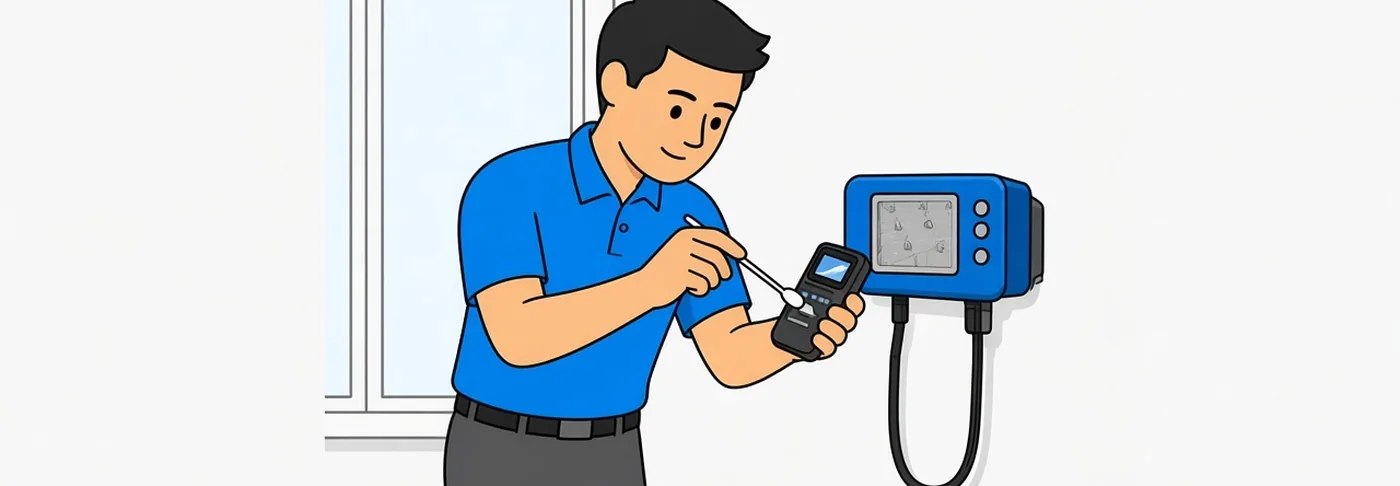
Find out how fast you can get service from your location

MOISTURE QUESTIONS AND INFORMED SAMPLINGMold Testing in Boise
Inspection and testing provide different kinds of information. Visible observations and moisture assessment can identify a reason to investigate, while a sample represents particular material or air collected under particular conditions. Neither should be described as a map of every concealed surface. We connect the reported concern, the sampling question and the limitations so results can support a practical property decision.
Different decisions call for different evidence. A prospective buyer may have a defined documentation request, while an owner with a recurring odor may first need the moisture pathway investigated. Explain why you are seeking testing and share earlier reports rather than assume more samples always produce a more useful answer. The scope should describe the locations, purpose and limitations in terms that the person making the next property decision can understand.
When to Discuss Mold Testing
Testing should follow a reasoned question, not a claim that every building needs the same routine package. Explain visible conditions and earlier water history from safe areas. A change in odor or staining can justify investigation without establishing a species, severity or individual health consequence.
- A musty odor without an explained source
- Unresolved questions after a water event
- Staining that needs evaluation before repair
- A buyer or seller with a defined testing question
- Recurring dampness in an attic or crawl space
- A landlord needing context for a property concern
What Happens After You Call
We discuss the concern and evidence needed before selecting samples. The next steps separate an initial inspection, any agreed laboratory work and the property decisions that the findings can reasonably support.
- Describe odors, staining, earlier leaks and the decision you need help making.
- Previous repairs or sampling reports can help define what remains uncertain.
- Clarify how air or surface samples would relate to the concern and what they cannot establish.
- Review the materials, locations, laboratory work and separate charges before authorization.
- Discuss results in context, including moisture correction, further investigation or a separate remediation scope where appropriate.
Common Situations We Assess
A past leak with unresolved moisture
A repaired pipe may stop new water while surrounding materials remain affected. The history of drying and later symptoms helps define the inspection and testing question. A sample is not a substitute for addressing an ongoing water source. Provide any source-repair and drying records already available for the affected area.
Musty odors without visible growth
An odor can justify investigation but does not identify its source or a particular species. Location, changes over time and accessible material conditions guide the next step; a single air sample cannot prove where every odor originates. Explain whether the odor is limited to one room or changes when the building is used differently.
Staining on building finishes
Color and appearance alone do not identify mold type or establish a health risk. Surface sampling may answer a specific identification question, while the condition of nearby material and moisture pathways still need consideration for repair planning. Do not scrape or bleach the area simply to change what the sample might show.
Crawl-space and attic concerns
Roof entry, plumbing leaks and condensation can create different conditions in concealed spaces. Safe access and the actual moisture history matter. Do not enter an unsafe void or move insulation to make a suspected area easier to sample. An accessible view from an opening may leave parts of the void outside the assessment scope.
Property transactions and rentals
An owner, buyer, seller or manager may have a particular documentation question. Clarify the intended use, permission to access and any requested scope before sampling so the report is not presented as an unrestricted guarantee about the building. The intended recipient should understand the investigation limits rather than assume every surface was tested.
Questions after remediation
A post-work evaluation needs an understood purpose and work boundary. A later sample does not by itself prove that every concealed problem was removed or that the building can never develop moisture again; the original scope and conditions remain relevant. Any verification question should relate to the work actually completed and the conditions represented by the evaluation.
What to Do First: Safety and Preparation
Do not scrape growth, cut into walls or disturb insulation to obtain a sample yourself. Explain the moisture history and leave suspect areas undisturbed while access is arranged. If there is immediate electrical or structural danger, address that first. For symptoms or health concerns, consult a qualified medical professional rather than asking a property sample to diagnose an illness.
If another contractor has already cleaned or removed material, describe what was done and when. That history matters to what a later sample can represent. Do not deliberately leave a leak active to improve sampling, and do not change normal building conditions just to obtain a preferred result without discussing the investigation plan.
- Leave suspected growth and insulation undisturbed.
- Share earlier water and remediation records.
- Discuss testing charges before sampling proceeds.
- Use medical professionals for individual health concerns.
Our Mold Testing Process
1. Define the question and history
We discuss the reported condition, water events and intended decision. An investigation should explain why testing is being considered rather than recommend the same package for every odor, mark or real-estate transaction. Bring any specific request from an owner, buyer or manager so the scope addresses the intended decision.
2. Review accessible conditions
The inspection considers visible material conditions and moisture information relevant to the concern. Access limitations should be explicit; an accessible-area visit does not rule out every concealed source or characterize every room in the building. Record the distinction between an inaccessible area and an area examined without a relevant visible finding.
3. Explain a sampling plan
Air and surface samples can answer different questions. The proposed locations, comparison information where relevant and analysis should fit the investigation rather than imply one sample can describe an entire property under all future conditions. Discuss any comparison or collection conditions used and why they are relevant to the proposed question.
4. Collect within the agreed scope
Sampling should be described in relation to the location and conditions represented. Owners should not prepare by scrubbing, disturbing suspected growth or deliberately changing ventilation to obtain a preferred result. The collection history should remain traceable to the material or location described in the result.
5. Review results with context
Laboratory findings need to be considered alongside site observations and the reported history. Identification or counts should not be translated into an individual medical diagnosis, a universal safe threshold or certainty about every unexamined surface. A reported finding should not be stretched to support an unrelated diagnosis or whole-building guarantee.
6. Discuss the appropriate next step
The result may inform moisture correction, further access or a separate remediation discussion. The owner should understand which conclusion is supported, what remains uncertain and which later work requires its own authorization. Discuss remaining moisture and access questions so testing is not mistaken for correcting the underlying condition.
Why Choose Disaster Cleanup
Useful mold testing connects evidence with a decision. Ask what the sample represents, why it is being collected and how the result could change the proposed action. Disaster Cleanup offers testing and remediation services, but those are different scopes; a testing conversation should not automatically authorize removal or promise that every observed condition needs the same treatment.
An understandable result should distinguish the actual laboratory finding from conclusions that require other evidence. A sampled surface, a particular room's air and a concealed cavity are not interchangeable. Ask how the observations support the next recommendation and which parts of the property were not examined. This helps an owner, manager or buyer use the report appropriately without treating a short visit as an unlimited clearance or assuming every detection calls for identical removal.
What Affects the Project Schedule?
Access, the investigation question, sampling arrangements and laboratory processing influence the sequence. Discuss current arrangements directly rather than assuming immediate results or a fixed turnaround from an automated drive-time estimate. Additional access or follow-up questions can require another scope even after an initial report is available.
Insurance and Project Documentation
Coverage depends on the policy, cause and insurer review. Testing related to a reported water event and investigation of a long-standing concern can be treated differently. Keep the agreed scope and findings, and ask the insurer about documentation or authorization. A sample result does not itself establish claim approval.
Define the mold question before choosing a test
For a stable odor or stain concern, share the moisture history, existing reports and the purpose of the assessment. Leave suspected growth undisturbed. If a source is still active, discuss that fact rather than waiting for laboratory information before reporting water entry. Use a medical professional for personal health questions and keep the testing discussion focused on property decisions.
For a transaction or managed property, identify who can authorize entry and what the report is expected to address. That allows a realistic sampling discussion without promising that a particular test will resolve every negotiation, insurance question or concealed-building concern.
Information That Helps Define the Next Step
- A musty odor without an explained source
- Unresolved questions after a water event
- Staining that needs evaluation before repair
- A buyer or seller with a defined testing question
Mold TestingAssessment, Work Planning and Restoration
The illustrations represent inspection, sampling and moisture-related questions rather than a visual guide to diagnosing mold. Air and surface analysis can be useful when connected to a defined purpose, but they do not repair water entry or characterize every hidden layer. Discuss what information is needed before authorizing testing. A proposed remediation scope, if warranted by the findings and site conditions, should remain a separate understandable work decision.

Reviewing visible and moisture conditions
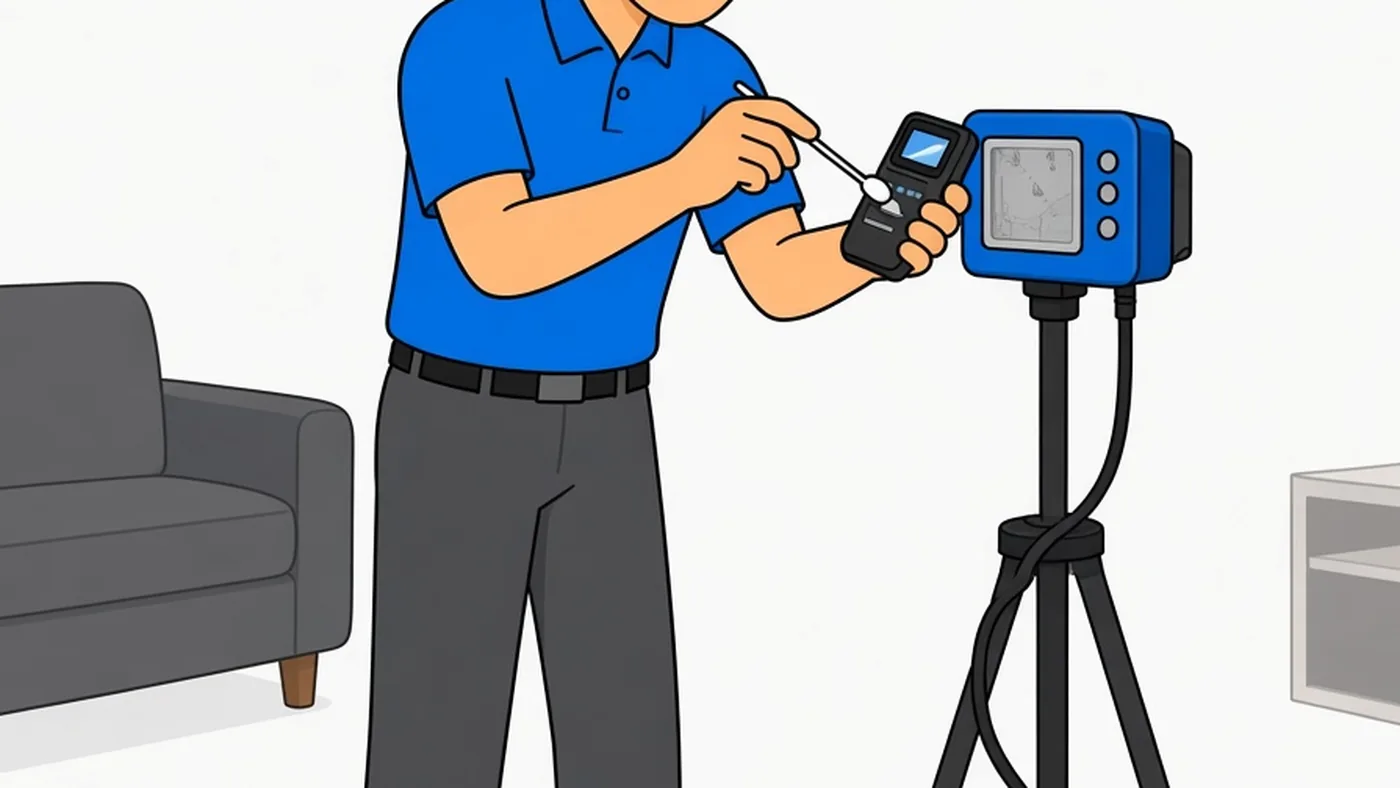
Discussing air-sampling questions
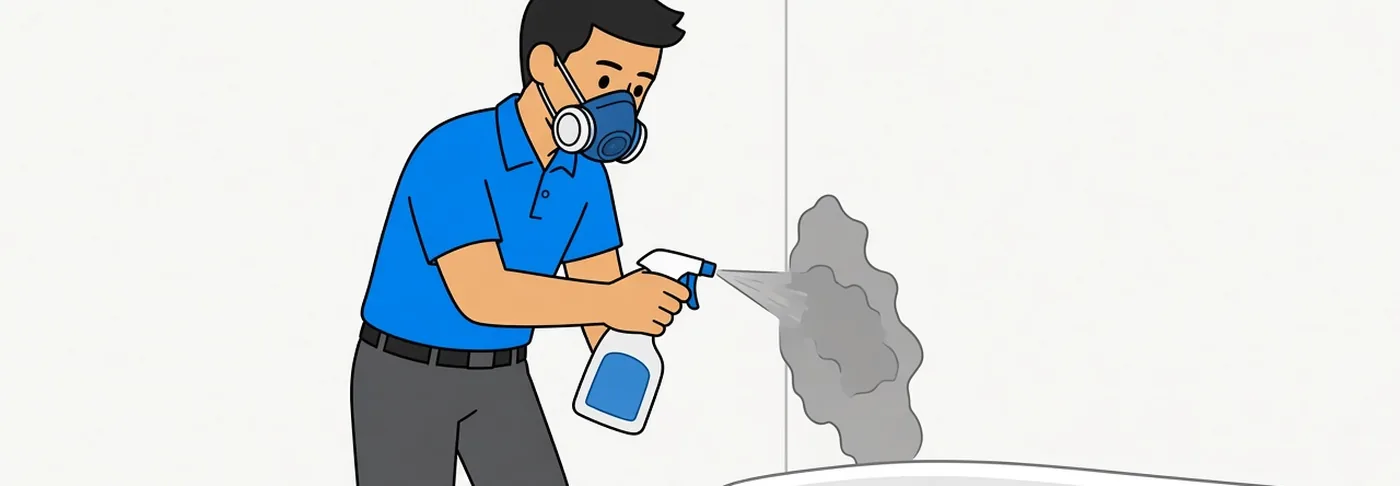
Assessing a surface-sampling location

Explaining findings and their limits
Inspection and testing are distinct
Define the workAccessible observations, moisture information and samples provide different evidence and should not be treated as interchangeable.
Results need site context
Match the site conditionsA sample represents a location and collection conditions, not every concealed surface or future state of the building.
Moisture correction still matters
Plan the next stageTesting cannot repair the source; any remediation discussion should remain connected to the actual water or humidity problem.
Serving Boise and the Treasure ValleyMold Testing in Boise and Nearby Communities
Mold testing is offered in Boise and the Treasure Valley areas listed on Disaster Cleanup's website for homes, rentals and commercial properties. Provide the address, access arrangements and the reason for the assessment. Local building examples can help frame questions, but a city or neighborhood cannot establish the condition of your property. Findings must remain connected to the areas and conditions actually assessed.
The existing service-area listings include Ada County, Boise, Caldwell, Canyon County, Eagle, Emmett, Garden City, Hidden Springs, Horseshoe Bend, Kuna, Marsing, Meridian, Middleton, Mountain Home, Nampa, Parma, Payette and Star. Call to discuss your address and access needs.

Discuss Your PropertyRequest a Free Inspection
Contact Disaster Cleanup to discuss a mold-testing question, existing moisture history or the purpose of a requested report. Arrange a free initial inspection and clarify any separate sampling and laboratory charges. Leave suspected materials undisturbed, share available records and ask how the proposed evidence would guide the next property decision.
Call (208) 999-2353Client ReviewsWhat People Say About Us
Disaster Cleanup is 5-Star Rated on Google


Frequently Asked Questions
Is an inspection the same as mold testing?
No. Inspection considers accessible observations and moisture-related information, while testing involves samples analyzed for a defined question. A free initial inspection should not be assumed to include unlimited sampling or laboratory work. Ask what is proposed and what carries a separate charge. A sampling agreement should identify its purpose rather than treat every initial visit as the same package.
Does a musty smell prove there is mold?
No. Odor is a reason to investigate, not a confirmed source or species identification. Explain where it occurs, when it changes and any previous water event. Observations and appropriate testing may help answer a useful question without treating the smell alone as a complete diagnosis. A useful investigation can also consider whether the symptom changes with weather, ventilation or room use.
Can you tell what mold it is from its color?
Color alone does not establish the organism or health implications. Dark staining can have different explanations, and photographs cannot replace a defined assessment. Do not disturb a surface simply to identify it; discuss whether sampling would provide useful information for the next property decision. Identification of a sampled material still does not establish an individual's response to it.
Does one air sample cover the whole house?
No. A sample reflects particular collection conditions and a location. Conditions can change, and concealed surfaces may not be represented. The findings should be read with the investigation scope and observations rather than treated as a guarantee that every part of a property has been characterized. Accessible observations and the moisture history help define the limits of what a result can support.
Can testing diagnose why someone is ill?
No. A property investigation does not diagnose an individual or determine their exposure. Consult a qualified medical professional about symptoms. Laboratory material or air findings should be used for the building questions they actually address, with their limitations explained. A report should not present property data as a personalized medical conclusion or a promise about future symptoms.
Do I have to approve remediation if I order testing?
Testing and remediation are separate work decisions. Review the findings, uncertainty and proposed next scope before authorizing removal or treatment. The fact that a sample was collected does not automatically mean every nearby material needs demolition or that a standard treatment package is appropriate. Ask what evidence supports the recommended boundary and which uncertainty remains before authorizing that work.
Can testing be arranged for a sale or rental?
The existing service includes homes, rentals and commercial properties. Explain the requested documentation, permission to access and any transaction-related scope before scheduling. A report should remain clear about the areas assessed rather than be presented as an unlimited assurance for future owners or occupants. Clarify the intended recipient and question without asking the report to guarantee conditions outside its scope.
What if my property had water damage before?
Share the event date, source repair, drying history and earlier reports where available. Past water can help focus the investigation but does not by itself establish the current condition of every assembly. Ongoing moisture and any supported remediation needs should be considered separately from the act of sampling. Keep the chronology clear so later observations are not assumed to describe conditions before the source was repaired.