
Garden City, IdahoDisaster Cleanup & Restoration in Garden City
Garden City is Disaster Cleanup’s home base. We help residents, landlords and businesses assess water, fire, mold and sewage damage, with attention to manufactured homes, shared buildings and the shops and workspaces along Chinden and Glenwood.
Schedule a Free Inspection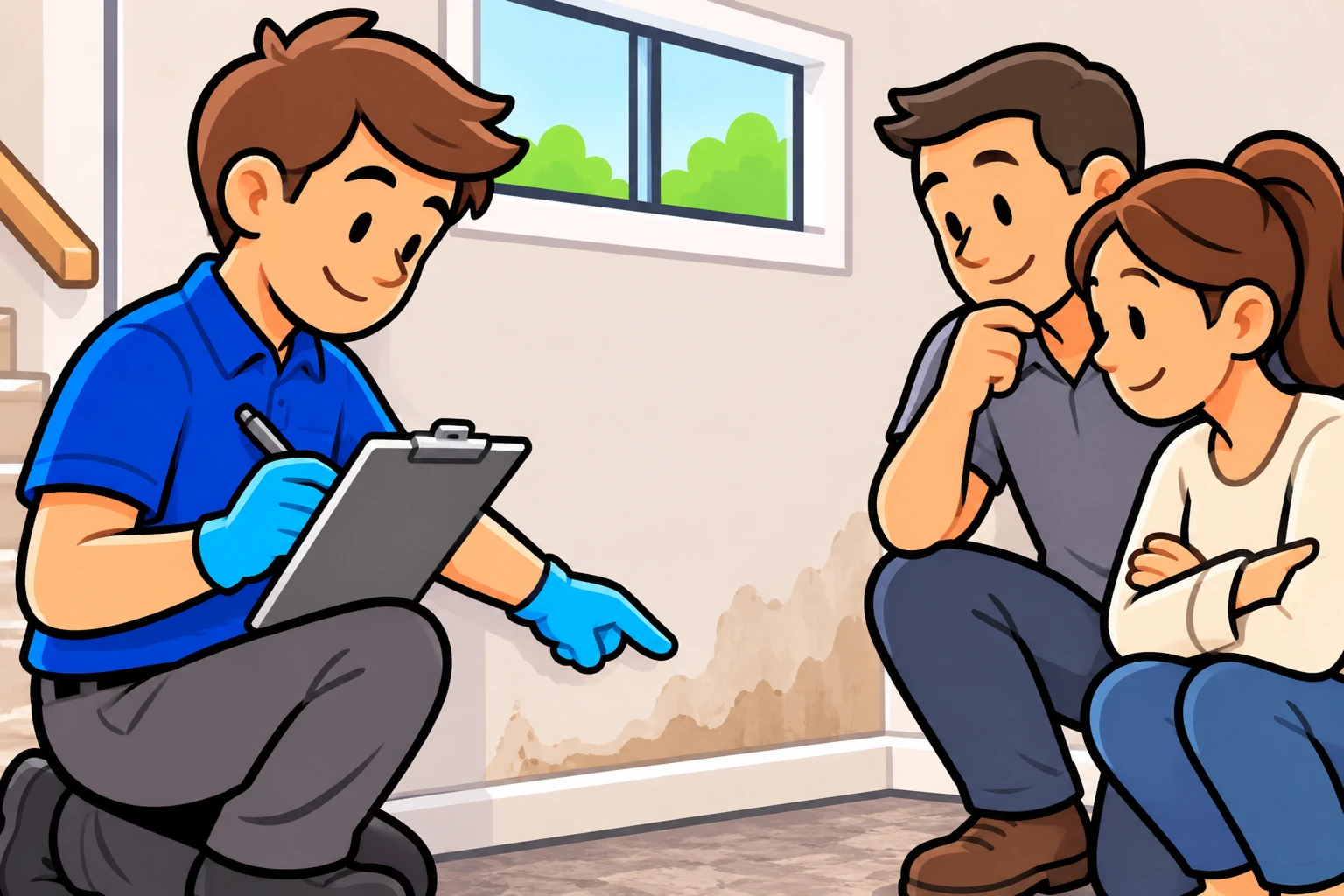
Find out how fast you can get service from your location

Local Restoration HelpRestoration for Riverfront Homes, Manufactured Homes and Local Businesses
Garden City properties range from older cottages and manufactured homes to riverfront townhomes and busy commercial spaces. The inspection needs to follow the loss through the actual building rather than stop at the first stain or the room where water was discovered.
A manufactured-home leak can leave wet underside insulation and subfloor materials even when the carpet looks dry. A townhome or apartment leak can involve another unit, while a shop may need a cleanup plan that accounts for equipment, stored contents and customer access.
Our company is based here in Garden City. Explain the property type, current conditions and authorized contact when calling so inspection, mitigation and any repairs can be organized around the people using the space.
Where Hidden Damage Can Show Up
A soft floor, wet wall base or changing ceiling stain can point to moisture beyond the visible surface. In a manufactured home, observations inside and beneath the floor may need to be considered together.
For a shared building, report damage in connected units or common areas. For a business, identify affected stock, equipment and access routes separately so the inspection can establish the building scope and any additional contents decisions.
- Damp flooring or soft areas after a plumbing or appliance leak.
- Wet underside insulation or belly material in a manufactured home.
- Ceiling changes or wall moisture reported in an adjoining unit.
- Persistent musty odor after a leak or earlier drying attempt.
- Soot or smoke residue in a home, studio or commercial workspace.
- A sewer backup reaching occupied areas, finishes or stored belongings.
What Happens After You Call in Garden City
Tell us whether the incident involves a home, manufactured home, shared building or business. These steps explain how the first conversation becomes a scoped cleanup plan and a clear repair handoff.
- Describe when the damage began, whether the source remains active and which rooms or units are affected. For a manufactured home, mention any known underside wetness without entering an unsafe area to investigate.
- Give the affected address and an authorized contact.
- Explain whether the source is still active.
- Arrange the property owner or manager contact and discuss current inspection availability. Shared buildings may require access to adjoining units, while a business may have customer or operating-hour restrictions to consider.
- Coordinate entry with the owner or property manager.
- Identify rooms or buildings that cannot be entered safely.
- Review affected finishes, subfloor or insulation findings and the proposed operations. Ask which materials may be dried, cleaned or removed, and what additional access is needed before concealed damage can be assessed.
- Ask what is included and which items need further assessment.
- Keep source repairs separate from building restoration.
- The work may involve extraction, controlled drying, soot cleaning, mold remediation or contaminated-material handling. Discuss work boundaries and contents arrangements so occupied rooms or usable business areas are not confused with the restoration zone.
- Respect containment and restricted work areas.
- Ask before moving drying equipment or affected contents.
- Review the findings before replacing finishes or closing underside assemblies. Keep source repairs, cleanup and reconstruction responsibilities visible, including any permissions needed from an owner, manager or neighboring unit.
- Retain the agreed scope and any changes.
- Confirm the next decision and who is responsible.
Different Buildings, Different Paths for Damage
Plumbing and Appliance Leaks
A failed water heater, washer connection or supply line can affect flooring and nearby wall assemblies. In a shared building, inspection may need to follow water into another unit or floor. Source repair and drying of affected materials are separate decisions.
Under-Floor Moisture
In a manufactured home, water can collect in underside insulation or beneath the floor without a large visible puddle inside. The condition of those assemblies and access to them influence the cleanup and drying scope.
Exterior Water Entry
The existing local service area includes riverfront and Greenbelt properties. When water enters from outside, report where it appeared and what was happening at the time. Inspection should address the observed source and affected materials.
House and Business Fire Residue
A cottage kitchen fire or commercial-space incident can affect surfaces and contents beyond the burned area. The plan may need to account for soot, odor and suppression water, with entry following fire-authority guidance.
Moisture That Keeps Returning
A recurring musty smell or damp area calls for investigation of the moisture source. Cleaning a surface or drying one room alone may not address wet insulation, connected cavities or a continuing leak.
Sewer Backups
A sewer backup requires material and cleaning decisions based on contamination. Report affected rooms, finishes and belongings, and coordinate correction of the source separately from restoration of the building.
First Safety Steps Before Cleanup
Keep people away from wet electrical equipment, unstable construction and contaminated areas. An inspection should not require entering a dangerous room to collect photographs or identify a hidden source.
For an older building, discuss suspect materials before sanding, cutting or removing finishes. Record the incident from a safe location and keep any existing inspection or source-repair information available.
- Leave and contact emergency services for an active fire, suspected gas leak or immediate danger.
- Do not enter standing water near electrical equipment or operate wet electrical controls.
- Stop a known water source only when its shutoff can be reached safely.
- Keep children, pets and visitors outside damaged or restricted work areas.
- Avoid disturbing soot, suspected mold or sewage-contaminated materials, and do not mix cleaning chemicals.
- Retain safe photographs, discovery dates and repair records while arranging an inspection.
From Inspection to a Defined Restoration Handoff
1. Establish Building Access
Identify whether the loss involves a detached home, manufactured home, shared unit or business. Confirm safe entry, ownership permissions and connected spaces requiring assessment.
2. Inspect the Connected Assemblies
Follow reported moisture or residue into adjoining rooms, floor assemblies and accessible cavities. Document separate units or business areas so findings remain tied to the correct part of the property.
3. Explain the Initial Scope
Review cleaning, drying, equipment and any proposed material removal. Manufactured-home underside work and business contents decisions should be identified explicitly rather than assumed to be included.
4. Perform the Appropriate Mitigation
Use the approach suited to water, smoke, mold or sewage conditions found. Discuss how restricted work areas, equipment routes and occupied spaces will be managed during the agreed operations.
5. Review Progress Before Closing Up
Check drying and cleanup findings before replacing flooring or closing affected assemblies. Identify any remaining source concerns or additional assessment that influences the repair decision.
6. Coordinate Repairs and Documentation
Keep completed work separate from rebuilding still proposed. Review final access arrangements, scope changes and who will authorize the next phase for an owner, tenant or business.
A Clear Plan for Neighbors and Business Owners
Manufactured homes, shared buildings and small businesses need different access and material decisions. A useful scope explains the particular assemblies affected rather than applying one generic treatment to every property.
For businesses, discuss operating hours and possible work phases directly. Arrangements depend on safety, the affected area and the agreed scope; a restoration plan should not promise uninterrupted operation or a reopening date before inspection.
What Affects the Work Schedule?
Affected materials, concealed moisture, contamination and repair needs determine the sequence. Access and separate trade responsibilities also matter. Ask what the next drying or cleanup checkpoint will establish before replacement finishes or reconstruction proceed.
Keep a Clear Record for Your Insurance Discussion
Retain safe photographs, discovery dates, source-repair information and the agreed work scope. Record changes as findings develop. Your insurer confirms coverage, deductibles and claim requirements; cleanup documentation describes the observed damage and work performed.
An Active Loss or a Planned Inspection?
Spreading water, recent fire damage or a sewer backup calls for a prompt conversation about access and mitigation. Explain which rooms or units are involved and whether anyone is currently exposed to a hazard.
For an older stain or recurring odor, arrange an inspection and provide the available history. Call (208) 999-2353 with the address and building type; contact emergency services first for immediate danger.
Information to Have Ready
- The address and specific rooms or structures affected.
- Whether the source is active or has already been repaired.
- Any current access, electrical or contamination concerns.
- The person authorized to coordinate entry and proposed work.
Restoration ServicesCleanup Methods for the Conditions Found
Extraction and drying address wet building materials, while soot, mold and sewage require their own assessment and handling. A property can need more than one service, but each operation should have a clear purpose in the proposed scope.

Water Removal & Structural Drying
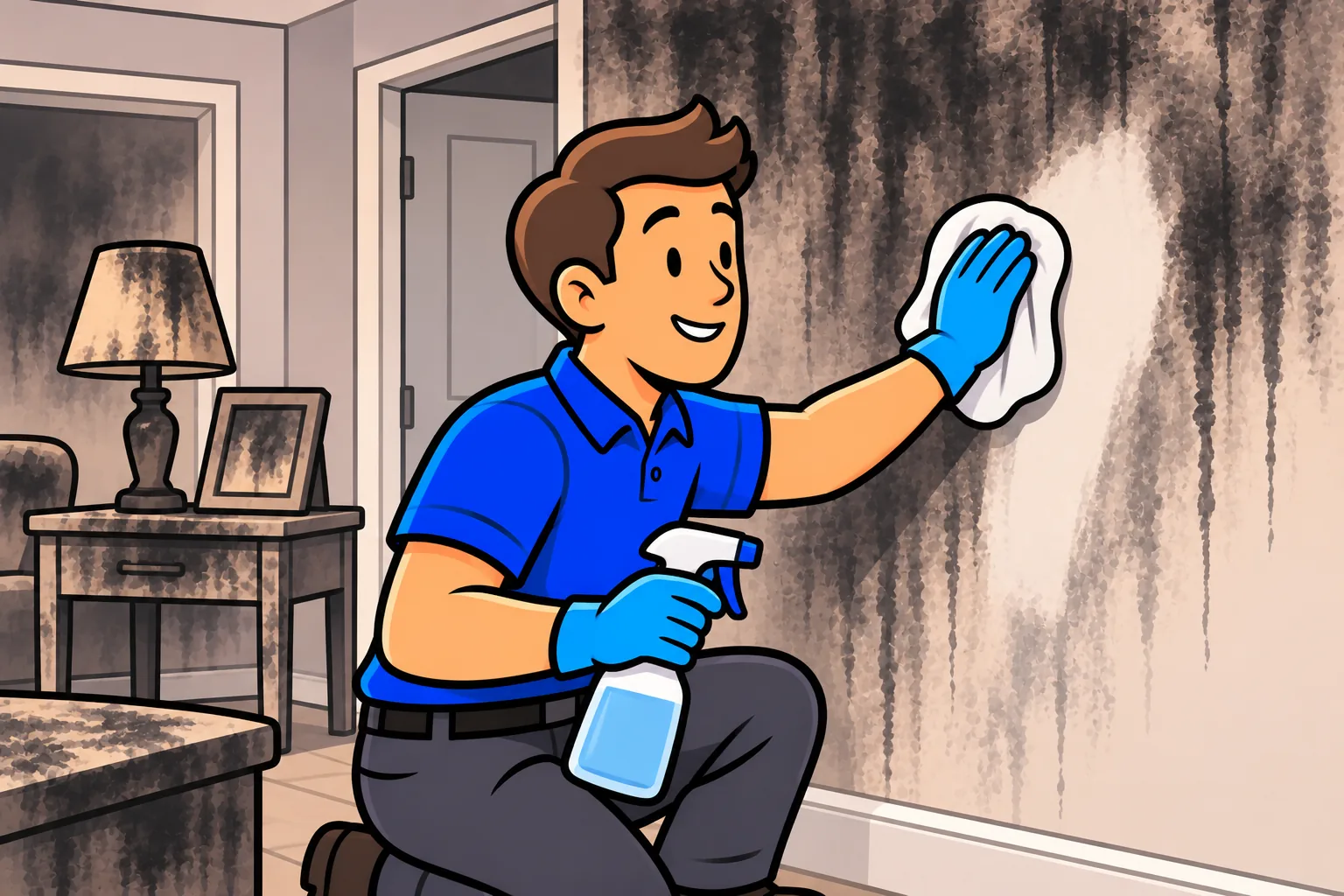
Fire & Smoke Cleanup
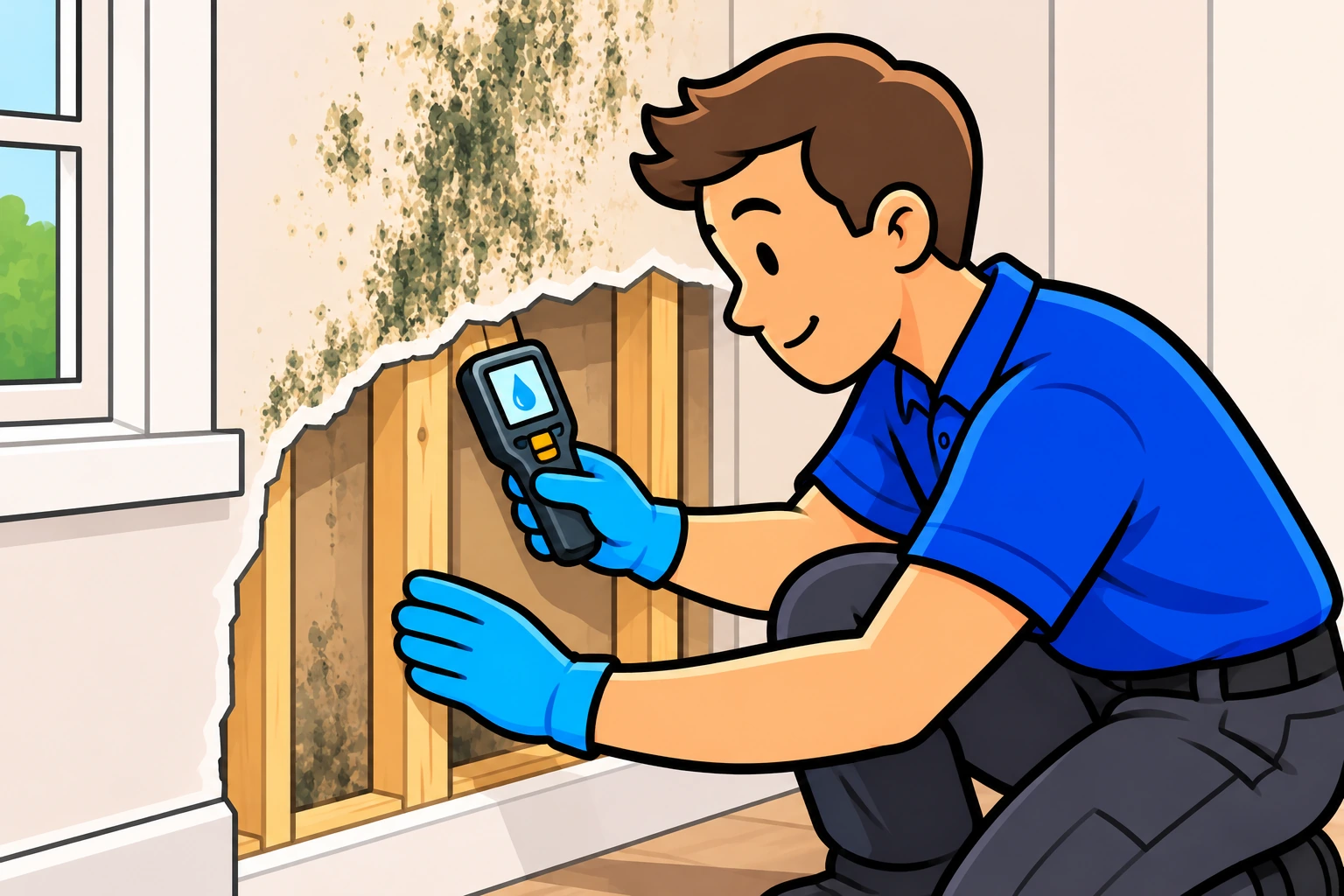
Mold Inspection & Remediation
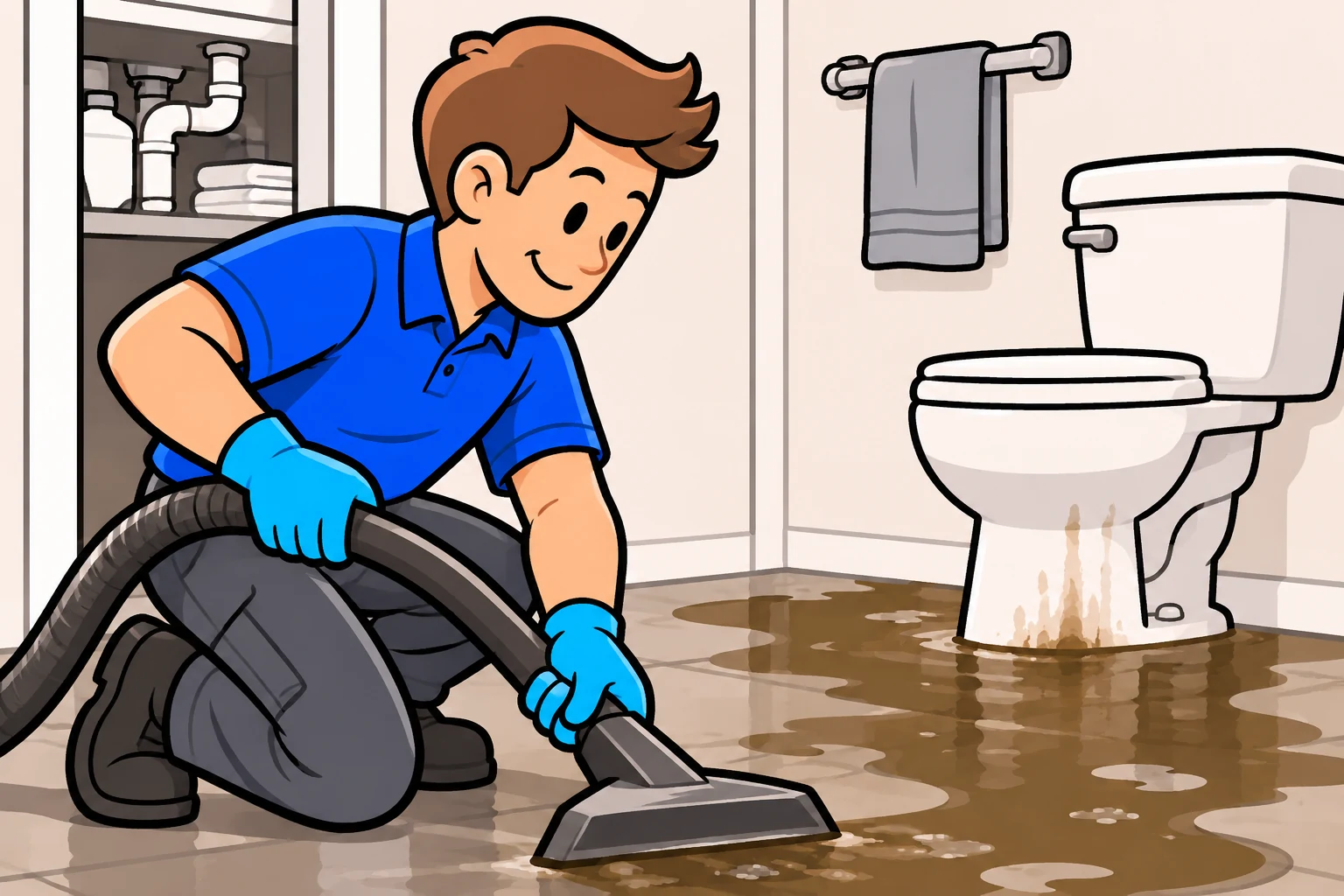
Sewage & Contamination Cleanup
Inspection & Documentation
Establish the affected areaConnect the reported incident with the materials and rooms involved. Observations and photographs give the proposed work a clear basis and identify questions requiring further access or assessment.
Cleanup & Material Decisions
Match the method to the lossWater, smoke residue, mold and sewage involve different handling decisions. Review what can be cleaned or dried, what may need removal and how unaffected spaces will be separated from the work.
Repairs & Reconstruction
Plan the next phaseAfter mitigation, review remaining source repairs and rebuilding. A clear handoff distinguishes completed operations from proposed work, material choices and approvals still outstanding.
Garden City Service AreaGarden City Coverage from the Greenbelt to Local Workspaces
Our Garden City coverage includes riverfront homes and shared buildings near the Greenbelt, older residential properties and commercial spaces along Chinden Boulevard and Glenwood Street.
Provide the address and unit or business name, with instructions for entry and safe equipment access. Mention a manufactured home or an affected adjoining unit so those access needs can be discussed.
The address lookup helps identify the property. Confirm current inspection or mitigation arrangements when calling, especially if tenant, manager or business-owner permissions are needed.

Talk Through the Next StepDiscuss Your Garden City Property
Call (208) 999-2353 to discuss a free inspection. Describe the building type, affected rooms and current source conditions, and have the owner or authorized manager contact ready.
Call (208) 999-2353Client ReviewsWhat People Say About Us
Disaster Cleanup is 5-Star Rated on Google


Frequently Asked Questions
Do you clean up water damage beneath manufactured homes?
Yes. Our Garden City services include work involving wet underside insulation, subfloors and framing. Explain the home type and observed damage so access and material handling can be assessed before the proposed drying or removal work is agreed.
Can you inspect a leak affecting more than one unit?
Yes. We work with landlords and property managers on shared-building losses. Identify affected units and common areas, and arrange authorized entry so the inspection can follow the damage beyond the first reported room.
Can business cleanup be arranged around operating hours?
Discuss the affected space and operating needs when calling. After-hours or phased arrangements can be considered against safety, access and the work scope. Inspection is needed before deciding which areas can remain usable.
Is Disaster Cleanup based in Garden City?
Yes. Garden City is our business base. Give the actual affected property address when requesting service; location information helps organize access but does not establish a guaranteed arrival time.
Are inspections free and calls answered overnight?
We offer free inspections and live phone answering 24/7. Call (208) 999-2353 with the incident details and access information to discuss current arrangements. Emergency services remain the first call for immediate danger.
What should I report about recurring crawl-space moisture?
Describe when the dampness or odor returns, known leaks and earlier repairs or drying. Inspection should consider the moisture source and affected materials. Any testing should answer a defined question about the proposed work.
Can cleanup and reconstruction be coordinated?
Our local services include cleanup and repairs. Review what is included in mitigation, what source work is separate and which reconstruction decisions remain before replacement materials are installed.
What records help an owner or insurance adjuster?
Keep photos labeled by room or unit, discovery dates, source information and agreed scopes or changes. Your insurer decides coverage and claim requirements; the restoration record explains the observed damage and work.