
Star, IdahoDisaster Cleanup Services in Star, Idaho
A new home can still have a damaging leak, and older acreage brings its own cleanup questions. Disaster Cleanup offers free inspections in Star and answers calls 24/7.
Schedule a Free Inspection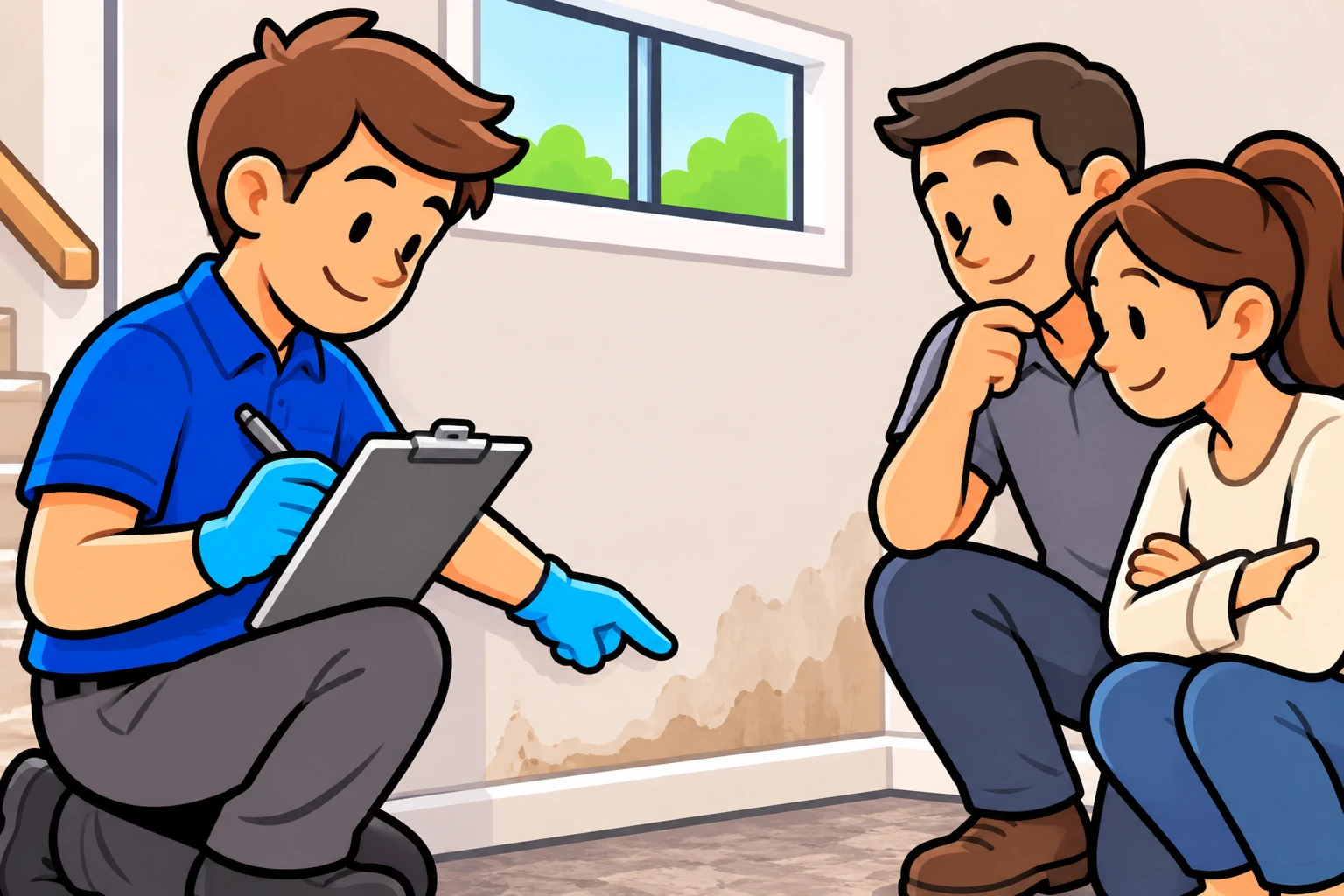
Find out how fast you can get service from your location

Local Restoration HelpCleanup That Follows the Damage, Not the Age of the Home
Star combines subdivisions around Highway 44 with older homes and acreage near the Boise River. A kitchen supply leak, wet crawl space or smoke event should be assessed according to the materials and rooms affected.
For a recently built home, keep purchase, plumbing and builder records available. Observations and photographs can support a discussion with the builder without establishing warranty or insurance coverage.
Small Leaks Can Affect More Than One Finish
A refrigerator line or upstairs shower can wet subflooring, ceilings and wall cavities before the full extent is visible. Report the first signs and any automatic shutoff alert.
Recurring crawl-space dampness or musty odors deserve attention after the immediate source appears resolved. Explain irrigation timing and earlier repair work to help frame the inspection.
- Swollen kitchen flooring near appliance lines.
- Ceiling marks below an upstairs bathroom.
- A leak-sensor alert or automatic shutoff event.
- Persistent crawl-space moisture.
- Smoke residue after a field or structure fire.
What Happens After You Call in Star
Tell us the address, affected floors and what is known about the source. Include any leak-sensor alert without treating the alert alone as a diagnosis.
- Describe visible water, residue or contamination and whether the source remains active.
- Give the affected address and an authorized contact.
- Explain whether the source is still active.
- Arrange entry with the authorized owner or manager and identify occupied rooms or restricted areas.
- Coordinate entry with the owner or property manager.
- Identify rooms or buildings that cannot be entered safely.
- Review findings, proposed material handling and any questions requiring builder or plumbing input.
- Ask what is included and which items need further assessment.
- Keep source repairs separate from building restoration.
- Coordinate the agreed cleanup while keeping containment and drying equipment undisturbed.
- Respect containment and restricted work areas.
- Ask before moving drying equipment or affected contents.
- Retain the findings and scope so repair responsibilities and the next checkpoint are clear.
- Retain the agreed scope and any changes.
- Confirm the next decision and who is responsible.
Star Incidents and Property Details to Discuss
Appliance Connections
Refrigerator, washer and water-heater connections can leak in newer as well as older homes. Identify the appliance and adjoining damage.
Upper-Floor Plumbing
A shower or bathroom leak may affect the ceiling and finishes below. Note all visible locations without opening the assembly yourself.
Irrigation and Crawl Spaces
Former agricultural ground still includes irrigation features. Report seasonal moisture and actual entry observations rather than assuming a confirmed source.
Cold-Weather Exposure
Supply lines in exterior walls, garages and outdoor fittings can be vulnerable during freezing weather. Share the known repair status.
Sewer or Septic Backups
Describe an observed drain backup and keep people away from affected water. A source trade may be needed alongside building cleanup.
Smoke from Nearby Fires
Grass or structure fires can leave residue and odor without direct flame damage. Identify the exposed rooms and contents.
First Safety Steps Before Cleanup
Keep people away from wet electrical equipment, unstable construction and contaminated areas. An inspection should not require entering a dangerous room to collect photographs or identify a hidden source.
For an older building, discuss suspect materials before sanding, cutting or removing finishes. Record the incident from a safe location and keep any existing inspection or source-repair information available.
- Leave and contact emergency services for an active fire, suspected gas leak or immediate danger.
- Do not enter standing water near electrical equipment or operate wet electrical controls.
- Stop a known water source only when its shutoff can be reached safely.
- Keep children, pets and visitors outside damaged or restricted work areas.
- Avoid disturbing soot, suspected mold or sewage-contaminated materials, and do not mix cleaning chemicals.
- Retain safe photographs, discovery dates and repair records while arranging an inspection.
From Inspection to a Defined Restoration Handoff
1. Record the Incident
Capture discovery dates, sensor alerts and the affected rooms or floors.
2. Assess Accessible Materials
Inspect the spread through flooring, walls, ceilings and reachable concealed spaces.
3. Set a Defined Scope
Discuss what will be cleaned, dried or considered for removal and what needs further assessment.
4. Coordinate Mitigation
Carry out the agreed work alongside separately arranged source repairs.
5. Explain Progress
Review moisture and cleanup findings instead of relying on a fixed completion promise.
6. Prepare the Repair Record
Keep the final scope and outstanding decisions available for the owner, builder or insurer discussion.
Useful Records for a New or Established Star Home
New construction does not rule out an appliance or plumbing failure. The proposed cleanup should connect the observed damage with the materials involved rather than presume a builder defect.
Where a builder or insurer is involved, keep their decisions separate from restoration findings. Coverage and warranty terms are determined by the responsible party, not by the presence of moisture readings.
What Affects the Work Schedule?
Affected materials, concealed moisture, contamination and repair needs determine the sequence. Access and separate trade responsibilities also matter. Ask what the next drying or cleanup checkpoint will establish before replacement finishes or reconstruction proceed.
Keep a Clear Record for Your Insurance Discussion
Retain safe photographs, discovery dates, source-repair information and the agreed work scope. Record changes as findings develop. Your insurer confirms coverage, deductibles and claim requirements; cleanup documentation describes the observed damage and work performed.
An Active Loss or a Planned Inspection?
An active leak or contaminated overflow requires safe source coordination. Call around the clock to describe the incident and discuss the next available response.
For a lingering odor, stain or damp crawl space, arrange a free inspection and provide the repair history. Do not re-open a known leaking line merely to demonstrate the problem.
Information to Have Ready
- The address and specific rooms or structures affected.
- Whether the source is active or has already been repaired.
- Any current access, electrical or contamination concerns.
- The person authorized to coordinate entry and proposed work.
Restoration ServicesStar Water, Smoke, Mold and Sewage Cleanup
Match water extraction and drying, smoke cleaning, mold remediation or contamination cleanup to the actual loss. Review rebuilding needs after the mitigation findings are clear.
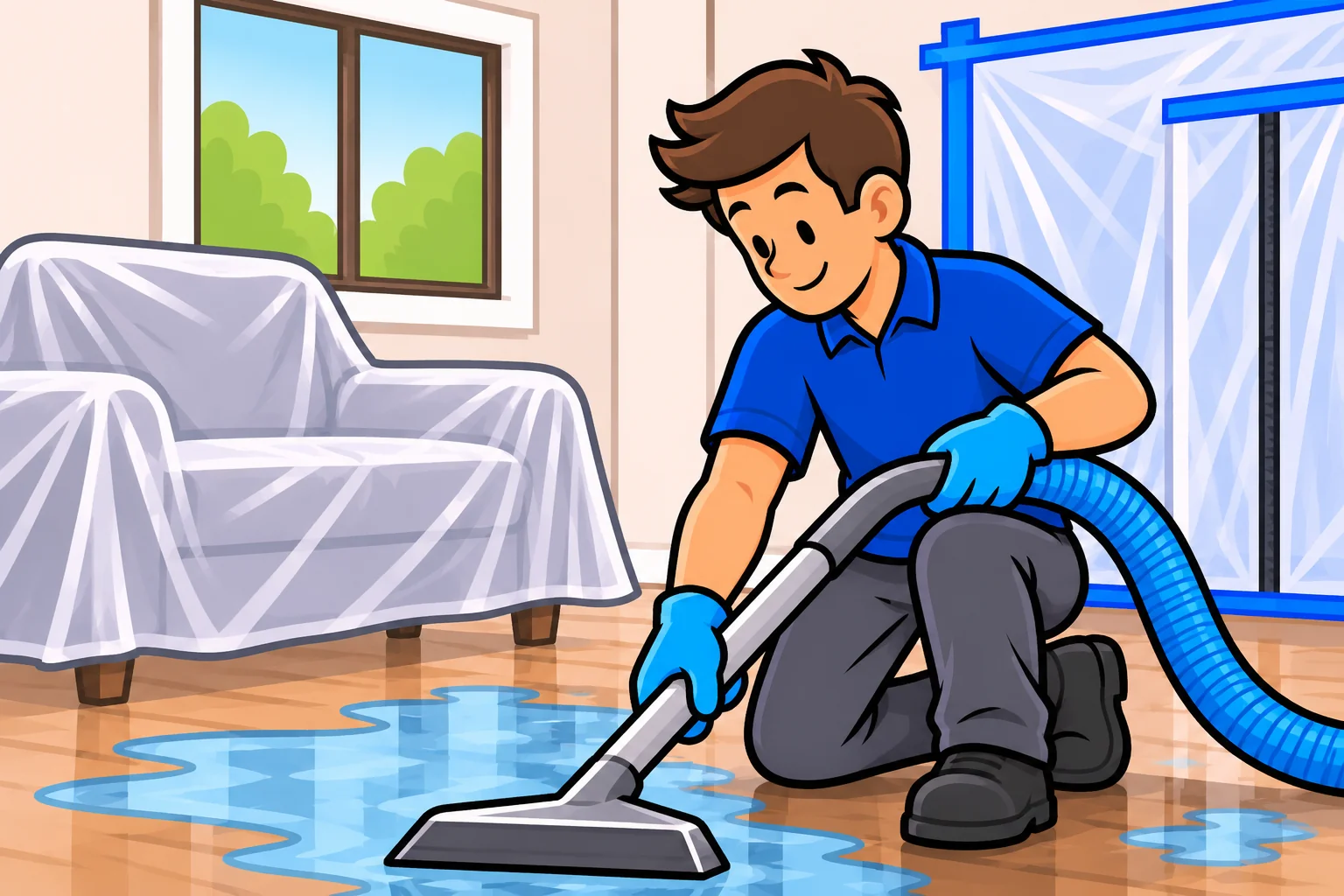
Water Removal & Structural Drying
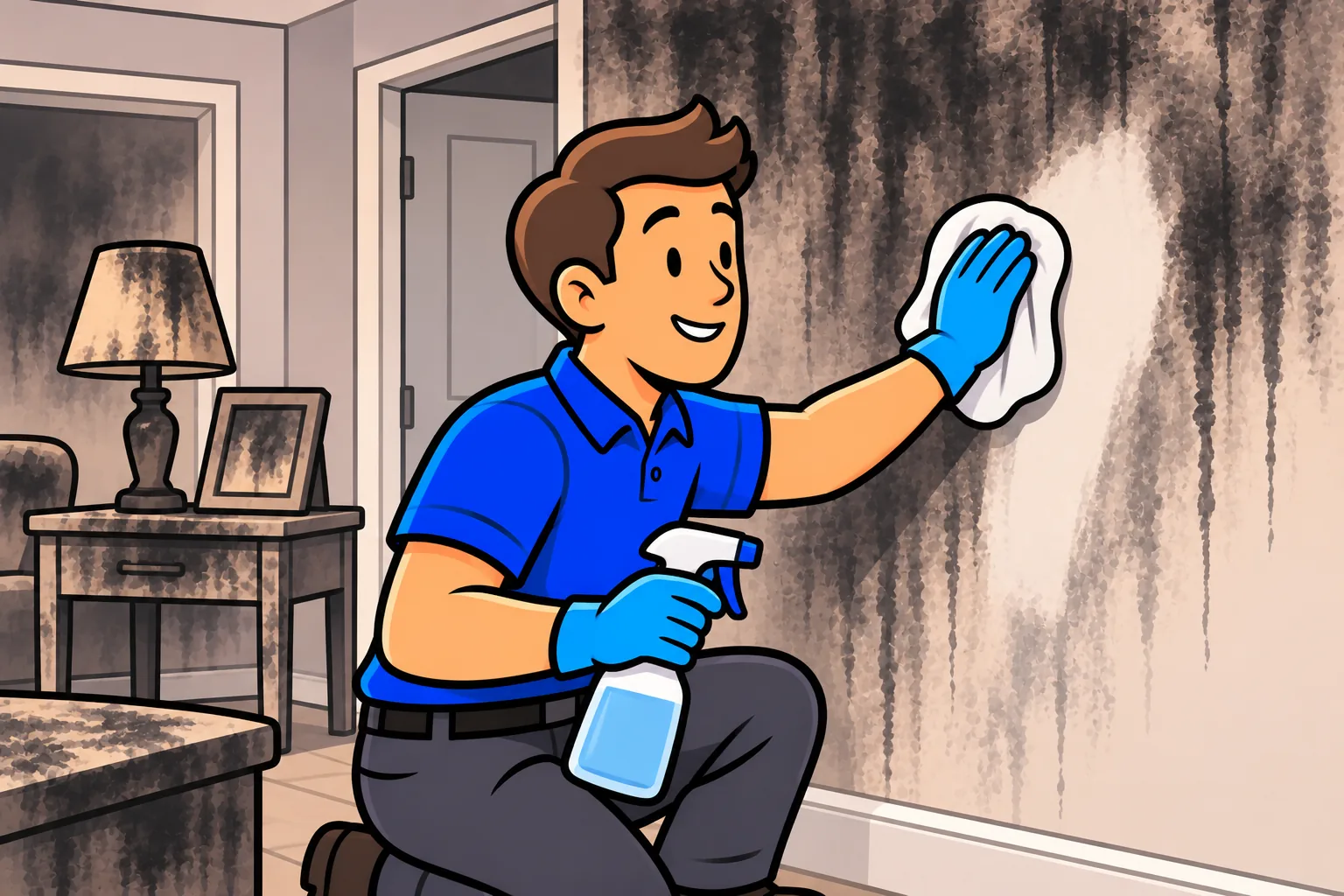
Fire & Smoke Cleanup
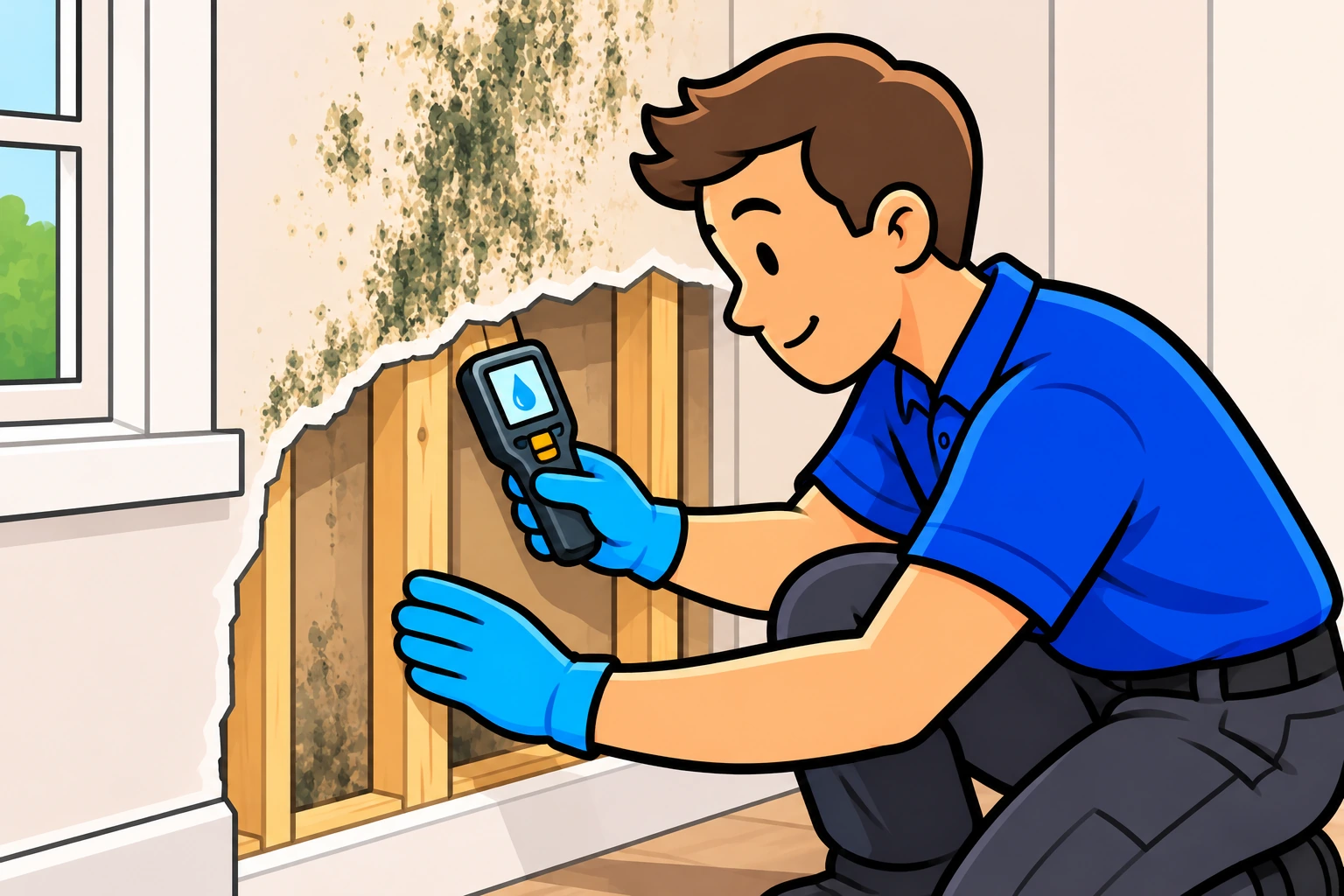
Mold Inspection & Remediation
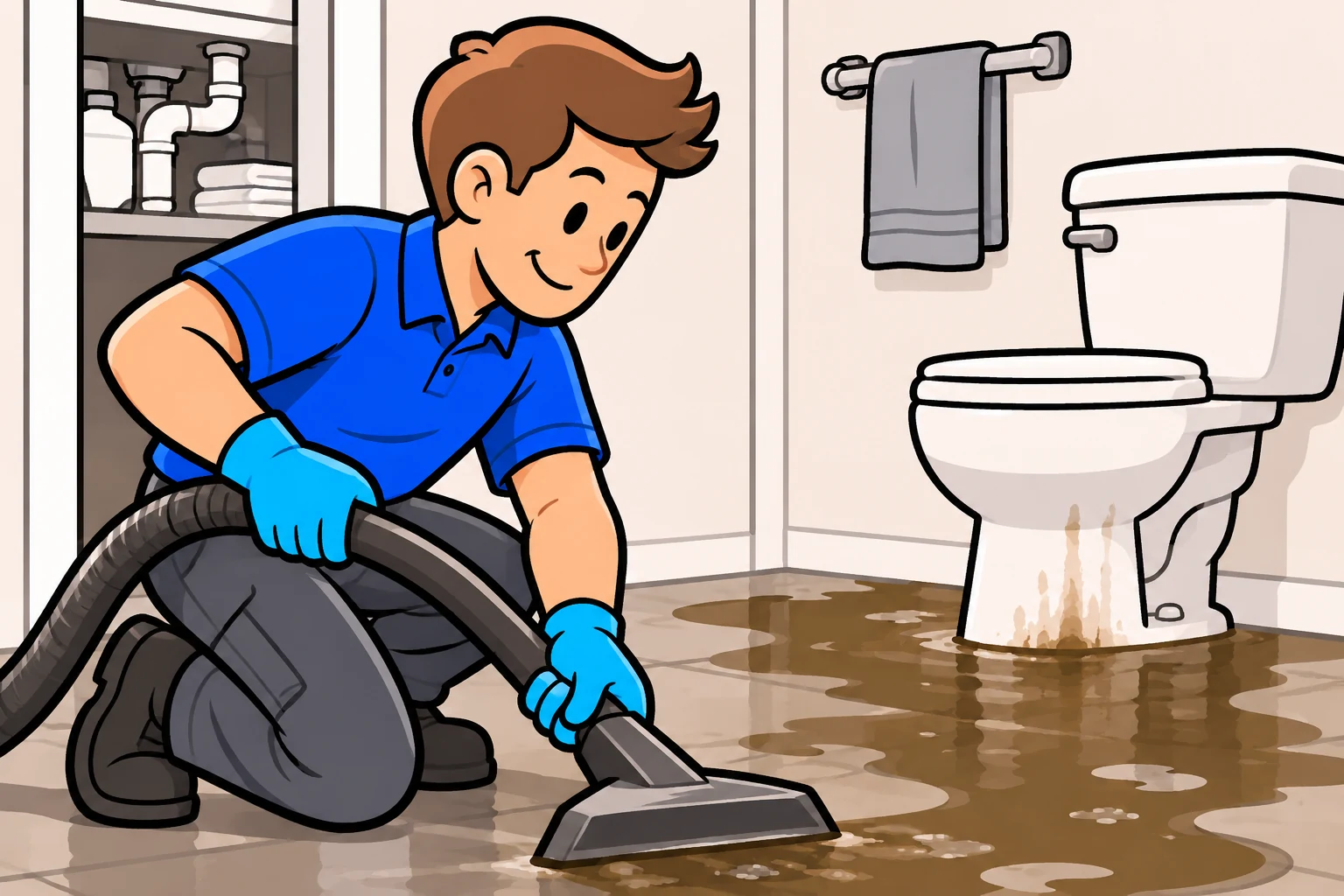
Sewage & Contamination Cleanup
Inspection & Documentation
Establish the affected areaConnect the reported incident with the materials and rooms involved. Observations and photographs give the proposed work a clear basis and identify questions requiring further access or assessment.
Cleanup & Material Decisions
Match the method to the lossWater, smoke residue, mold and sewage involve different handling decisions. Review what can be cleaned or dried, what may need removal and how unaffected spaces will be separated from the work.
Repairs & Reconstruction
Plan the next phaseAfter mitigation, review remaining source repairs and rebuilding. A clear handoff distinguishes completed operations from proposed work, material choices and approvals still outstanding.
Star Service AreaLocal Setting Is Context, Not a Diagnosis
The Boise River lies along the south side of Star, and irrigation features remain around growing neighborhoods. Report what happened at the property rather than assuming river or canal proximity explains it.
Older acreage and recent subdivisions can involve different utility systems and access. Identify detached buildings, occupied rooms and known shutoffs when discussing the work.

Talk Through the Next StepTalk Through Your Star Cleanup Needs
Call for a free inspection with the address, source status and affected rooms. Keep sensor alerts, repair invoices and builder correspondence ready if relevant.
Call (208) 999-2353Client ReviewsWhat People Say About Us
Disaster Cleanup is 5-Star Rated on Google


Frequently Asked Questions
Can a newly built Star home need water damage restoration?
Yes. Appliance connections, plumbing and irrigation-related leaks can affect newer homes. The inspection should establish the affected materials and known source rather than assume the cause.
What should I do with a leak-sensor alert?
Record the alert and any visible damage. Do not reopen a known leaking line to test it; arrange safe source assessment and provide the alert information when you call.
Will moisture findings prove builder warranty coverage?
No. Findings and photographs document observed conditions. The builder determines warranty responsibilities under the applicable terms.
Can an upstairs shower leak affect another floor?
Water may reach ceiling, wall and floor assemblies below the bathroom. Describe all visible stains or changes without opening wet finishes yourself.
Does living near the Boise River prove the source?
No. Share the timing and observed entry point, along with any irrigation or drainage history. The actual cause needs assessment.
Do you handle both sewer and septic contamination?
Sewage cleanup is available. Identify the system and whether the backup is active so the building work can be coordinated with the appropriate source-repair trade.
Can smoke cleanup be needed when the home did not burn?
Yes. Residue and odor may affect rooms or contents beyond the flame-damaged area. Describe the exposure so the proposed work can be assessed.
How can I arrange a Star inspection?
Call Disaster Cleanup with the address and current conditions. Calls are answered 24/7 and free inspections are available; discuss scheduling rather than assuming a fixed arrival time.