
Boise, IdahoSewage Cleanup
Disaster Cleanup provides sewage cleanup in Boise and the Treasure Valley for drain backups, contaminated overflows and affected building materials. Keep people and pets out, stop adding water to a suspected backed-up system where appropriate and do not enter water near electricity. The cleanup plan must consider the source, contamination and affected layers, not just remove a visible pool and leave the room to look dry.
Schedule a Free Inspection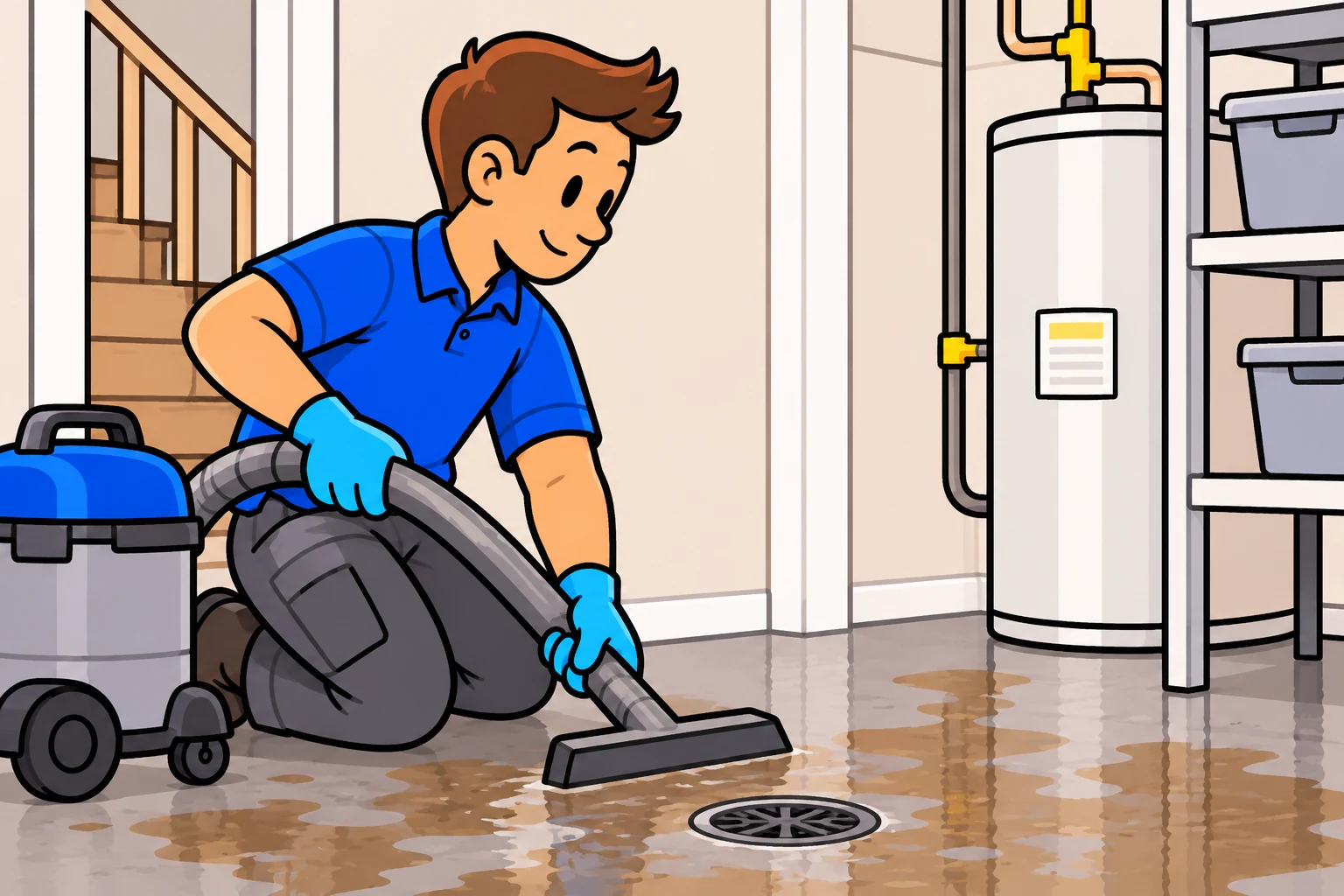
Find out how fast you can get service from your location
CONTAMINATED WATER AND MATERIAL RESTORATIONSewage Cleanup in Boise
Sewage water can reach seams, floor coverings and wall bases beyond the point where it first appeared. The source history and construction determine which materials can be cleaned and which need removal or further access. We discuss extraction, contaminated material decisions, cleaning, drying and repairs as connected stages while keeping the underlying drain or septic repair distinguishable from restoration of the building.
A backup's route can matter as much as its depth. Water may pass beneath a finish or reach a room adjoining the first fixture before it is discovered. Tell us what was noticed first, whether the system was used again and what cleaning was attempted. Those details help define assessment without an owner stepping into the area to trace the route or moving contaminated belongings through dry rooms.
When to Discuss Sewage Cleanup
These observations warrant a source and cleanup discussion, not a household test of how far the water spread. Keep clear of the affected area and identify what can be seen safely. Explain earlier backups and any drain work so the current event is considered in its actual context.
- Wastewater backing up through a low drain
- A toilet overflow involving contaminated water
- Sewage reaching carpet or other absorbent finishes
- Water spreading beneath cabinets or wall bases
- A basement backup near mechanical equipment
- Recurring wastewater after an earlier drain problem
What Happens After You Call
The call establishes the backup history, safe-access concerns and source-control arrangements. We then discuss affected materials and the sequence from removal through cleaning, drying and restoration, rather than treat water extraction as the whole project.
- Explain the likely source, affected rooms and whether wastewater is still arriving.
- The drain, sewer or septic cause may require a plumber, utility or other appropriate professional.
- The work boundary considers water movement and the construction of floors, walls and belongings.
- We discuss retention, controlled handling and the sequence needed for affected materials.
- Understand what has been addressed, which source repairs remain and how removed finishes can be restored.
Common Situations We Assess
A blocked building drain
A restriction can send wastewater back through a low fixture or opening. Source correction and cleanup are different tasks, and a floor that was wiped before another backup may still need assessment. Explain the sequence rather than repeatedly testing the drain with more water. A temporary apparent improvement in drainage does not establish that the underlying restriction is repaired.
Sewer-line problems
A damaged or obstructed line can affect more than the fixture where wastewater appeared. Appropriate investigation and repair of the line need coordination with restoration. Cleaning inside the building does not establish the condition of the underground system. The source professional's findings can help explain what changed and what still needs attention.
Contaminated toilet overflows
An overflow's history matters more than whether the water looks clear after spreading. Nearby porous materials and lower wall interfaces can require different decisions from smooth surfaces. Do not assume a small visible spill means only the tile directly beside the toilet was affected. Contamination history matters even when water spreads onto otherwise smooth bathroom flooring.
Septic-related backup
Rural properties may have source and access questions involving a septic system. The appropriate source professional should address the failure mechanism. Cleanup planning focuses on the affected building and should not be treated as a septic-system repair or a guarantee against recurrence. A building cleanup proposal should state its boundary rather than imply it services the entire septic installation.
Wastewater in a finished basement
Wall finishes, carpet, stored belongings and mechanical equipment can be involved in one low area. Safe access and the route of the water guide assessment, while concealed layers may require additional access even after the visible water is removed. Do not enter to retrieve storage items or inspect energized mechanical equipment.
Repeated backup or delayed discovery
Earlier events and cleaning attempts can change the area requiring consideration. Tell us when the condition was first noticed, whether it recurred and what material was moved. That history is more useful than assuming the last visible puddle represents the entire loss. Share earlier cleaning and movement of belongings without undertaking another cleanup to establish the extent.
What to Do First: Safety and Preparation
Stay out of affected water and do not use a household vacuum, mop or fan to spread it through the space. Avoid using fixtures that could add water to a backed-up system. Do not enter to unplug equipment or reach a breaker. For immediate electrical, structural or medical danger, obtain the appropriate emergency assistance before arranging property cleanup.
If the water has receded, do not assume the floor or nearby belongings are ready for ordinary use. Residue and moisture can remain in affected layers. Keep routine traffic out and describe any items already moved so the assessment can consider that history rather than focus only on the original visible pool.
- Keep children, pets and unnecessary traffic out.
- Do not use domestic vacuums or household fans.
- Avoid adding water to a suspected backed-up system.
- Report electrical concerns without entering the water.
Our Sewage Cleanup Process
1. Review hazards and the ongoing source
We discuss affected water, access and any immediate restrictions. The source may need a separate repair or utility response before ordinary building cleanup can proceed; owners should not enter contaminated water to establish those details. Describe whether wastewater is still entering and which fixtures were involved without approaching the water.
2. Define affected materials and movement
Assessment considers visible water routes, accessible layers and any belongings already moved. The work boundary should reflect actual contamination questions rather than stop automatically at the room where the backup began. Known traffic or moved contents can create additional questions beyond the first visible affected room.
3. Remove contaminated water and necessary materials
Extraction and material decisions follow the source and site condition. Porous finishes may require removal, while other components need a suitable evaluation. The proposal should explain what is being discarded and why rather than promise universal retention. The owner should understand retention and removal decisions before repair or contents expectations are set.
4. Clean appropriate remaining surfaces
Cleaning and treatment need to fit the material and agreed scope, with controlled movement of debris. A visible stain change or added fragrance is not a substitute for addressing contamination in accessible affected surfaces and interfaces. Movement through shared areas needs consideration as well as the contaminated surfaces in the source room.
5. Dry the affected assembly
Moisture remaining after cleanup still needs consideration. Drying access and progress should inform the next decision; a fixed equipment period does not by itself establish that every layer is ready for rebuilding. Moisture evaluation should relate to the retained assembly and accessible layers, not just the exposed face.
6. Review source repairs and restoration
Discuss the completed work, retained material decisions and any remaining plumbing or system correction. Replacement flooring, drywall or other finishes should follow the agreed cleanup and drying handoff rather than cover an unresolved backup problem. Clarify what the next trade needs to know and which source or system questions remain unresolved.
Why Choose Disaster Cleanup
Sewage restoration needs both contamination and moisture planning. Disaster Cleanup provides related water, mold and reconstruction services so those questions can be discussed together. The practical benefit is an understandable sequence, not a blanket assurance that every item can be saved or that an interior cleanup automatically corrects the drain or septic condition that caused it.
A clear scope should explain the difference between a cleanable hard surface and an absorbent assembly that may require removal or access. It should also state what the next repair stage assumes about the source. Ask which plumbing tasks are separate and how the cleanup condition will be discussed before replacement finishes are installed. This keeps the work understandable without a universal salvage promise or a claim that a deodorized room resolves the whole event.
What Affects the Project Schedule?
The amount and movement of water, contamination, material construction, safe access and separate source repairs influence the sequence. Some projects need removal and rebuilding as well as cleaning and drying. Confirm current arrangements directly instead of relying on a universal arrival promise or assuming that extraction completes the whole job.
Insurance and Project Documentation
Sewer backup, septic-related events, outside flooding and a sudden interior leak can have different coverage treatment. Ask the insurer about the actual source and any applicable endorsement, authorization or exclusion. Keep the cleanup and source-repair records; an estimate or inspection does not establish that every material replacement or system repair is covered.
Keep traffic out and avoid adding to the backup
Do not use affected fixtures to test whether the drain has cleared, and keep people and pets away from contaminated water. Describe the location and known source from safety. Immediate electrical or structural danger needs appropriate urgent assistance; the owner should not be asked to wade in or start household cleanup before contacting the team.
If booking for a managed building, identify the authorized contact and any shared access routes. Useful preparation is keeping the source history and repair contact available, not mopping the area or relocating contaminated items so the room appears ready.
Information That Helps Define the Next Step
- Wastewater backing up through a low drain
- A toilet overflow involving contaminated water
- Sewage reaching carpet or other absorbent finishes
- Water spreading beneath cabinets or wall bases
Sewage CleanupAssessment, Work Planning and Restoration
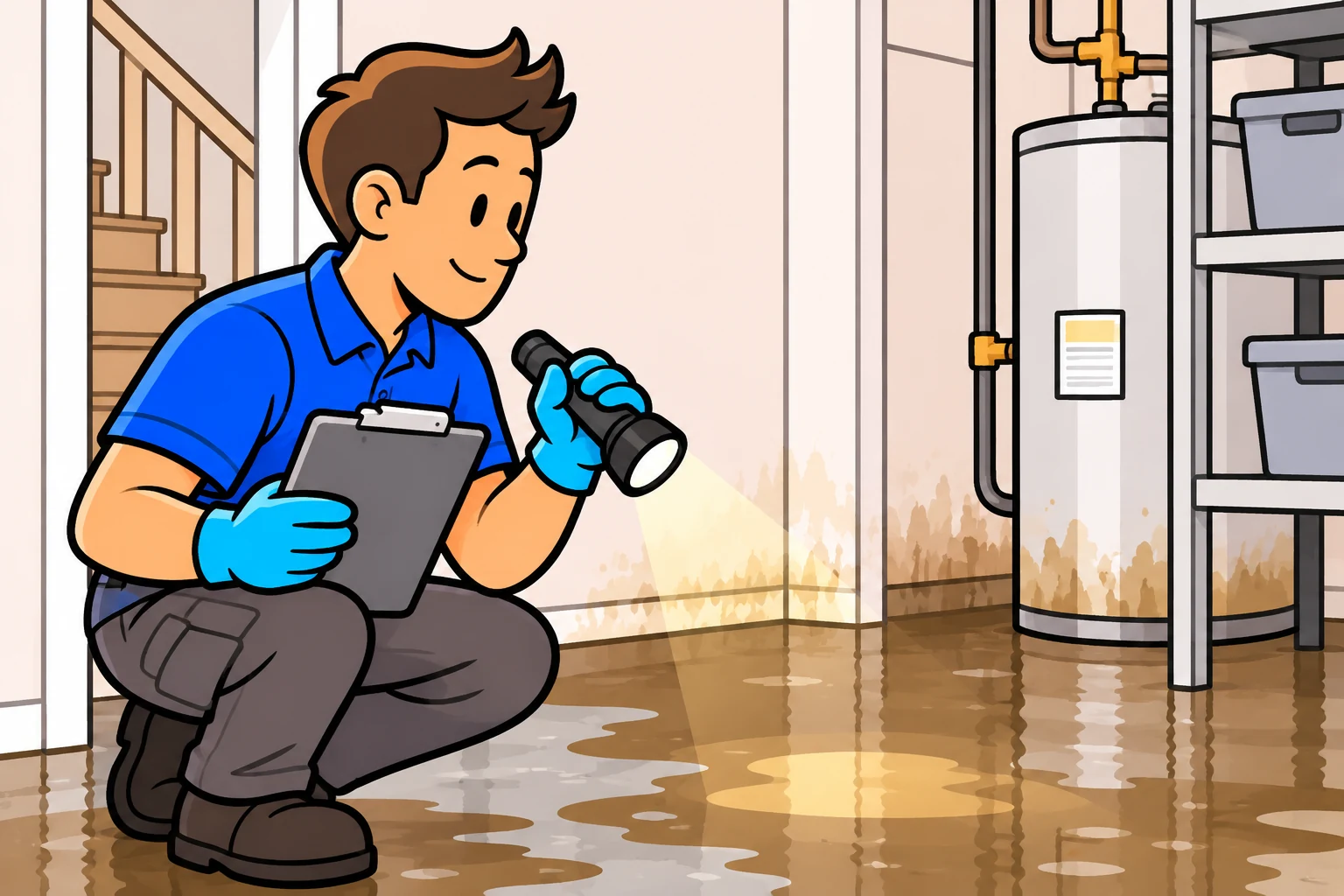
The illustrations show contaminated-water removal, material assessment and related restoration topics. They are not instructions to enter sewage or evidence that every affected room can receive the same treatment. Source history, absorbent layers and safe access guide the proposed work. Discuss the actual surfaces and belongings so extraction connects to appropriate cleaning, drying and repair decisions rather than become an isolated pickup followed by a return to normal use without assessment.
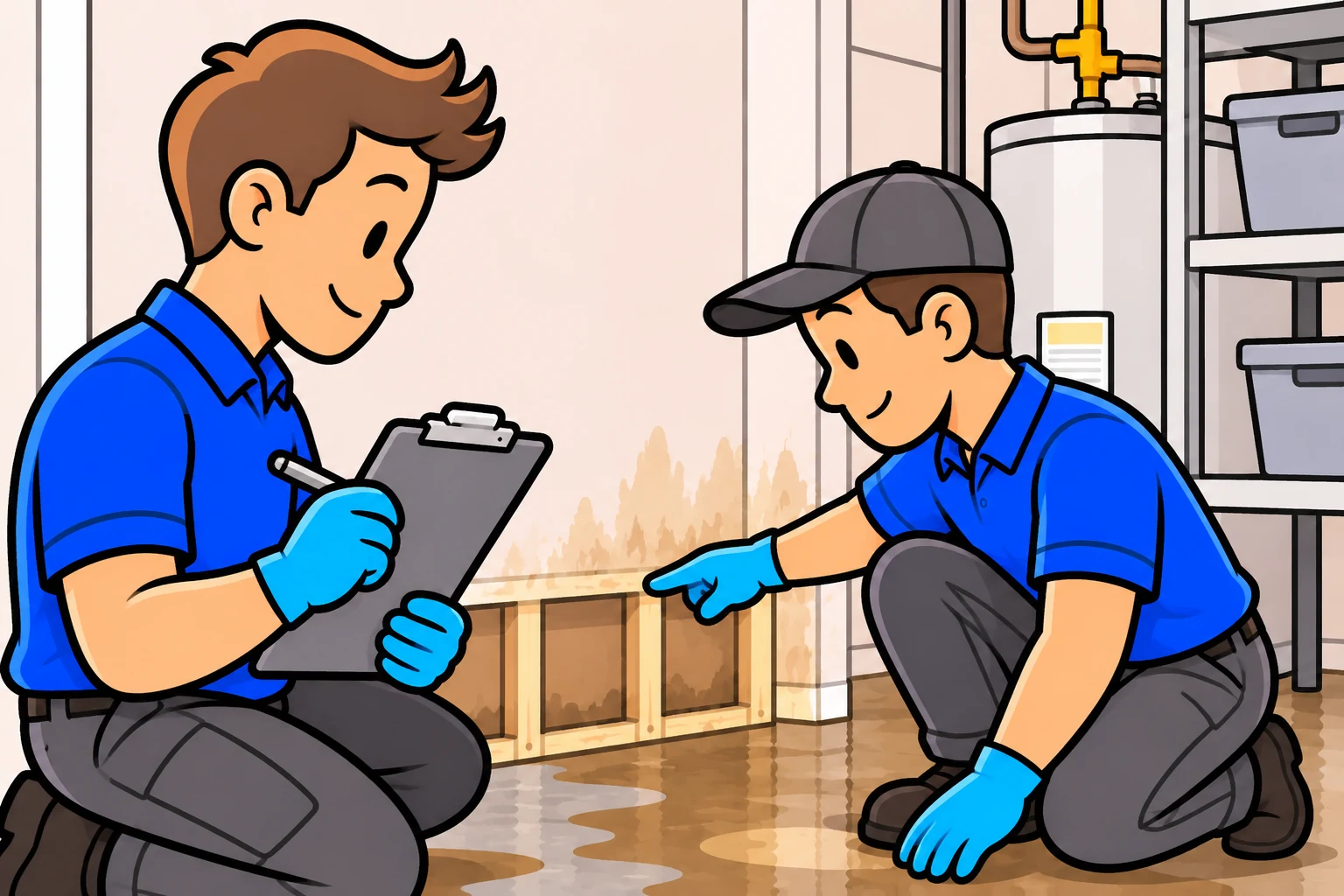
Assessing a contaminated-water event

Planning extraction and material removal
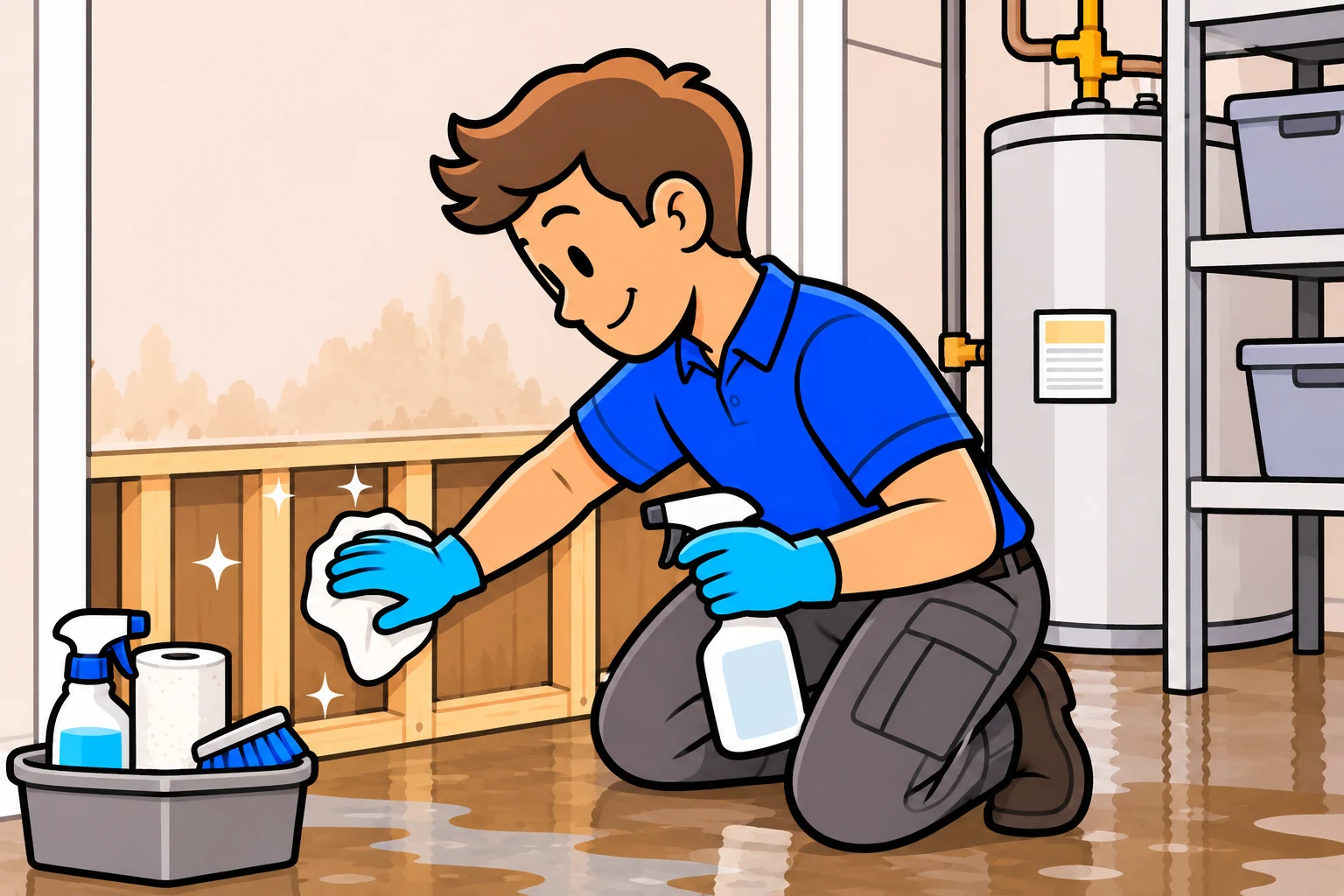
Cleaning retained building surfaces

Coordinating drying and restoration
Source history guides handling
Define the workA sewage or drain event should not be treated as an ordinary clear-water spill based only on appearance.
Contamination and drying are separate needs
Match the site conditionsRemoving wastewater does not establish that retained materials are clean or that underlying layers are dry.
Cleanup connected to the repair
Plan the next stageThe handoff should distinguish building restoration from the plumbing or septic correction still needed to address the cause.
Serving Boise and the Treasure ValleySewage Cleanup in Boise and Nearby Communities
Sewage cleanup is offered in Boise and the Treasure Valley service areas described on this website, including properties with different municipal or septic source questions. Provide the address and known history from a safe position. The local area does not determine the cause or appropriate treatment at a particular property; the actual backup, building condition and safe-access requirements guide the work discussion.
The existing service-area listings include Ada County, Boise, Caldwell, Canyon County, Eagle, Emmett, Garden City, Hidden Springs, Horseshoe Bend, Kuna, Marsing, Meridian, Middleton, Mountain Home, Nampa, Parma, Payette and Star. Call to discuss your address and access needs.
Discuss Your PropertyRequest a Free Inspection
Contact Disaster Cleanup to discuss a sewage or contaminated-water event after immediate dangers are appropriately addressed. Explain the source, affected rooms and any system repair already arranged. Keep people out and ask how removal, cleaning, drying and separate plumbing or septic work will be coordinated before assuming the property is ready for ordinary use.
Call (208) 999-2353Client ReviewsWhat People Say About Us
Disaster Cleanup is 5-Star Rated on Google


Frequently Asked Questions
Should I clean up a small sewage overflow myself?
Do not treat sewage as ordinary household water or use a domestic vacuum to remove it. Keep people and pets out and explain the affected materials from a safe location. A small visible pool can reach seams or absorbent layers that are not described by its surface size. The accessible outer surface may not represent pad, subfloor or other material reached beneath it.
Should I keep using sinks or toilets during a backup?
Avoid adding water to a suspected backed-up system while the source is being addressed. Do not repeatedly flush to test whether it has cleared. Explain the affected fixtures and follow the appropriate source professional's guidance rather than assuming that temporary drainage means the underlying problem is repaired. Tell the source professional about previous backups and recent drain work rather than recreate the event to show it.
Can contaminated carpet always be saved?
Retention depends on contamination, construction and condition. Absorbent carpet, pad and other layers may need removal, while other surfaces require different decisions. The scope should explain the actual boundary rather than promise that every wet item can be restored or that every nearby finish must go. A retained finish and a concealed layer can require different decisions within the same room.
Does cleanup include fixing the sewer line?
Building cleanup and source repair are different tasks. A plumber, utility or septic professional may need to address the cause. Ask which work is included and how it will be coordinated instead of assuming wastewater extraction establishes that the system can be used normally. Record what the source professional repaired so the restoration plan does not rely on an outstanding correction.
Why is drying needed after sewage removal?
Moisture can remain in an assembly after the visible wastewater is gone and surfaces have been cleaned. The retained layers need an appropriate moisture assessment and drying plan. Rebuilding should follow those decisions rather than rely only on the room looking dry. The material response and access should guide drying decisions, not merely the time equipment was running.
Can a supply shutoff prevent a sewer backup?
A supply-control device does not stop every drain, sewer or exterior water pathway. Prevention systems and source maintenance need to match the actual problem. Discuss the cause separately instead of assuming one valve or sensor provides complete protection against another wastewater event. A detector, supply valve and a sewer repair address different functions and should not be conflated.
What should I do with contaminated belongings?
Leave them in place rather than carrying them through clean rooms to prepare. Explain which items matter and who can authorize cleaning or disposal decisions. Material type and contamination affect options, and contents decisions should remain understandable within the scope. Important items should be identified to the authorized contact before they are treated as ordinary removal debris.
Is sewage cleanup automatically covered by insurance?
No. The policy may distinguish sewer backup, seepage, outside flood and other sources, sometimes with separate coverage provisions. Ask the insurer about your event and retain source and work records. An inspection or urgent cleanup request is not a guarantee of coverage or payment. Keep source correction and building restoration costs clear so each can be reviewed appropriately.