
Boise, IdahoDisaster Cleanup & Restoration in Boise
Water spreading across a floor, smoke residue after a fire or an unexplained musty smell needs a clear next step. Get help assessing the damage, limiting further loss and planning cleanup and repairs for your Boise property.
Schedule a Free Inspection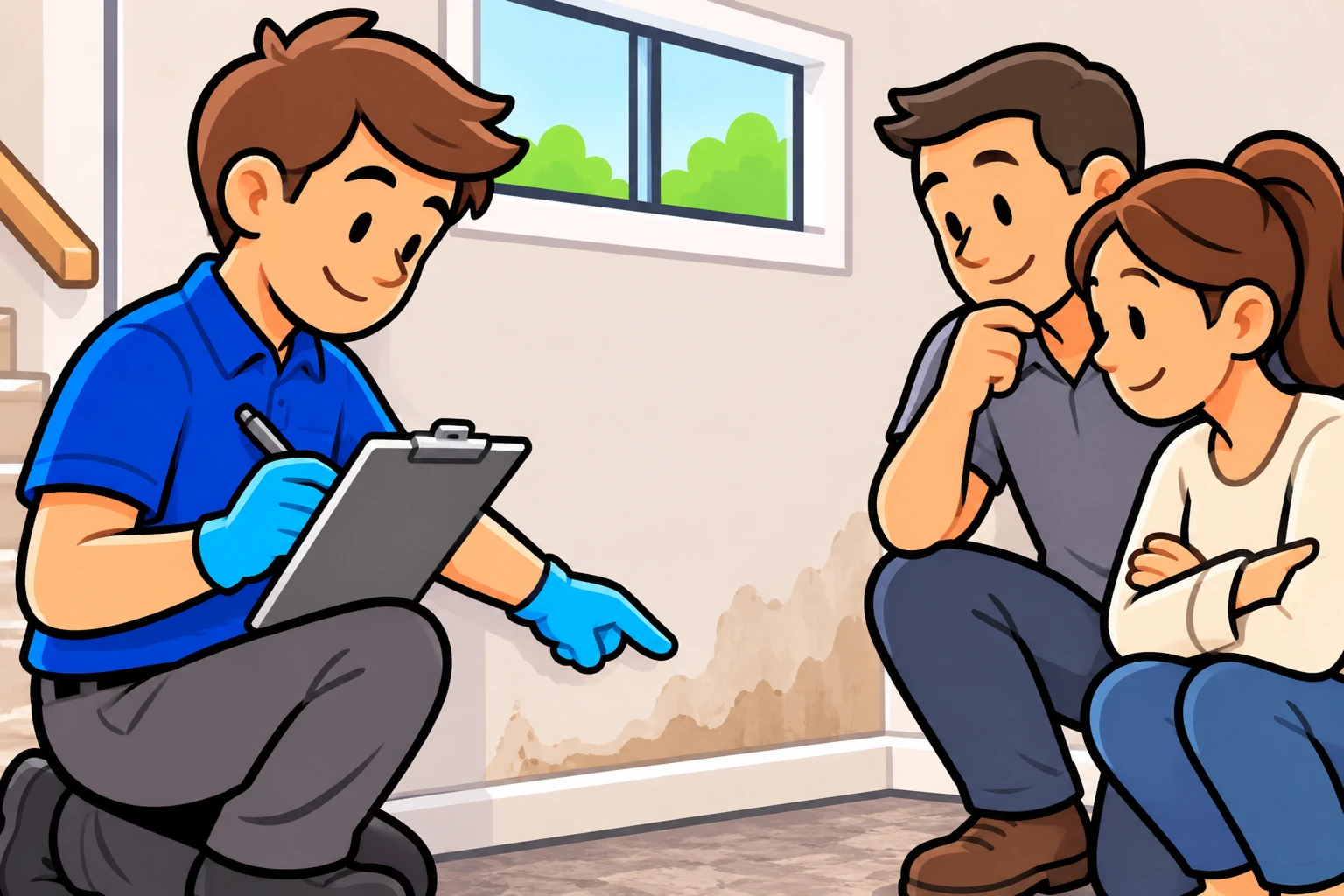
Find out how fast you can get service from your location

Local Restoration HelpA Practical Recovery Plan for Your Boise Property
Boise properties do not all need the same cleanup. A North End house with plaster walls, a Bench home with a crawl space and a downtown building with several occupants have different access, materials and repair priorities. We start with what happened at your property, then identify the affected rooms, hidden spaces and immediate safety concerns before recommending work.
Water extraction, structural drying, fire and smoke cleanup, mold remediation, sewage and biohazard cleanup each require a different approach. Clean supply-line water is not handled like sewage; soot on a finished wall is not simply painted over; and a musty odor calls for moisture investigation rather than an assumption about its cause. The goal is a scope that fits the conditions found, not a one-size-fits-all treatment.
Disaster Cleanup serves Boise from neighboring Garden City. Tell us whether you are arranging access to a home, rental, business or shared building, and whether occupants can safely remain in the affected area. We can discuss a free inspection, immediate mitigation needs and the information useful for your property manager or insurance adjuster.
When a Boise Property Needs a Closer Look
Visible damage is only part of an inspection. Water can follow wall cavities into another room or collect beneath a floor covering. Smoke residue may be present beyond the burned area, while lingering dampness can support mold growth after the initial leak appears to be over.
Write down when you first noticed the problem and what has changed. A stain, odor or meter reading is evidence to investigate, not proof of a particular source or of a health condition. If the building may be unsafe, leave first and report the hazard when calling.
- Standing water, a continuing leak or new wet patches after a supply-line or appliance failure.
- Swollen trim, lifting flooring, soft drywall or damp insulation that may conceal moisture.
- Soot deposits or smoke odor after a fire, including rooms not directly burned.
- Persistent musty odors or visible suspected mold near a leak, crawl space or poorly dried material.
- Sewage, drain backup or other contamination that should be isolated from people and pets.
- Broken windows, damaged doors or exposed openings that leave the property unsecured.
What Happens After You Call for Boise Cleanup
Tell us what happened, where the property is and whether anyone is in danger. These five steps explain how the conversation becomes a practical cleanup plan.
- Describe the source if known, affected rooms, when the damage started and any water, smoke or contamination still spreading. Mention electrical hazards, structural concerns and people who need assistance.
- Give the Boise street address and a safe callback number.
- Explain access restrictions or whether a property manager must approve entry.
For an active fire, immediate medical danger or a suspected gas leak, leave the area and contact emergency services first.
- Discuss current availability and safe access rather than relying on a fixed arrival promise. The inspection can focus on the source, damage boundaries, affected materials and whether emergency mitigation is needed.
- Arrange keys, entry instructions or building-management contact details.
- Mention a basement, crawl space, upper floor or shared wall that may need checking.
- The cleanup plan should explain what is affected, what can be cleaned or dried, what may need removal and what further assessment is appropriate. Photos and moisture observations help separate damage evidence from assumptions.
- Ask what is included and what may change after concealed areas are opened.
- Discuss documentation for your insurer without treating it as a coverage decision.
- Depending on the loss, work may include extraction and controlled drying, soot cleaning, contaminated-material handling or a moisture-focused mold plan. Equipment and containment should suit the hazard and the occupied parts of the property.
- Keep occupants and pets outside restricted work areas.
- Do not move drying equipment or open containment without asking.
- Before finishes are replaced, review the drying or cleanup findings and any remaining source repair, testing or reconstruction needs. A useful handoff identifies what is complete, what remains and who is responsible for the next step.
- Keep the work scope, photos and invoices together.
- Ask how access, equipment collection and any follow-up work will be coordinated.
Common Reasons to Request Restoration Help
Supply Lines and Appliance Leaks
A failed washing-machine hose, toilet supply or water heater can release water into flooring and wall assemblies. Stopping a known source safely is only the beginning: nearby cavities, cabinets and the room below may also need assessment before the area can be considered dry.
Cold-Weather Plumbing Damage
A pipe affected by freezing conditions can leak when it thaws. If damage occurs in an unheated or difficult-to-access space, describe that location when you call. Do not enter a wet crawl space or handle electrical equipment simply to locate the break.
Roof, Exterior and Drainage Entry
Water arriving through a roof opening, door, foundation or drainage problem needs both cleanup and a source investigation. The entry route, affected materials and possible contamination influence the plan. Note whether the damage followed weather, a roof problem or another observed event, and arrange the source repair as well as interior restoration.
Fire, Heat and Smoke Residue
A kitchen, appliance or other building fire can leave heat damage, soot, odor and water from suppression in the same loss. Some surfaces may be restorable, while unstable or deeply damaged materials require a different plan. Re-entry should follow fire-authority guidance.
Moisture That Was Not Fully Resolved
A slow leak or incompletely dried assembly can leave persistent dampness and conditions suitable for mold growth. Inspection should consider both the affected material and the moisture source. Testing, when useful, informs a specific question; it does not replace fixing a leak or provide a medical diagnosis.
Sewage and Other Contamination
A drain backup or other contaminated incident requires separation from normal living areas and cleaning decisions based on the material and exposure. Avoid ordinary fans, sweeping or household cleanup methods that could spread contamination. Explain the suspected source without entering the affected area to investigate.
First Safety Steps Before Cleanup
Protect people before possessions. Do not re-enter a fire-damaged, unstable or heavily contaminated space until the appropriate authority or qualified professional says it is safe. A restoration call is not a substitute for emergency services.
If access is safe, photograph the damage from a dry area and keep a simple record of when it began. In an older home, avoid sanding, cutting or demolishing suspect materials before discussing whether lead or asbestos assessment is needed.
- Leave the area and call emergency services for active fire, immediate danger or a suspected gas leak.
- Keep children, pets and unnecessary visitors away from damaged or contaminated rooms.
- Only shut off a known water source if you can reach it without entering water or another hazard.
- Do not touch breakers, outlets or plugged-in equipment while standing in water; arrange electrical help.
- Avoid disturbing soot, suspected mold or contaminated debris, and do not mix cleaning chemicals.
- Save photos, receipts and contact details, then call to discuss a safe inspection and next steps.
From Inspection to a Clear Restoration Handoff
1. Establish Safety and Access
Confirm which areas can be entered and what needs attention before cleanup can start. For a Boise rental, condo or business, identify who can authorize work and arrange access to adjoining areas if the loss may extend beyond one unit. Active hazards take priority over routine inspection.
2. Inspect and Document the Damage
Review the reported event, affected surfaces and likely paths into hidden assemblies. Moisture measurements, observations and photographs help define the work area. Fire, contamination and suspect older materials may require additional assessment rather than relying on a visual impression alone.
3. Agree on the Initial Work Scope
Discuss the proposed mitigation, material handling, equipment and access needs. Ask which findings are confirmed and which items remain provisional until concealed areas can be checked. Keep source repairs, cleanup, testing and reconstruction responsibilities clear so important work does not fall between separate trades.
4. Perform Loss-Appropriate Mitigation
The work may involve water extraction and drying, soot and odor treatment, mold containment or contamination cleanup. Different losses should not be treated interchangeably. Decisions about cleaning versus removal depend on the material, condition and contamination, with protection for unaffected rooms and occupants.
5. Check Progress Before Closing Assemblies
Drying requires more than a surface that feels dry. Review relevant measurements and remaining concerns before covering a cavity or installing new finishes. If a source is still leaking, moisture remains or further assessment is needed, that should be part of the next-step discussion.
6. Coordinate Repairs and Documentation
Review completed work, outstanding repairs and the information available for your records or adjuster. Reconstruction may be a separate phase with its own scope and material decisions. Ask about equipment removal, final access arrangements and who to contact if a related concern returns.
Clear Decisions for Boise Homes and Businesses
An effective restoration plan explains why work is recommended. The same company can be contacted about water, fire, mold, sewage, biohazard cleanup and repair needs, but the scope should still identify the specific loss and the materials involved. Ask questions before agreeing to work you do not understand.
Boise service includes the North End, the Bench, East End, Southeast Boise, Harris Ranch and West Boise, as described on our existing local service page. For older houses, rentals and shared buildings, mention original finishes, occupied units and access limitations early so these practical details can be considered.
What Affects Cleanup and Repair Time?
The size of the affected area, moisture in concealed materials, contamination, access and the extent of reconstruction all influence timing. Drying and cleaning are different phases from replacing finishes or rebuilding. Ask for the next checkpoint after inspection and for an update if findings change; a fixed number of days is not a reliable promise for every loss.
What to Keep for an Insurance Claim
Photograph damage safely, note dates and keep receipts, inspection findings and the agreed work scope. Your insurer determines coverage, deductibles and claim requirements under your policy. Cleanup documentation can help explain what was found and performed, but it does not guarantee coverage, reimbursement or approval of a particular repair.
Emergency Cleanup or a Planned Inspection?
Spreading water, a recently controlled fire or a sewage backup calls for a prompt conversation about safety and mitigation. A recurring musty smell or an old dry stain may instead need a planned investigation. Explain the current condition so the response can be prioritized appropriately.
Call (208) 999-2353 for Boise service and describe what you know. Current dispatch availability, access conditions and the event itself affect arrangements. Do not delay contacting emergency services when there is immediate danger.
Helpful Information to Have Ready
- Where the property is and who can authorize access or work.
- Whether the source is controlled and any rooms that remain unsafe.
- What changed, when it started and whether neighboring units could be affected.
- What photos, insurance details or existing inspection information you already have.
Restoration ServicesCleanup Options for Different Types of Property Damage
These service categories explain the different kinds of help available. An inspection determines which approach is appropriate; not every property needs all of them. Use the related-service links above to learn about a specific loss.
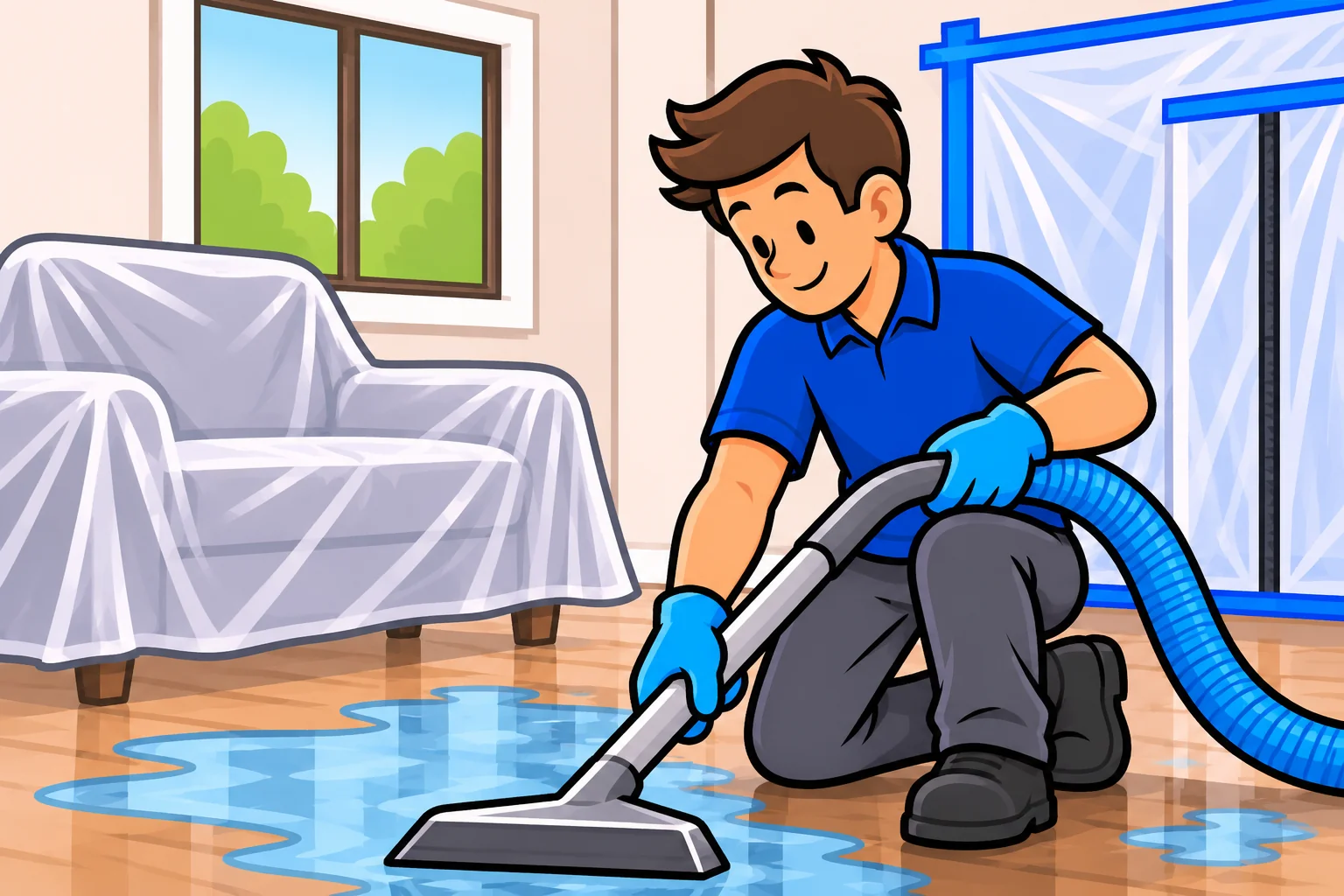
Water Removal & Structural Drying
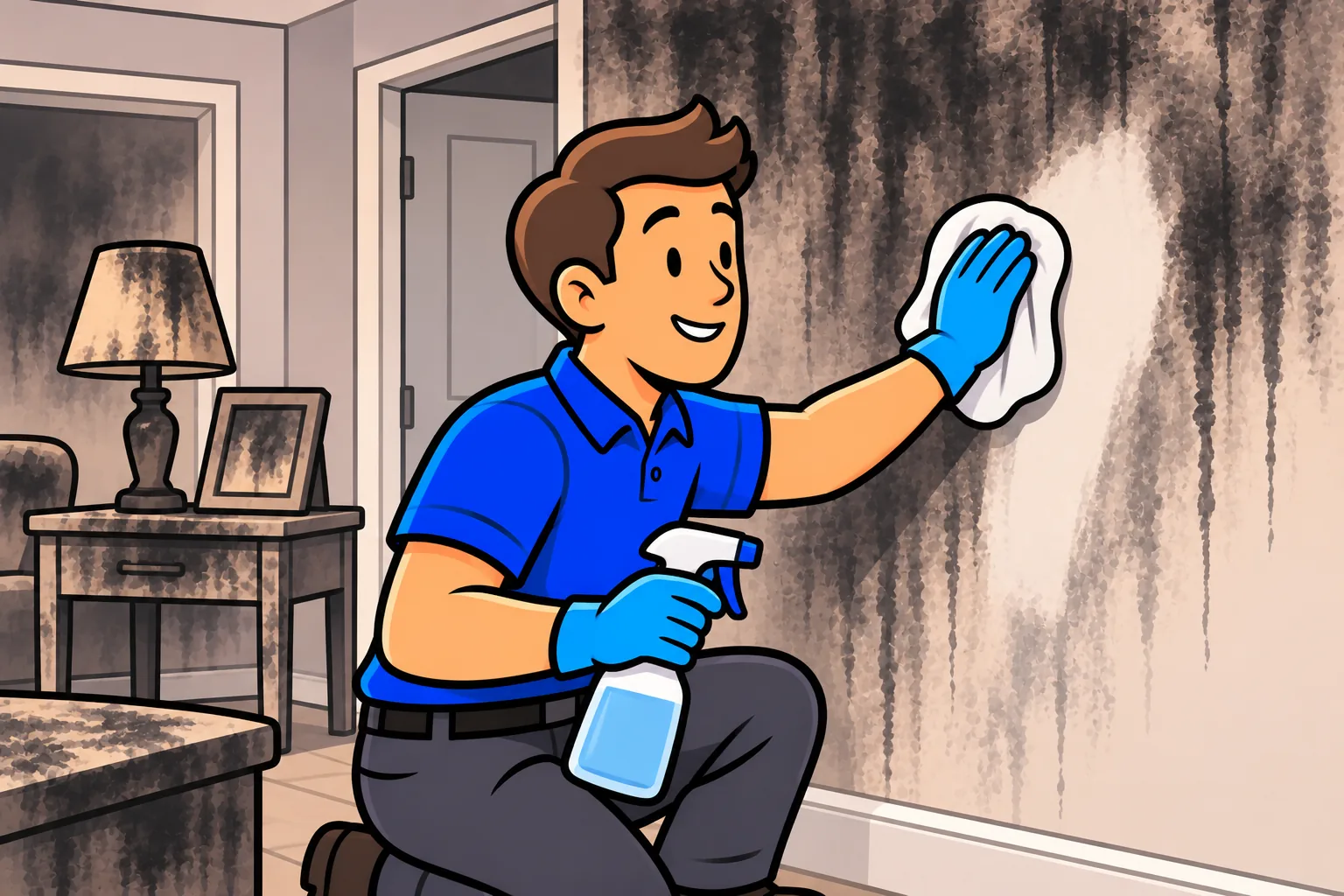
Fire, Smoke & Soot Cleanup
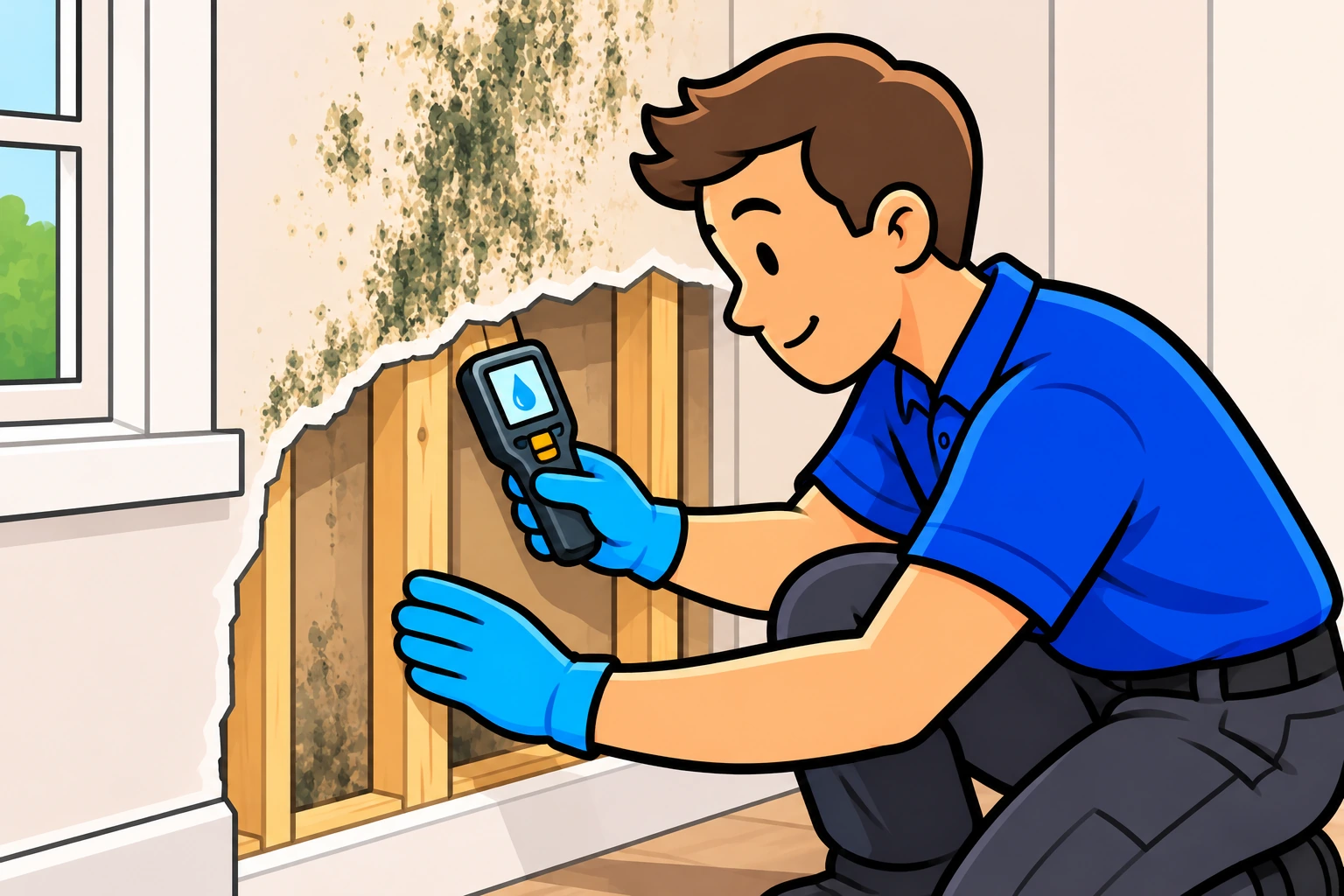
Mold Inspection & Remediation
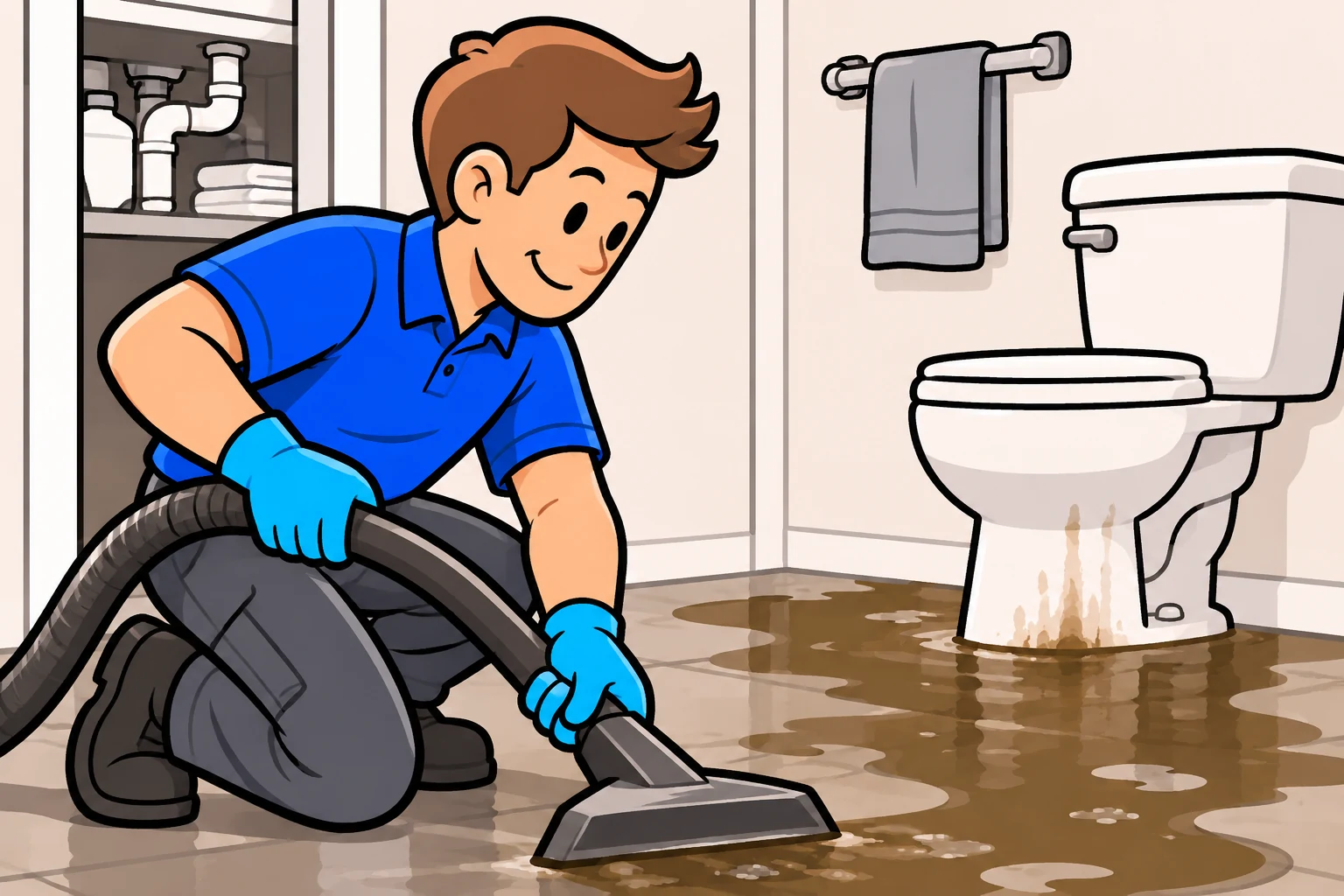
Sewage & Contamination Cleanup
Inspection & Documentation
Understand the condition firstReview visible damage, moisture concerns and access before deciding on work. Photos and findings support a clear scope; further testing is considered when it answers a useful question.
Containment & Cleanup
Match the method to the lossWater, soot, mold and sewage involve different hazards and material decisions. Discuss separation of work areas, occupant precautions and what can be cleaned or may need removal.
Repairs & Reconstruction
Plan beyond initial mitigationAfter cleanup, identify the source repairs and rebuilding still needed. Agree on the next phase, finish selections and responsibilities rather than treating emergency mitigation as a complete remodel.
Boise Service AreaRestoration Support Across Boise
Our existing Boise coverage includes the North End, the Bench, East End, Southeast Boise, Harris Ranch and West Boise. Our neighboring Garden City base serves these Boise neighborhoods and other properties across the city.
Tell us the exact property address rather than only the neighborhood. A basement entry, alley access, parking restriction or building-management requirement can affect inspection and equipment access. For multi-unit damage, provide a contact who can coordinate entry and explain whether another residence or business may also be affected.
Whether the concern is a wet crawl space, a smoke-affected room or damage requiring cleanup and repairs, the first step is to discuss the situation and safe access. The address lookup helps with location information; actual availability and work arrangements are confirmed when you call.

Talk Through the Next StepNeed Cleanup Help at a Boise Property?
Call (208) 999-2353 to describe the damage and discuss a free inspection. Have the address, a brief timeline and any access or safety concerns ready. For an active emergency that threatens life or safety, contact emergency services first.
Call (208) 999-2353Client ReviewsWhat People Say About Us
Disaster Cleanup is 5-Star Rated on Google


Frequently Asked Questions
Do you provide disaster cleanup throughout Boise?
Yes. Boise service includes the North End, the Bench, East End, Southeast Boise, Harris Ranch and West Boise. Disaster Cleanup is based in neighboring Garden City. Give us the property address and describe the damage so access, current availability and the appropriate inspection or mitigation needs can be discussed.
What should I do first after a leak, fire or sewage backup?
Move people and pets away from the affected area. Call emergency services for active fire or immediate danger, and do not enter water near electrical equipment. If it is safe, stop a known water source and take photos from a dry area. Avoid disturbing soot or contaminated materials while arranging an inspection.
Can you inspect damage in an older Boise house?
Yes. Mention plaster walls, original flooring, a crawl space or other access and material concerns when you call. The inspection should consider where moisture or residue may have traveled. Before cutting or demolishing suspect older materials, discuss whether lead or asbestos assessment is appropriate; the age of the house alone does not identify a material.
How quickly can a Boise crew arrive?
Call to confirm current availability and describe any ongoing damage or safety issue. Dispatch depends on the situation, location and access, so an arrival time should be confirmed for your actual call rather than treated as a guarantee from a web page. Do not wait for a restoration visit if emergency services are needed.
What affects the cost of restoration?
The affected area, contamination, material condition, drying needs, access and repairs all influence the scope and cost. A small visible stain may not show the full extent, while some materials may be cleanable rather than replaceable. Ask what the inspection found, what the proposed scope includes and which items may change after concealed areas are checked.
Will my insurance pay for cleanup and repairs?
Your insurer determines coverage and payment under your policy. Keep photos, dates, receipts and the agreed work scope, and ask your adjuster about requirements before non-emergency decisions. Documentation of damage and completed work can support the discussion, but no restoration page can guarantee coverage, reimbursement or claim approval.
Can water damage, mold and smoke be handled in one plan?
They can be assessed as parts of the same property loss, but each concern needs an appropriate method. A fire may also involve suppression water, and an unresolved leak may leave dampness or mold concerns. Ask how the scope separates mitigation, further assessment, source repairs and reconstruction so one issue is not overlooked while another is addressed.
How do I arrange a free inspection for a Boise rental or business?
Call (208) 999-2353 or use the contact page. Provide the property address, what happened and who can authorize entry and work. For a rental, shared building or business, mention property-manager contact details, occupied areas and access restrictions. The initial conversation can establish the next safe step and what information to have ready.