
Boise, IdahoBiohazard Cleanup
Biohazard cleanup in Boise addresses biological contamination that ordinary household cleaning may not resolve. Disaster Cleanup helps property owners assess affected surfaces, limit access and plan removal and cleaning appropriate to the situation. If someone needs medical help or a scene is still under official control, contact emergency services first and wait for release before cleanup begins.
Schedule a Free Inspection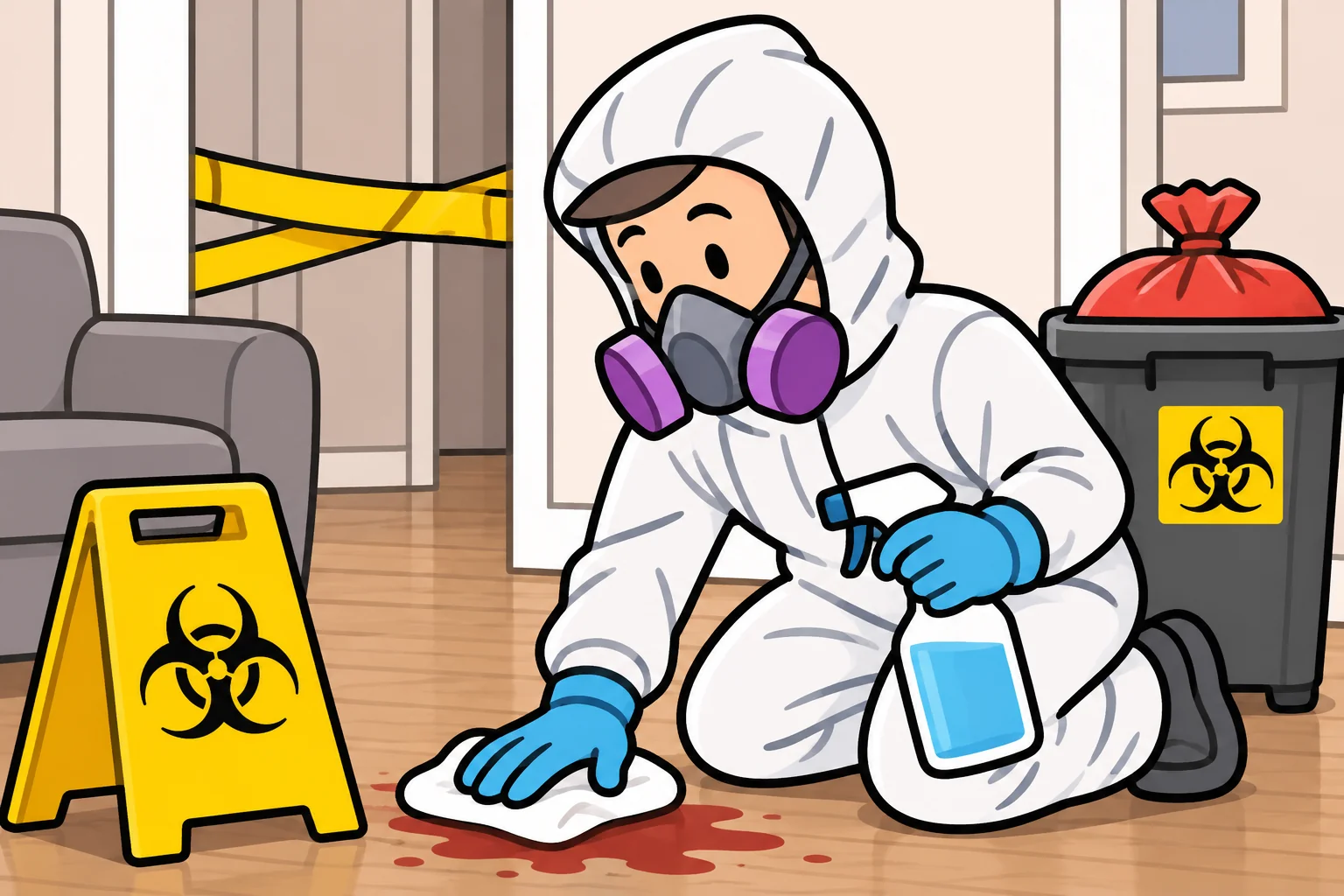
Find out how fast you can get service from your location
CONTROLLED CONTAMINATION CLEANUPBiohazard Cleanup in Boise
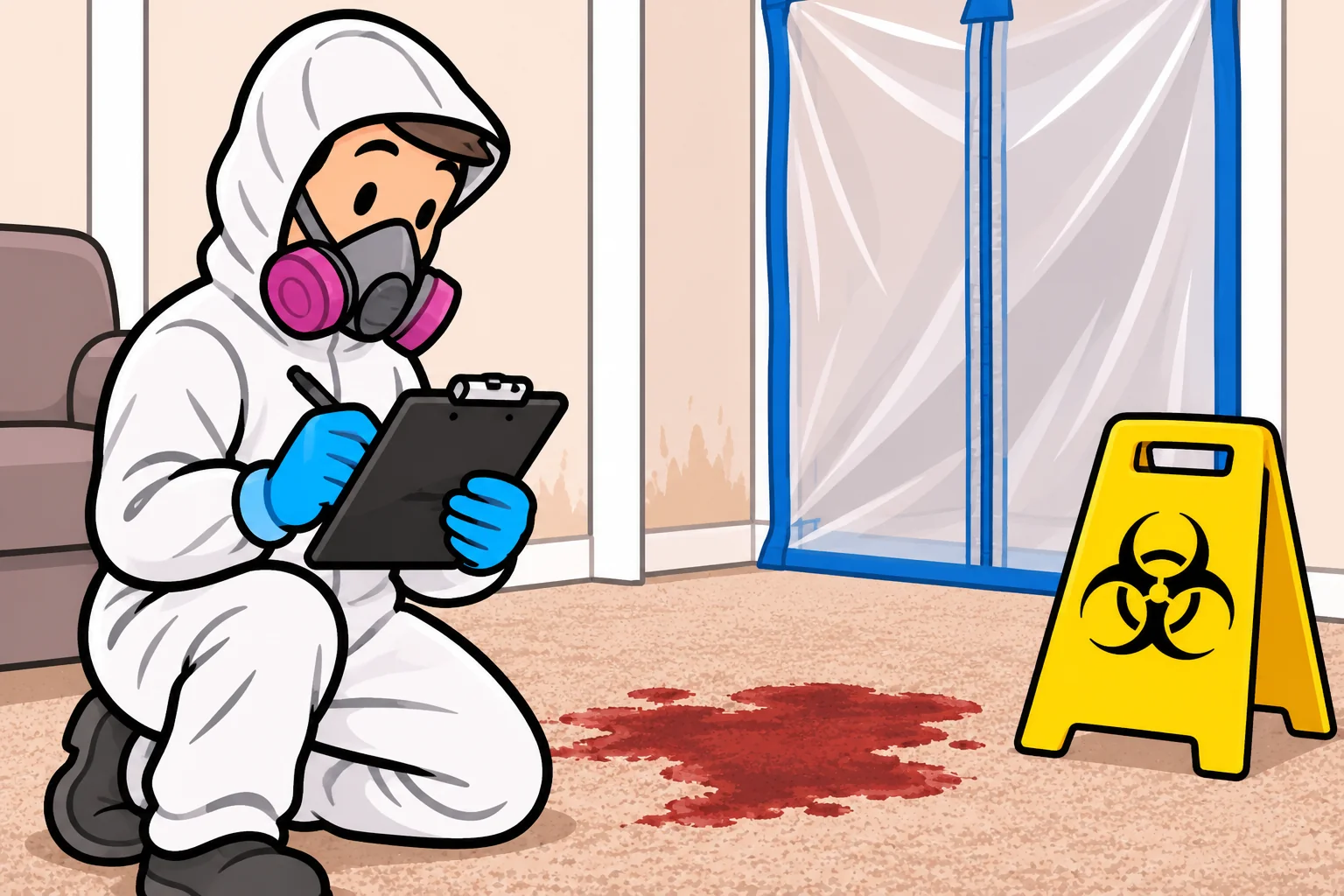
The visible stain is not always the full work boundary. Biological material can enter carpet backing, floor joints or absorbent furnishings, and foot traffic can transfer it beyond the original area. A practical cleanup scope considers the type of contamination, the surfaces involved and how to prevent unaffected areas from becoming part of the problem.
The incident history helps explain how contamination may have reached different parts of the property. A smooth sealed surface, a carpet edge and a damaged cabinet base are not interchangeable cleaning situations. We discuss those differences and the decisions they create for belongings and repairs, without asking an owner or family member to perform exposing cleanup just to prepare for an inspection.
When to Discuss Biohazard Cleanup
Some biological contamination is obvious, while other affected material may be concealed below a finish or behind a moved object. The purpose of assessment is to establish a reasonable work boundary, not to assume that an entire property is affected merely because one incident occurred.
- Body fluids on floors or furnishings
- Waste reaching porous building materials
- Contamination tracked into adjacent rooms
- Strong odors associated with a known incident
- Affected belongings that cannot be routinely cleaned
- An officially released scene needing professional cleanup
What Happens After You Call
A sensitive cleanup begins with a practical, respectful conversation about access and affected materials. Share only the details needed to plan the work and identify the authorized contact.
- Share only the details needed to identify the affected location, access and type of contamination.
- Tell us whether emergency responders or authorities still control the property.
- Identify known affected surfaces and any possibility of tracking into other areas.
- We explain why cleanable hard surfaces and absorbent items may need different handling.
- Discuss the completed work, any remaining repair needs and the conditions for reopening the area.
Common Situations We Assess
Body-fluid contamination
Blood and other body fluids may reach seams or absorbent materials beyond the visible surface. The cleanup boundary needs to account for how the liquid moved and which items were affected, not simply the size of a stain. Do not assume that a small visible mark describes the entire affected layer.
Waste entering living areas
Biological waste can contaminate flooring, contents and lower wall surfaces. The source needs to be addressed as part of the overall plan; cleaning an area while contamination continues to enter it does not resolve the problem. Source correction and cleanup may require different people or different scopes of work.
Delayed discovery
When an incident is discovered later, material condition and odor can differ from a recent surface spill. The assessment may need to consider underlying layers and affected belongings without assuming that every item in the building is contaminated. Explain the discovery history without entering the location to verify every detail.
Tracking through the property
Shoes, pets or moved belongings can carry residues into otherwise unaffected spaces. Explaining where people have walked or what has been moved helps define a realistic work boundary and avoid unnecessary spread during cleanup. Share where affected items were carried so the assessment can consider those routes.
Sharps and concealed hazards
Needles, broken glass and sharp debris create additional risks that cannot be judged from a photograph alone. Do not pick them up to prepare the area; their presence should inform the access and handling plan. Keep others away and identify the hazard rather than gathering it into a bag.
Porous surfaces absorb residues
Carpet, underlay and some furniture can hold material below a cleaned surface. A removal decision depends on the contamination and construction, not on whether a deodorizer or surface wipe temporarily improves appearance. Surface cleaning and retention of an absorbent item are separate decisions.
What to Do First: Safety and Preparation
Keep people and pets away from the affected area and avoid touching or moving contaminated objects. Do not use a household vacuum or spray cleaning chemicals into unknown residues. Leave sharps in place and identify their location from a safe position. A cleaning contractor is not a substitute for emergency medical care or official scene release.
If you have already used a cleaning product, share its name if known and explain where it was applied. Do not add another product in an attempt to neutralize the first. The crew needs an accurate description of the conditions, including any tracking or moved waste, rather than a room that has been cosmetically prepared.
- Keep pets away from affected belongings.
- Leave needles and sharp debris undisturbed.
- Do not mix cleaning products on unknown residues.
- Identify the person authorized to make property decisions.
Our Biohazard Cleanup Process
1. Assess the incident and property
We discuss the contamination source, affected locations and access conditions. The assessment distinguishes immediate safety issues from cleanup work and confirms whether the property can be entered for the proposed task. Tell us whether contamination is still entering the area or whether the original incident has stopped.
2. Separate the work area
The plan considers occupant access, routes for moving material and protection of unaffected spaces. Keeping the work boundary understandable helps avoid transferring contamination while belongings or waste are being handled. Identify shared corridors or occupied spaces that need to remain outside the movement route.
3. Evaluate affected materials
Hard surfaces, absorbent finishes and personal items may require different approaches. We explain the proposed cleaning or removal decisions and identify areas where concealed penetration may require closer assessment. Owner decisions about sentimental or important belongings should be discussed before material is discarded.
4. Remove contamination in a controlled way
Affected material and unsuitable porous items are handled according to the agreed scope. Removing visible residue is only one part of the work; surfaces and interfaces beneath it may also need attention. Waste movement should not create a second contamination path through otherwise unaffected rooms.
5. Clean and address residual conditions
Cleaning methods and appropriate products are selected for the surfaces and contamination. Odor concerns are considered alongside physical source removal, rather than treated as proof that fragrance alone has resolved the incident. Product choice alone is not evidence that an inaccessible or absorbent material has been adequately addressed.
6. Review the completed scope
We explain the work performed, any excluded or inaccessible areas and follow-on repairs. Documentation should describe the actual cleanup boundary without promising medical outcomes or a universal guarantee for the entire building. Record any areas not accessed so the completion discussion remains proportionate to the work actually performed.
Why Choose Disaster Cleanup
A respectful service also needs a precise scope. Property owners should understand which rooms and materials are included, how decisions about belongings will be made and what remains after cleanup. We focus on practical communication about the work rather than asking families to manage a sensitive contamination problem themselves.
The work plan should make decisions about contents explicit. Some personal items may be cleanable, others may have practical limits, and disposal requires the appropriate owner's authorization. It is useful to identify a decision-maker before work begins, especially in a rental or managed property. That helps keep a sensitive project organized without suggesting that a contractor can make medical, legal or ownership decisions on the family's behalf.
What Affects the Project Schedule?
The type of contamination, time before discovery, affected layers and disposal arrangements influence the work. Access restrictions and any required repairs add separate steps. A phone or arrival estimate should not be interpreted as a guaranteed cleanup completion time.
Insurance and Project Documentation
Some incidents may involve a property claim, but the event, policy wording and exclusions matter. Ask the insurer what documentation and authorization it needs. We can explain the cleanup scope; we cannot promise that every contaminated item or restoration cost will be covered.
Limit access and arrange appropriate help
If there is an active medical emergency, an uncontrolled release or an immediate threat, call emergency services before arranging cleanup. Once the situation is stable and access is permitted, describe the affected rooms and materials without entering the area to collect photographs. Keep sensitive information limited to what the work requires.
Once access is permitted, arranging appropriate cleanup is more useful than attempting to hide the visible evidence with fragrance or improvised cleaning. For managed properties, confirm who can authorize work and decisions about contents before a crew is expected to begin.
Information That Helps Define the Next Step
- Body fluids on floors or furnishings
- Waste reaching porous building materials
- Contamination tracked into adjacent rooms
- Strong odors associated with a known incident
Biohazard CleanupAssessment, Work Planning and Restoration
Biological cleanup may involve visible residue, affected material layers, waste handling and a later repair stage. These illustrations show related cleanup situations rather than actual evidence from your property. Explain which rooms, surfaces and belongings are involved so the proposed scope remains specific. If the material is an unknown chemical instead of biological contamination, disclose that uncertainty; the appropriate response and handling requirements must be established before ordinary cleanup assumptions are made.
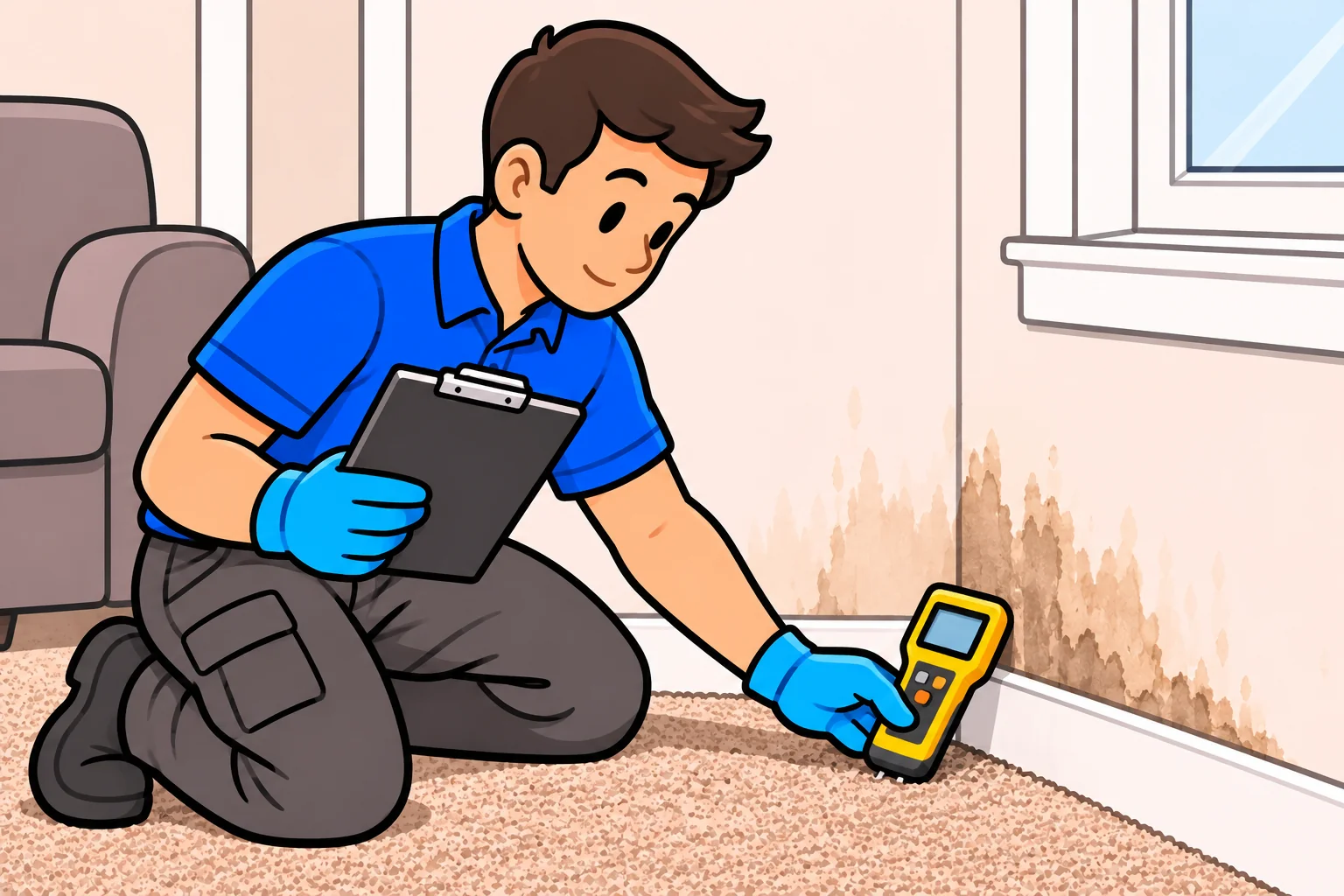
Biological contamination assessment
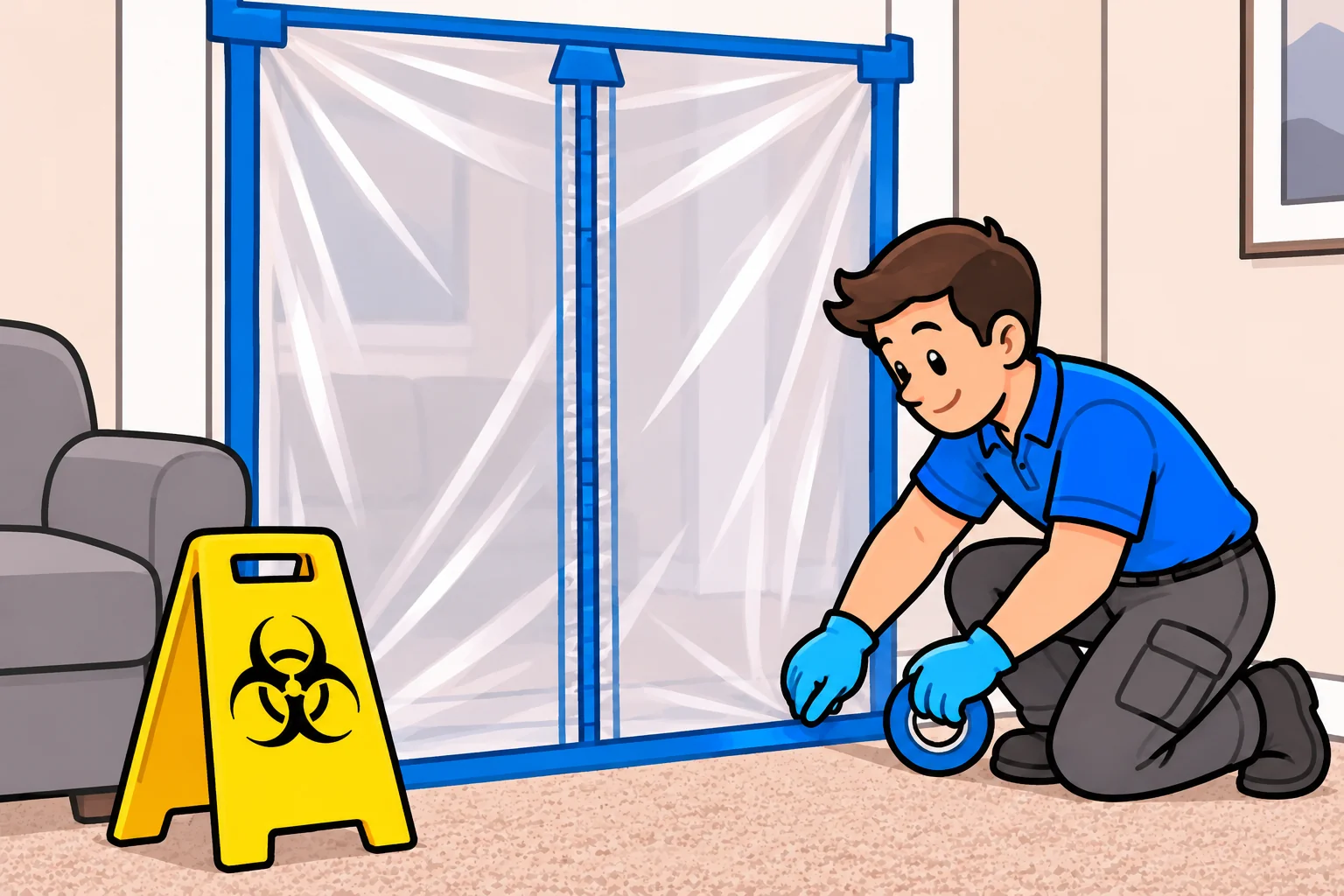
Protecting the cleanup work area
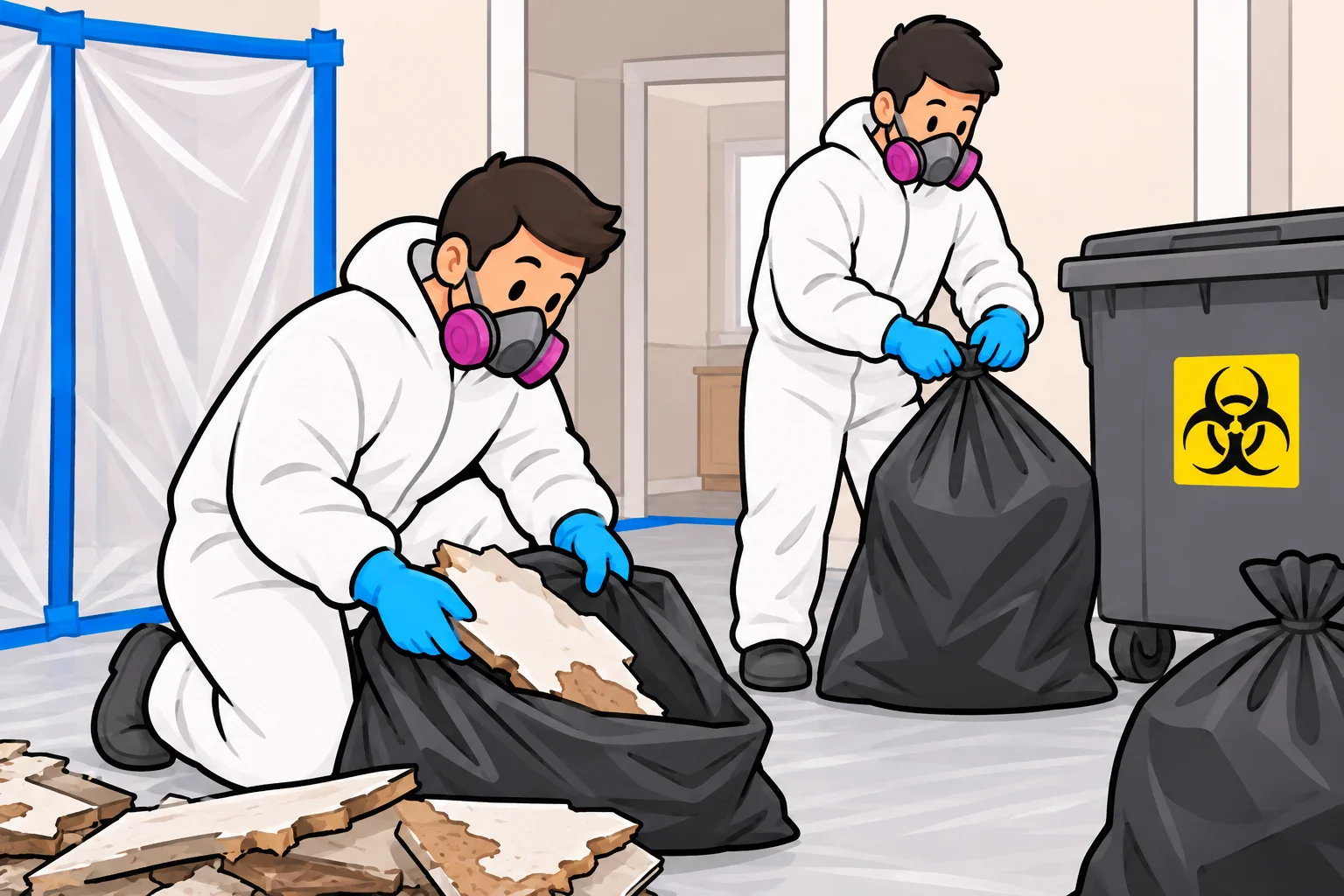
Handling affected material and waste
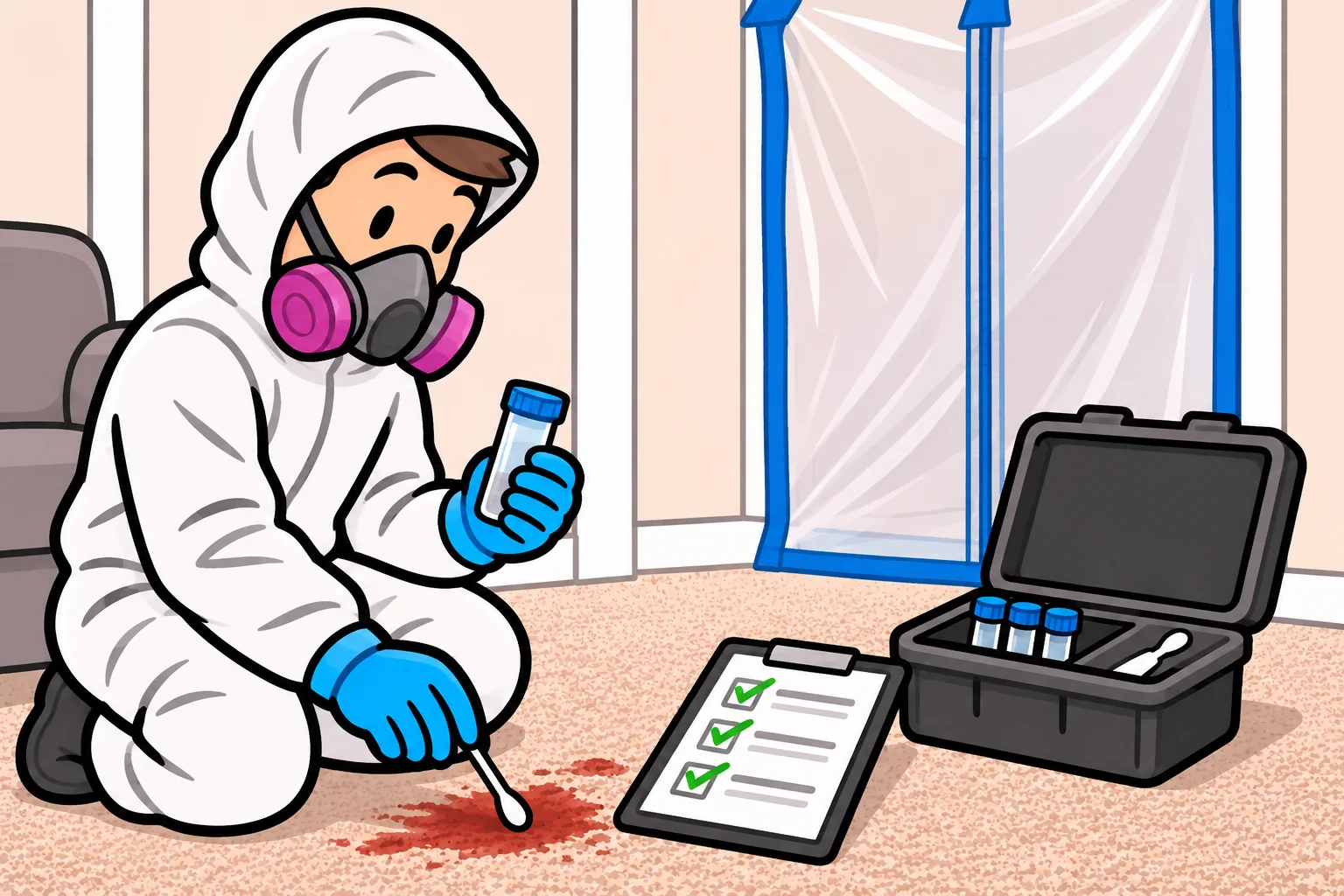
Evaluating contaminated absorbent surfaces
Surface and material decisions
Define the workA smooth floor and contaminated carpet backing are not the same cleaning problem.
Controlled movement through the home
Match the site conditionsAccess routes help keep unaffected rooms and belongings outside the work boundary.
Respectful project communication
Plan the next stageSensitive cleanup needs clear decisions about scope, belongings and repair handoff without sensational descriptions.
Serving Boise and the Treasure ValleyBiohazard Cleanup in Boise and Nearby Communities
Disaster Cleanup serves biohazard-cleanup needs in Boise and the Treasure Valley service areas described on the website. Homeowners, landlords and property managers may have different access and authorization responsibilities, even for similar incidents. Tell us the location and who controls entry. Service-area coverage is not a promise that a restricted scene can be entered or that every type of hazardous release is within an ordinary biological-cleanup scope.
The existing service-area listings include Ada County, Boise, Caldwell, Canyon County, Eagle, Emmett, Garden City, Hidden Springs, Horseshoe Bend, Kuna, Marsing, Meridian, Middleton, Mountain Home, Nampa, Parma, Payette and Star. Call to discuss your address and access needs.

Discuss Your PropertyRequest a Free Inspection
Contact Disaster Cleanup after urgent medical needs and official access restrictions have been addressed. Describe the affected location and known contamination from outside the area. We can discuss the next assessment step, belongings decisions and the proposed cleanup boundary without requiring you to handle waste or move contaminated furniture first.
Call (208) 999-2353Client ReviewsWhat People Say About Us
Disaster Cleanup is 5-Star Rated on Google


Frequently Asked Questions
What is considered biohazard cleanup?
This service concerns biological contamination such as blood, body fluids or waste that needs assessment and controlled cleanup. The exact scope depends on the source, surfaces and access conditions. An active medical emergency, dangerous release or unreleased scene requires the appropriate authorities before a cleaning contractor can begin. The source and affected material matter more than applying the same label to every difficult cleaning situation.
Can I clean the area with household disinfectant?
A product applied to a visible stain may not reach contamination in carpet backing, floor joints or absorbent contents. Products also have surface and use requirements. Avoid attempting cleanup that could expose you or spread material; discuss the incident and affected surfaces first. Surface appearance does not reveal what has entered an absorbent layer or a concealed joint.
Should I remove contaminated furniture before you arrive?
Do not move affected furniture through clean areas to prepare for the crew. Explain which items appear involved and who can authorize disposal decisions. Moving belongings can transfer contamination and make it harder to understand the original work boundary. Keep potentially affected items separated in place until an appropriate handling decision is discussed.
Do you clean every hazardous substance?
No single cleanup scope should be assumed to cover every unknown substance or release. Tell us what is known about the material and situation. An unidentified chemical, active leak or immediate danger may require emergency responders or specialist assessment rather than routine biological cleanup. Do not sniff, touch or move an unknown material to provide a more precise description.
Can you begin before authorities release the scene?
Cleanup access must not interfere with emergency response, an investigation or other official restrictions. Tell us who controls the site and whether it has been released. We can discuss the next steps, but arranging cleanup does not provide permission to enter a restricted location. Identify the person or agency controlling entry so scheduling does not conflict with official restrictions.
Will cleanup remove all odors?
Odor may come from contamination in materials that are not visible at the surface. Source assessment and appropriate removal or cleaning come before odor treatment. The condition of affected layers and inaccessible spaces influences the plan, so a universal odor-removal promise would be misleading. A persistent odor can justify further assessment without identifying its source by smell alone.
Is the service confidential?
Sensitive situations deserve considerate communication. Tell us who is authorized to discuss the property, access and belongings, and share only the information needed for the work. Do not assume a particular vehicle marking, staffing arrangement or privacy guarantee that has not been specifically agreed. The authorized contact and communication arrangements should be clarified when the work is discussed.
Does insurance cover biohazard cleanup?
Coverage depends on the incident and your policy. The insurer may need evidence of the loss, the affected materials and the proposed cleanup scope. Ask about exclusions, deductibles and authorization requirements rather than assuming that biological contamination automatically results in payment. Building materials, contents and follow-on repairs may be evaluated as different parts of the claim.