Nampa, IdahoDisaster Cleanup & Restoration in Nampa
A leak in an older house, a sewage backup at a rental or smoke residue in a business calls for a building-specific plan. Disaster Cleanup serves Nampa with inspection, water removal, drying, fire and smoke cleanup, mold remediation and repairs.
Schedule a Free Inspection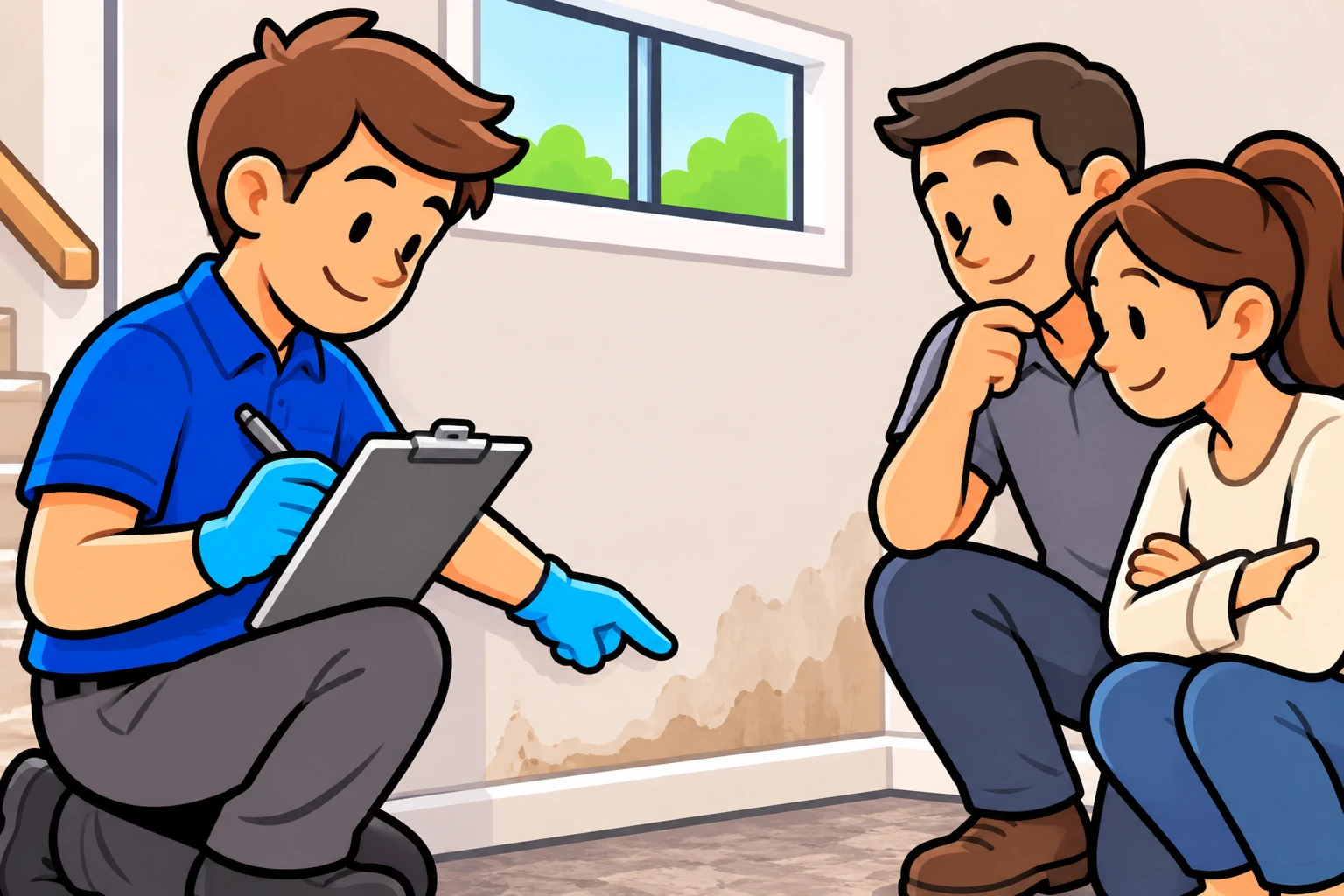
Find out how fast you can get service from your location

Local Restoration HelpMatch the Inspection to the Property and the Incident
Nampa includes historic homes near downtown and Lakeview Park, mid-century neighborhoods near Northwest Nazarene University and newer subdivisions toward Lake Lowell. The inspection should consider the actual plumbing, building assemblies and damage observed rather than assume every property has the same construction.
A supply leak can wet floors and wall cavities, while a damaged drain or sewer backup presents different material-handling concerns. Describe the suspected source, discovery timeline and changes in connected rooms so the initial scope can address the incident accurately.
For landlords with more than one property, keep the address, unit and authorized contact clear for each loss. We work with owners and managers on access and restoration needs, with documentation tied to the affected property rather than combined into one general damage report.
Conditions That Warrant a Closer Inspection
Wet trim, a changing ceiling stain or an odor after a leak can indicate damage beyond the first visible area. Record the affected room and whether the problem is continuing, recurring or associated with a repaired source.
A business or rental may also have access and occupancy needs that shape the inspection. Identify damaged stock, equipment or adjoining spaces separately so building restoration and contents decisions remain clear.
- Wet flooring or cabinet bases after a dishwasher, water heater or supply leak.
- Dampness in a crawl space or beneath an affected room.
- Ceiling or wall changes away from the reported source.
- Wastewater exposure near a drain or sewer backup.
- Recurring musty odor after earlier repairs or drying.
- Soot, smoke residue or odor in connected residential or commercial spaces.
What Happens After You Call in Nampa
Begin with the address, source information and affected rooms. These steps explain how the inspection findings become a scoped cleanup plan, with access and repair decisions recorded for the right property.
- Describe what happened and when, including whether water is still entering or a drain problem remains active. Identify the rooms, unit and other occupants reporting damage, along with any source repairs already performed.
- Give the affected address and an authorized contact.
- Explain whether the source is still active.
- Discuss current availability and arrange an authorized owner or manager contact. For a rental, coordinate entry with the occupants; for a business, explain operating areas and access routes before the inspection is arranged.
- Coordinate entry with the owner or property manager.
- Identify rooms or buildings that cannot be entered safely.
- Review the materials involved, proposed extraction or cleaning and questions requiring further access. Ask which findings are confirmed and how contents handling and separate source repairs are identified in the initial scope.
- Ask what is included and which items need further assessment.
- Keep source repairs separate from building restoration.
- The work may involve controlled drying, soot cleaning, mold remediation or contamination-related material handling. Equipment placement and work boundaries should fit the building and the people using unaffected spaces.
- Respect containment and restricted work areas.
- Ask before moving drying equipment or affected contents.
- Review progress before replacement finishes or reconstruction proceed. Keep records for each address and unit, with completed mitigation distinguished from outstanding plumbing, exterior or rebuilding responsibilities.
- Retain the agreed scope and any changes.
- Confirm the next decision and who is responsible.
Sources That Lead to Different Cleanup Decisions
Supply Lines and Household Appliances
A washer, dishwasher, refrigerator connection or water heater can wet connected flooring and wall assemblies. Explain the source location and observed changes so inspection follows affected materials beyond the visible puddle.
Leaks in Older Plumbing Assemblies
A leak in a concealed supply or drain line may affect a crawl space, subfloor or adjoining cavity before its extent is apparent. Repair history and the discovery timeline help connect the source problem with restoration needs.
Irrigation or Exterior Water Entry
Water arriving from an irrigation incident or exterior drainage problem needs source investigation as well as interior assessment. Report the observed entry point, timing and work already performed without entering unsafe areas to investigate further.
Freezing Conditions and Concealed Breaks
A damaged line in a garage, exterior wall or crawl space may leak as conditions change. Stopping the source does not establish that connected insulation or building materials are dry, so describe the areas that may have been reached.
Fire and Smoke Residue
A house fire, stovetop incident or other smoke event can affect adjoining rooms and contents. Inspection should distinguish soot, odor and any suppression water, with cleaning and repairs tied to the surfaces and materials involved.
Sewage or Unresolved Dampness
A sewer or septic backup requires contamination-related decisions, while persistent dampness may call for moisture investigation and mold assessment. These conditions need a defined scope rather than a single general request to dry the room.
First Safety Steps Before Cleanup
Keep people away from wet electrical equipment, unstable construction and contaminated areas. An inspection should not require entering a dangerous room to collect photographs or identify a hidden source.
For an older building, discuss suspect materials before sanding, cutting or removing finishes. Record the incident from a safe location and keep any existing inspection or source-repair information available.
- Leave and contact emergency services for an active fire, suspected gas leak or immediate danger.
- Do not enter standing water near electrical equipment or operate wet electrical controls.
- Stop a known water source only when its shutoff can be reached safely.
- Keep children, pets and visitors outside damaged or restricted work areas.
- Avoid disturbing soot, suspected mold or sewage-contaminated materials, and do not mix cleaning chemicals.
- Retain safe photographs, discovery dates and repair records while arranging an inspection.
From Inspection to a Defined Restoration Handoff
1. Confirm the Address and Safe Access
Identify the affected property, unit and authorized contact. Discuss electrical, structural or contamination concerns and any restrictions that need resolution before inspection entry.
2. Inspect the Source and Connected Materials
Record affected rooms, visible changes and accessible cavities. Relate observations to the reported incident and identify places where additional access or specialist assessment is needed.
3. Explain the Initial Scope
Discuss proposed cleaning, drying and material handling, including any removal. Clarify source repairs and contents decisions separately so the owner or manager knows what the scope includes.
4. Carry Out Loss-Appropriate Mitigation
Use the approach appropriate to the water, residue, mold or sewage conditions found. Establish equipment routes and work boundaries without treating every material or occupied area alike.
5. Review Findings Before Rebuilding
Check the relevant drying or cleanup findings before covering cavities or installing replacement finishes. Identify remaining source concerns and any additional work exposed during the agreed operations.
6. Keep the Handoff Property-Specific
Organize completed work, scope changes and remaining repairs by address and unit. Confirm equipment removal, access arrangements and who will approve the next phase.
Clear Records for Owners, Rentals and Businesses
A useful Nampa restoration plan explains why each operation is proposed and which materials are affected. That makes discussions about cleaning, drying, removal and repair decisions more concrete than a general estimate for an entire building.
For multiple rentals or a business with occupied areas, agree on the authorized contact and access process. Findings and changes should remain tied to the correct rooms or units so separate incidents and repair responsibilities are not confused.
What Affects the Work Schedule?
Affected materials, concealed moisture, contamination and repair needs determine the sequence. Access and separate trade responsibilities also matter. Ask what the next drying or cleanup checkpoint will establish before replacement finishes or reconstruction proceed.
Keep a Clear Record for Your Insurance Discussion
Retain safe photographs, discovery dates, source-repair information and the agreed work scope. Record changes as findings develop. Your insurer confirms coverage, deductibles and claim requirements; cleanup documentation describes the observed damage and work performed.
An Active Loss or a Planned Inspection?
Describe spreading water, recent fire damage or a sewage backup when calling. Identify the occupied areas affected and keep people away from unsafe spaces; use emergency services first for immediate danger.
For an older stain or recurring odor, discuss a planned inspection with the available history. Call (208) 999-2353 with the address, observed source conditions and authorized entry contact.
Information to Have Ready
- The address and specific rooms or structures affected.
- Whether the source is active or has already been repaired.
- Any current access, electrical or contamination concerns.
- The person authorized to coordinate entry and proposed work.
Restoration ServicesDifferent Losses Require Different Restoration Work
Extraction and drying address different stages of a wet-building loss. Smoke residue, mold and sewage exposure involve their own assessment and handling. The findings establish which operations are appropriate and how source repairs and reconstruction follow the cleanup.
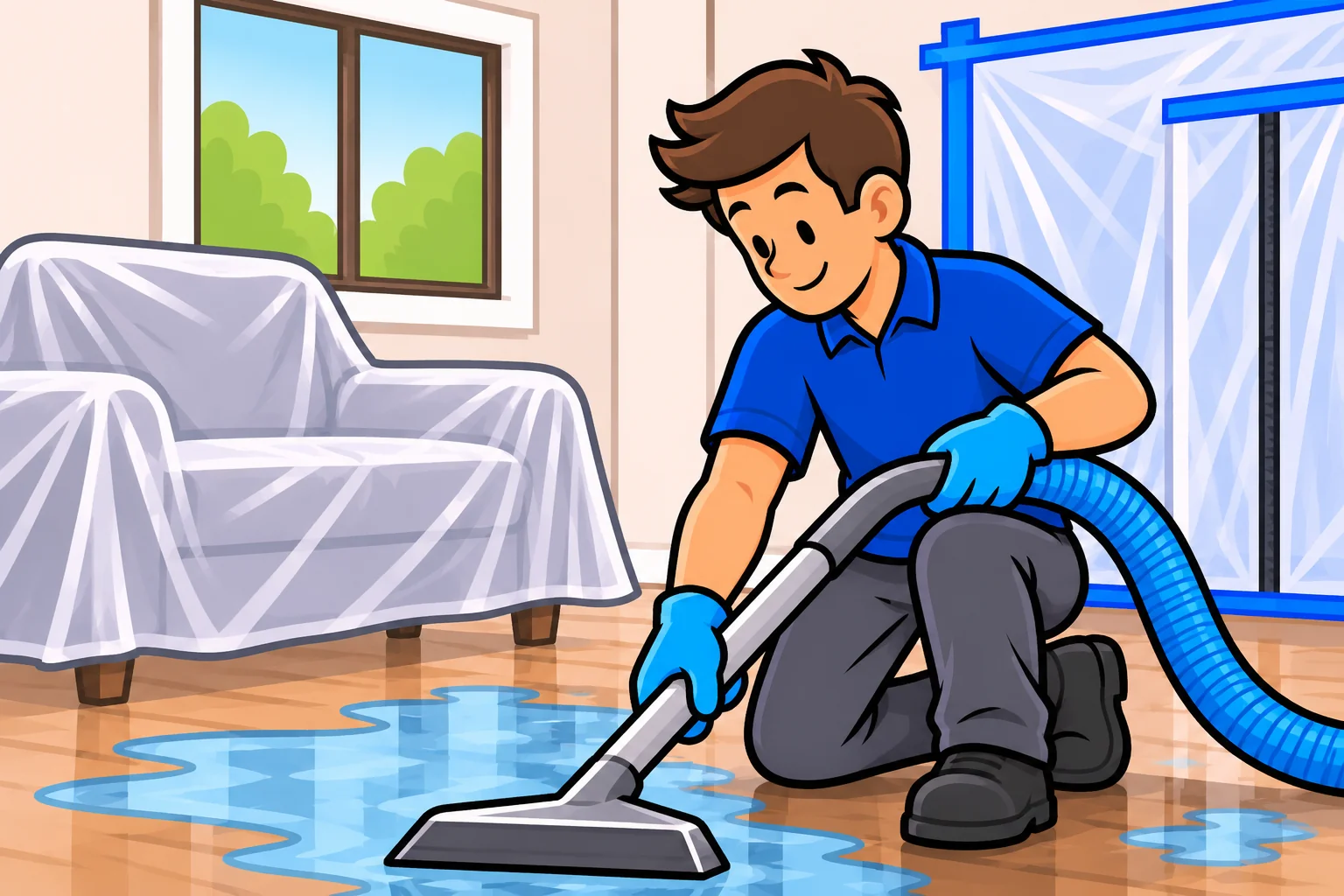
Water Removal & Structural Drying
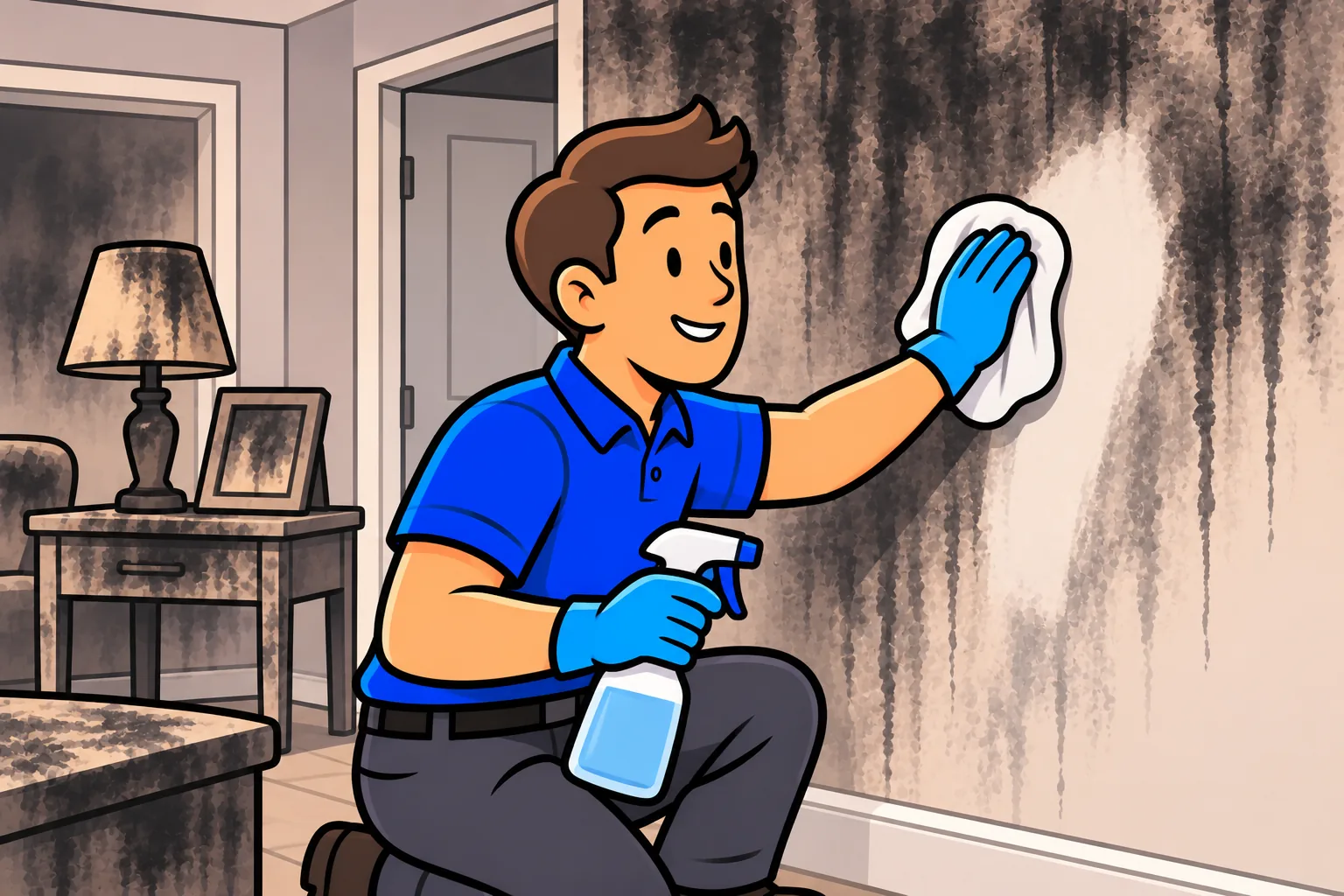
Fire & Smoke Cleanup
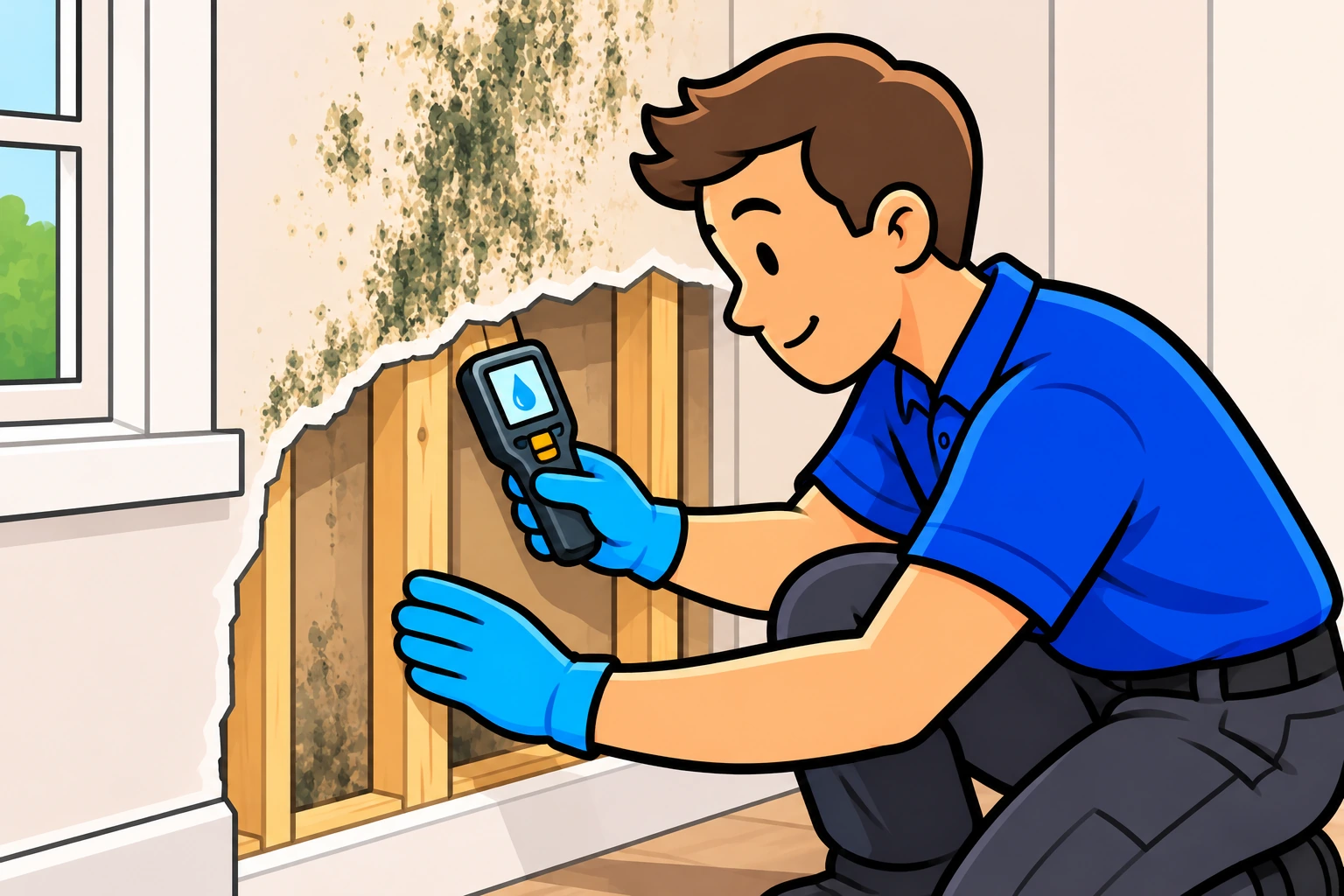
Mold Inspection & Remediation
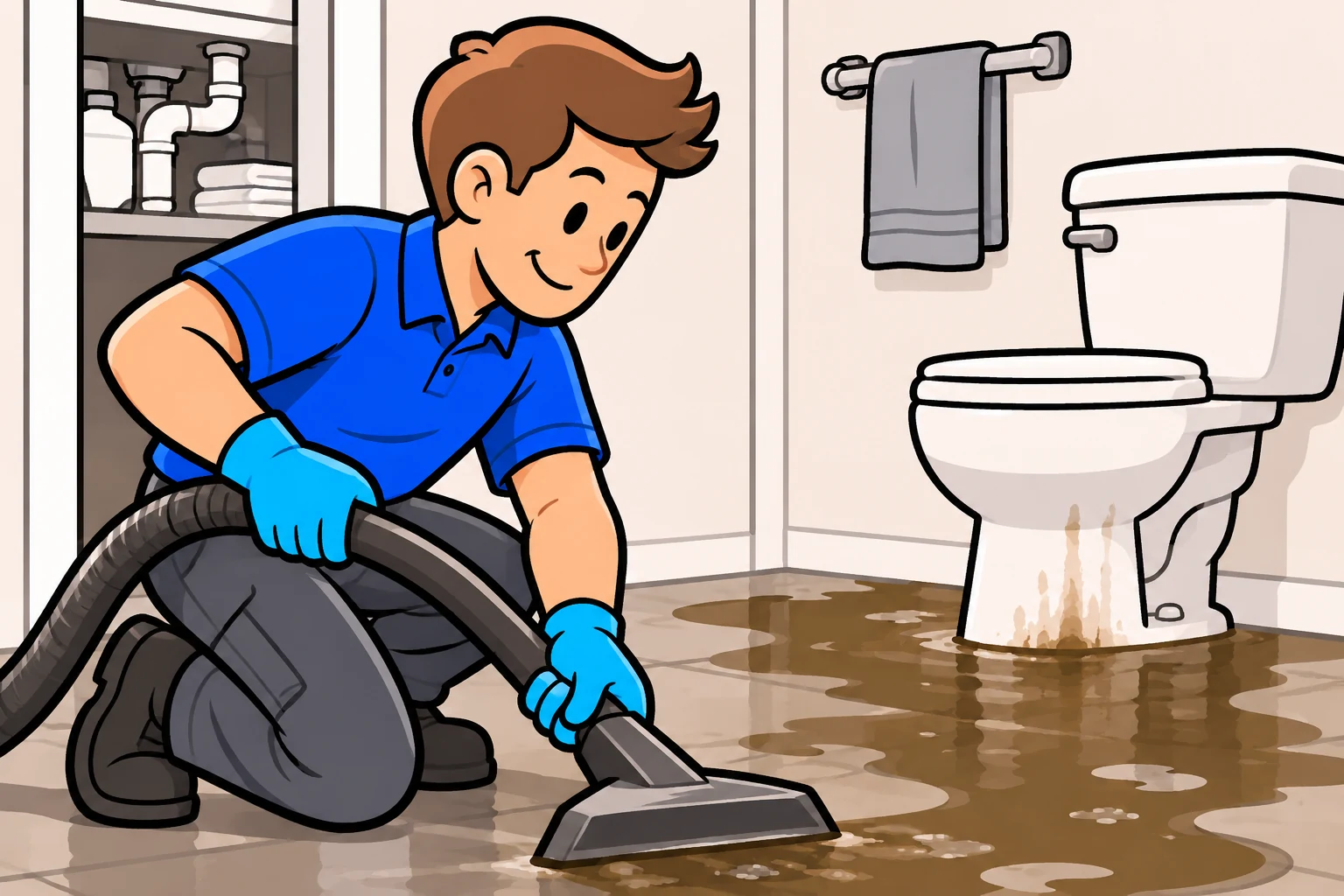
Sewage & Contamination Cleanup
Inspection & Documentation
Establish the affected areaConnect the reported incident with the materials and rooms involved. Observations and photographs give the proposed work a clear basis and identify questions requiring further access or assessment.
Cleanup & Material Decisions
Match the method to the lossWater, smoke residue, mold and sewage involve different handling decisions. Review what can be cleaned or dried, what may need removal and how unaffected spaces will be separated from the work.
Repairs & Reconstruction
Plan the next phaseAfter mitigation, review remaining source repairs and rebuilding. A clear handoff distinguishes completed operations from proposed work, material choices and approvals still outstanding.
Nampa Service AreaNampa Residential, Rental and Commercial Coverage
Our Nampa service includes properties around downtown, Lakeview Park, Northwest Nazarene University and neighborhoods toward Lake Lowell, together with local business areas such as Garrity Boulevard.
Give the complete address and unit or business name. Mention affected adjoining spaces, a crawl space or access restrictions so the inspection can be organized around the actual building.
The address lookup assists with location information. Confirm current inspection or mitigation arrangements by phone, with owners or managers involved when permission is needed.

Talk Through the Next StepDiscuss Cleanup at Your Nampa Property
Call (208) 999-2353 to discuss a free inspection. Have the address, discovery timeline and source information ready, with an authorized contact for each affected rental or business.
Call (208) 999-2353Client ReviewsWhat People Say About Us
Disaster Cleanup is 5-Star Rated on Google


Frequently Asked Questions
Can irrigation or exterior water affect a Nampa crawl space?
An exterior or irrigation incident can be relevant when water appears near the foundation or beneath a building. Report the observed entry and timing so inspection can assess the source conditions, affected materials and appropriate cleanup.
What should I report after an appliance leak?
Identify the appliance or connection, when the leak was discovered and whether it has been stopped. Note wet cabinets, flooring, adjoining rooms or ceiling changes below so inspection can follow the connected assemblies.
Can you work with a landlord managing several properties?
We work with rental owners and property managers. Keep the address, unit, incident details and authorized contact separate for each property, and coordinate occupant access before inspection or work is arranged.
Does a musty smell mean all affected materials need removal?
The moisture source, material condition and inspection findings guide that decision. Explain earlier leaks or repairs and when the odor returns. Further assessment or testing should answer a defined question about the proposed work.
Can fire cleanup include structure and contents?
Our fire and smoke services address affected building surfaces and contents decisions. Describe residue and odor beyond the directly burned area so inspection can establish the work boundaries and what the proposed scope includes.
Is the inspection free and what determines cleanup cost?
We offer free inspections. Affected materials, contamination, concealed damage, access and repair needs influence the proposed work. Ask which findings support the scope and which items remain provisional.
When can replacement flooring or drywall be installed?
Review drying or cleanup findings, remaining source repairs and contamination concerns first. Removing standing water alone does not establish that adjoining assemblies are ready to be covered or finished.
Are calls answered at night and on weekends?
Our phones are answered live 24/7. Call (208) 999-2353 with the current conditions and access information to discuss inspection or dispatch arrangements. Contact emergency services first for immediate danger.