
Boise, IdahoEmergency Board-Up Services
A broken window or damaged doorway leaves a Boise property exposed to weather and unwanted entry. Disaster Cleanup provides board-up planning and temporary protection after the scene is safe to access. Describe the opening, the building condition and any immediate hazards so we can discuss the next appropriate step without promising that temporary panels are permanent repairs.
Schedule a Free Inspection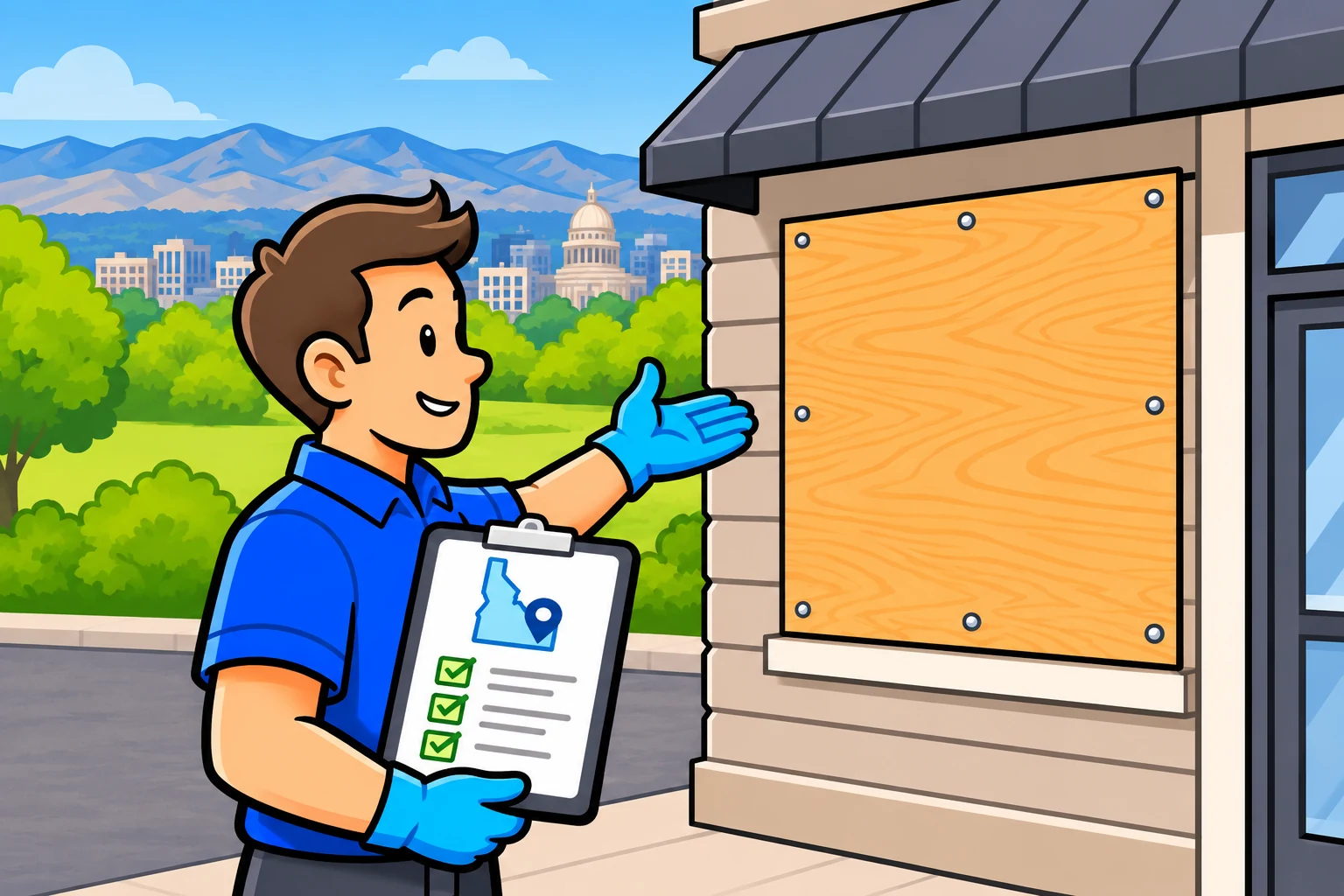
Find out how fast you can get service from your location
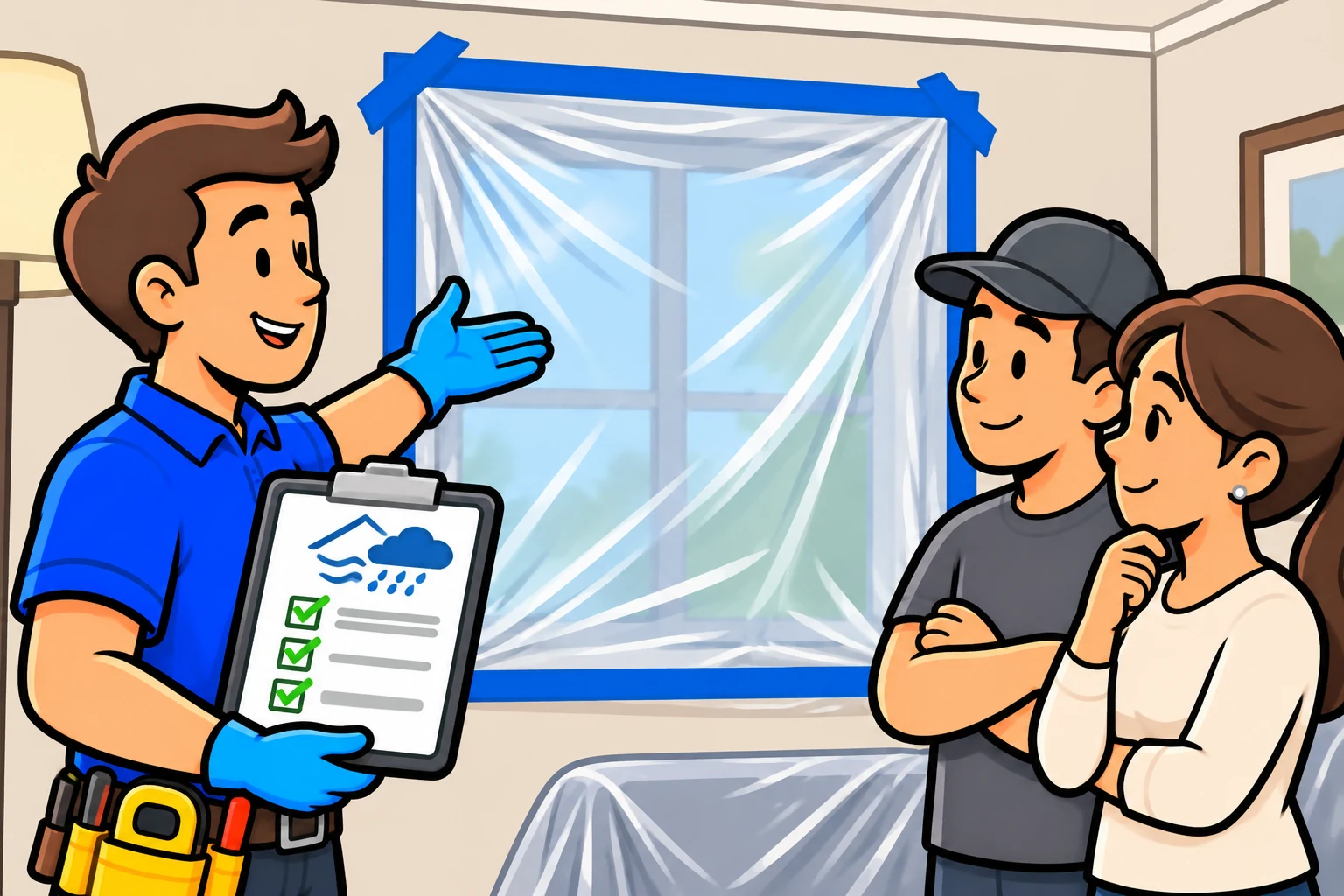
TEMPORARY PROPERTY PROTECTIONEmergency Board-Up Services in Boise
Boarding up is about stabilizing an opening while the larger repair is organized. It is not a structural assessment, a fire clearance or a substitute for a replacement window. A useful plan considers how temporary panels attach to sound material, what access occupants still need and which underlying damage must be repaired before the protection is removed.
The same damaged opening may raise several separate questions: loose glass, attachment to the remaining frame, exposure to rain and access for occupants or repair trades. We discuss those conditions so temporary protection does not hide an unresolved building issue. For a shop or rental property, also identify who can authorize the work and how authorized access must be maintained while permanent components are being arranged.
When to Discuss Emergency Board-Up Services
Temporary securing is relevant when the building envelope is open and a suitable protective measure can be installed safely. It is not a reason to approach an unstable wall or an unreleased fire scene. Explain the type of opening and the surrounding condition rather than taking measurements from a ladder.
- Broken glazing with exposed interior rooms
- Door frames damaged during forced entry
- Fire-damaged openings after official release
- Wind or impact damage exposing the building
- A vacant property with unsecured openings
- Temporary protection needed before permanent repairs
What Happens After You Call
We discuss the exposed opening, safe access and the work the owner can authorize. Temporary protection is planned as a bridge to repair, not described as a completed reconstruction.
- Explain which windows or doors are affected and whether the property can be approached safely.
- Tell us who can authorize work and whether responders have released the site.
- We consider the opening condition, attachment surfaces and needed access.
- Identify rooms still in use and any weather-sensitive contents near the opening.
- Temporary panels remain a separate stage from glazing, door or structural repairs.
Common Situations We Assess
Broken windows
Impact can leave loose glass and damaged surrounding frames. The opening needs assessment before temporary panels are attached; covering visible glass alone does not address an unstable frame or debris around the work area. The surrounding frame may be damaged even when most of the glass is already gone.
Forced entry
A damaged door jamb may not provide the same attachment or locking conditions as an intact frame. Temporary securing should consider the actual damage and necessary access rather than assume the original hardware still works. Tell us whether the damaged door is the property's only ordinary entrance.
Fire damage
Heat and firefighting activity can affect openings and their supports. Work must wait for permitted access, and temporary protection cannot replace a structural evaluation or confirm that concealed fire damage has been resolved. A covered opening does not resolve concealed heat or water damage nearby.
Wind and falling debris
A storm can damage several parts of an opening and nearby finishes. Attachment points and access conditions should be reviewed instead of placing panels against loose or weakened building material. Damage can extend above the immediately visible window or doorway.
Vacant building exposure
Unsecured openings can allow weather and unauthorized access while a property is being repaired or managed. The scope should identify which openings are included and how authorized access will be maintained. The authorized contact should be clear about who needs entry while protection remains in place.
Repair delays
Replacement glazing or door components may not be available when the damage occurs. Temporary protection bridges that gap, but it needs to remain compatible with the permanent repair plan and should be checked if conditions change. Keep the temporary and permanent scopes distinct when discussing access and repair scheduling.
What to Do First: Safety and Preparation
Stay clear of hanging glass, unstable frames and damaged electrical equipment. Do not climb a ladder or stand beneath a weakened opening to measure it for the call. If entry is restricted after a fire or impact, wait for official permission. A board-up does not establish that the rest of the building is safe to occupy.
If an opening affects a route people use to leave the building, make that clear during the initial discussion. Do not improvise a panel that prevents necessary exit or hides an active electrical hazard. Temporary protection also cannot determine whether an impact-damaged wall or roof needs a structural specialist.
- Keep people clear of hanging glass and debris.
- Do not climb to measure an unsafe opening.
- Explain which doors are needed for authorized access.
- Report fire or impact restrictions before scheduling entry.
Our Emergency Board-Up Services Process
1. Review damage and site access
We discuss the event, exposed openings and any official restrictions. The first decision is whether the area can be approached safely for temporary securing, not simply how quickly a panel can be installed. State whether the building is occupied and whether emergency responders still control the affected area.
2. Assess openings and supports
The condition of the frame and surrounding surfaces affects the proposed attachment method. Visible exposure and underlying damage are considered separately so temporary protection does not conceal a problem that needs another trade. A sound attachment surface should not be assumed where a frame is split, burned or displaced.
3. Agree the protection scope
We explain the openings included, access arrangements and limitations of the proposed work. Occupants need to understand that board-up protection is temporary and may not restore normal security, insulation or weather performance. Clarify which openings are excluded and whether further access assessment is needed before they can be addressed.
4. Prepare the affected work area
Loose debris and nearby belongings need appropriate consideration before panels are fitted. Work should not require an owner to handle broken glass or enter a restricted room simply to clear space for the crew. Owners should not remove glass or move unstable building material simply to make the work area look ready.
5. Install temporary protection
Panels are fitted to the agreed openings using an approach suited to the site condition. Required access and emergency exit considerations should be discussed rather than assuming that every door or window can be blocked. The temporary measure should fit the agreed opening and its limitations should remain clear to the property contact.
6. Document the repair handoff
We review the protected openings and remaining repair needs. The owner can then coordinate glazing, door or building repairs with an understanding of what the temporary work does and does not resolve. Record which components still need replacement and who will arrange that next phase of work.
Why Choose Disaster Cleanup
Temporary protection works best when the next repair is already part of the discussion. Knowing which frame or finish components are damaged helps avoid treating a covered opening as a completed restoration. Ask how authorized entry will work and who should be contacted if a panel loosens or the damage changes.
A clear scope identifies which openings will be covered and what must happen afterward. It should not imply that a boarded doorway has a new lock system or that a window panel restores normal insulation. Ask who coordinates the replacement parts and how temporary protection will be removed when repairs begin. Property managers may also need a documented access arrangement so a covered opening does not create confusion for occupants or the next trade.
What Affects the Project Schedule?
The number and size of openings, access height, surrounding damage and weather influence the work. Permanent repair lead times are separate. We cannot promise a fixed arrival or completion period without discussing the actual site conditions and current availability.
Insurance and Project Documentation
A policy may treat temporary protection differently from permanent glazing, door or building repairs. Photograph damage only from a safe position and ask the insurer what emergency-work documentation it requires. Coverage, deductibles and authorization remain policy-specific decisions.
Protect people before protecting the opening
If the building is unstable, an active fire is present or someone is in immediate danger, contact emergency services first. Otherwise keep people clear of loose glass and describe the opening from a safe position. Do not block a required exit yourself or rely on temporary panels as proof of safe occupancy.
When conditions are stable, the useful first step is describing the opening and confirming authorization, not climbing up to secure it yourself. For occupied properties, explain any accessibility or exit concerns before temporary protection is selected.
Information That Helps Define the Next Step
- Broken glazing with exposed interior rooms
- Door frames damaged during forced entry
- Fire-damaged openings after official release
- Wind or impact damage exposing the building
Emergency Board-Up ServicesAssessment, Work Planning and Restoration
Board-up work sits between an incident and permanent repair. Window and doorway protection, weather exposure and the condition of nearby building materials need to be considered together. The images show related protection and repair topics, not an assurance that every opening should receive the same treatment. Tell us whether the property is occupied, whether the affected opening is accessible from ground level and whether another contractor is already planning replacement components.
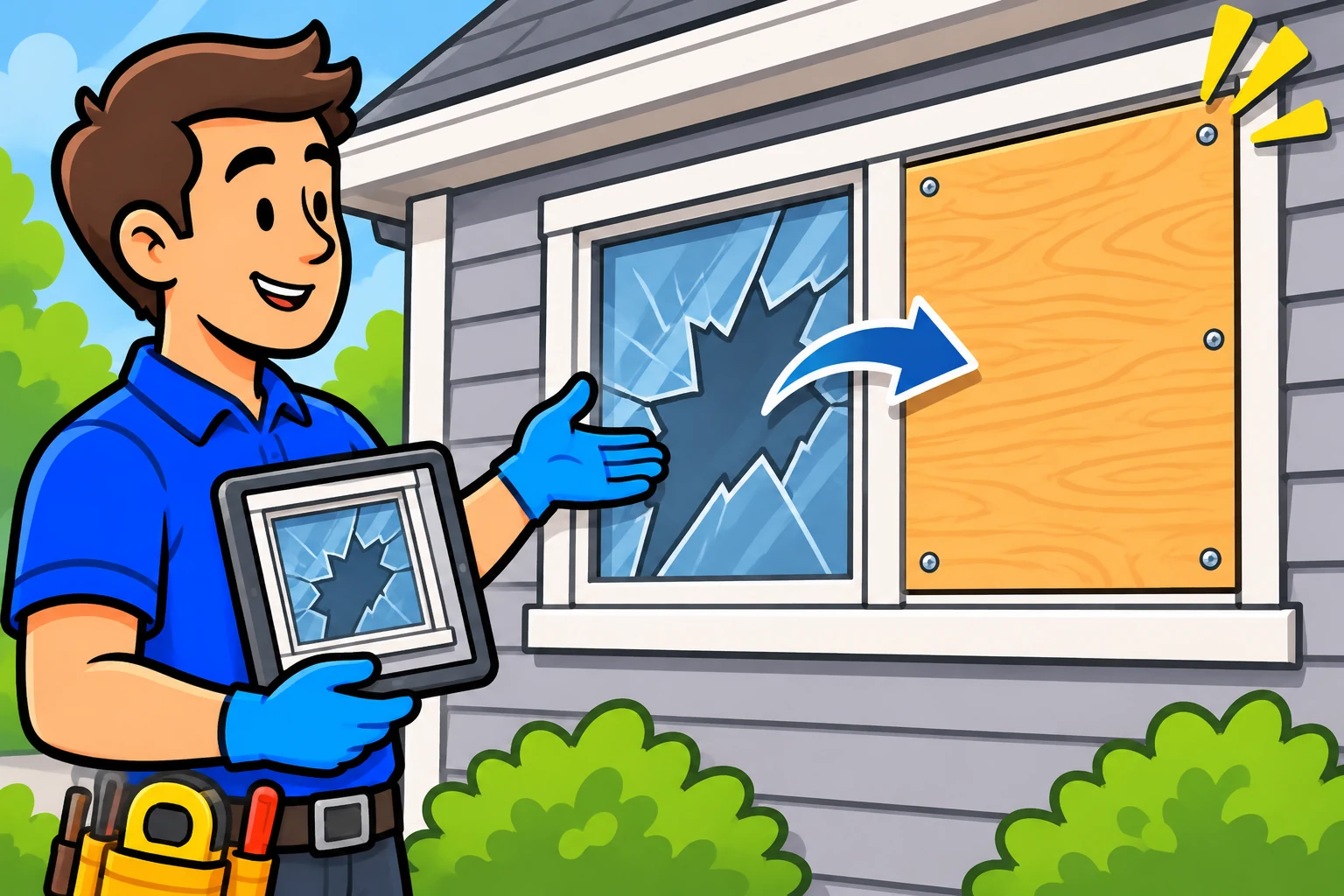
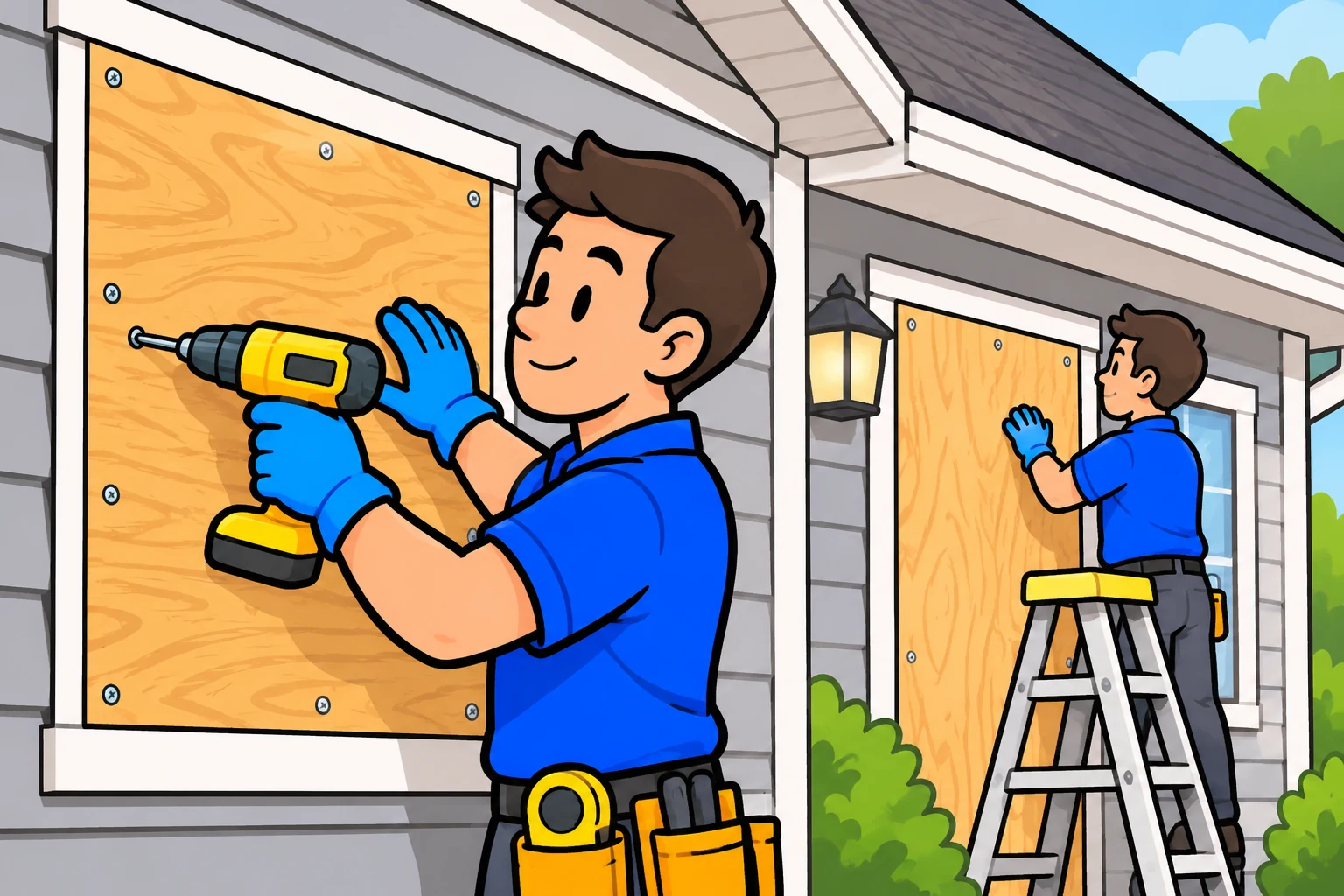
Damaged window protection
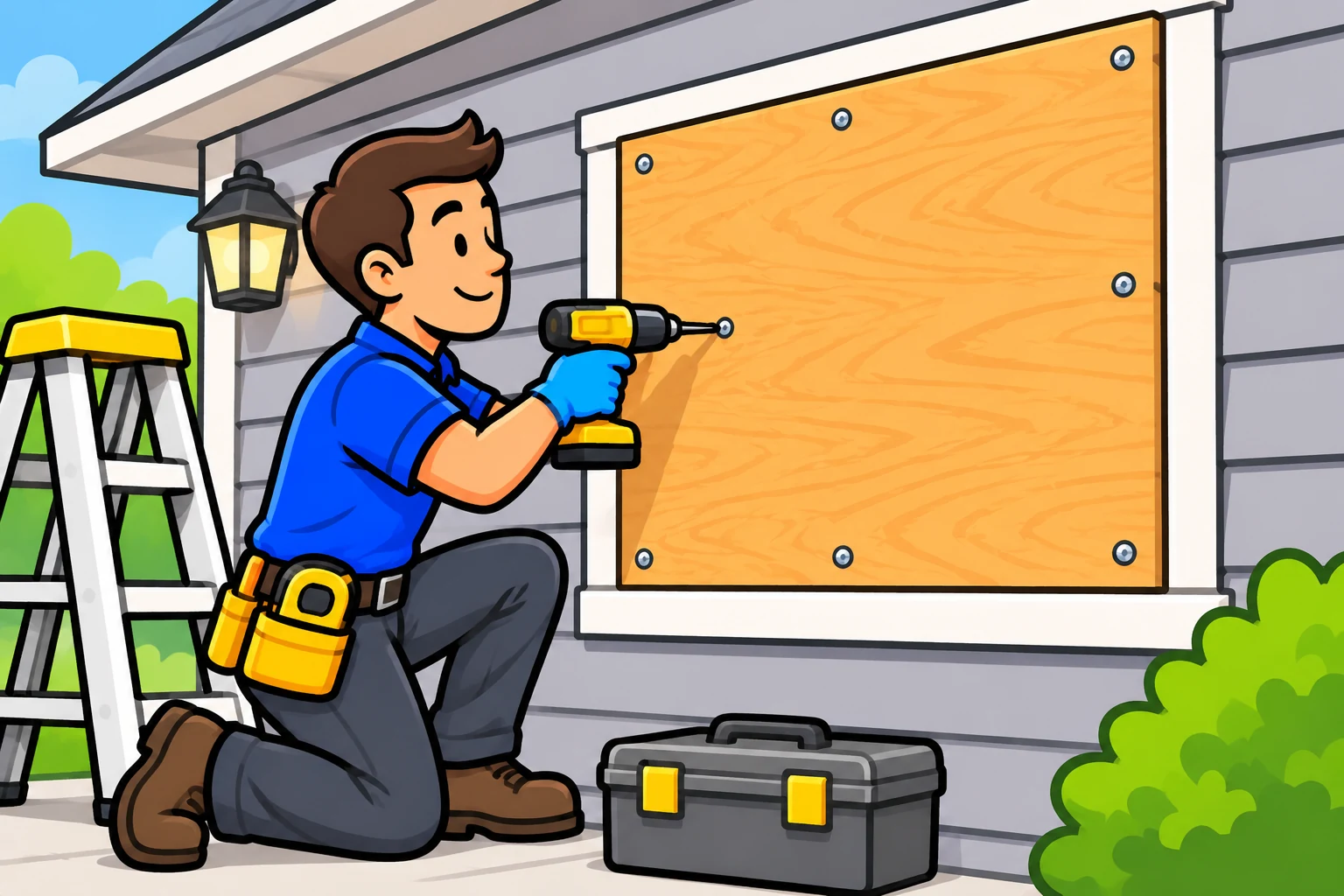
Temporary plywood opening covers
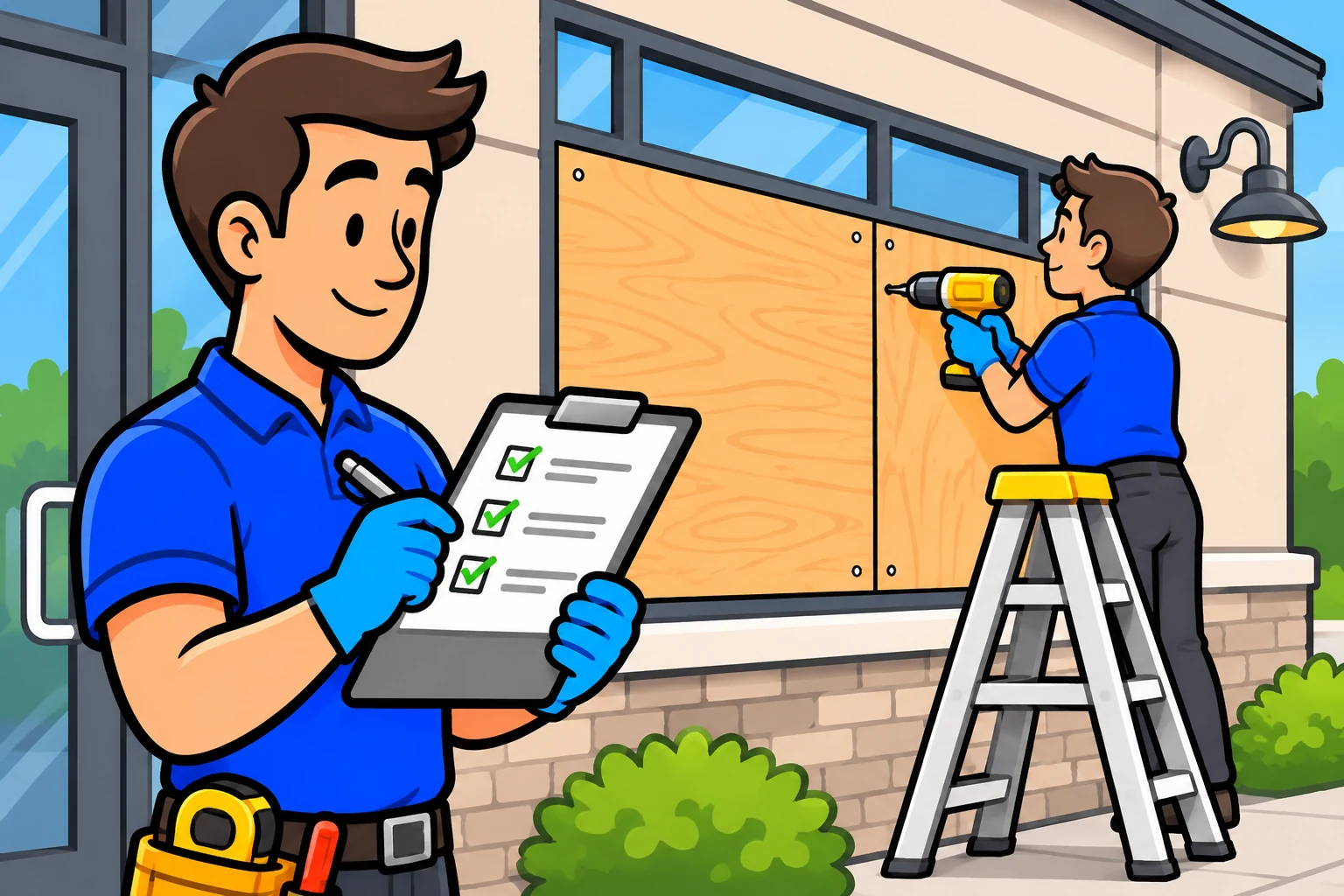
Weather-exposure planning
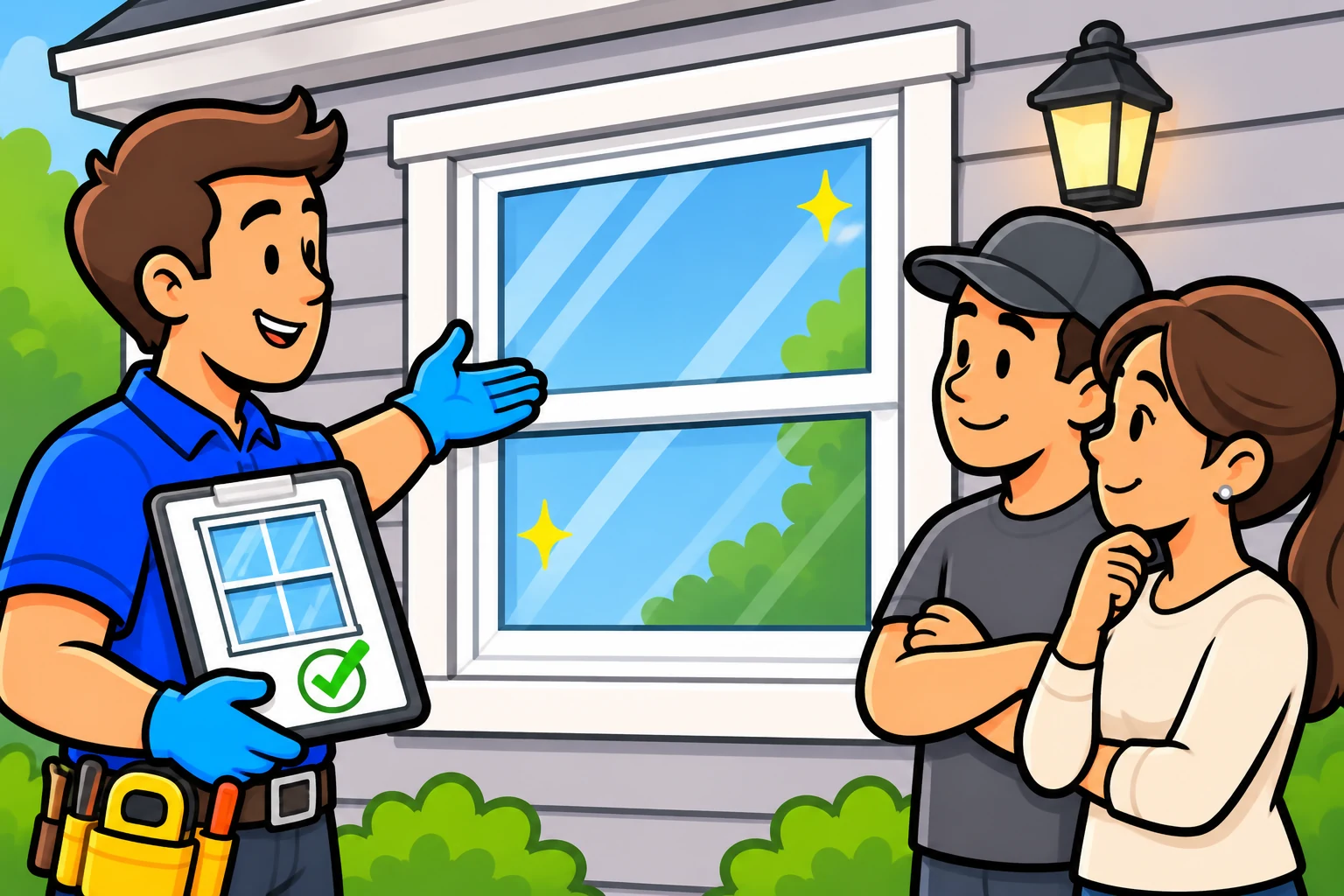
Coordinating the permanent repair
Exposed windows and doorways
Define the workIdentify the opening and surrounding damage before choosing temporary protection.
Access that remains understandable
Match the site conditionsOccupants and authorized property managers need a practical entry arrangement during repairs.
Temporary work with a next step
Plan the next stageA covered opening still needs assessment of glazing, frames and any related building damage.
Serving Boise and the Treasure ValleyEmergency Board-Up Services in Boise and Nearby Communities
Disaster Cleanup provides board-up help in Boise and the Treasure Valley service areas described on the site. Homes, storefronts and managed buildings can have different access and opening conditions even within the same neighborhood. Provide the address and describe the exposure from a safe location. Current availability and the building condition must be discussed; a city listing is not a fixed arrival or same-day completion promise.
The existing service-area listings include Ada County, Boise, Caldwell, Canyon County, Eagle, Emmett, Garden City, Hidden Springs, Horseshoe Bend, Kuna, Marsing, Meridian, Middleton, Mountain Home, Nampa, Parma, Payette and Star. Call to discuss your address and access needs.
Discuss Your PropertyRequest a Free Inspection
Contact Disaster Cleanup when an exposed opening needs temporary protection and the scene is available for safe assessment. Describe the damage, occupancy and authorized access needs. Keep clear of loose glass or weakened building parts, and ask how the temporary scope connects with the permanent window, door or building repair.
Call (208) 999-2353Client ReviewsWhat People Say About Us
Disaster Cleanup is 5-Star Rated on Google


Frequently Asked Questions
What does a board-up accomplish?
It provides temporary protection over an exposed opening while permanent repair is arranged. It does not replace a window or door, establish structural safety or guarantee that the building has normal weather and security performance. The proposal should distinguish the temporary protective measure from the repair that ultimately restores the opening.
Should I remove broken glass first?
Do not handle loose glazing or climb near a damaged opening to prepare for the crew. Keep others clear and explain what is visible from a safe position so access and debris can be considered in the plan. Photos are helpful only when they can be taken without approaching loose glass or unstable surfaces.
Can an occupied property be boarded up?
The scope needs to account for occupants, authorized entry and required exits. Explain which rooms remain in use. An opening should not be blocked without considering how people can safely enter and leave the building. Required exit and ordinary convenience access are not interchangeable, so describe both during the planning discussion.
Can you secure a building after a fire?
Temporary securing may be discussed once authorities permit access and the work area can be approached safely. A board-up is not a fire clearance, structural assessment or substitute for evaluating other fire-related damage. Structural and fire-related concerns remain separate even when the visible opening can be covered.
Is a roof tarp the same service?
Roof openings and window or doorway board-ups have different access and protection requirements. Describe the damaged building areas rather than assuming one temporary method addresses them all. Any roof access needs its own safety assessment. Different access equipment or another trade may be needed for roof work, depending on the actual damage.
How long can panels stay in place?
Temporary protection should be coordinated with the permanent repair schedule and reviewed if conditions change. Weather, attachment surfaces and continued use can affect performance. Ask about the intended handoff instead of assuming panels require no attention. Let the responsible contact know if the opening, panel or surrounding building condition changes during the wait.
Does a board-up guarantee against another break-in?
No temporary protection can provide a universal security guarantee. The damage, building condition and access needs influence the scope. Discuss immediate protection and the permanent repair plan without treating temporary panels as a complete security system. Permanent repairs and any separate security measures should be planned for the actual property requirements.
Will insurance cover the temporary work?
That depends on the policy and event. Ask the insurer about documentation and authorization for reasonable temporary protection and keep the work scope with your claim records. Coverage should not be assumed for every opening or repair. Keep safe photographs and the temporary-work scope rather than assuming the insurer knows which openings were affected.