
Boise, IdahoLead Abatement
Lead abatement in Boise needs a defined material assessment and work plan before older painted surfaces are disturbed. Disaster Cleanup discusses testing, affected components and appropriate controlled methods for a property's actual condition. Do not sand, scrape or cut suspect paint to prepare. The next step should connect the identified material, intended disturbance and restoration needs rather than assume every old finish requires the same treatment.
Schedule a Free Inspection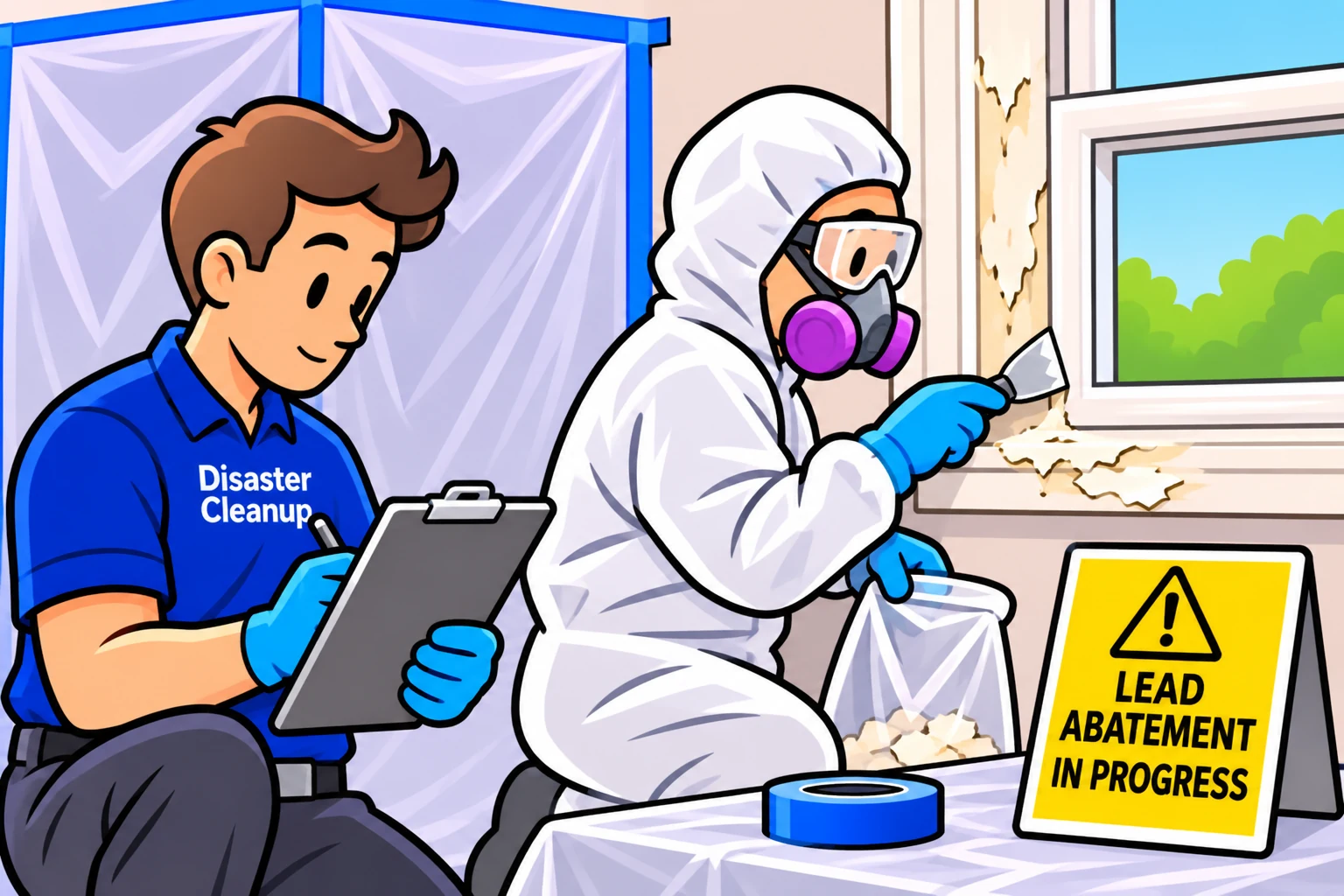
Find out how fast you can get service from your location
CONTROLLED WORK ON IDENTIFIED LEAD HAZARDSLead Abatement in Boise
Lead-related work is not the same as ordinary repainting. Paint condition, component use and the intended renovation all influence the questions, particularly where friction or deterioration creates dust and chips. Removal, enclosure or other appropriate approaches need to be considered for the actual project. A new topcoat alone should not be described as proof that an underlying lead hazard has been resolved.
An owner may be planning new windows, repairing a water stain or updating painted trim without knowing which older layers remain underneath. Share the intended work and any existing findings so the assessment follows the component that will actually be disturbed. In an occupied property, also identify room use, belongings and access needs. Those details connect a material decision with a practical plan for handling and later restoration.
When to Discuss Lead Abatement
These observations are reasons to ask a material and work-planning question, not proof that paint contains lead. Pay attention to the components scheduled for disturbance and any recurring chips or dust. Keep existing reports available without extending their conclusions to different products or locations.
- Deteriorating paint on older trim or walls
- Old window surfaces producing chips or dust
- Painted components scheduled for cutting or removal
- Water-damaged finishes in an older property
- A renovation with missing material records
- Earlier testing that identifies an affected painted component
What Happens After You Call
The call connects painted-component questions with the intended repair. We discuss identification, appropriate controlled work and the restoration handoff without asking you to disturb the surface or collect a sample first.
- Describe condition, component locations and whether disturbance has already occurred.
- Share earlier material findings and explain occupied areas or restrictions.
- We discuss which products or layers need assessment and what the proposed work should accomplish.
- Separation, component decisions, cleanup and debris movement need to fit the identified condition.
- Understand the applicable handoff, remaining restrictions and restoration work before finishes are covered or the project expands.
Common Situations We Assess
Deteriorating painted surfaces
Chipping or peeling paint can produce debris without a planned remodel. The affected component, surrounding surfaces and history guide the assessment. Age or color alone does not identify lead, and cleaning visible chips does not necessarily resolve the source of deterioration. The underlying reason for deterioration may also need repair rather than another decorative finish.
Window and door friction
Repeated movement can abrade painted surfaces at contacting edges. Those component conditions may matter even when a nearby wall appears intact. Tell us where dust or chips recur without repeatedly operating a damaged surface to demonstrate the problem. A contact edge can wear differently from the broad painted face of the same component.
Renovation disturbance
Cutting trim, removing a door or opening a painted wall can change the amount and movement of dust. Testing and work planning should follow the actual proposed disturbance rather than rely on a result from an unrelated component or room. A change from repainting to removing trim can change what product or layer is disturbed.
Water or fire damage to old finishes
A property event can expose older paint layers and leave debris mixed with other damaged materials. Access permission, source correction and material questions should be considered together so a general repair does not expand through suspect finishes without review. Damage repair and identification are connected questions, not permission to start uncontrolled scraping.
Concealed older paint layers
A modern surface coat does not characterize every underlying layer. The material question should follow what will be disturbed, including contact edges or components to be removed. Finding one identified surface does not automatically describe all products in the building. Findings should remain tied to the products actually represented instead of a whole-house assumption.
A change in property use or ownership
An owner, landlord or buyer may need to understand earlier testing and future work boundaries. Records are useful when they clearly identify surfaces and locations; a broad statement that a house was checked should not replace information relevant to the actual project. Earlier records can guide new questions without making unsupported claims about unexamined surfaces.
What to Do First: Safety and Preparation
Do not dry scrape, power sand or use a household vacuum on suspect paint debris. Keep children and pets away from loose chips and avoid tracking material into other rooms. If renovation already disturbed the surface, stop that activity and describe the history. For questions about a person's possible exposure or health, consult an appropriate medical professional rather than use a property inspection as a diagnosis.
Do not use a fan to blow paint dust out of the room or carry loose chips through living areas. Explain whether household cleaning, sanding or vacuuming already occurred and which routes were used. That information helps define the assessment without an owner attempting to retrace contamination by walking through the affected space.
- Do not sand or scrape suspect painted surfaces.
- Keep children and pets away from chips and dust.
- Leave unassessed debris separate from household rubbish.
- Share the proposed renovation and earlier material records.
Our Lead Abatement Process
1. Discuss the material and work history
We review the reported condition, planned disturbance and earlier findings. Explain any sanding, removal or debris movement that already occurred so assessment is not limited to how the original surface looks now. Changes to a planned renovation can change the material question, even within the same room.
2. Arrange appropriate identification
Testing questions should relate to the actual painted components and work boundary. A result should remain understandable in relation to the product and location represented rather than be treated as unlimited approval for unrelated future demolition. A report should name the surface and location so later trades understand what was represented.
3. Review methods and boundaries
The plan considers the component condition, intended outcome and appropriate approach. Removal, enclosure and coating-related work are not interchangeable labels; discuss what is proposed and how remaining materials will be treated before authorization. Explain the intended finished result and the treatment of surfaces that will remain after the work.
4. Plan separation and controlled work
Occupancy, belongings and routes through the property influence the setup. The owner should not prepare by sanding or collecting chips, and a newly exposed material should prompt review if it is not represented by the agreed assessment. Protection and routes should fit the occupied property rather than assume all adjoining rooms are empty.
5. Address debris and work-area cleanup
Handling and cleaning need to fit the identified material and project. The proposal should distinguish affected debris from ordinary household rubbish and explain the applicable completion or verification steps without substituting a cosmetic appearance for those requirements. Discuss the applicable completion process before the next trade schedules work that would cover the affected area.
6. Coordinate completion and restoration
Review what was addressed, what remains and any limitations relevant to the next trade. Replacement trim, walls or other finishes should follow the agreed handoff rather than conceal a condition still needing assessment or further controlled work. Keep records of addressed and remaining components available for future repairs or property management.
Why Choose Disaster Cleanup
Lead-related planning is most useful when it makes the surfaces, proposed disturbance and completion process explicit. Disaster Cleanup offers related testing, demolition and reconstruction services, allowing the repair goal to remain part of that conversation. Ask which components are represented by findings and how newly exposed products will be handled instead of relying on a broad claim about the entire building.
The repair goal matters to the selected approach. Replacing a component, treating a deteriorating surface and leaving an intact surface undisturbed are different decisions, even where the material finding is similar. Ask how the proposal records those distinctions and what responsibilities remain for later work. A useful completion discussion also identifies remaining surfaces so future contractors do not assume that every painted component in the property received the same treatment.
What Affects the Project Schedule?
Material identification, component condition, project size, separation needs and any applicable verification influence sequencing. Laboratory or specialist questions and replacement materials can have their own timelines. A drive-time estimate does not establish how long abatement or the subsequent reconstruction will take, and no fixed completion promise applies to every property.
Insurance and Project Documentation
Insurance treatment depends on the policy and reason for the work. Planned renovation and lead-related work necessary after a reported loss can be treated differently. Keep material findings and the proposed boundary clear, and ask the insurer about approval. A test or estimate does not decide coverage for every painted surface or follow-on repair.
Stop unassessed paint disturbance and plan the next step
If suspect paint is already being sanded or removed, pause the activity and limit traffic near the debris. For intact surfaces and future work, arrange a planned assessment rather than creating dust to investigate. Share previous reports and the intended renovation, and use an appropriate medical professional for questions about individual exposure or symptoms.
For stable future work, planning is the priority rather than urgent removal of every old finish. For already disturbed material, explain the event and keep access limited while the next assessment step is discussed. Neither situation requires an owner to collect dust as evidence.
Information That Helps Define the Next Step
- Deteriorating paint on older trim or walls
- Old window surfaces producing chips or dust
- Painted components scheduled for cutting or removal
- Water-damaged finishes in an older property
Lead AbatementAssessment, Work Planning and Restoration
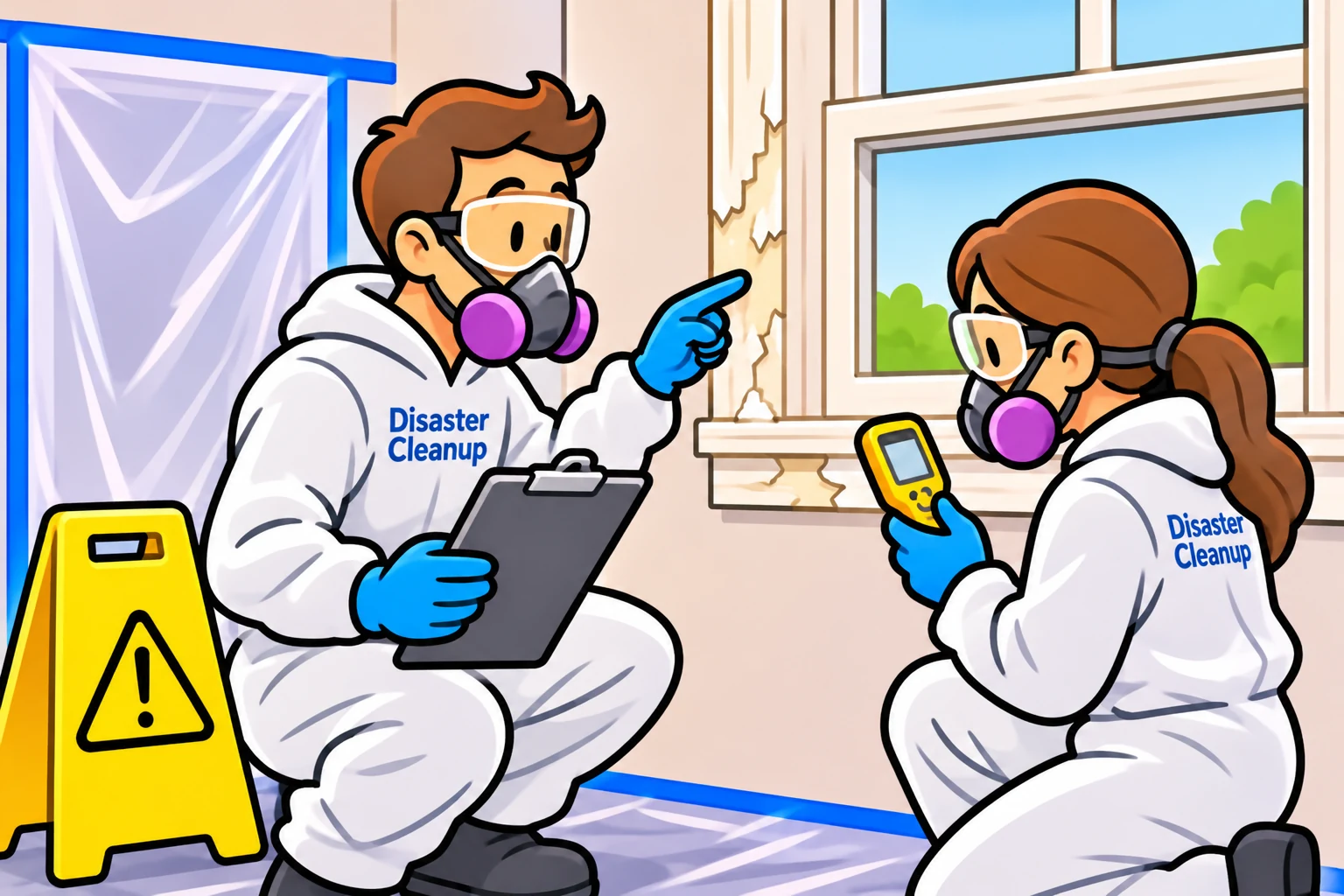
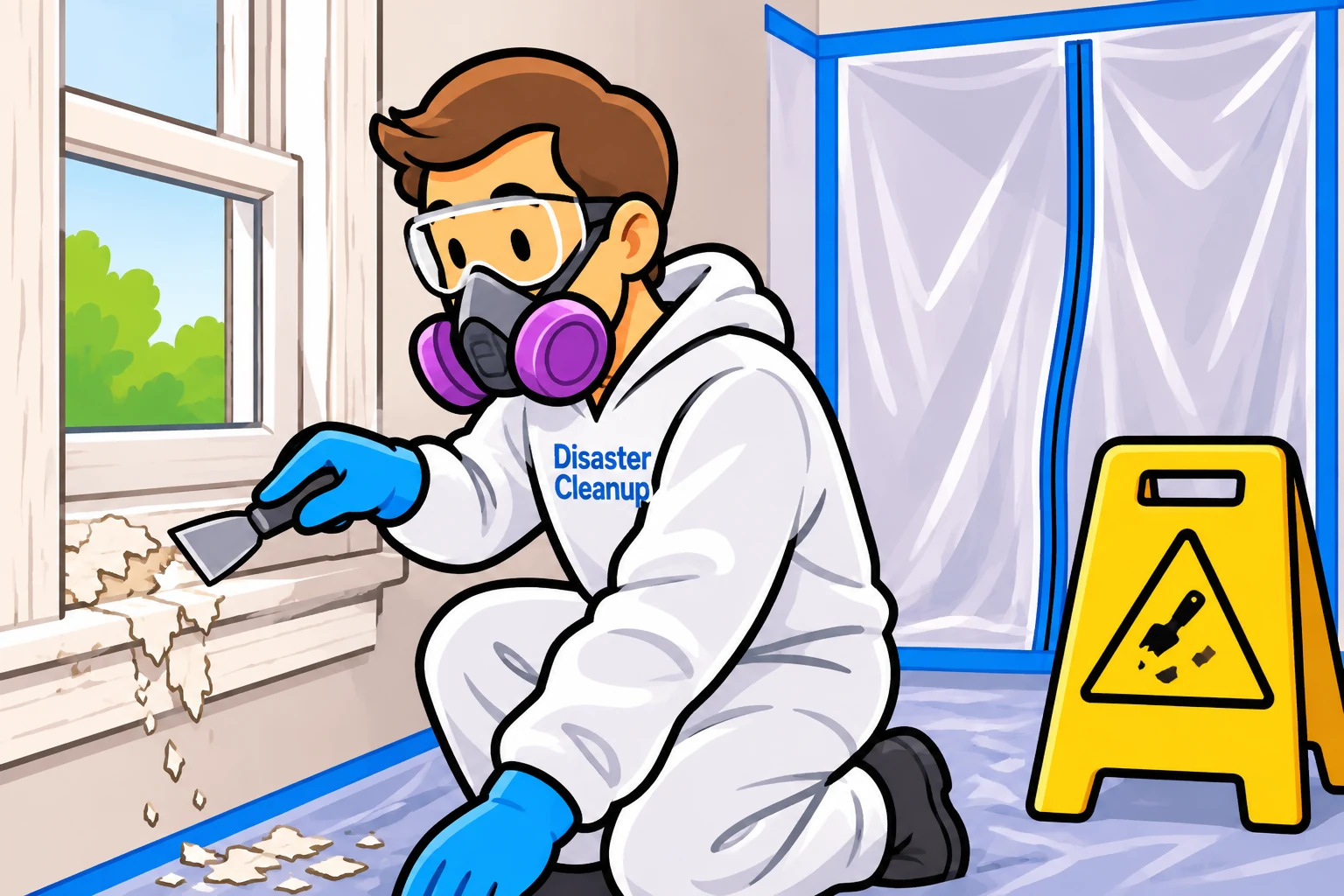
The illustrations show painted-component and controlled-work topics, not a visual diagnosis of lead content. Window trim, door edges and other finishes can have different wear patterns and assessment questions. Explain what you intend to repair or remove before choosing a method. Material findings, containment needs and the rebuilding goal should form one understandable sequence while each testing, treatment and restoration task remains clearly within its own agreed scope.
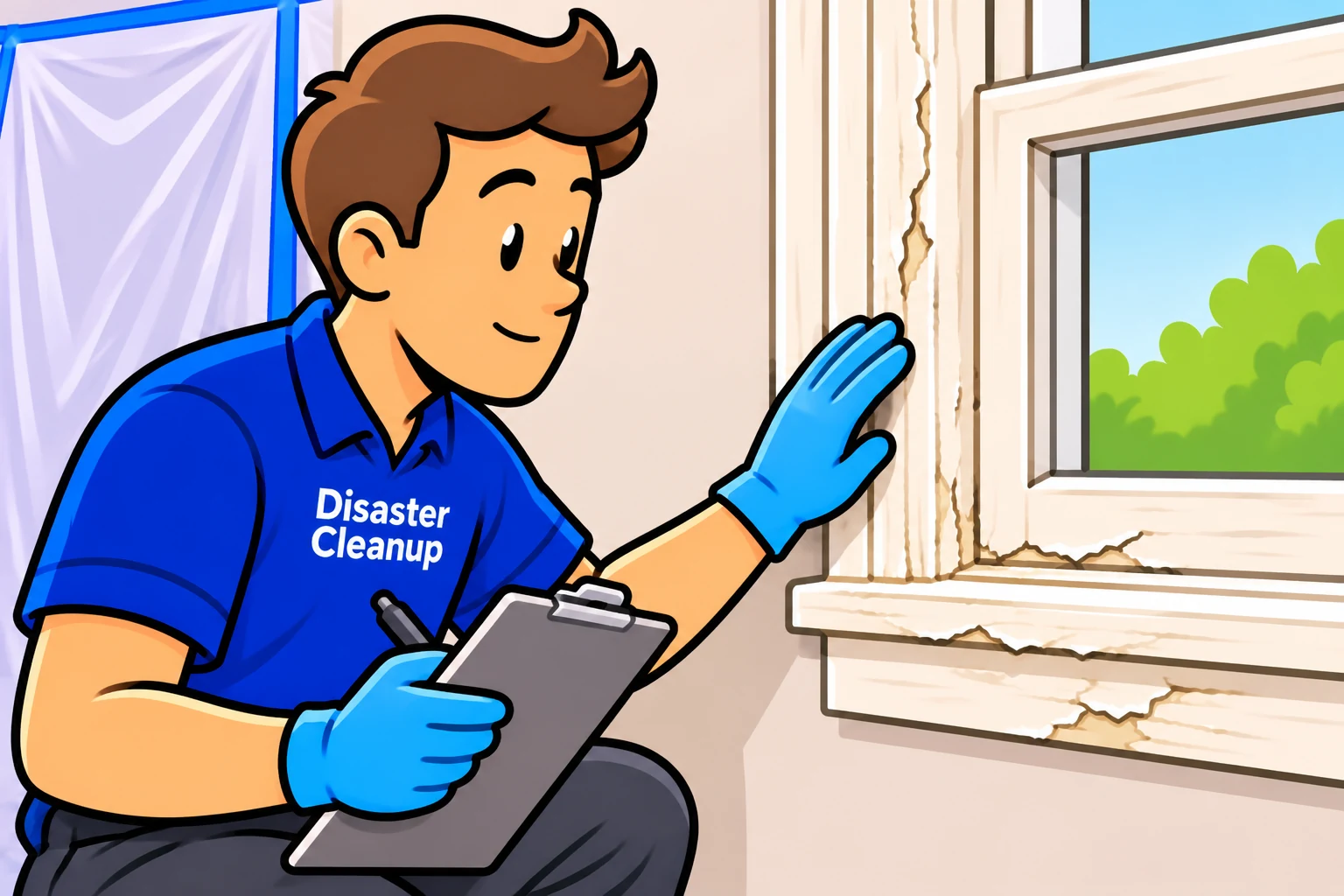
Assessing older painted components

Planning controlled paint-related work
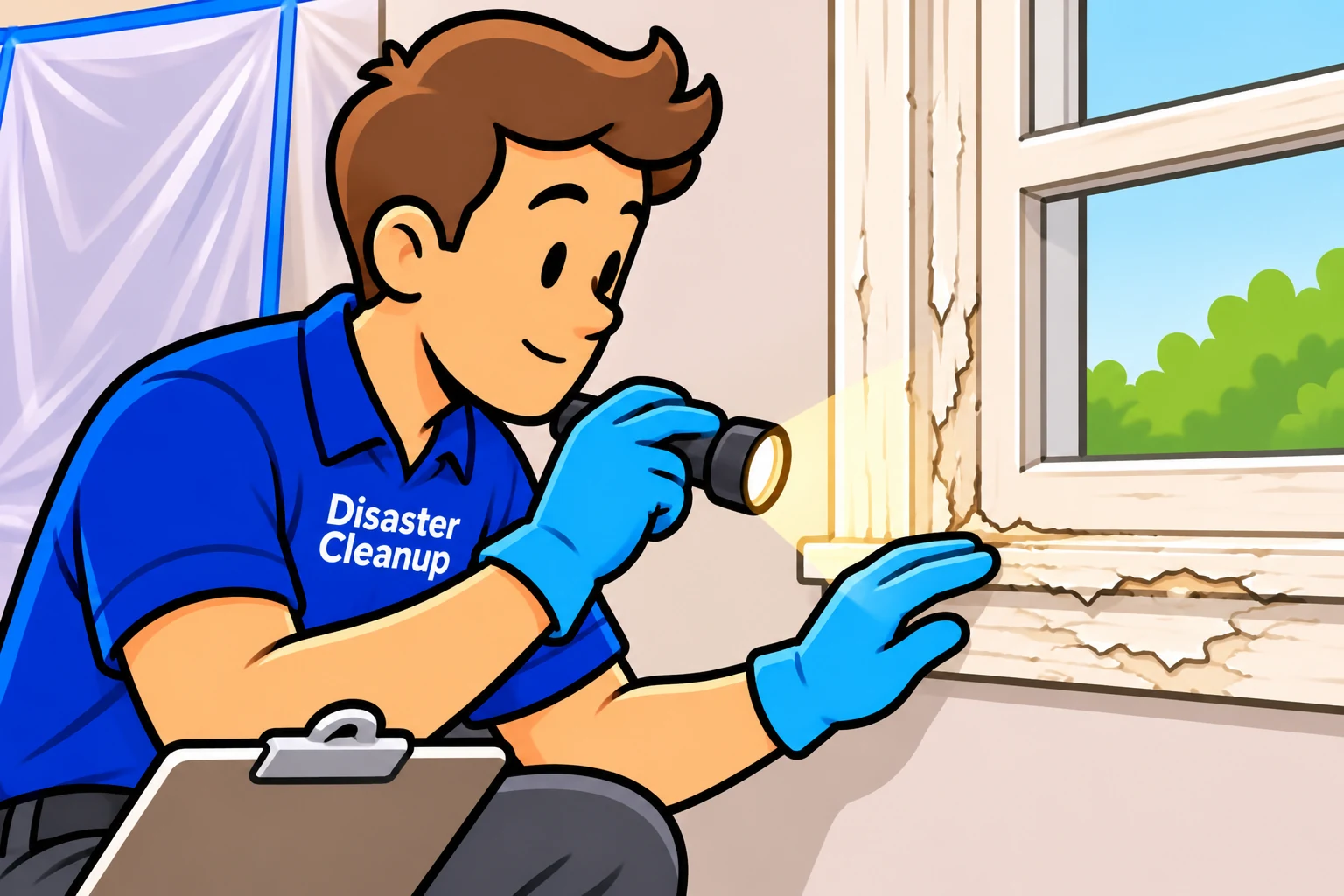
Reviewing trim and window surfaces

Coordinating cleanup and finish restoration
Findings tied to components
Define the workPaint condition and testing should be related to the surfaces that will actually be disturbed.
Methods matched to the project
Match the site conditionsControlled removal and other treatment choices need an understood purpose and boundary rather than a generic painting assumption.
A documented restoration handoff
Plan the next stageThe next trade should know which components were addressed, which remain and what completion process applies before rebuilding.
Serving Boise and the Treasure ValleyLead Abatement in Boise and Nearby Communities
Lead abatement is offered in Boise and the Treasure Valley service areas described on this website. Older properties and later renovations can contain multiple finish histories, so neighborhood age is not a material result. Provide the location and affected components when arranging assessment. A listed city does not establish that every building there contains lead or that every surface in your property has been examined.
The existing service-area listings include Ada County, Boise, Caldwell, Canyon County, Eagle, Emmett, Garden City, Hidden Springs, Horseshoe Bend, Kuna, Marsing, Meridian, Middleton, Mountain Home, Nampa, Parma, Payette and Star. Call to discuss your address and access needs.
Discuss Your PropertyRequest a Free Inspection
Before disturbing suspect painted components, contact Disaster Cleanup to discuss an initial assessment, existing reports and the intended work. Leave chips and dust undisturbed and ask which identification, controlled handling and completion steps apply to the proposed project. Clarify separate testing and restoration charges before authorizing additional services.
Call (208) 999-2353Client ReviewsWhat People Say About Us
Disaster Cleanup is 5-Star Rated on Google


Frequently Asked Questions
Can I tell whether paint contains lead by its color?
No. Appearance and building age can prompt a question but do not establish composition. Appropriate testing should represent the product and surface involved in the proposed work. Do not scrape or sand a finish yourself merely to find out what lies underneath. The question should follow the material that will be disturbed, including underlying layers where relevant.
Is ordinary repainting the same as lead abatement?
No. A new decorative coating does not by itself establish that a lead-related hazard has been resolved. Component condition, intended disturbance and the proposed method matter. Ask what the work is designed to accomplish and how remaining materials and the completion process are addressed. Ask what the proposed method accomplishes rather than rely only on a product or coating name.
Should every old painted surface be removed?
Not necessarily. The condition, use and proposed work affect the appropriate decision. An intact surface that can remain undisturbed raises different questions from deteriorated paint or a component scheduled for removal. Discuss the actual project instead of assuming one treatment fits every room. The work boundary should be proportionate to the actual condition and planned activity.
What if a remodel already created dust?
Stop the disturbance, keep others away from debris and avoid dry sweeping or household vacuuming. Explain what was cut, sanded or moved and where it remains. The history can influence assessment beyond the original component and should not be hidden by further cosmetic cleaning. Tell the team whether debris has been carried through occupied spaces or ordinary equipment was used.
Does a new topcoat mean the old layers are lead-free?
No. A newer coating does not identify the composition of underlying layers that may be disturbed later. Testing and work planning need to match the products involved. A finding for one visible area should not be extended to every layer or unrelated component without appropriate basis. Future work that exposes another product may require the earlier assessment to be reviewed.
Can an inspection diagnose lead exposure?
No. A property assessment cannot diagnose an individual or determine their medical condition. Consult an appropriate healthcare professional for exposure or symptom questions. Material findings should be used for the building and work decisions they actually address, not as a personalized medical conclusion. The material report and a medical assessment address different questions and should not be substituted for one another.
Can lead work be coordinated with demolition?
Related testing, lead work and selective demolition can be discussed together, but the sequence and boundaries must remain clear. Ordinary demolition should not start through unassessed suspect finishes. Ask how the material findings inform the removal scope and the subsequent reconstruction handoff. The proposal should make clear which ordinary removal must wait for the material decision.
Will insurance pay for lead abatement?
That depends on the policy and event. Elective renovation and damage-related controlled work can have different treatment. Ask the insurer about authorizations and documentation, and keep testing, abatement and rebuilding costs distinguishable rather than assume a single estimate establishes payment for all three. Keep the actual painted components and reason for the work clear in the insurer discussion.