Nampa, IdahoMold Remediation in Nampa
Mold remediation in Nampa begins with the material and moisture questions at the actual property. Disaster Cleanup discusses assessment, controlled cleaning or removal, drying and restoration for homes and other spaces. A musty crawl-space concern, a sink cabinet and a repainted wall can require different decisions. Leave suspected growth undisturbed and share the history rather than use color, building age or a new finish as the diagnosis.
Schedule a Free Inspection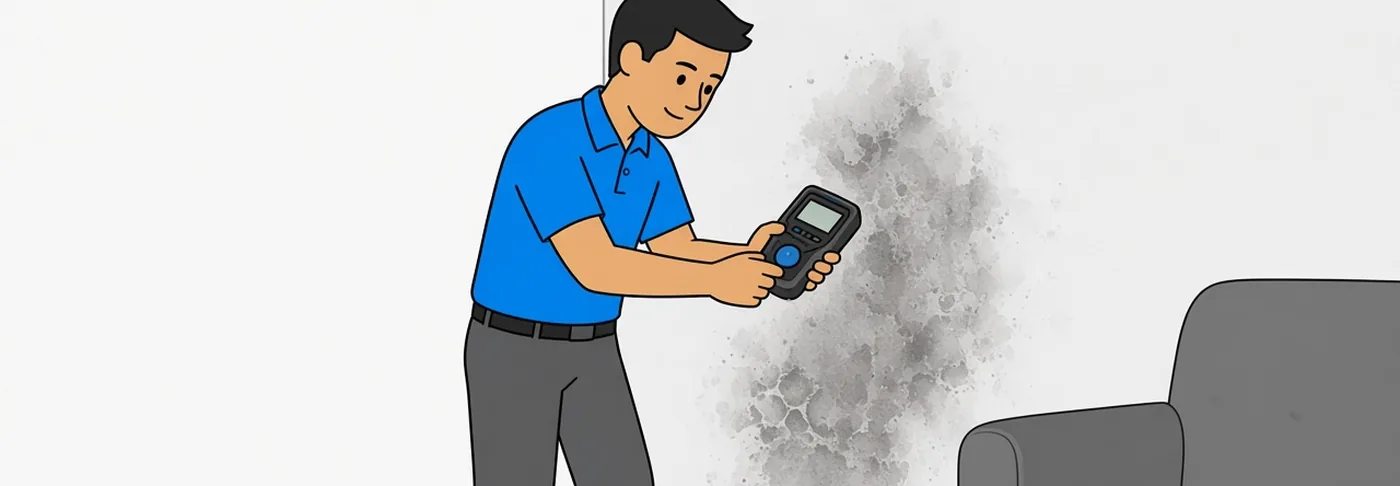
Find out how fast you can get service from your location

MOISTURE AND AFFECTED-MATERIAL RESTORATIONMold Remediation for Nampa Properties
Nampa's older downtown housing, lower spaces and newer subdivision properties can present different moisture and material questions. These settings help frame questions without proving a cause or a material finding. A floor assembly above a crawl space can limit visibility differently from an exposed cabinet surface, while a cosmetic wall repair may leave the earlier event history unclear.
Tell us about the leak, prior drying or painting and any source work already completed. For a rental or ownership change, earlier records may be useful but should not be treated as a complete characterization of unexamined areas. We discuss the accessible findings and limitations so cleaning, removal and the repair handoff remain connected to moisture-related decisions rather than a standard response to every dark spot.
Signs to Discuss at Your Nampa Property
A Nampa owner or manager may first notice an odor during a property review or a return of a stain after repairs. Keep the chronology and existing records available. The observations support an assessment without determining species, individual exposure or the condition of every concealed layer.
- Visible suspected growth after a leak
- Persistent musty odor near damp materials
- Wet or damaged insulation in a concealed space
- Recurring stains after a previous cleanup
- A wall or floor assembly that never fully dried
- A property assessment identifying material requiring remediation
What Happens After You Call
We first discuss the property location, known conditions and authorized access. The five stages below connect assessment with an understandable work scope and the decisions that follow.
- Tell us what is visible, when it appeared and what leak or drying work is already known.
- We discuss the affected space, occupancy and any concealed areas or existing reports.
- Findings guide cleaning, removal, separation and whether additional investigation is useful.
- The project follows material conditions and source-correction needs rather than one universal surface treatment.
- Understand what was addressed, what remains uncertain and which repairs or further evaluation are needed before finishes are restored.
Moisture and Remediation Questions in Nampa
Under-floor material and access
Crawl spaces in Nampa can have different water-entry, condensation and repair histories. At your property, source information and safe access still need review. Do not enter an uncertain void or move insulation to establish the extent. Framing, insulation and the room floor may need different retention decisions.
Older plumbing and cabinet symptoms
A slow connection or drain problem can affect material before a larger stain is seen. Age alone does not identify the actual fault. Share source-professional findings and when the symptom changed so remediation does not assume a repaired pipe has already answered the surrounding material question.
A new finish over an old concern
Fresh paint or replaced trim can limit what earlier damage is visible. Explain records and work history without claiming a current diagnosis from the finish alone. The proposed assessment should state what can be established and where additional access would have a useful purpose.
Seasonal or exterior wetting questions
Weather and irrigation timing appear in the existing local context but do not establish the source at an address. Describe the pattern and actual corrective work. Cleaning an interior surface and repairing an exterior pathway are distinct decisions even when both may belong in the overall plan.
Appliance-related moisture in newer rooms
An appliance connection can affect a cabinet, floor and adjoining wall in different ways. A newer building does not remove that possibility or justify automatic demolition. Describe the actual event and drying history so the work boundary follows supported material findings.
Attic and roof-related concerns
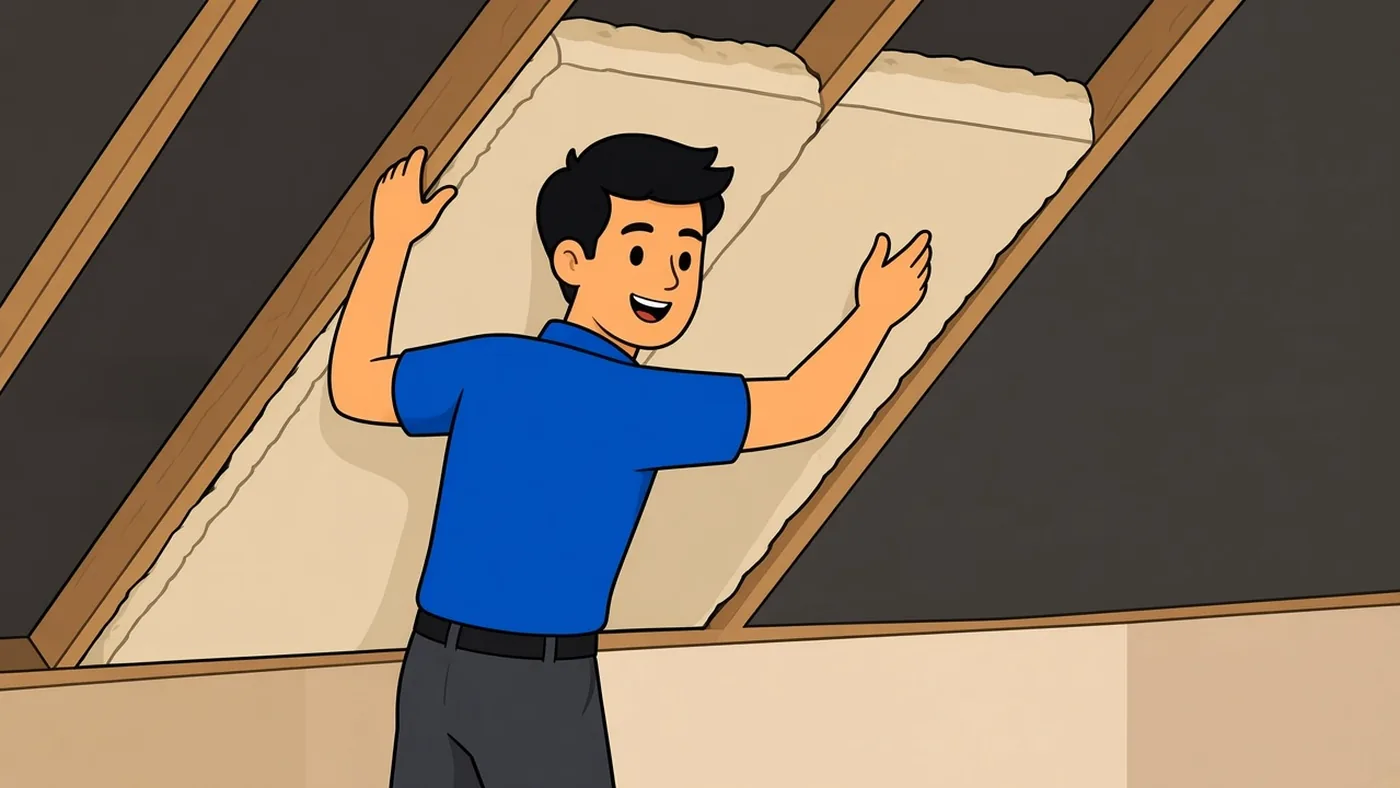
Roof repairs, equipment history and condensation can raise different questions about insulation and nearby finishes. Share what is known without climbing onto unsupported surfaces or collecting material. An accessible view should remain an assessment limit rather than a statement that the whole attic was examined.
What to Do First: Safety and Preparation
Do not scrub, sand or tear out suspected growth to prepare for a visit. Avoid directing household fans across affected surfaces or carrying suspect debris through occupied rooms. Discuss water entry and access from a safe position. If the area has electrical or structural danger, address that first, and use a medical professional for personal health questions rather than treating material appearance as a diagnosis.
If someone already used cleaners or removed a finish, explain the activity and the products involved. Do not add another chemical in an attempt to reverse the first treatment. Assessment should consider the actual history and remaining materials rather than require the owner to create a cleaner-looking surface before the visit.
- Leave suspected growth and affected insulation undisturbed.
- Do not blow household fans across suspect surfaces.
- Keep debris out of routine occupied routes.
- Explain known water entry and previous treatment attempts.
The Restoration Sequence for Your Nampa Property
1. Discuss the water and repair history
Discuss the actual Nampa water and repair chronology, stating where records are incomplete rather than guessing. Safe access and the authorized contact should be clear before sampling or removal is proposed for a room, lower space or other affected assembly.
2. Assess accessible affected materials
Visible findings, moisture information and the construction guide where attention is needed. Sampling may be useful for a defined question, but it is not automatically required in every situation or a substitute for understanding the moisture problem. Accessible findings should be distinguished from assumptions about unexamined cavities and neighboring rooms.
3. Plan the work boundary and separation
The proposed setup considers affected components, nearby occupancy and movement of belongings or debris. The owner should understand which materials will remain and which may need removal rather than receive a blanket promise of universal retention or demolition. Explain belongings and occupied routes so material movement can be considered along with the work area.
4. Clean or remove as appropriate
Material condition and the agreed scope guide controlled handling. Surfaces that remain require a suitable approach, while porous components may have different decisions. A cosmetic stain change should not be treated as the only objective of the work. Newly exposed layers or an unexpected source can require review before the work boundary expands.
5. Address moisture and review progress
Source correction and drying need to fit the assembly. Ask how unresolved water entry and accessible moisture conditions will be considered; a surface treatment cannot by itself prevent recurrence while the underlying pathway remains active. Do not equate removal of drying equipment with proof that every unrelated material was evaluated.
6. Review the restoration handoff
Review what was addressed, which access limitations remain and what the repair stage assumes about source correction. The completion statement should describe the bounded property work rather than every concealed surface, future water event or individual health outcome.
A Clear Restoration Plan for Your Property
A Nampa remediation scope should explain how the evidence supports each proposed task and what remains uncertain. That is helpful when a property has changed hands or only some source-repair records are available. The absence of a complete history should not be filled by unsupported conclusions about every concealed layer or by treating the whole building as one identical work zone.
Disaster Cleanup can discuss related water, testing, concealed-space and building work, while keeping their purposes and authorizations separate. Ask what condition the repair trade needs and which source correction remains outstanding. A cleaner-looking surface or a laboratory finding should not be used as an unlimited assurance about future growth, claim approval or a person's health.
What Affects the Project Schedule?
The affected material, access, separation, removal needs, drying response and source repairs influence the sequence. Laboratory questions or verification arrangements may add separate stages where relevant. Discuss the actual plan after assessment instead of relying on a fixed remediation duration, a guaranteed arrival or an assurance that every concern can be resolved in one visit.
Insurance and Project Documentation
The policy and cause determine coverage, including how a sudden reported loss differs from long-running moisture or maintenance concerns. Keep source-repair records and the proposed work scope. Your insurer decides authorization and payment; visible growth, a sample result or a remediation estimate does not establish that every task or later repair is covered.
Safe Next Steps for Mold Remediation in Nampa
Do not scrape growth, cut into finishes or carry suspect debris through occupied spaces before the visit. If a source is active or immediate electrical or structural danger exists, report that and obtain appropriate urgent assistance first. For a stable concern, gather the existing repair history and arrange authorized access. No owner, buyer or tenant needs to enter an unsafe crawl space or undertake another chemical treatment merely to make an assessment possible.
Information That Helps Define the Next Step
- Visible suspected growth after a leak
- Persistent musty odor near damp materials
- Wet or damaged insulation in a concealed space
- Recurring stains after a previous cleanup
Mold RemediationAssessment, Work Planning and Restoration
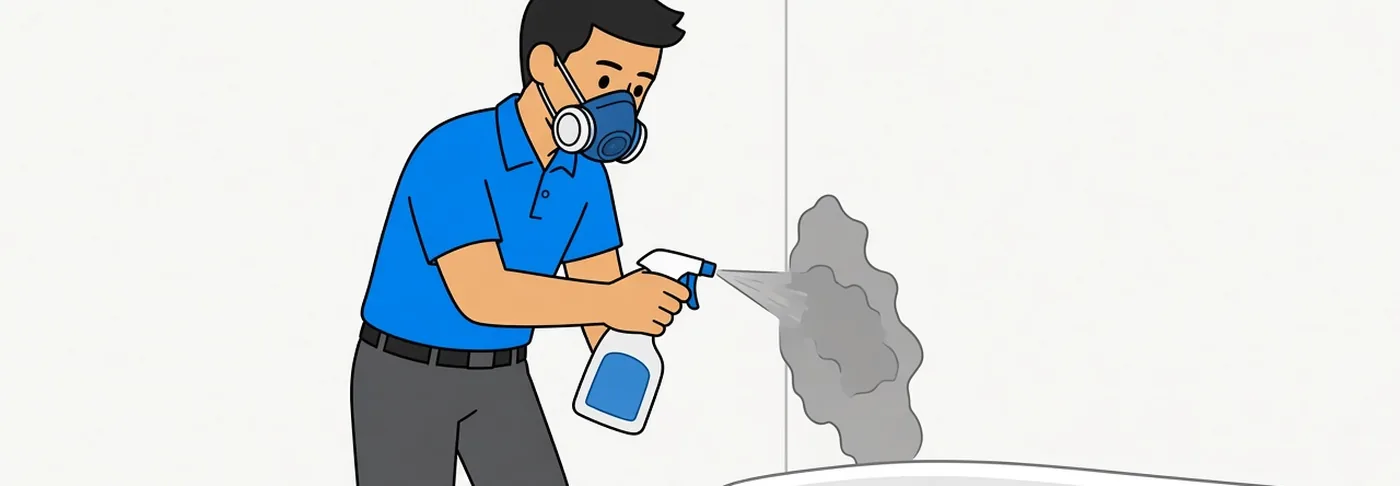
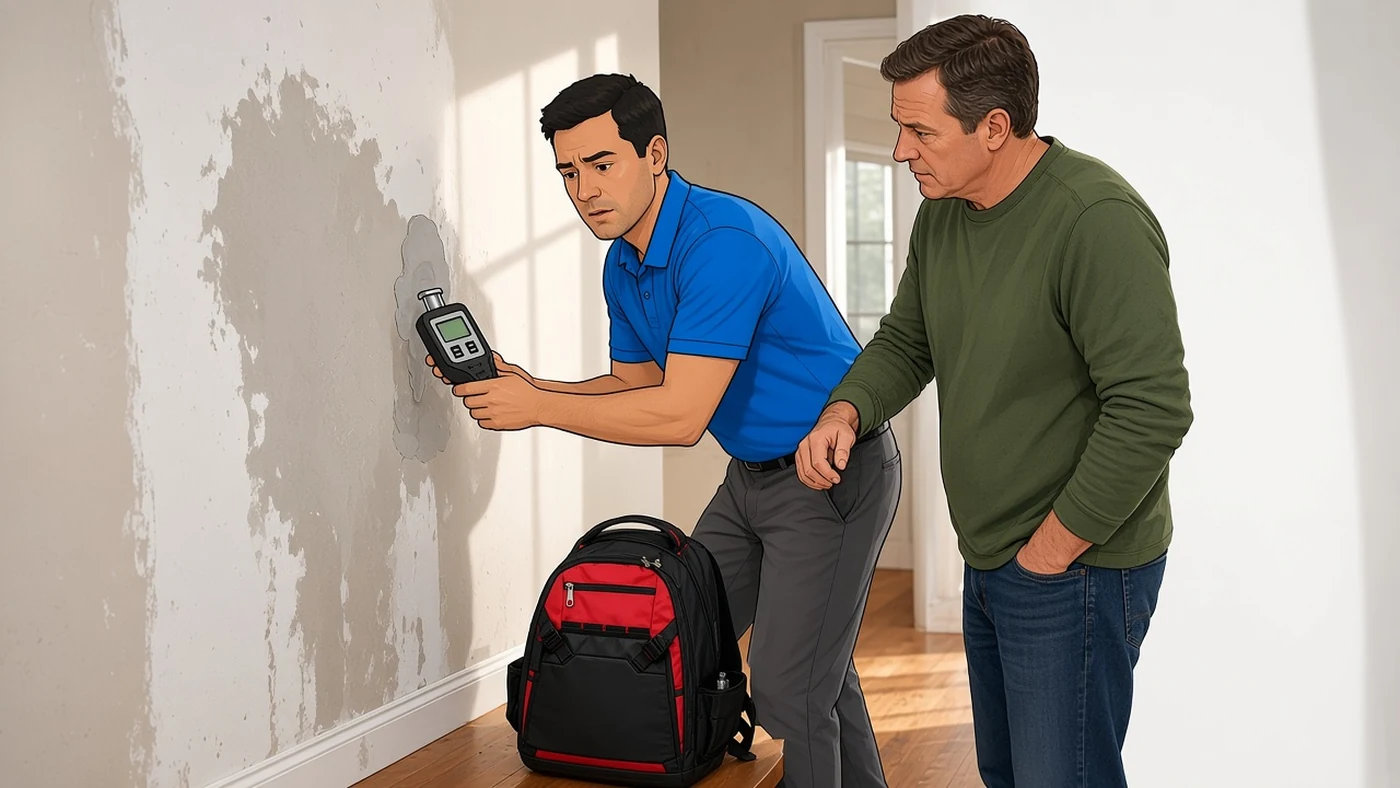
The illustrations show affected-material and restoration topics rather than identify the condition at a Nampa address. Retention, removal and access can differ among a cabinet, wall finish and crawl-space assembly. The proposed work should connect the source history and actual findings to a clear boundary. Discuss what remains uncertain before repairs cover the area instead of treating a new appearance as the only completion measure.
Assessing affected building materials
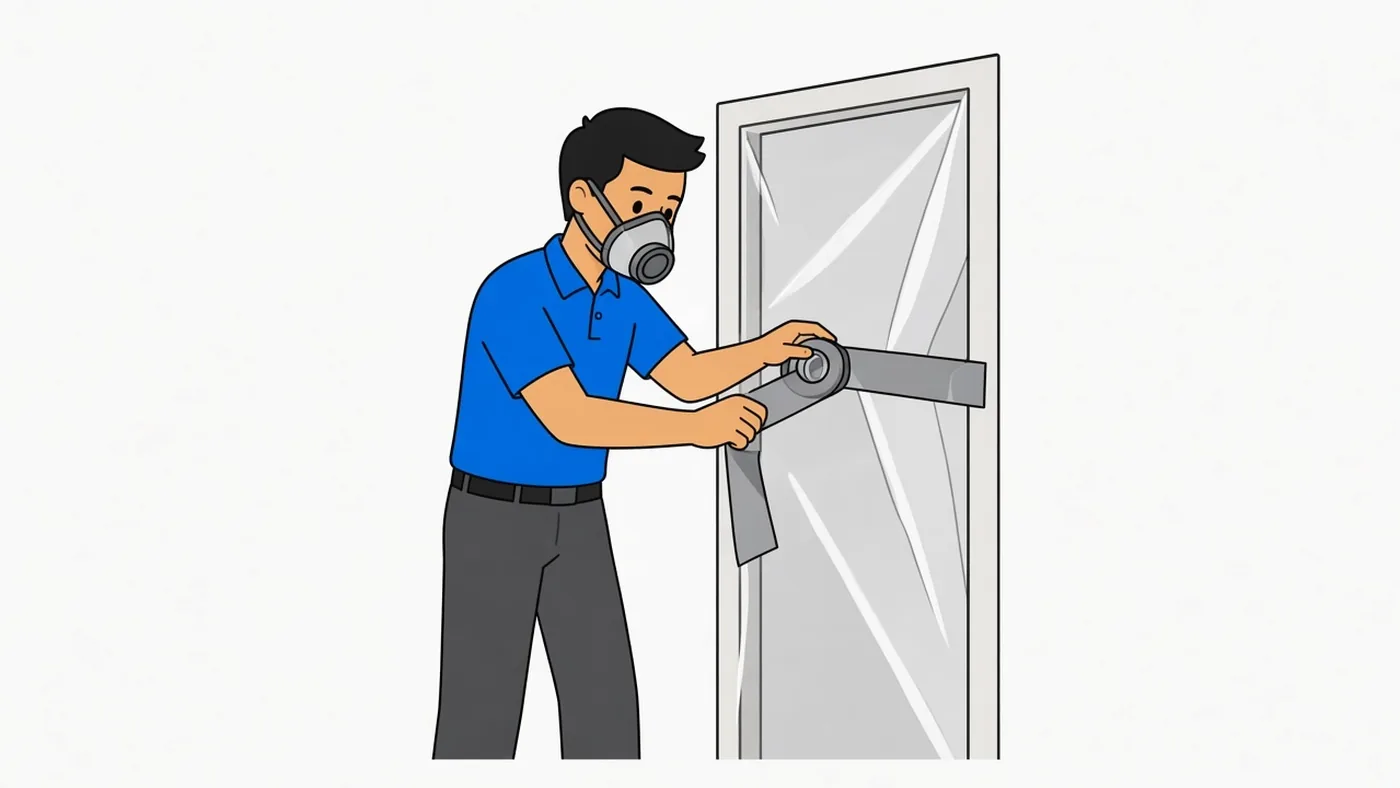
Planning the controlled work area
Addressing moisture and material access
Coordinating cleanup and rebuilding
Material decisions before cosmetic results
Define the workDifferent surfaces and layers require different access, cleaning and retention decisions.
Moisture connected to the work
Match the site conditionsA continuing leak or condensation pathway can remain unresolved after a stain has been removed or covered.
Clear scope and limitations
Plan the next stageFindings should describe the affected area and supported next steps without universal health, clearance or recurrence guarantees.
Serving Nampa and Nearby CommunitiesMold Remediation in Nampa
Nampa is within the existing Disaster Cleanup service coverage, with Caldwell, Meridian, Middleton and Kuna also described nearby on the site. Provide the address, affected space and authorized contact when discussing remediation. Neither a city listing nor a local housing example establishes a separate office, guaranteed arrival or property-specific source; those arrangements and findings must be discussed for the actual building.

Discuss Your Nampa PropertyRequest a Free Inspection
Request a free initial inspection for a Nampa mold concern and share available water, drying and repair records. Ask how findings support the proposed scope and which laboratory, source-correction or reconstruction tasks require separate agreement. Leave suspect material undisturbed rather than opening a cavity or repeating a treatment to establish the extent yourself.
Call (208) 999-2353Client ReviewsWhat People Say About Us
Disaster Cleanup is 5-Star Rated on Google


Frequently Asked Questions
What should I do about mold or odor in a Nampa crawl space?
Describe the known water history and observations from a safe opening or occupied area. Do not enter an uncertain void, move insulation or scrape material to establish the extent. Discuss safe assessment and the relationship between source correction, affected framing or insulation and later repairs before authorizing cleanup or removal.
What if the property was painted before I obtained it?
Share available records and be clear about what is unknown. A new finish does not prove either an active concealed problem or a complete earlier repair. The assessment should distinguish supported observations from uncertainty rather than fill missing history with guesses or a whole-building claim.
Should older materials be tested before mold work?
A proposed disturbance can raise separate identification questions about paint, insulation or other products. Existing findings should represent the actual material and location. Do not collect samples yourself, and ask what any testing would establish, what it costs and how it relates to the intended work.
What determines the schedule for Nampa mold remediation?
Affected layers, safe access, separation, cleaning or removal, source correction and drying influence the sequence. Additional evaluation or laboratory questions may add separate stages where relevant. Ask about the actual findings and handoff conditions rather than assume a fixed arrival estimate also establishes when every repair can be completed.
Should I clean suspected growth before the visit?
Leave it undisturbed rather than scrub, sand, paint or apply stronger chemicals as preparation. Explain any products or treatments already used and whether the source was repaired. Accurate history helps assessment; a cosmetically improved surface is not required and may leave the underlying material and moisture questions unanswered.
How can a landlord prepare without disturbing the area?
Confirm who can authorize entry, material and belongings decisions, and share existing event or repair records. Do not ask occupants to clean suspected growth, retrieve debris or enter an unsafe lower space. A clear contact arrangement is useful preparation even when not every historical question can be answered.
Does source repair mean remediation is unnecessary?
Not by itself. Stopping a leak and assessing the condition of affected materials are different questions. Share what was repaired and whether symptoms continued. The proposed cleanup, removal or retention decision should reflect the actual assembly rather than infer completion from a functioning fixture alone.
What happens before rebuilding or a claim is finalized?
Review the completed property boundary, remaining source work and material condition needed by the next trade. Your insurer separately determines coverage and authorization. An inspection, sample or remediation estimate does not guarantee a completion date, claim payment or readiness of every unexamined area for new finishes.