Boise, Idaho Asbestos Testing
Asbestos testing in Boise helps answer a specific question before older building materials are cut, removed or repaired. Disaster Cleanup can discuss the materials in your project, an appropriate sampling plan and what laboratory findings mean for the next step. A free damage inspection is not the same as unlimited laboratory testing; ask about the proposed scope and charges.
Schedule a Free Inspection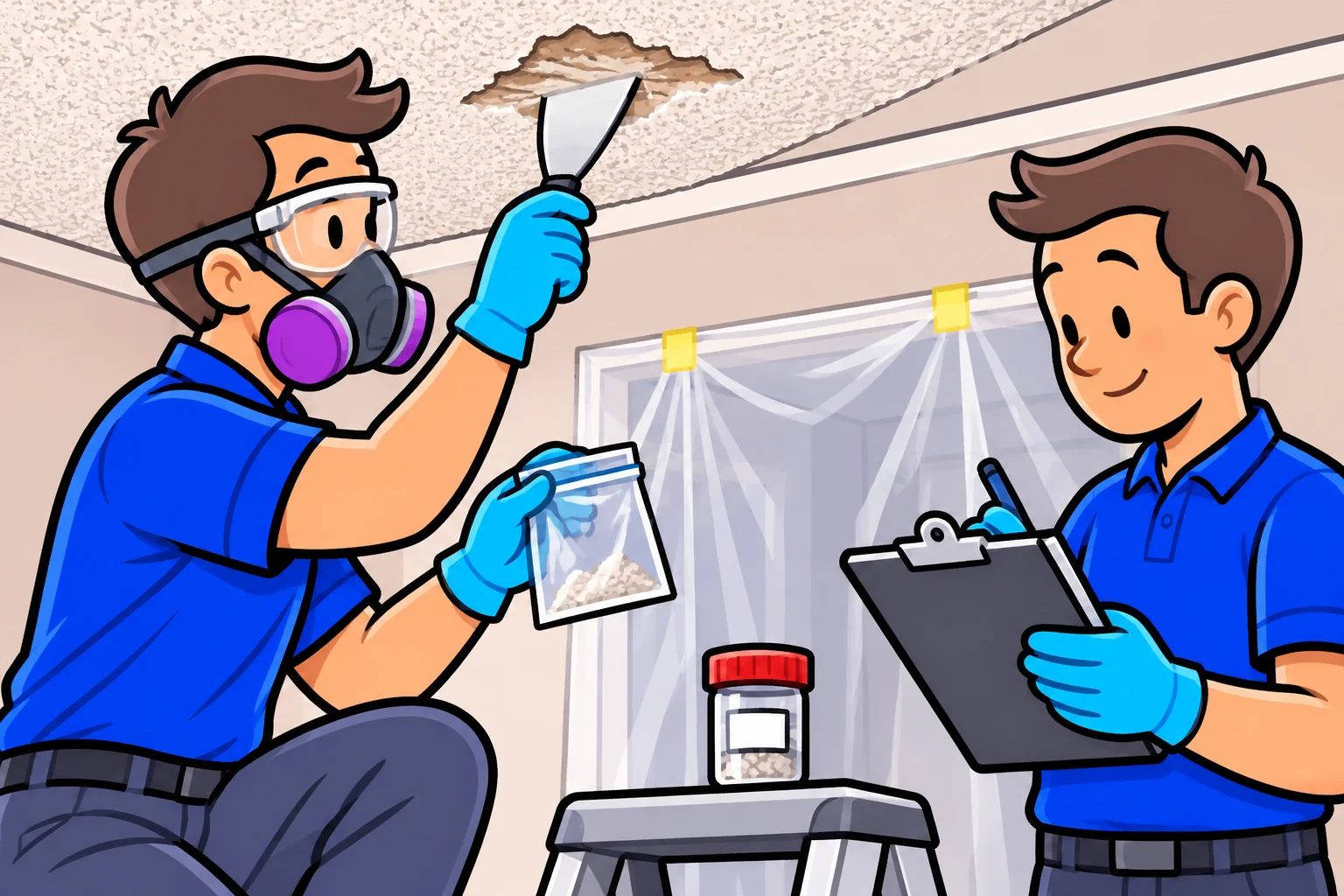
Find out how fast you can get service from your location
BEFORE RENOVATION OR REPAIR Asbestos Testing in Boise
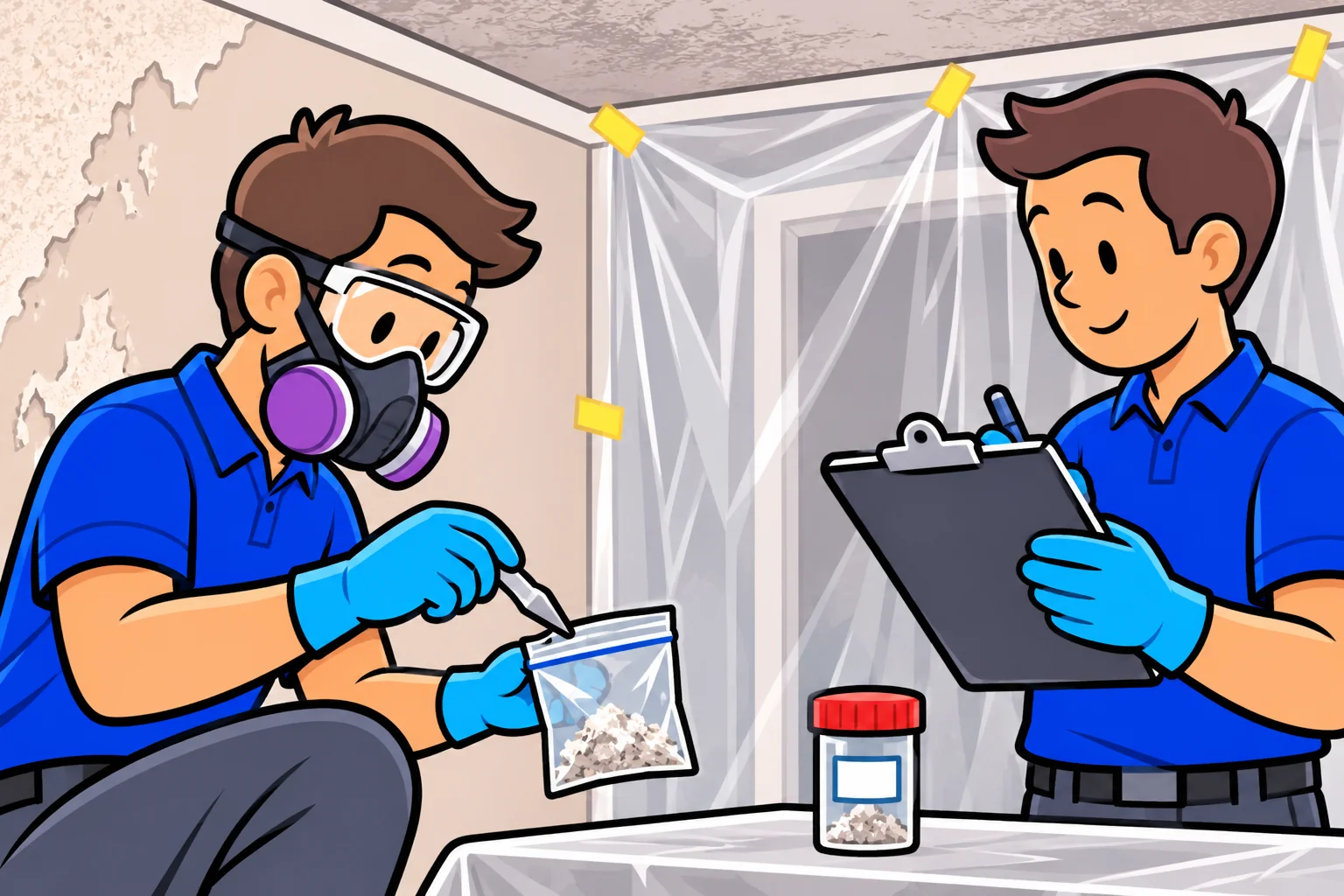
A test is useful only when it represents the material you plan to disturb. A ceiling finish, the joint compound beneath it and insulation nearby are different products, not one interchangeable sample. We help property owners relate the sampling questions to the work boundary so a report can support a practical decision instead of creating false reassurance.
Different products may look alike yet have different compositions, while one room can contain several installation periods. A sampling plan should therefore explain why particular materials are being assessed and how the findings will be used. If another contractor has requested a report, share the intended work boundary so the testing discussion addresses that need rather than an unrelated surface that is easier to reach.
When to Discuss Asbestos Testing
Testing is most useful when it can change a decision about a suspect material. It is not a reason to damage an intact product without a defined question. Consider the planned activity, the accessible material layers and whether earlier records already address the same products.
- Remodeling plans for an older property
- Unidentified flooring beneath a newer finish
- Deteriorating wrap around pipes or ducts
- Textured ceilings scheduled for disturbance
- A contractor asking for material identification
- Damage exposing previously concealed building layers
What Happens After You Call
We first establish what the testing is intended to answer. The materials and planned disturbance guide the scope; a call does not require you to produce a sample.
- Describe the rooms, materials and renovation or repair work that prompted the testing question.
- Share approximate building age, prior renovations and any existing reports for the same areas.
- Identify which surfaces are accessible and which would require additional opening or permission.
- Clarify the proposed materials, laboratory work and any separate testing charges before proceeding.
- Discuss what the report covers, its limits and whether the planned disturbance needs a different next step.
Common Material and Project Questions
Pre-remodel uncertainty
Older surfaces may remain beneath a newer cosmetic finish. Testing should follow the products that will actually be disturbed, rather than assume that the visible surface represents the full wall, ceiling or flooring assembly. A newer visible finish may not represent the composition of layers underneath.
Planned flooring removal
Floor tiles, backing and adhesives can require separate consideration. Removing a small piece for an informal visual check does not identify the composition and may disturb material before a suitable assessment plan is in place. Product names and visual appearance do not replace material identification when it is needed.
Ceiling and wall changes
Adding recessed lights, opening a wall or removing texture can disturb older coatings and joint materials. The sampling question should account for those work areas rather than focus only on a convenient location elsewhere. The specific cut or opening can matter more than the room's general condition.
Insulation encountered during repairs
Pipe or duct repairs may expose unfamiliar wrap, insulation or nearby finishes. Avoid assuming that appearance or similarity to a modern product is sufficient identification before the repair crew cuts or removes it. Do not assume that the insulation and its surface covering have identical composition.
Damage after water or fire
An event may uncover materials that were previously sealed behind finishes. Safe entry, the condition of the exposed assembly and the proposed repair method all influence which materials need assessment before cleanup expands. Report which damaged products are accessible without entering a restricted or unstable location.
Incomplete prior reports
A previous negative finding may apply only to particular samples or rooms. When the project changes, compare the new work area with the report instead of extending its conclusion to untested products or additions. A useful earlier report may still leave a newly proposed work area unaddressed.
What to Do First: Safety and Preparation
Leave suspect materials in place until the sampling approach is discussed. Do not scrape popcorn texture, lift glued flooring or tear pipe wrap to help identify it. Photographs and renovation records can be useful without creating debris. If material has already been disturbed, disclose that history and avoid spreading dust through occupied areas.
Do not mail or transport loose suspect fragments simply to make the discussion easier. If a contractor has already produced debris, explain its origin and where it remains. Samples and laboratory results are valuable only when their descriptions can be related back to the material involved in the proposed work.
- Do not scrape texture to expose a sample.
- Keep old flooring and adhesive layers undisturbed.
- Share existing reports without extending their conclusions.
- Tell the team about previously disturbed materials.
Our Asbestos Testing Process
1. Review the building and work plan
We start with the materials, locations and activities involved. The goal is to define an answerable identification question, including which areas are accessible and whether earlier reports can inform the scope. Bring any testing request from the contractor so the intended use of the findings is clear.
2. Identify representative materials
Different-looking products, layers or installation histories may need separate consideration. The plan should explain which materials are being evaluated without promising that a small number of samples can characterize every hidden component in a building. A material's installation history can be relevant even when two surfaces have similar colors.
3. Agree the sampling scope
Before work proceeds, discuss access, the proposed sampling locations and any fees for laboratory analysis or additional assessment. A free initial damage inspection should not be confused with a promise that every specialist test is included. Clarify who can authorize sampling in a rental, shared building or managed commercial property.
4. Arrange material analysis
Collected samples are submitted for appropriate analysis. The report needs to remain connected to the actual sample descriptions and locations so the result can be applied to the intended renovation or repair decision. Keep sample locations tied to the report instead of relying on memory after finishes are removed.
5. Explain the report and limits
We discuss what was identified and which materials or areas were outside the sampling scope. A result for one product should not be generalized to another simply because both were found in the same room. Ask which decisions the report can support and which areas or products remain outside it.
6. Plan the next safe step
Depending on the findings and intended disturbance, the next step may be leaving the material undisturbed, revising the work plan or discussing controlled removal. Testing identifies a material; it does not by itself complete abatement. If later work changes, review the new disturbance boundary before relying on the original material assessment.
Why Choose Disaster Cleanup
Clear sample descriptions matter as much as receiving a result. Keep the report with the project records and make sure the contractor understands the locations and materials it addresses. When a different layer is later exposed, review whether more information is needed instead of treating the original report as a whole-building clearance.
An understandable report should help the owner and the next contractor distinguish tested material from untested material. Keep sample locations, product descriptions and project drawings together where available. If the renovation changes from replacing a floor to opening adjacent walls, the testing question may change too. That is not a contradiction in the earlier result; it is a change in the work being undertaken and in the materials that could be disturbed.
What Affects the Project Schedule?
Access, the number of distinct materials and laboratory processing influence the schedule. Discuss current arrangements when booking; do not plan demolition around an assumed same-day result. Additional areas or newly discovered products may change the assessment and require a revised sampling decision.
Insurance and Project Documentation
Testing connected with a claim may require insurer review, while pre-remodel testing can be a property-owner expense. Ask about the sampling and laboratory scope separately from cleanup or repair costs. Disaster Cleanup does not determine whether your policy will reimburse a particular test.
Arrange testing before disturbing suspect materials
For planned work, book the assessment early enough to understand findings before demolition starts. For already damaged materials, stop disturbance and explain the condition when you call. This is an identification service, not an emergency response to airborne exposure; immediate danger or illness needs the appropriate emergency or medical assistance.
For a planned project, this service supports a measured decision before disturbance. If work has already exposed suspect debris, explain that change so the assessment can consider it. Do not interpret a booking as permission to resume demolition while material questions remain unresolved.
Information That Helps Define the Next Step
- Remodeling plans for an older property
- Unidentified flooring beneath a newer finish
- Deteriorating wrap around pipes or ducts
- Textured ceilings scheduled for disturbance
Asbestos Testing Assessment, Work Planning and Restoration
The images illustrate common building-material and assessment questions, not a visual guide for diagnosing asbestos. Pipe insulation, resilient flooring and other older products can require different sampling decisions. A free inspection can start the conversation, while specialist analysis needs a clear description of what will be tested and what it will cost. The result should support the intended repair or renovation without being presented as an unlimited guarantee about the property.
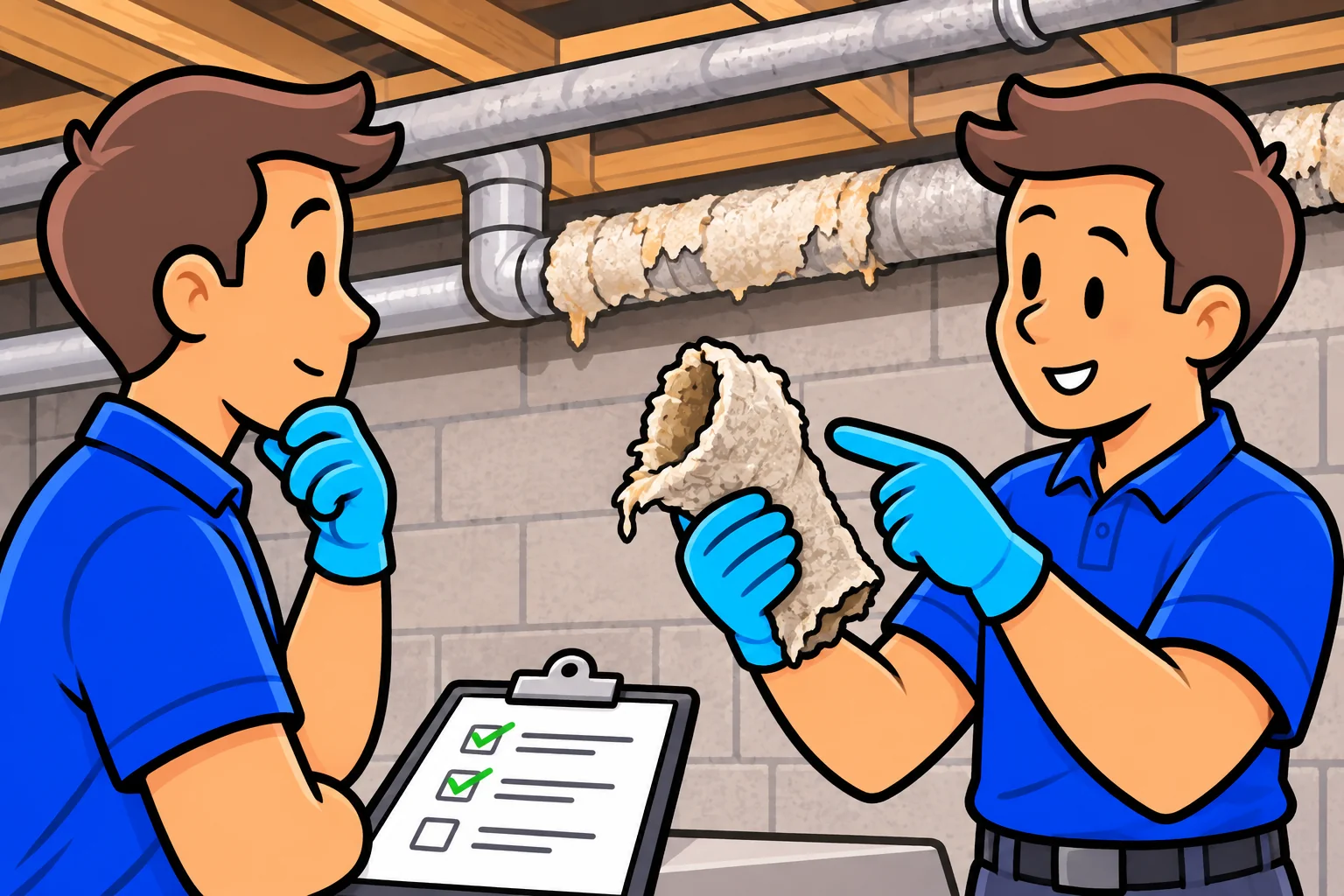
Questions about older pipe insulation
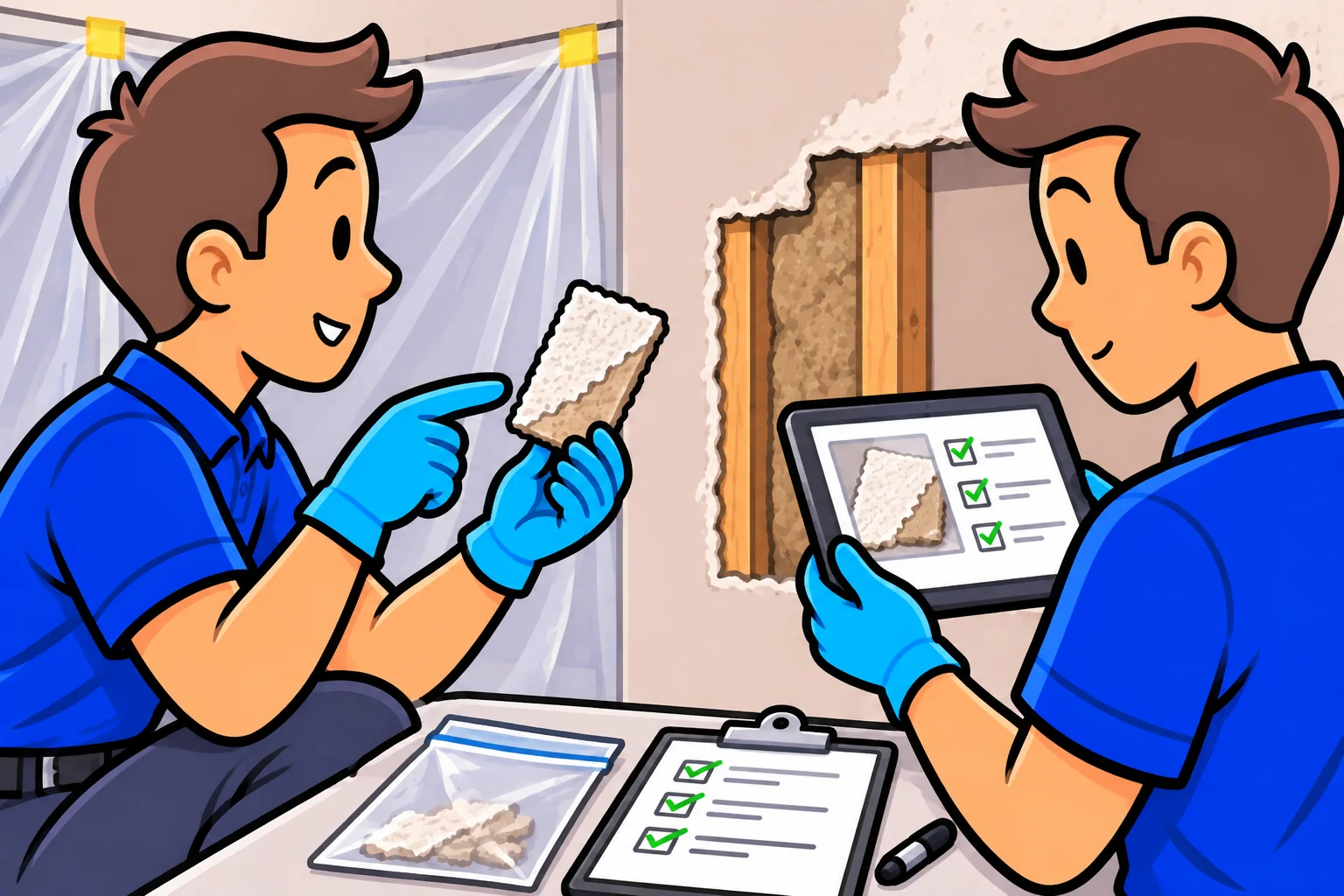
Assessing suspect building products
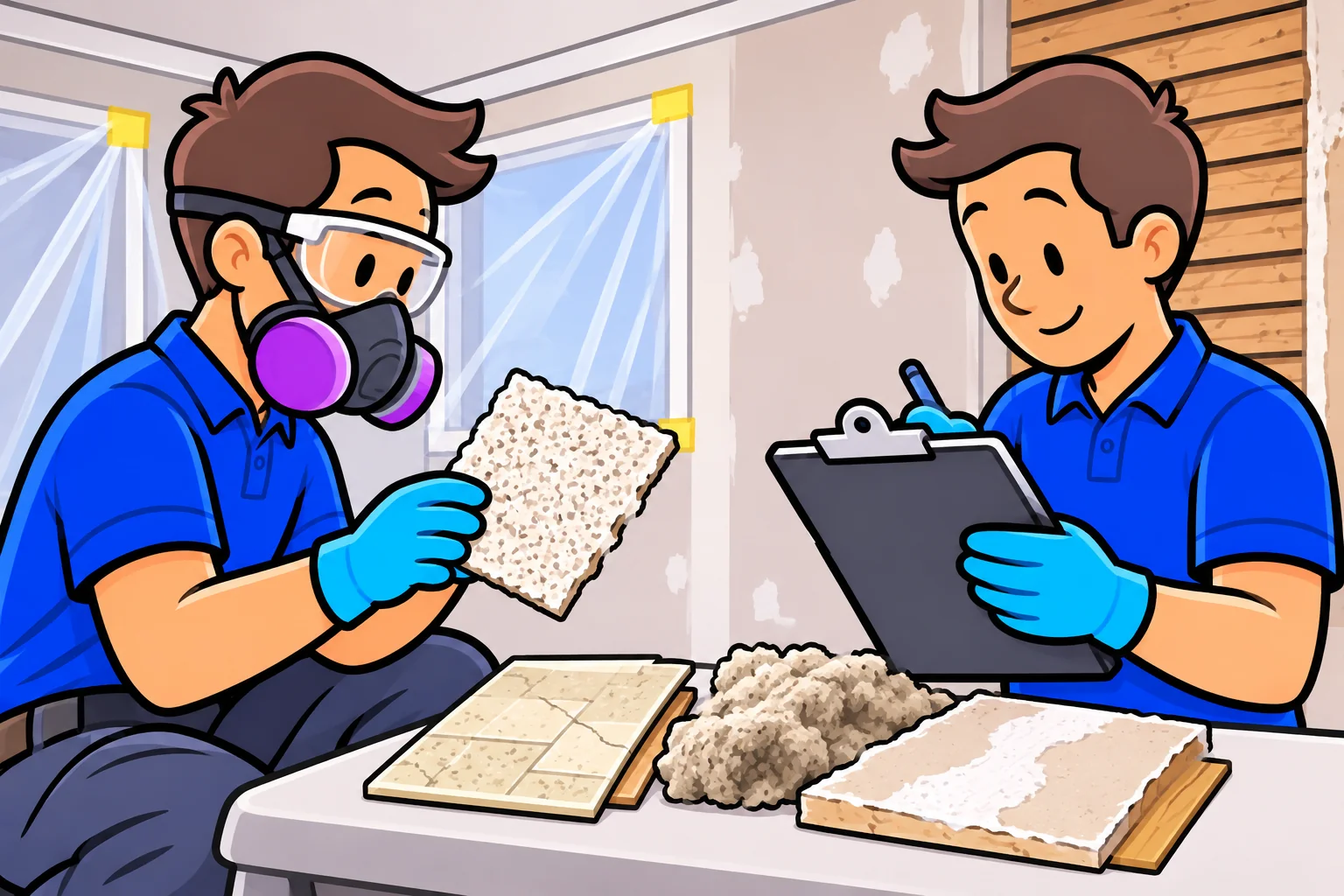
Material identification before removal
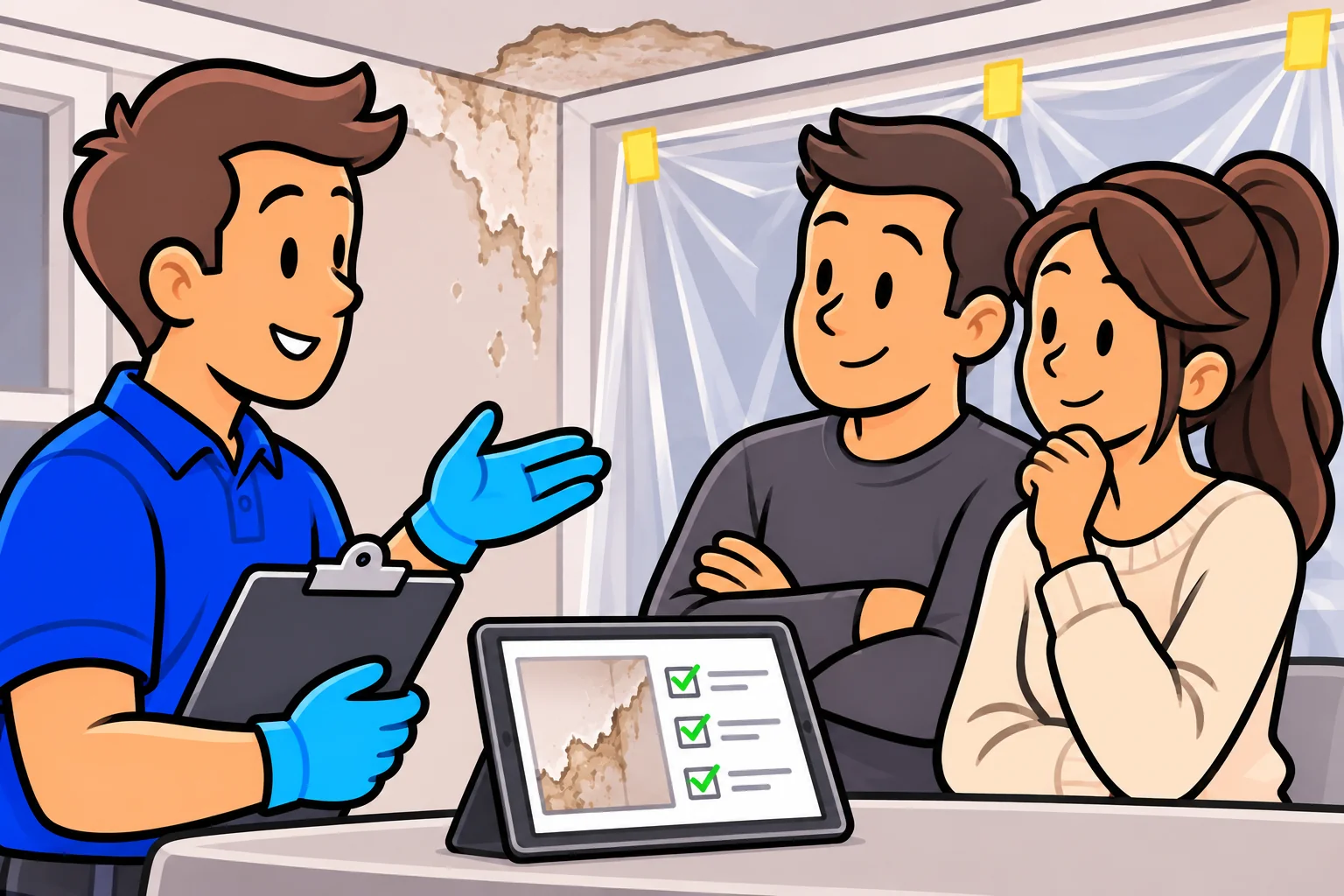
Discussing the assessment with the property owner
Samples tied to actual work areas
Define the workA useful report identifies the material and location relevant to the proposed disturbance.
Results with understandable limits
Match the site conditionsKnow what was tested and what remains outside the assessment before work changes.
Testing before removal decisions
Plan the next stageMaterial identification supports planning without automatically prescribing demolition throughout the property.
Serving Boise and the Treasure Valley Asbestos Testing in Boise and Nearby Communities
Asbestos testing is available through Disaster Cleanup for properties in Boise and the Treasure Valley service areas described on this website. Building history matters more than a neighborhood label: an older home may have newer finishes, and a remodeled room may still contain older concealed products. Provide the property location, proposed work and available records so the assessment discussion can focus on the actual material questions.
The existing service-area listings include Ada County, Boise, Caldwell, Canyon County, Eagle, Emmett, Garden City, Hidden Springs, Horseshoe Bend, Kuna, Marsing, Meridian, Middleton, Mountain Home, Nampa, Parma, Payette and Star. Call to discuss your address and access needs.

Discuss Your Property Request a Free Inspection
Discuss asbestos testing before renovation or damage repairs disturb suspect products. Tell us the project location, building history and materials involved, and keep earlier reports available. Ask what the sampling and laboratory scope will include before authorizing it, then use the findings to plan the appropriate next step.
Call (208) 999-2353Client Reviews What People Say About Us
Rated 4.8 stars from 159 Google reviews. Read our Google reviews


Frequently Asked Questions
When is asbestos testing worth considering?
Consider material identification before cutting or removing suspect older products, particularly when renovation, demolition or damage will disturb them. Building age and appearance can prompt a question but cannot confirm content. The sampling plan should be based on the actual materials and areas involved. A test should answer a material-identification question that is relevant to a planned activity or damaged area.
Does a negative sample clear the entire house?
No. A result applies to the material represented by that sample and the scope described in the report. Other flooring layers, ceiling products, additions or concealed insulation may differ. Review changes in the work area before relying on an earlier result. Compare the actual sample descriptions with the products that the next contractor intends to disturb.
Can I send in a piece I broke off myself?
Do not disturb a suspect material just to obtain a sample. Tell the team what has already happened and ask how the sampling question can be addressed safely. Loose debris and the original installed material may also need to be considered differently. If fragments already exist, disclose how they were produced and handled rather than creating additional samples.
Is asbestos testing included in the free inspection?
A free damage inspection and specialist material sampling are separate scopes. Ask which assessment activities are included and whether sampling, laboratory analysis or additional access work has a charge. Get that distinction clarified before authorizing testing rather than assuming all analysis is free. Ask whether the proposed price covers all distinct materials being considered or only specified sample locations.
What information should I have ready?
The approximate building age, project location, planned work and any earlier material reports are helpful. Photographs taken without disturbing material can also assist the initial discussion. You do not need to scrape, break or enter an unsafe area to gather information for the call. The most useful records identify the product, room and work that prompted the original question.
Do asbestos results diagnose a health problem?
No. Building-material testing identifies what is present in the sampled product; it does not diagnose an illness or reconstruct a person's exposure. For health questions, speak with a qualified medical professional. Keep the material report for the building-work decision it was designed to inform. The report should not be presented as a personal exposure assessment or a medical clearance.
What happens if a sample contains asbestos?
The next step depends on material condition, location and whether the planned work will disturb it. Findings can inform a management or controlled-removal discussion. A positive result does not mean every material in the building needs removal, and testing alone does not complete abatement. The scope should separate the analytical finding from any subsequent removal, management or reconstruction proposal.
Can I start demolition while waiting for results?
Do not proceed with disturbance of the suspect materials before the identification question is resolved and the work plan is appropriate. An assumed schedule is not a substitute for knowing what is being removed. Ask how pending results affect the areas and activities in your project. If another product is exposed while work is paused, discuss whether it needs separate identification.