Boise, Idaho Free Damage Inspection
A free damage inspection in Boise is a starting point for understanding a property concern and the next practical step. Disaster Cleanup reviews accessible affected areas, discusses observations and explains possible cleanup or repair needs. It is not an unlimited laboratory investigation, a whole-building guarantee or a promise that every concern can be diagnosed without further access.
Schedule a Free Inspection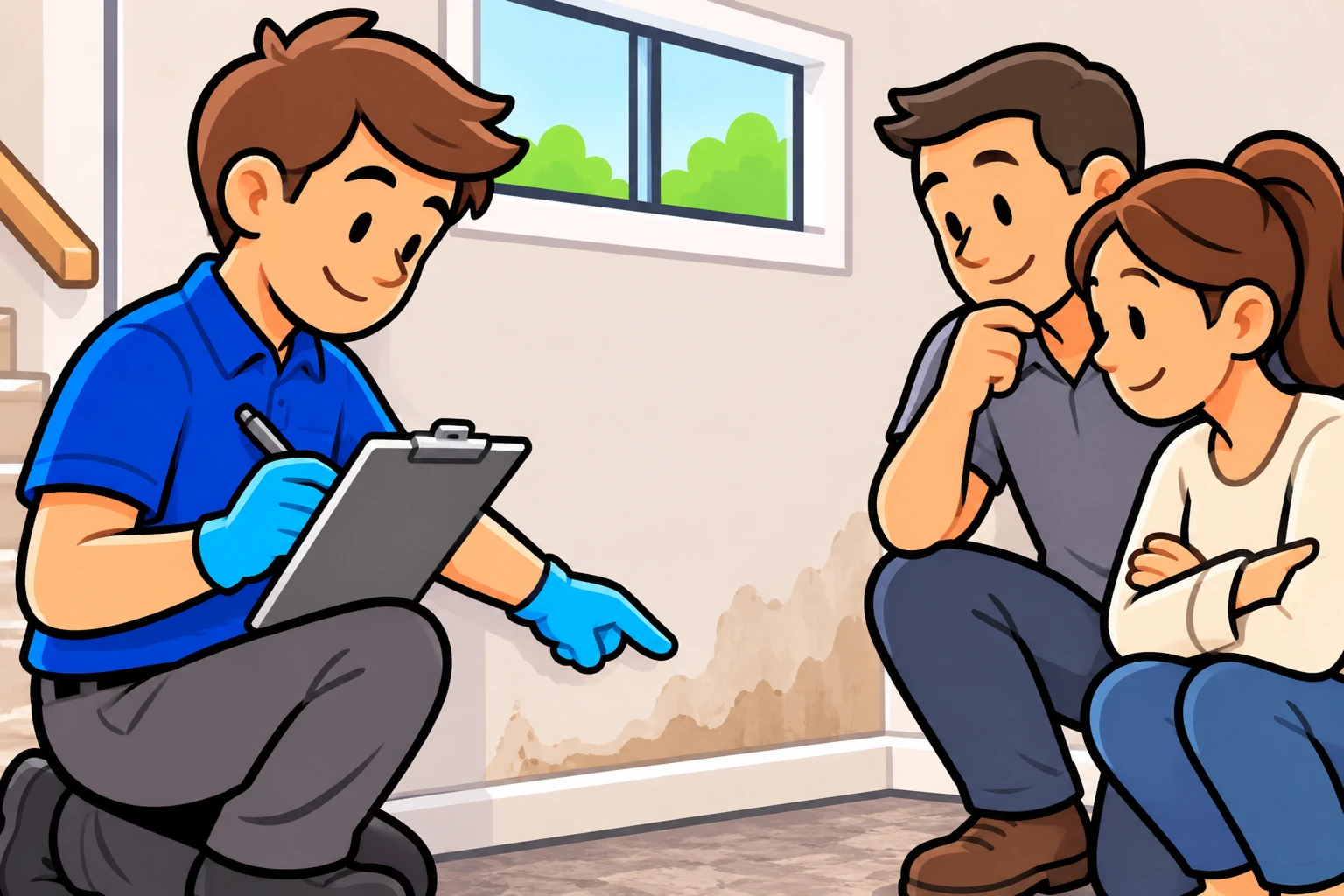
Find out how fast you can get service from your location
UNDERSTAND THE DAMAGE FIRST Free Damage Inspection in Boise
A useful inspection connects what you have noticed with the history of the property. A new stain after a leak, persistent odor and fire residue require different questions. We discuss the event, the accessible materials and what information is still missing so you can understand the difference between an observation, a proposed scope and a confirmed specialist finding.
Bring the facts you already have rather than undertaking destructive investigation to prepare. The approximate discovery date, any known source repair and earlier reports can help explain the sequence. In a rental, managed property or transaction, identify who can authorize access and later work. The inspection discussion can then focus on useful next decisions instead of confusing a no-charge initial visit with every specialist service that might eventually be needed.
When to Discuss Free Damage Inspection
An inspection makes sense when a property observation needs context before cleanup or repairs are selected. It can also help explain an existing proposal. The following examples are reasons for a conversation, not evidence that one particular contaminant or repair method has already been established.
- A stain or damaged finish after a leak
- An unexplained change in odor or dampness
- Visible residue after a fire or smoke event
- Damage discovered during a remodel
- A need to document affected rooms
- Uncertainty about cleanup and repair priorities
What Happens After You Call
The first call defines the property question and access arrangements. We explain the initial inspection and discuss separate authorization if specialist testing, additional access or subsequent restoration work is appropriate.
- Tell us what changed, when it was noticed and whether the source is still active.
- Discuss location, authorized entry and any known hazards or restrictions.
- We look at the affected area and explain what can and cannot be determined within the visit.
- Additional access, specialist sampling or repair evaluation may need a separate scope.
- Understand the proposed work and any charges before deciding how to proceed.
Common Situations We Assess
Damage after an identifiable leak
The event history helps focus the inspection on the materials and nearby areas likely to be affected. A repaired pipe does not establish that the surrounding flooring or wall assembly is already dry or undamaged. Useful records include the date of discovery and any subsequent plumbing or appliance repair.
An unexplained stain
A stain can be evidence of moisture without identifying the current source or confirming whether it is still active. The assessment may need to distinguish an old mark from a continuing condition before repair recommendations are useful. Its appearance alone does not establish the age of the mark or identify the present water pathway.
Persistent odor
Odor is a reason to investigate, not a diagnosis of mold, sewage or another specific contaminant. The history, location and accessible material conditions help determine whether additional evaluation or sampling would answer a useful question. Tell us whether the odor changes with weather, room use or an earlier water event.
Fire or smoke aftermath
A property may have visible residue and separate concerns about water, access or structure. An initial damage inspection does not replace official clearance, engineering assessment or a complete evaluation of every concealed surface. An assessment cannot overrule restrictions placed on entry by authorities or another responsible professional.
Planning repairs in an older building
The inspection can identify questions about materials that will be disturbed. Visual appearance alone cannot rule out asbestos or lead, so specialist testing may need to be discussed separately from ordinary damage observations. If new work exposes a different material, the original visual observations may not answer that new question.
Questions about a proposed scope
Owners may need to understand why extraction, removal, cleaning or reconstruction is being proposed. Connecting each task to an observed condition makes the next decision more useful than accepting a list of unexplained services. It is reasonable to ask what observation or finding supports a proposed task before agreeing to it.
What to Do First: Safety and Preparation
Do not open walls, disturb suspect paint or insulation, or enter a flooded area to prepare for the inspection. Photographs from a safe location and existing repair records are helpful. If there is an immediate threat to life, active fire, gas concern or electrical danger, seek the appropriate emergency assistance before scheduling an assessment.
If another contractor has stopped a leak or exposed a material, share the work description and any restrictions that were given. Do not remove additional finishes simply to make the damage easier to show. An inspection should describe access limits honestly rather than rely on unsafe preparation by an owner or occupant.
- Gather existing records instead of opening finishes.
- Explain active hazards before arranging entry.
- Confirm who can authorize access to the property.
- Keep specialist testing separate from assumed free work.
Our Free Damage Inspection Process
1. Discuss the property concern
We begin with the event, symptoms, location and existing records. This identifies the purpose of the visit and avoids treating every inspection as the same standardized answer to unrelated building problems. Explain whether a previous contractor or insurer has already asked a particular assessment question.
2. Confirm access and limitations
The assessment covers areas that can be accessed appropriately within the agreed scope. Restricted spaces, concealed layers and active hazards may limit what can be observed without additional work or another professional. Required permissions may differ between an owner-occupied home, rental and shared commercial building.
3. Review affected materials
Accessible finishes and nearby conditions are considered in relation to the reported event. Observations can guide a restoration discussion, but they should not be described as a universal clearance of the whole property. A stain, odor and visible residue can lead to different investigation questions rather than the same automatic treatment.
4. Explain what remains uncertain
We distinguish visible findings from questions needing monitoring, additional access or specialist analysis. A useful report or discussion should make those limits understandable instead of implying that every cause has been conclusively established. A test is useful when the result could change a decision, not merely because a sample can be collected.
5. Discuss a proposed next scope
If cleanup or repairs are appropriate, we explain the work being considered and why. Sampling, invasive access and other specialist services may have separate costs that should be agreed before authorization. Separate the initial no-charge visit from any later testing, controlled removal or reconstruction proposal.
6. Let the owner choose the next step
The inspection supports a decision rather than obligating the owner to approve every proposed task. Ask about scope, conditions and charges so any later work begins with an informed agreement. The next stage should proceed under its own understood scope rather than be inferred from the inspection booking.
Why Choose Disaster Cleanup
An inspection is valuable when its conclusions are proportionate to the information available. You should know what was observed, which questions remain and why a particular next step is proposed. That makes it easier to compare options and avoid confusing a free initial visit with an exhaustive specialist investigation.
Clear limitations are part of a useful inspection, not an attempt to leave the owner without an answer. A surface observation may support one repair decision while another question needs moisture monitoring, sampling or access inside an assembly. Ask how those next questions would be answered and what authorization they require. That conversation helps separate necessary investigation from a large unexplained package of services and leaves the owner in control of the subsequent scope.
What Affects the Project Schedule?
Appointment availability, access and the complexity of the concern affect scheduling. Laboratory analysis, concealed-area access or engineering questions have separate timelines. A free inspection does not promise an instant diagnosis or a guaranteed completion date for later repairs.
Insurance and Project Documentation
An inspection may help describe observed damage, but it does not decide coverage or replace an insurer-required assessment. Ask your insurer what documentation it needs. Proposed restoration work and any specialist testing should be reviewed separately from the no-charge initial damage inspection.
Book an assessment, not an unnecessary emergency response
For a stable stain, odor concern or repair question, arrange a suitable inspection time and gather safe photographs or records. For an active hazard, contact the appropriate emergency service first. You do not need to damage a finish or enter an unsafe space to demonstrate that your concern is worth discussing.
If you are arranging a visit for someone else, confirm the authorized contact and the concern to be assessed. A useful booking description is specific about the property question while avoiding promises that the inspection will resolve every concealed condition or insurance decision.
Information That Helps Define the Next Step
- A stain or damaged finish after a leak
- An unexplained change in odor or dampness
- Visible residue after a fire or smoke event
- Damage discovered during a remodel
Free Damage Inspection Assessment, Work Planning and Restoration
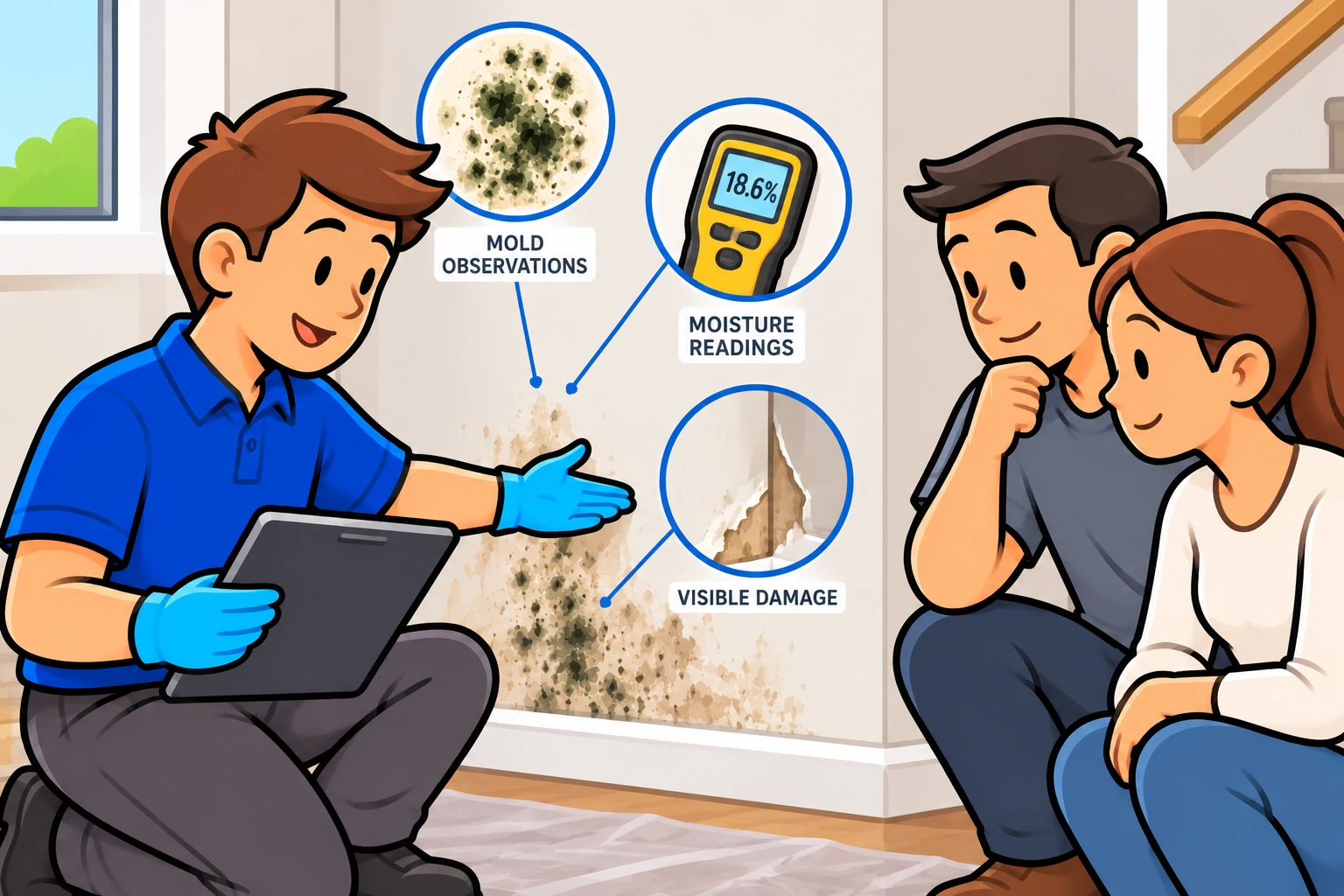
The illustrations show several property-assessment situations. They do not mean every visit includes laboratory sampling, invasive investigation or all of the pictured work. The inspection begins with the actual concern and accessible areas. If a separate test or specialist evaluation would answer a useful question, the proposed scope and charges should be discussed first. Photos and notes can support restoration planning, but they should remain connected to what was actually observed during the visit.

Reviewing the property concern
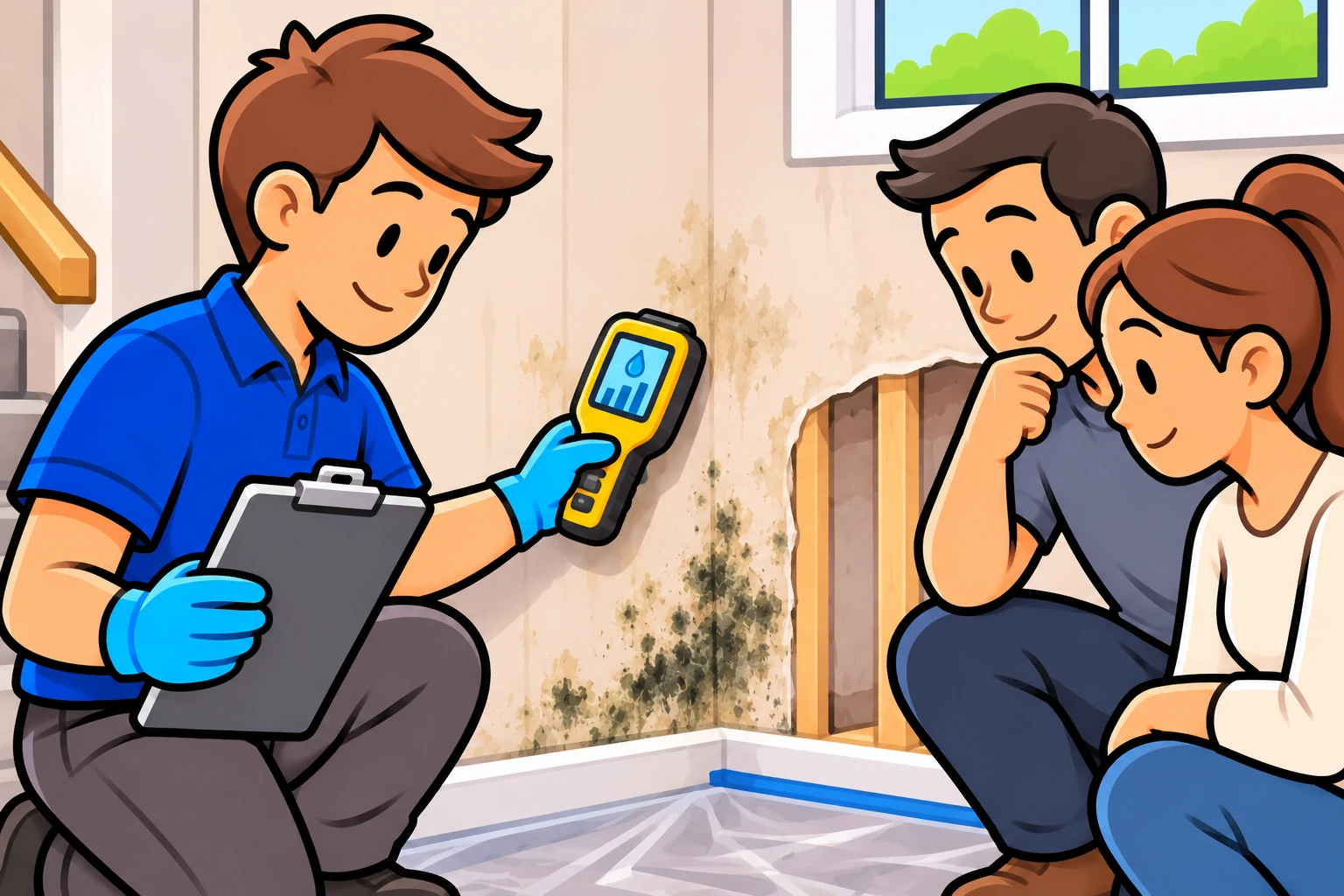
Explaining accessible observations
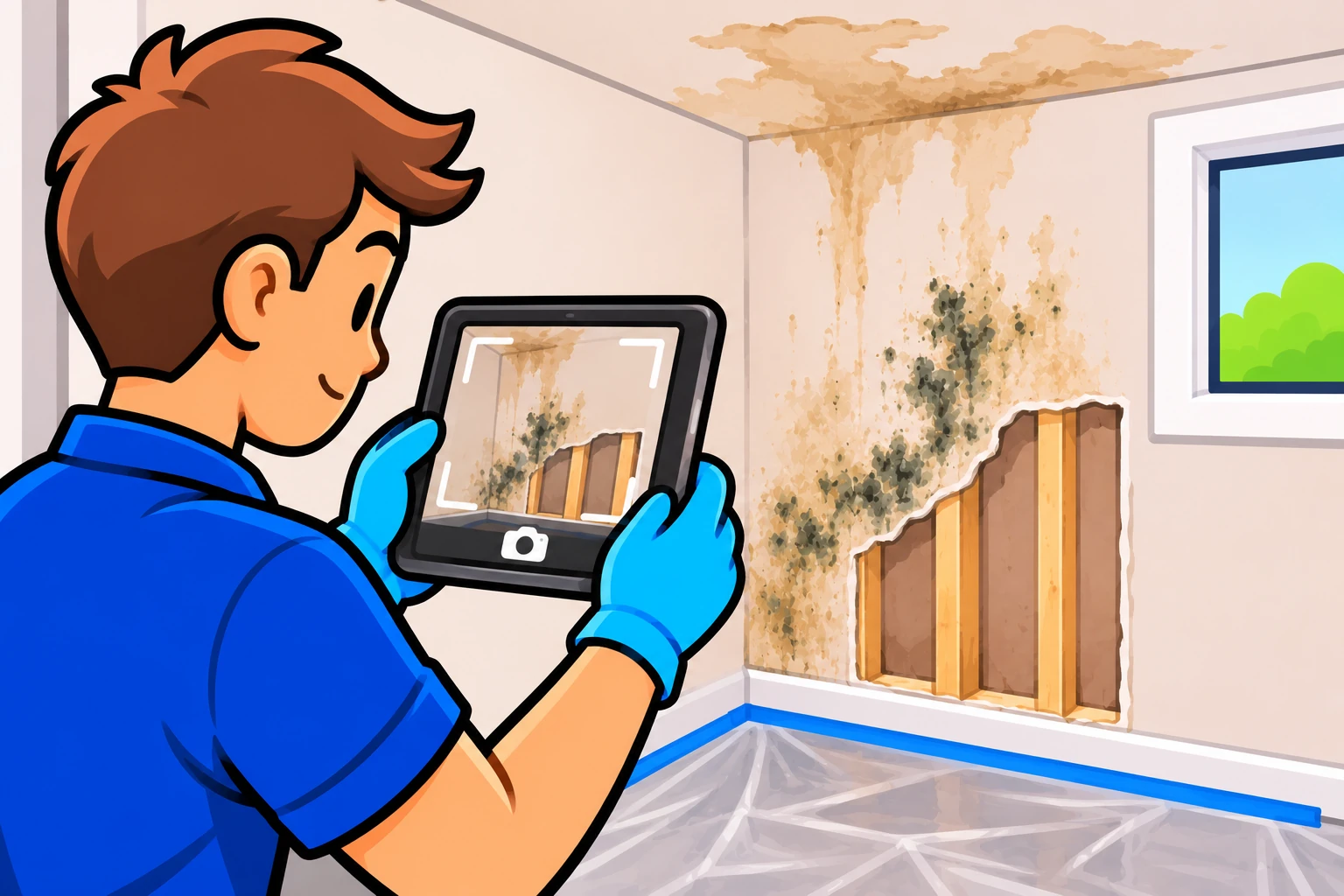
Recording damage for planning
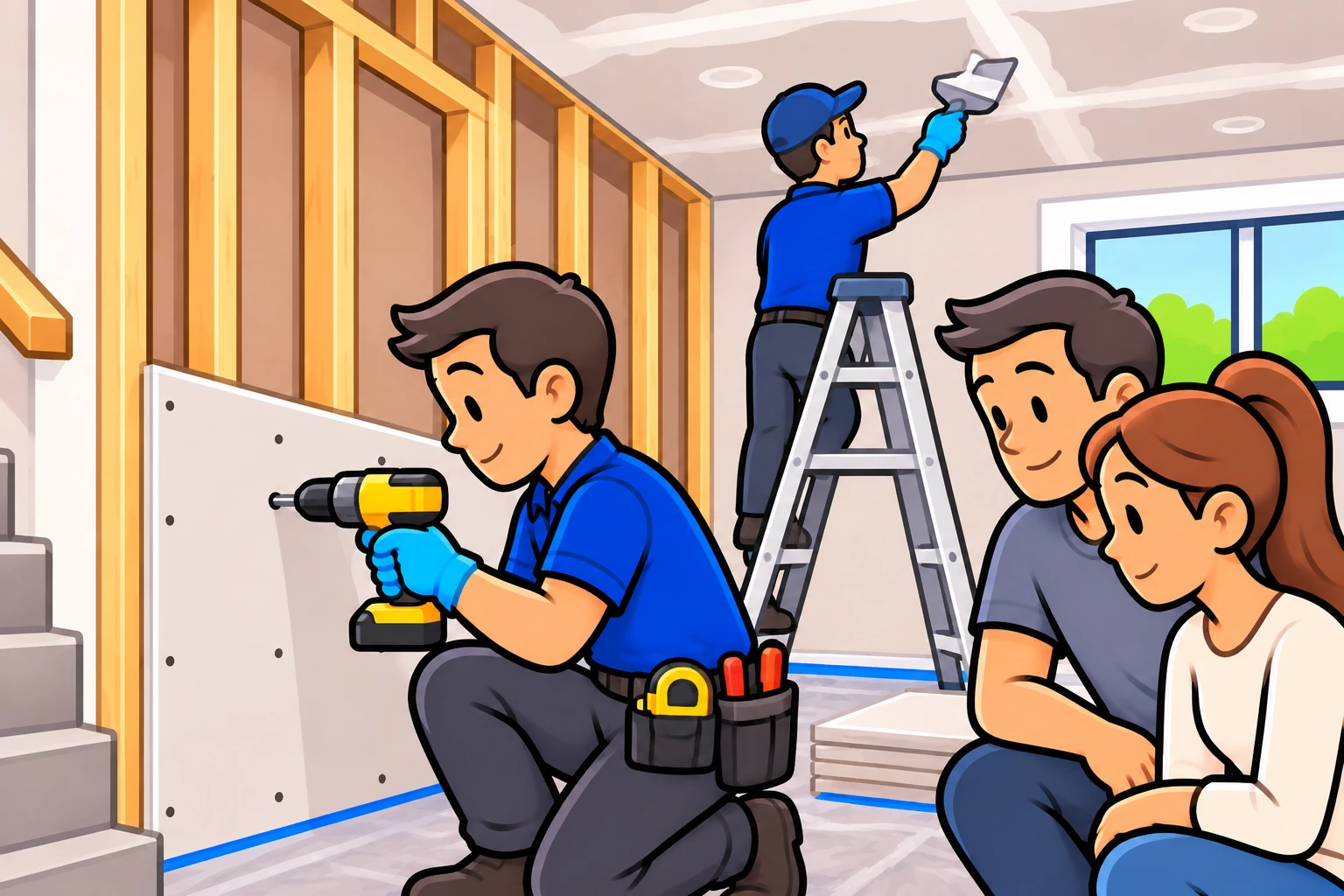
Discussing a clear next work scope
Clear observations and limits
Define the workUnderstand what the visit can establish and which questions need further investigation.
A scope explained in plain language
Match the site conditionsProposed cleanup and repairs should connect with the conditions that were observed.
No assumption about specialist fees
Plan the next stageAsk which sampling, analysis or access activities would be separate from the free inspection.
Serving Boise and the Treasure Valley Free Damage Inspection in Boise and Nearby Communities
Free damage inspections are offered by Disaster Cleanup in Boise and the Treasure Valley communities described on this website. Share the address and the purpose of the assessment when calling. Homes, rentals and commercial spaces can have different authorization and access requirements. The initial conversation should establish what can be reviewed at the property, without treating a listed city or automated drive-time estimate as a confirmed appointment.
The existing service-area listings include Ada County, Boise, Caldwell, Canyon County, Eagle, Emmett, Garden City, Hidden Springs, Horseshoe Bend, Kuna, Marsing, Meridian, Middleton, Mountain Home, Nampa, Parma, Payette and Star. Call to discuss your address and access needs.

Discuss Your Property Request a Free Inspection
Request a free initial damage inspection to discuss an observed property concern and the next practical step. Share safe photographs, the event history and any access restrictions if available. Ask which later activities would carry separate charges, particularly laboratory analysis or invasive access, before authorizing work beyond the initial inspection.
Call (208) 999-2353Client Reviews What People Say About Us
Rated 4.8 stars from 159 Google reviews. Read our Google reviews


Frequently Asked Questions
Is the damage inspection really free?
The initial damage inspection is offered without an inspection charge. Confirm the intended scope when arranging the visit. Laboratory testing, invasive access, cleanup and repair work are different services and should not be assumed to be included without a separate agreement. A clear starting agreement avoids confusing an offered initial visit with an unlimited package of investigations.
Do I have to hire you afterward?
An inspection is a starting point for understanding options, not automatic authorization for cleanup or repairs. Review any proposed scope and charges before approving work. Ask questions if you do not understand why a task has been recommended. An owner should understand any authorization document before signing it or allowing additional tasks to begin.
Does the inspection include mold or asbestos laboratory testing?
Do not assume specialist sampling and laboratory analysis are included. Those services answer different questions and may have separate charges. Discuss what would be sampled, why it is useful and how the costs would be authorized. The sampling question, laboratory work and explanation of findings should each fit the actual concern.
Can you inspect inside every wall?
An initial accessible-area inspection cannot establish the condition of every concealed assembly. Additional access may require authorization and another scope. Findings should be understood in relation to the areas actually examined rather than treated as a whole-building guarantee. If an area cannot be accessed, that limitation should remain clear in later repair or insurance discussions.
Will you tell me whether insurance covers the damage?
The insurer decides coverage under the policy. We can discuss observed conditions and proposed restoration work, but an inspection does not establish claim approval or payment. Ask the insurer what documentation and authorization it requires. Keep a copy of observations or the proposed work scope for the insurer's review where relevant.
What should I prepare for the visit?
Share safe photographs, event dates and any repair or prior-assessment records. Confirm who can authorize entry and explain known hazards. Do not move suspect debris, open walls or enter flooded or unstable areas as preparation. If the property is occupied, tell us about entry arrangements and who should be present for the discussion.
How soon can an inspection happen?
Contact the team for current availability and describe whether the source is active or the concern is stable. Location, access and existing demand affect scheduling. A lookup estimate is not a guaranteed appointment or completion time. Stable planning questions and an active damaging event may need different scheduling conversations.
Can a free inspection diagnose a health concern?
No. A property assessment does not diagnose illness or determine an individual's exposure. Consult a qualified medical professional for health questions. Building observations or specialist material findings should be used for the property decisions they actually address. Material analysis and moisture observations address property questions, not an individual's medical diagnosis.