Caldwell, IdahoSewage Cleanup in Caldwell
For sewage cleanup in Caldwell, the source and the materials it reached both matter. Disaster Cleanup discusses backups in homes, rentals and commercial properties, including contaminated flooring, wall layers and contents. Keep the area out of routine use and avoid adding water to the affected system. A plumbing or septic repair and restoration of the building are connected stages, not interchangeable proof that the entire loss is resolved.
Schedule a Free Inspection
Find out how fast you can get service from your location

CONTAMINATED WATER AND MATERIAL RESTORATIONSewage Cleanup for Caldwell Properties
Caldwell property examples range from older downtown and College of Idaho-area homes to rural-edge buildings with different wastewater arrangements. A basement finish, crawl space and hard-floor work area can require different access and material decisions. Explain the actual event and what is known about source control; the address or season alone cannot define the contamination or the correct repair.
For a rental or business, identify who can authorize entry, contents handling and building work. A lower-room backup may affect more than the first visible pool, while a cleared line can leave contaminated layers requiring attention. We discuss the path from extraction and removal decisions through cleaning, drying and restoration. The initial conversation should make the scope understandable before anyone assumes the visit includes drain repairs, inventory decisions or every replacement finish.
Questions to Discuss at Your Caldwell Property
Describe the Caldwell backup, the first fixture involved and any ongoing entry from a safe location. Mention a known septic or plumbing history without testing the system again. If the area includes stored goods or shared routes, explain those conditions before anyone starts moving material through an unaffected part of the property.
- Wastewater backing up through a low drain
- A toilet overflow involving contaminated water
- Sewage reaching carpet or other absorbent finishes
- Water spreading beneath cabinets or wall bases
- A basement backup near mechanical equipment
- Recurring wastewater after an earlier drain problem
What Happens After You Call
The call establishes the backup history, safe-access concerns and source-control arrangements. We then discuss affected materials and the sequence from removal through cleaning, drying and restoration, rather than treat water extraction as the whole project.
- Explain the likely source, affected rooms and whether wastewater is still arriving.
- The drain, sewer or septic cause may require a plumber, utility or other appropriate professional.
- The work boundary considers water movement and the construction of floors, walls and belongings.
- We discuss retention, controlled handling and the sequence needed for affected materials.
- Understand what has been addressed, which source repairs remain and how removed finishes can be restored.
Backup and Material Questions in Caldwell
Older house-drain history
Previous slow flow, root work or repaired sections can be useful information for the appropriate plumbing professional. In an older Caldwell property, construction history does not itself identify the current blockage. Cleanup still needs a clear account of the surfaces and layers actually reached.
A rural septic backup
Explain known septic work and whether wastewater continues to enter, but do not open or enter a tank or disposal area to investigate. Source assessment belongs with appropriate professionals. Restoration of an affected room does not establish that a tank, field or other system component has been repaired.
A finished cellar or lower wall
Sewage can reach behind paneling or beneath a floor finish where the visible mark is limited. Ask which layers need assessment and why. Material removal and drying decisions should follow the actual contamination and access, not simply the age or appearance of the finish.
Rental access after an overflow
A tenant, manager and owner can have different authority over entry, contents and repairs. Identify the appropriate contacts and shared routes early. The plan should not depend on a tenant carrying affected belongings through clean areas or on entry being treated as approval for every removal task.
Business floors and stored inventory
A hard-floor workspace can still have joints, wall bases and stock that need different decisions. Explain what was contacted and who can approve contents handling. Cleaning a building surface does not automatically determine whether stored products can be retained or routine operations can continue around the work.
Recurring entry after initial cleanup
If water or odor returns, share the sequence of source repairs, cleaning and later symptoms. Continuing flow and residual contaminated material can require different follow-up. Another extraction visit should not be mistaken for a complete account of every hidden layer or a guarantee about the drainage system.
What to Do First: Safety and Preparation
Stay out of affected water and do not use a household vacuum, mop or fan to spread it through the space. Avoid using fixtures that could add water to a backed-up system. Do not enter to unplug equipment or reach a breaker. For immediate electrical, structural or medical danger, obtain the appropriate emergency assistance before arranging property cleanup.
If the water has receded, do not assume the floor or nearby belongings are ready for ordinary use. Residue and moisture can remain in affected layers. Keep routine traffic out and describe any items already moved so the assessment can consider that history rather than focus only on the original visible pool.
- Keep children, pets and unnecessary traffic out.
- Do not use domestic vacuums or household fans.
- Avoid adding water to a suspected backed-up system.
- Report electrical concerns without entering the water.
The Sewage Cleanup Sequence for Your Caldwell Property
1. Review hazards and the ongoing source
Discuss the Caldwell source history, active wastewater and whether the property involves a rental, business or rural system. Confirm safe entry and authorized decisions before planning extraction or assuming source repair is already complete.
2. Define affected materials and movement
Assessment considers visible water routes, accessible layers and any belongings already moved. The work boundary should reflect actual contamination questions rather than stop automatically at the room where the backup began. Known traffic or moved contents can create additional questions beyond the first visible affected room.
3. Remove contaminated water and necessary materials
Extraction and material decisions follow the source and site condition. Porous finishes may require removal, while other components need a suitable evaluation. The proposal should explain what is being discarded and why rather than promise universal retention. The owner should understand retention and removal decisions before repair or contents expectations are set.
4. Clean appropriate remaining surfaces
Cleaning and treatment need to fit the material and agreed scope, with controlled movement of debris. A visible stain change or added fragrance is not a substitute for addressing contamination in accessible affected surfaces and interfaces. Movement through shared areas needs consideration as well as the contaminated surfaces in the source room.
5. Dry the affected assembly
Moisture remaining after cleanup still needs consideration. Drying access and progress should inform the next decision; a fixed equipment period does not by itself establish that every layer is ready for rebuilding. Moisture evaluation should relate to the retained assembly and accessible layers, not just the exposed face.
6. Review source repairs and restoration
Explain the Caldwell cleanup boundary, retained and removed components and any outstanding plumbing or septic work. Review what the rebuilding trade needs before finishes are installed and distinguish that handoff from insurance, inventory or system-repair decisions outside the agreed scope.
A Clear Plan for Your Property
A Caldwell cleanup proposal should make the affected materials and handling route clear, whether the setting is a lower room, rental unit or business. Ask what supports each removal or retention decision and which areas remain outside safe access. The work should connect physical contamination removal with suitable cleaning and drying rather than rely only on the room's appearance.
Source repairs and restoration need a practical handoff. Disaster Cleanup discusses related material and reconstruction work while keeping plumbing, septic and contents decisions identifiable. Ask which components were addressed, what remains for another professional and which repairs need separate approval. That clarity is more useful than an undefined promise to handle every aspect of a building or wastewater system.
What Affects the Project Schedule?
The amount and movement of water, contamination, material construction, safe access and separate source repairs influence the sequence. Some projects need removal and rebuilding as well as cleaning and drying. Confirm current arrangements directly instead of relying on a universal arrival promise or assuming that extraction completes the whole job.
Insurance and Project Documentation
Sewer backup, septic-related events, outside flooding and a sudden interior leak can have different coverage treatment. Ask the insurer about the actual source and any applicable endorsement, authorization or exclusion. Keep the cleanup and source-repair records; an estimate or inspection does not establish that every material replacement or system repair is covered.
Safe Next Steps for Sewage Cleanup in Caldwell
Restrict access to the affected Caldwell space and avoid using fixtures on a suspected backed-up system. Do not pump or vacuum wastewater with household equipment, mix cleaners or enter a crawl space or tank to locate the cause. Arrange appropriate help for active flow and immediate danger, then describe affected rooms and known source work. Leave belongings in place until the contamination and movement route have been discussed.
Information That Helps Define the Next Step
- Wastewater backing up through a low drain
- A toilet overflow involving contaminated water
- Sewage reaching carpet or other absorbent finishes
- Water spreading beneath cabinets or wall bases
Sewage CleanupAssessment, Work Planning and Restoration
The illustrations show assessment and contaminated-material restoration rather than one standard package for every Caldwell property. The plan should explain extraction, affected-layer decisions, suitable cleaning and drying, with stored contents considered separately where relevant. New flooring or paneling should follow the agreed material and moisture handoff; a drain clearing or surface disinfectant application alone is not the same as completing every part of the restoration scope.
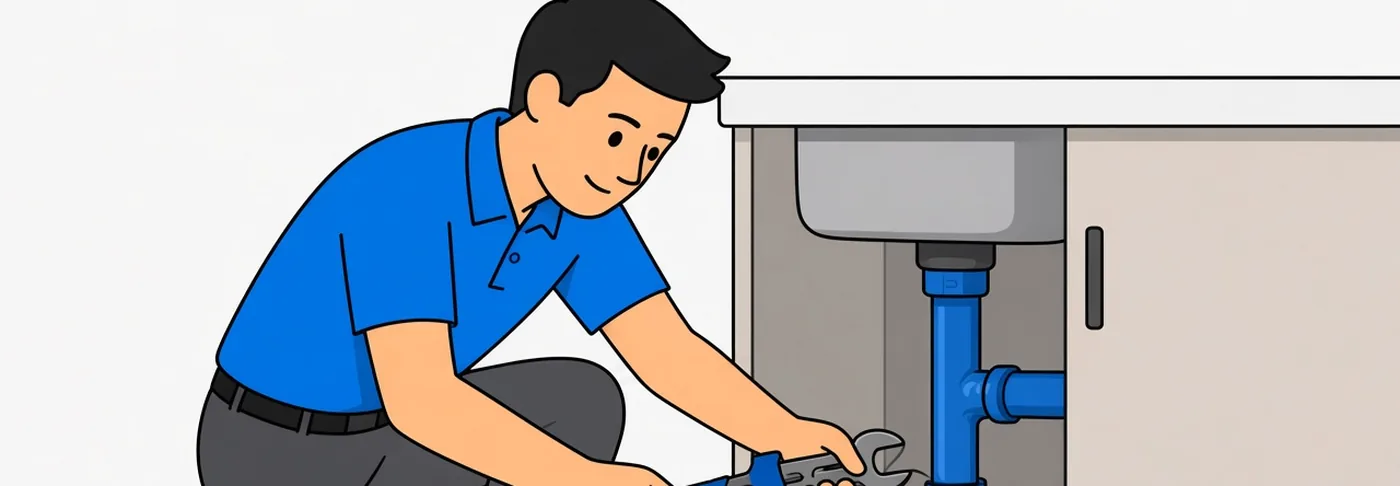
Assessing a contaminated-water event
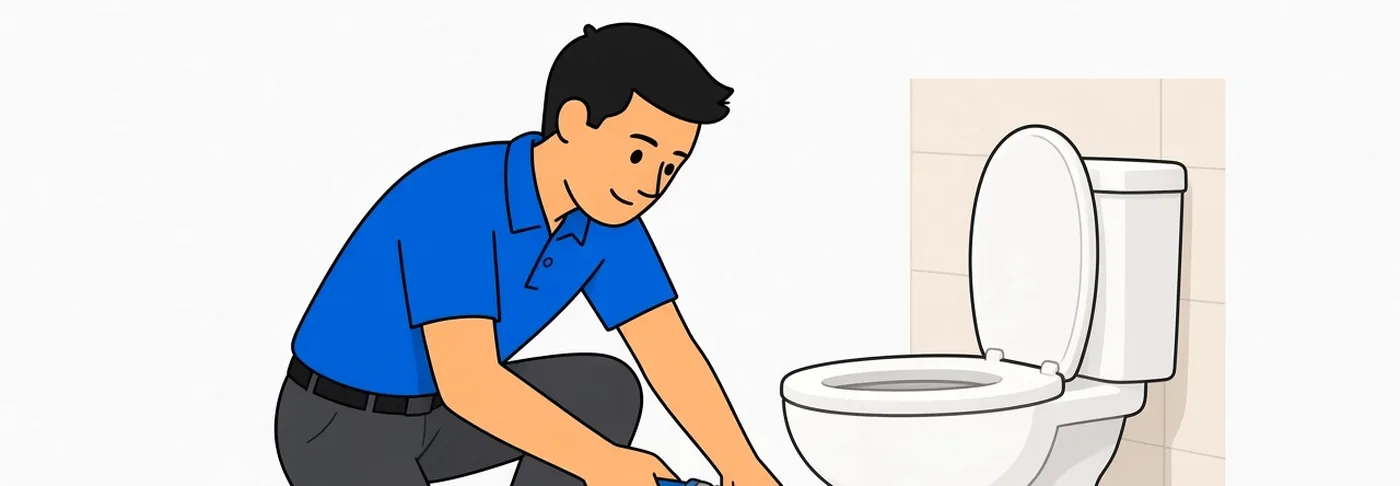
Planning extraction and material removal
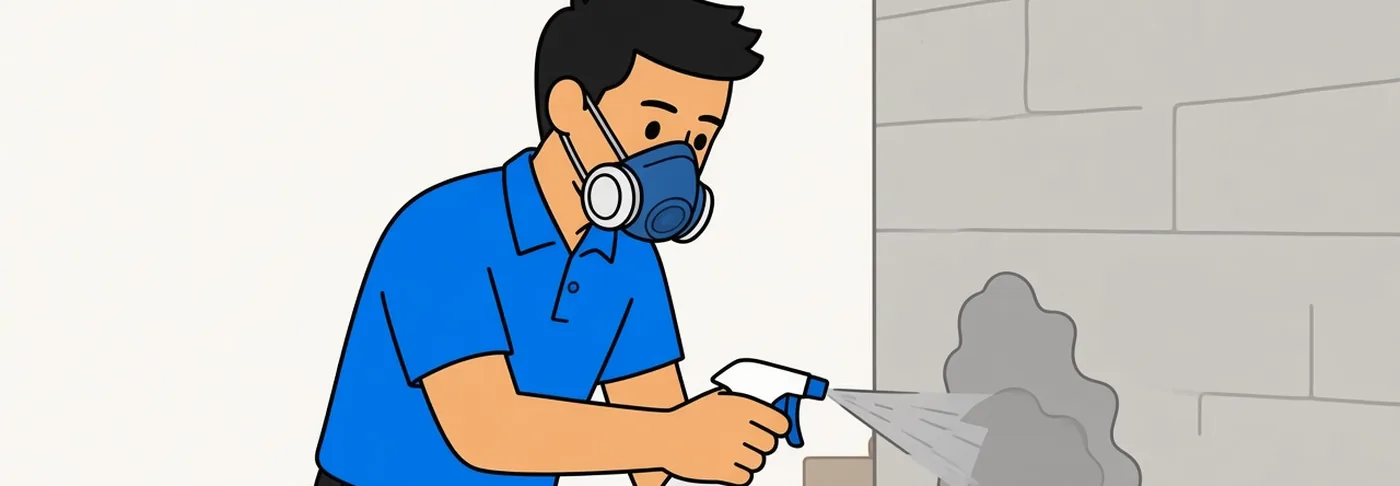
Cleaning retained building surfaces

Coordinating drying and restoration
Source history guides handling
Define the workA sewage or drain event should not be treated as an ordinary clear-water spill based only on appearance.
Contamination and drying are separate needs
Match the site conditionsRemoving wastewater does not establish that retained materials are clean or that underlying layers are dry.
Cleanup connected to the repair
Plan the next stageThe handoff should distinguish building restoration from the plumbing or septic correction still needed to address the cause.
Serving Caldwell and Nearby CommunitiesSewage Cleanup in Caldwell
Caldwell and nearby Nampa, Middleton, Parma and Star are listed within existing Disaster Cleanup coverage. The local service includes residential, rental and commercial concerns, including rural-property source questions where relevant. Give the address, access limitations and authorized contact rather than assume a city name establishes the cause. If a business or managed property has multiple affected spaces, identify their uses and the decisions needed for each.

Discuss Your Caldwell PropertyRequest a Free Inspection
Request a free initial inspection discussion for a Caldwell sewage loss and explain whether entry has stopped and a source professional is involved. Ask which extraction, material, cleaning, drying and repair tasks are proposed. Have existing records ready from safety, and clarify contents and access authority before assuming an inspection authorizes disposal or a complete rebuilding project.
Call (208) 999-2353Client ReviewsWhat People Say About Us
Disaster Cleanup is 5-Star Rated on Google


Frequently Asked Questions
What should I do after a Caldwell toilet or drain backup?
Keep people away and avoid adding water to the affected system. Obtain appropriate help for active flow and electrical or structural danger. Describe the source, rooms and safe access without walking through wastewater or running more fixtures to demonstrate the problem for the cleanup team.
Can you discuss cleanup after a rural septic backup?
Yes, the existing service includes restoration concerns following septic backups as well as sewer events. Explain the known system history and whether a source professional is involved. Do not enter a tank or disposal area; building cleanup and repair of the septic components need distinct scopes and appropriate authorization.
How are contaminated cellar walls assessed?
The material, interfaces, contamination history and access guide decisions. A visible panel or stain does not describe every layer behind it. Ask which components are included and why removal or retention is proposed, with the drying and rebuilding handoff made clear before replacement finishes conceal the assembly.
What determines the price of Caldwell sewage restoration?
Affected area and layers, contamination, access, contents handling, removal, suitable cleaning and drying all influence the scope. Plumbing or septic work and later construction may be separate. Request an understandable estimate after assessment rather than assume a small visible pool means the entire project is limited to surface pickup.
Can a landlord arrange the inspection when a tenant reports damage?
Identify who can authorize entry, building work and contents decisions, and explain any shared routes. Existing photos or event records can help if obtained safely. Do not ask the tenant to handle contaminated materials or move belongings through unaffected areas as preparation for the visit.
What happens to stock in a contaminated business area?
Identify the affected items and the person authorized to decide about them. Building-surface cleanup and inventory retention are separate questions. The proposal should state practical handling limits instead of assume every product can be cleaned or that removing water automatically makes stored goods suitable to keep.
How is the drying and repair schedule set?
The retained assembly, source control, access and actual drying response influence the sequence. Cleaning, drying and reconstruction are separate stages. Ask what condition is needed for the next trade rather than rely on a fixed phone estimate or a promise that every Caldwell backup can be completed on the first visit.
Does insurance automatically cover a Caldwell backup?
No automatic coverage should be assumed. The policy, source and insurer's review determine payment and authorization requirements. Keep the proposed scope and known source records, and ask how building materials, belongings and repairs are treated. A cleanup estimate is useful documentation, not claim approval.