Ada County, IdahoDisaster Cleanup & Restoration in Ada County
Disaster Cleanup helps Ada County homeowners, landlords and businesses assess water, fire, smoke, mold and contamination damage. Start with the affected address and the incident details so inspection, cleanup and repairs can be planned around the property.
Schedule a Free Inspection
Find out how fast you can get service from your location
Local Restoration HelpA Property-Specific Plan Across Ada County
Disaster Cleanup is based in Garden City and serves Ada County homes, rentals and commercial properties. The work starts with the conditions at the address: the source, affected materials, connected spaces and people using the building.
A leak in a condo can affect another floor, while smoke residue can extend beyond the room where a fire started. Inspection should establish those boundaries before decisions about drying, cleaning, removal or repairs.
Ada County also includes foothill properties and rural buildings near communities such as Kuna. Explain whether the loss involves a residence, shop or another structure, and identify the person authorized to arrange access and approve work.
Signs an Ada County Property Needs Inspection
Report changes in adjoining rooms or another unit as well as the original wet patch. Water can move through floor and wall assemblies, and a repaired fixture does not establish that connected materials are dry.
Keep the discovery timeline and source information together. At a shared building, identify which occupants reported damage; at a property with several structures, separate the observations for each building.
- A ceiling stain below a reported plumbing or appliance leak.
- Swollen trim, changing flooring or damp cabinet bases.
- Moisture or odor reported in a connected room or adjoining unit.
- Soot or smoke residue beyond the directly burned area.
- Drain contamination reaching occupied spaces or stored contents.
- Dampness returning after an earlier source repair.
What Happens After You Call for Ada County Cleanup
The first conversation identifies the incident, affected address and decision-maker. These steps explain the information and approvals involved in moving from a report of damage to a restoration plan.
- Explain what happened, when it was discovered and whether water or contamination is still spreading. Identify the source room and other areas showing damage.
- Provide the complete address and unit or building description.
- Mention source repairs or inspections already performed.
- Confirm the authorized contact and access needed to inspect the property. For a rental or shared building, coordinate with the owner or manager and identify connected areas requiring permission.
- Arrange entry instructions and occupant coordination.
- Clarify who can approve inspection and subsequent work.
- Discuss which materials and spaces are affected, what the initial work includes and which questions remain open. Identify source repairs or further assessments outside the proposed mitigation.
- Review included operations and exclusions.
- Ask which items depend on access to concealed materials.
- The loss may require extraction, controlled drying, soot cleaning, mold remediation or contaminated-material handling. Equipment and work boundaries should reflect the findings and occupied parts of the property.
- Agree on access routes and restricted work areas.
- Keep equipment and barriers in their agreed positions.
- Review progress and remaining responsibilities before replacement finishes or reconstruction proceed. Keep the completed work distinct from source repairs and rebuilding still proposed.
- Identify the next progress or inspection checkpoint.
- Retain scope changes and outstanding approvals.
How Damage Can Start and Spread
Supply Lines and Appliance Failures
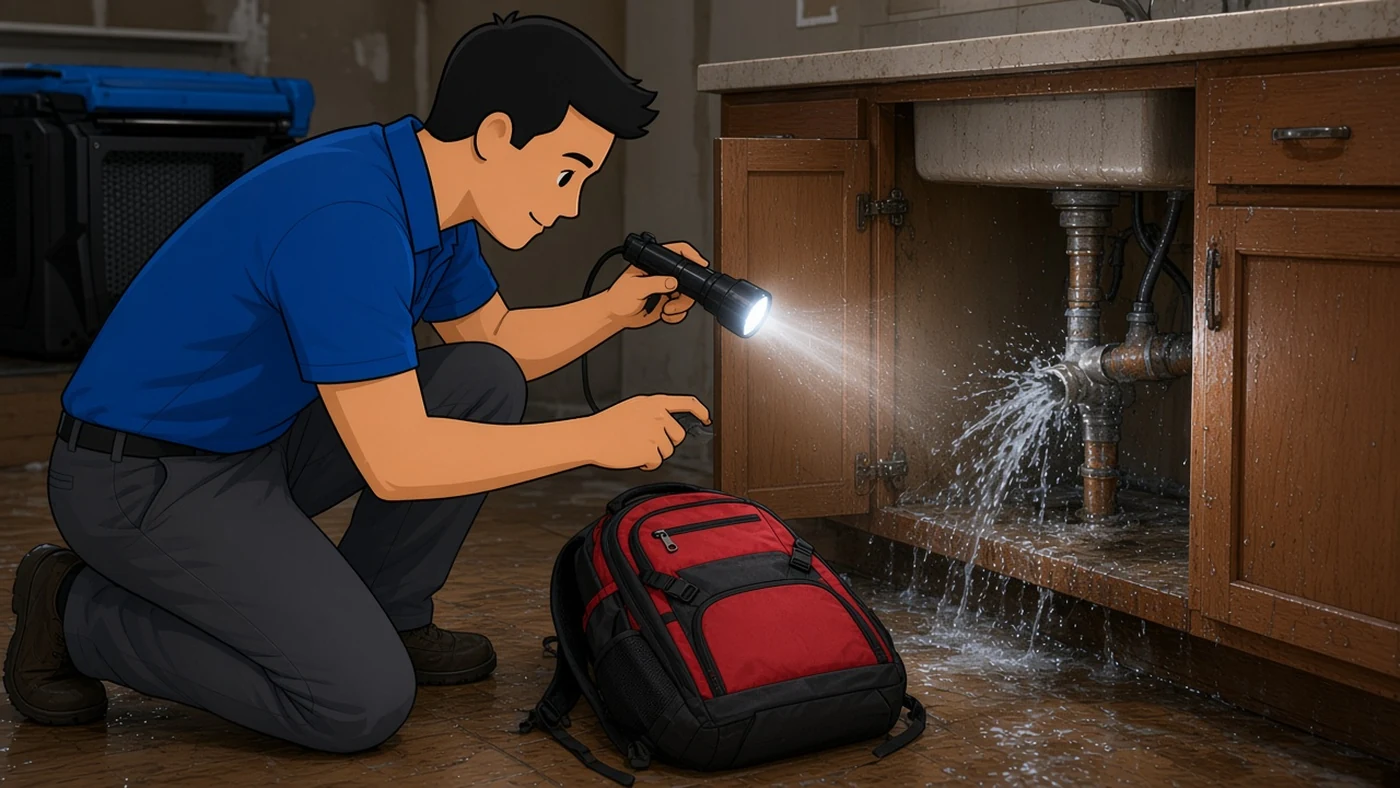
A failed hose, water heater or supply connection can wet cabinets, flooring and connected wall assemblies. In shared construction, damage may reach another occupied space. Describe the source and all observed changes so inspection follows the water beyond the first room.
Cold-Weather Plumbing Damage
A pipe damaged during freezing conditions can leak inside an exterior wall, attic, garage or other concealed space. Report the location and any plumbing repair completed. Building materials may still need assessment after the source has been stopped.
Exterior and Drainage Entry
Roof openings, drainage problems and observed irrigation or exterior water entry can affect interior materials. Record the event and where water appeared rather than assume a cause from the neighborhood. Source investigation and interior restoration should have clearly identified responsibilities.
Fire and Smoke Exposure
A structure fire can leave heat damage, soot and suppression water in the same loss. Smoke from another incident may also affect surfaces or contents. Describe the event and observed residue so the assessment distinguishes the materials and areas actually involved.
Unresolved Moisture
A slow leak or incompletely dried assembly can leave persistent dampness and conditions suitable for mold growth. Inspection should consider the moisture source and affected materials. Further testing is considered when it answers a defined question about the work.
Drain Backups and Contamination
A drain or sewage backup can affect flooring, wall bases and belongings with contaminated water. Cleanup methods and material decisions differ from those for a clean supply leak. The source-system repair and restoration of affected building materials are separate parts of the response.
First Safety Steps Before Cleanup
Establish safe access before inspecting belongings or moving materials. Keep the affected area separate from normal household or business activity until its hazards and work boundaries have been assessed.
If older finishes will be cut, sanded or removed, discuss appropriate material assessment first. Keep existing source-repair reports available and photograph damage only where access is safe.
- Leave and contact emergency services for active fire, a suspected gas leak or immediate danger.
- Keep children, pets and unnecessary visitors away from damaged or contaminated areas.
- Shut off a known water source only when it can be reached safely.
- Do not enter standing water near electrical equipment or touch wet electrical controls.
- Avoid disturbing soot, suspected mold or contaminated debris; do not mix cleaning chemicals.
- Record the discovery date and preserve available photographs and repair information.
Inspection, Cleanup and the Repair Handoff
1. Establish the Work Area
Identify the source location, occupied spaces and access needed for inspection. Confirm the authorized decision-maker and any restrictions involving adjoining units, separate structures or utilities.
2. Inspect Connected Materials
Document the affected rooms, units or structures separately. Connect observations and moisture findings to the reported event, and identify areas that need further access before the damage boundary can be established.
3. Define the Initial Scope
Set out proposed cleaning, drying, material handling and equipment needs. Distinguish confirmed findings from provisional items, with source repairs and any specialist assessment clearly identified.
4. Perform Loss-Specific Work
Use the approach appropriate to the water, smoke, mold or contamination conditions found. Material construction and exposure guide decisions about cleaning, drying and removal, with work boundaries maintained around unaffected spaces.
5. Review Progress Before Rebuilding
Check drying or cleanup findings before enclosing affected cavities or installing replacement finishes. Identify remaining source concerns and explain any additional findings that change the proposed work.
6. Document the Handoff
Keep completed work, scope changes and remaining repairs tied to the correct address and unit or building. The owner or manager should be able to identify the next decision and the party responsible for it.
Clear Scopes for Ada County Owners and Managers
A useful recommendation explains why work is proposed for each affected area. It gives owners a basis for discussing materials that may be cleaned or dried and those needing another approach.
When several occupants or trades are involved, keep the approval process and scope changes documented. This helps separate emergency mitigation from source repairs and reconstruction without losing outstanding work between responsibilities.
What Affects the Schedule?
Affected materials, concealed moisture, contamination, access and repair needs influence the sequence. Shared-building permissions or separate structures can add coordination. Ask what the next checkpoint will establish and which areas can move forward.
Records for Your Insurance Discussion
Label photographs and findings by address, room and discovery date. Retain source reports, agreed scopes and changes. Your insurer confirms coverage and claim requirements; the restoration record explains the observed damage and work.
Urgent Damage or a Planned Inspection?
Report spreading water, contamination in occupied areas or recent fire damage when calling. Explain whether adjoining units, another floor or a shared utility may be involved.
A recurring odor or an older stain can be discussed as a planned inspection. Call (208) 999-2353 with the current condition and available incident history.
Information That Helps Establish Priorities
- The complete address and affected unit, floor or structure.
- Whether a source remains active or has been repaired.
- The person authorized to arrange access and work.
- Connected areas or occupants reporting additional damage.
Restoration ServicesDifferent Damage Calls for Different Work
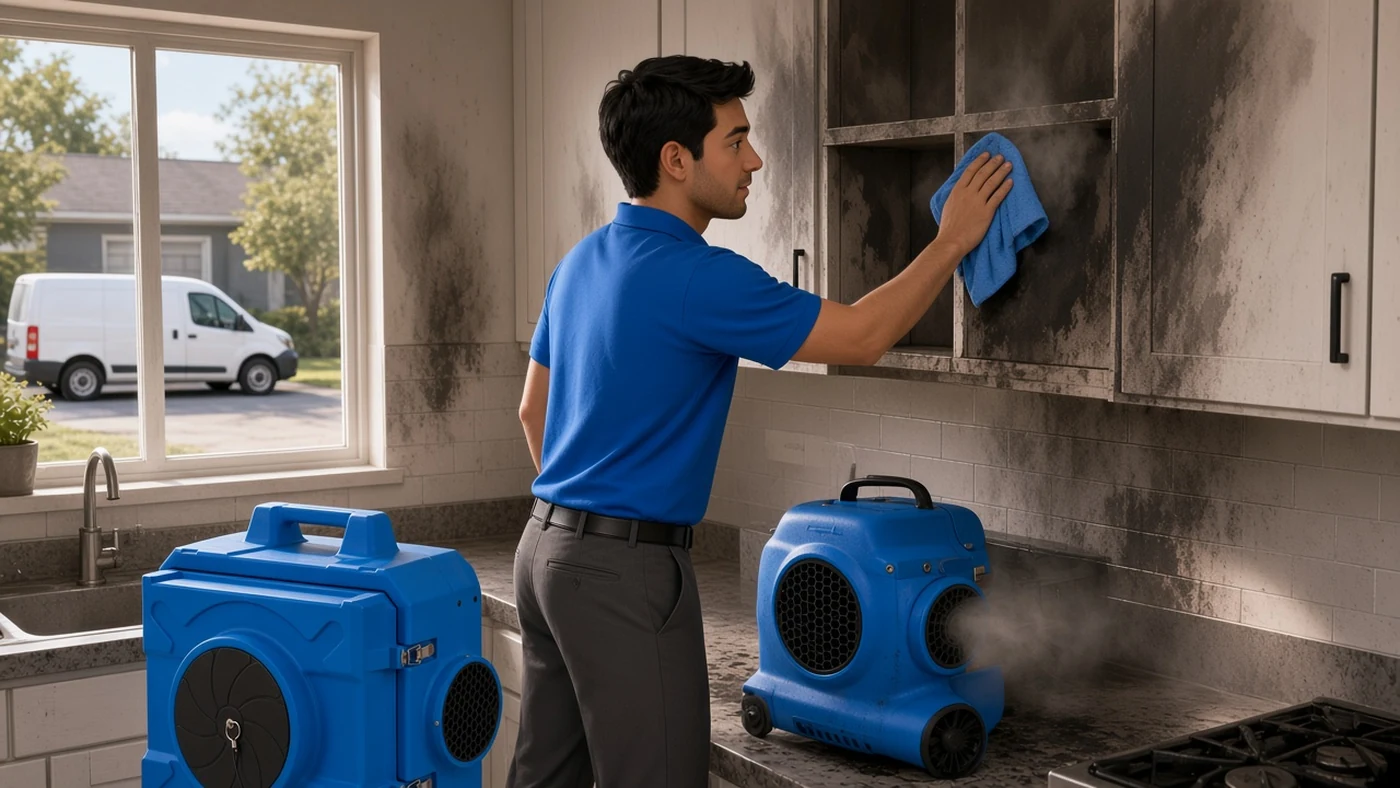
One loss may require several services, but each should have a defined purpose. Extraction removes standing water; drying addresses retained moisture; smoke and contamination cleanup involve different material decisions. Repairs follow the findings and agreed scope.
Water Removal & Structural Drying
Fire, Smoke & Soot Cleanup
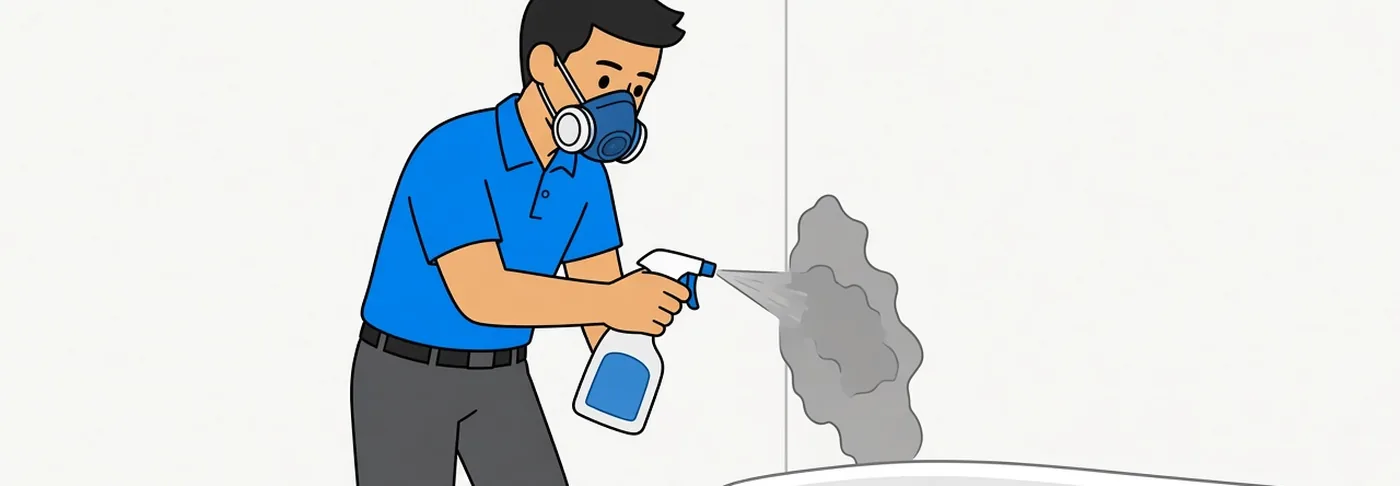
Mold Inspection & Remediation
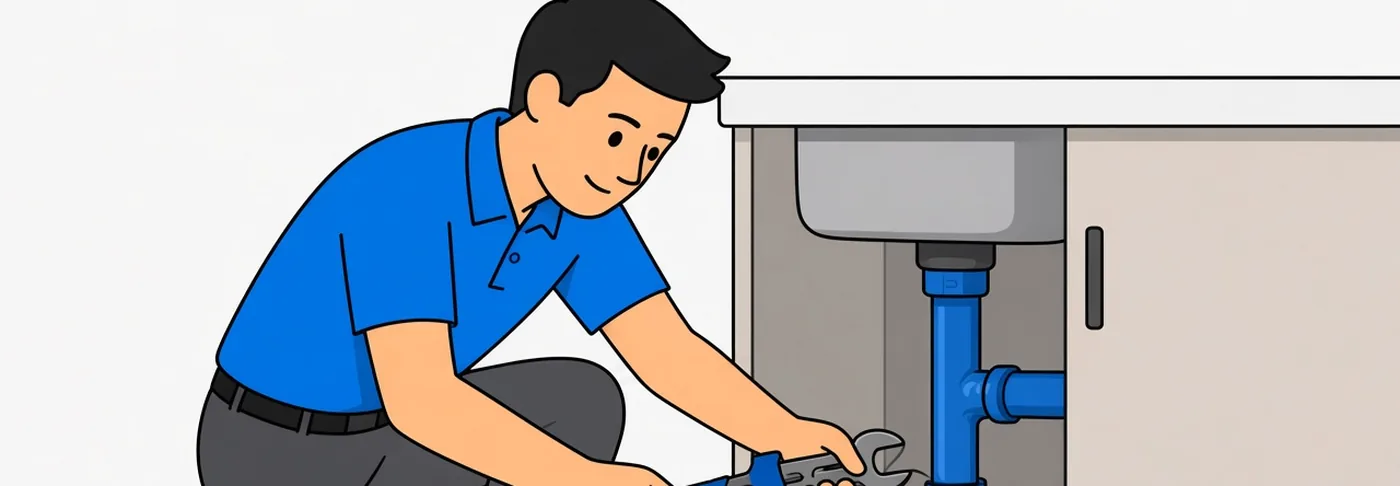
Sewage & Contamination Cleanup
Inspection & Documentation
Define the affected areaConnect the reported event with the materials and rooms involved. Findings and photographs give the proposed scope a clear basis and identify questions requiring further investigation.
Containment & Cleanup
Use the appropriate methodExtraction, drying, soot cleaning and contamination cleanup are different operations. Material condition determines the treatment and the separation needed between work areas and occupied spaces.
Repairs & Reconstruction
Make the next phase clearReview remaining source repairs, replacement materials and rebuilding after mitigation. A documented handoff distinguishes completed cleanup from the work still proposed.
Ada County Service AreaAda County Communities We Serve
Coverage includes Boise, Meridian, Eagle, Kuna, Star, Garden City and Hidden Springs, together with other Ada County properties described in our service area.
Give the full street address and identify the affected home, unit, business or separate building. Include gate, parking or management instructions relevant to inspection access.
The address lookup helps identify the location. Discuss current inspection or mitigation arrangements directly when calling.
Talk Through the Next StepDiscuss Cleanup at Your Ada County Property
Call (208) 999-2353 to discuss a free inspection. Have the address, discovery timeline, source information and authorized contact ready. If several properties are involved, identify the details and priority for each incident.
Call (208) 999-2353Client ReviewsWhat People Say About Us
Disaster Cleanup is 5-Star Rated on Google


Frequently Asked Questions
Which Ada County communities do you serve?
Coverage includes Boise, Meridian, Eagle, Kuna, Star, Garden City and Hidden Springs. Provide the complete address and building type when discussing service so inspection or mitigation arrangements relate to the affected property.
Are calls answered at night and on weekends?
Our phones are answered live 24/7. Describe the current damage, source conditions and access needs when calling. Inspection or dispatch arrangements should be confirmed for the actual incident.
How should we report a leak affecting several units?
List the affected floors and units, reported source and discovery time. Coordinate with building management for authorized entry to connected spaces. Inspection should follow where water traveled rather than stop at the first visible stain.
Does an inspection cost anything?
We offer free inspections. Call to discuss the property, damage and access arrangements. Review the proposed work scope separately before authorizing cleanup or repairs.
What affects restoration cost?
Affected materials, contamination, concealed damage, equipment access and repairs influence the scope. Ask which findings support the estimate, what is included and which items remain provisional until connected or concealed areas can be checked.
What should be considered before older materials are disturbed?
Identify original finishes and any proposed cutting or removal. Discuss whether lead, asbestos or other material assessment is appropriate for the work. A moisture or mold investigation should also address the source and affected building materials.
What records should I keep for an insurance claim?
Keep safe photographs, discovery dates, source-repair reports and the agreed scope. Label records by address and unit where relevant. Your insurer confirms coverage and claim requirements; restoration documentation describes the observed loss and work.
Do you handle repairs after cleanup?
We provide reconstruction, repairs and restoration after cleanup. Review that phase’s scope and any remaining source or moisture concerns before replacement materials are installed.