Caldwell, IdahoFire and Smoke Damage Restoration in Caldwell
Fire and smoke damage restoration in Caldwell starts after emergency response and permission for safe access. Disaster Cleanup discusses soot, affected belongings, firefighting water and the path toward repairs for homes, shops and businesses. Explain the incident and any entry restrictions from a safe location. Do not reenter, wipe residues or test damaged equipment simply because the flames are out; the cleanup plan needs the actual material and safety conditions.
Schedule a Free Inspection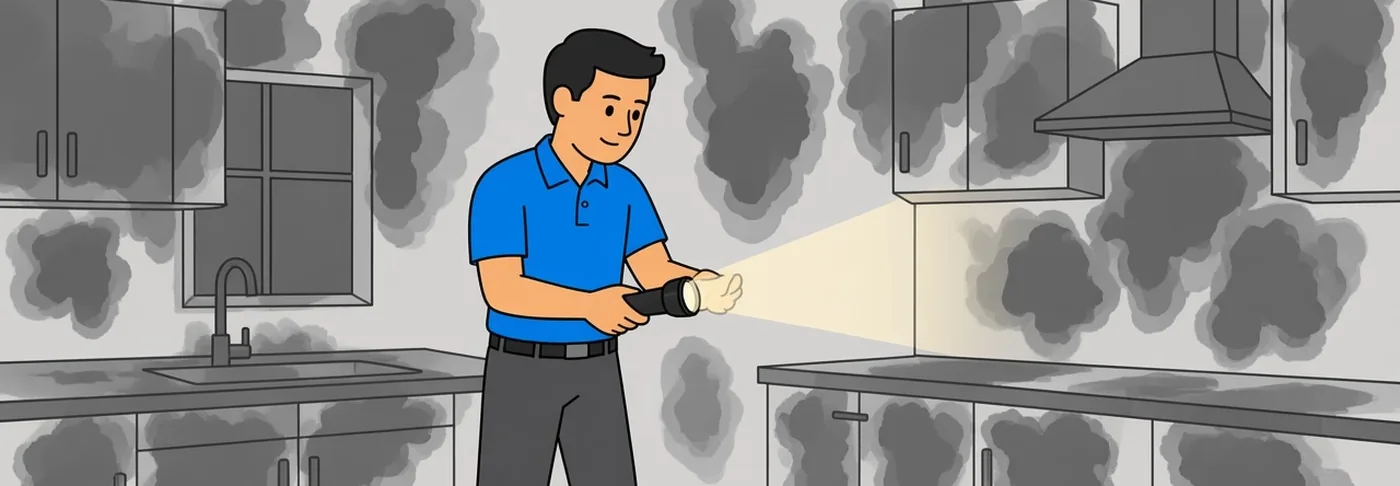
Find out how fast you can get service from your location
24 HOUR EMERGENCYFire and Smoke Damage Restoration for Caldwell Properties
A Caldwell house, attached shop and separate outbuilding can present different restoration questions after the same incident. Smoke residues, damaged openings and water from firefighting may not reach identical materials or require the same sequence. Tell us which structures were involved and what responders said about entry. The assessment should establish a practical boundary without asking an owner to sort contents or investigate an unstable area beforehand.
Older-home and rural-property examples in Caldwell make the building and contents history useful, but they do not identify the fire's cause. Share known repairs, uses of the affected rooms and any important inventory decisions. We discuss temporary protection, residue cleanup, drying and repairs as connected stages, with source-system and specialist questions kept clear. A property looking less smoky is not the only consideration before finishes or belongings return to normal use.
Questions to Discuss at Your Caldwell Property
After a Caldwell scene is released, describe soot, smoke odor, damaged openings and firefighting water only from permitted areas. Explain any moved contents or attempted cleaning. Residue on one visible surface does not establish the full boundary, and a shop's unknown material should not be touched or identified by smell for a quote.
- Black, gray or greasy soot on walls, ceilings, cabinets or belongings.
- A persistent smoke smell that remains after the building has aired out.
- Discoloration, blistered finishes or heat damage around affected rooms.
- Wet flooring, damp drywall or other moisture left after firefighting.
- Charred materials, damaged openings or areas that cannot be safely used.
- Smoke residue around vents or in rooms away from the original fire.
What Happens After You Call
When you call (208) 999-2353 about fire or smoke damage, here is what happens next.
- A live team member listens to what happened, confirms the location and asks about immediate access or safety concerns.
- We coordinate a visit and safe access with you after the property has been cleared for entry.
- We explain a practical plan for the fire, smoke and water damage present.
- Identify affected areas
- Review cleanup priorities
- Discuss repairs and documentation
We explain the proposed work in plain language and help document the damage for your insurance claim.
- The crew starts the agreed work to secure affected areas, address moisture and remove fire or smoke residues.
- Cleaning and repairs move forward according to the damage and agreed scope, with updates about the next steps.
Fire and Material Questions in Caldwell
A kitchen incident reaching adjoining rooms
Smoke and residue can move beyond the burned item, while cabinet joints and nearby finishes present different cleaning questions. Describe which doors were open and where symptoms were noticed. Assessment should relate the proposed boundary to actual findings rather than assume every surface needs an identical treatment.
A house and separate shop
Each structure can have its own access, utility and contents conditions. Identify which areas responders released and who can authorize work. Permission to enter one Caldwell building should not be treated as clearance for an outbuilding or approval to remove everything stored inside it.
Firefighting water below finishes
Water can reach floor interfaces, wall bases and insulation while the most obvious concern remains soot. Explain which rooms were wet and what extraction or source work occurred. Cleaning residues and assessing retained moisture are connected tasks; one does not automatically complete the other.
Stored goods and uncertain residues
A shop or business can contain products that require decisions separate from building-surface cleaning. Share safely available labels or records without approaching damaged containers. An unknown substance or unresolved hazard may need appropriate specialist assessment before ordinary fire restoration can proceed in that area.
Damaged openings and weather exposure
A released property may need temporary protection for a damaged door, window or roof opening. Explain access and current exposure from safety. Agreed board-up or protection is an initial measure, not a substitute for assessing connected damage or completing permanent reconstruction.
Earlier treatment or moved belongings
Wiping soot, applying fragrance or carrying furnishings through the building can change the cleanup history. Explain what was done and where material moved. The work should address actual remaining residues and affected layers rather than depend on a room having been cosmetically prepared for inspection.
What to Do First: Safety Steps
If there is an active fire, heavy smoke or an immediate threat, leave the building and call 911. Restoration comes after emergency response and clearance for access. Do not reenter simply because the flames are gone.
- Wait for the fire department or appropriate authority to confirm that entry is allowed.
- Keep children, pets and other occupants out of affected areas.
- Do not turn on damaged electrical equipment or run the HVAC system until it has been checked as appropriate.
- Avoid wiping soot, disturbing damaged materials or attempting strong chemical or ozone treatments yourself.
- Photograph damage only from areas you can safely access, and contact your insurer about the claim process.
- Call Disaster Cleanup to discuss inspection, temporary protection and cleanup planning.
The Fire and Smoke Damage Restoration Sequence for Your Caldwell Property
1. Inspection and Damage Documentation
Establish the Caldwell incident, released structures and unresolved access hazards before inspection. Record the known soot, contents and firefighting-water concerns so the proposed scope relates to the actual buildings and authorized decisions rather than an assumed whole-property package.
2. Securing and Protecting the Property
When needed, temporary board-up or other agreed protection can help secure damaged openings and limit further exposure. We explain which immediate measures fit the condition of the property. This stage is about stabilizing the situation, not treating a temporary repair as the finished restoration.
3. Addressing Firefighting Water
Water used to extinguish a fire can affect flooring, walls and concealed spaces. Where that damage is present, extraction and drying may be needed alongside fire cleanup. Checking affected materials helps guide the drying work rather than relying only on whether a surface looks dry.
4. Soot and Smoke Residue Cleanup
We assess the residue and the surfaces involved before selecting the cleaning approach. Walls, ceilings, fixtures and contents may not respond to the same method. Materials that cannot reasonably be cleaned or have been damaged beyond repair may need removal and replacement as part of the agreed scope.
5. Odor and Contents Evaluation
Smoke odor treatment starts with identifying affected materials and removing the residue or source where possible. We discuss cleaning and replacement decisions for impacted belongings and finishes. Masking an odor is not a substitute for addressing the underlying smoke damage.
6. Repairs and Restoration Planning
Review the Caldwell cleanup and drying handoff before choosing permanent repairs. Clarify remaining source-system or specialist work, contents decisions and excluded areas so a temporary protection measure or cleaning visit is not mistaken for completion of every building and inventory task.
A Clear Plan for Your Property
A useful Caldwell fire-restoration proposal separates the immediate protection need from material cleaning, moisture work and later construction. Ask which buildings and components are included, what findings support the boundary and what remains inaccessible. This matters where a household loss also involves a shop, inventory or belongings controlled by another person.
Disaster Cleanup discusses related board-up, water-damage and rebuilding needs in the same planning conversation. The stages still need clear authorization and a practical handoff. Ask how contents decisions, source-system assessment and later repairs will be coordinated, while the insurer determines coverage. An understandable sequence is more useful than a universal promise to save every item or finish the whole loss within one fixed period.
How Long Does Fire Damage Restoration Take?
The timeline varies with the amount of damage, the materials affected and whether rebuilding is required. A limited smoke cleanup is different from a property with structural damage and substantial firefighting water. Access, drying needs, material availability and insurance decisions can also influence the schedule. We discuss the expected stages after inspecting the property instead of promising the same completion date for every fire.
Insurance: Documentation and Next Steps
Fire and smoke losses may be covered when the cause and damage fall within your policy, but coverage, limits and deductibles vary. Contact your insurer early and keep records of the loss. We can provide damage documentation and discuss the proposed restoration work with your adjuster. Your insurer determines coverage; an inspection or estimate is not a guarantee that every item will be paid.
Safe Next Steps for Fire and Smoke Damage Restoration in Caldwell
For active fire, heavy smoke or immediate danger, leave and call 911. After response, follow the appropriate authority's access instructions and keep people and pets away from affected Caldwell areas. Do not energize damaged equipment, enter an uncertain shop or begin wiping soot. Describe known conditions and urgent protection needs from safety, and contact your insurer about the claim process without assuming the property is ready for routine occupancy.
Common Fire and Smoke Cleanup Situations
- Kitchen fires with smoke and soot in nearby rooms.
- Fire-damaged living spaces, fixtures and household contents.
- Smoke odor that persists after the source fire is out.
- Wet flooring or walls after firefighting.
- Damaged openings that need temporary board-up before repairs.
Fire and Smoke Damage RestorationCleanup and Restoration Services
The illustrations show fire, smoke and restoration topics rather than a specific Caldwell incident or a promise of universal salvage. A plan should explain residue and surface differences, affected contents and any firefighting water before moving toward repairs. Temporary protection and odor work have distinct purposes; covering an opening or masking a smell is not a complete account of the condition of wall layers, finishes and belongings included in the project.
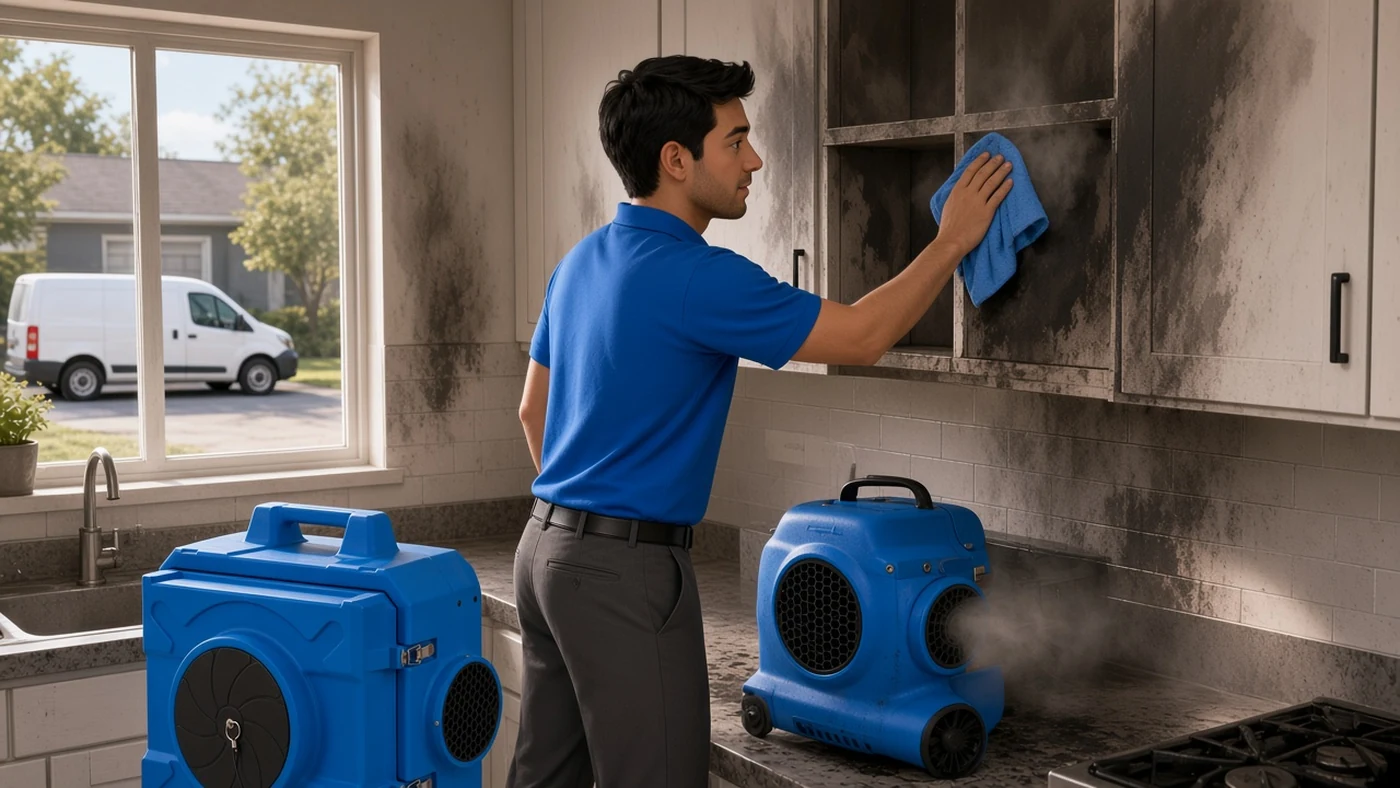
Kitchen fires and smoke residue
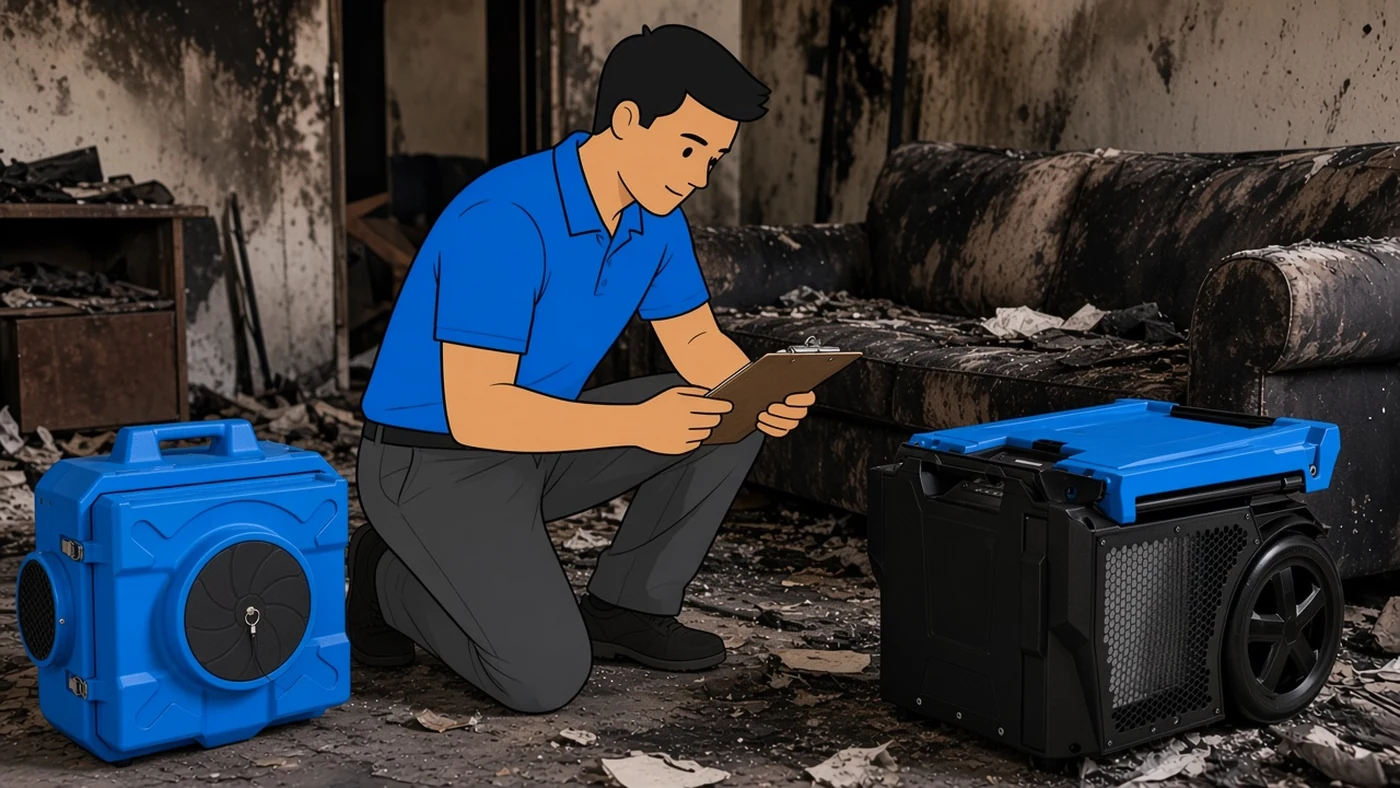
Fire-damaged rooms and belongings
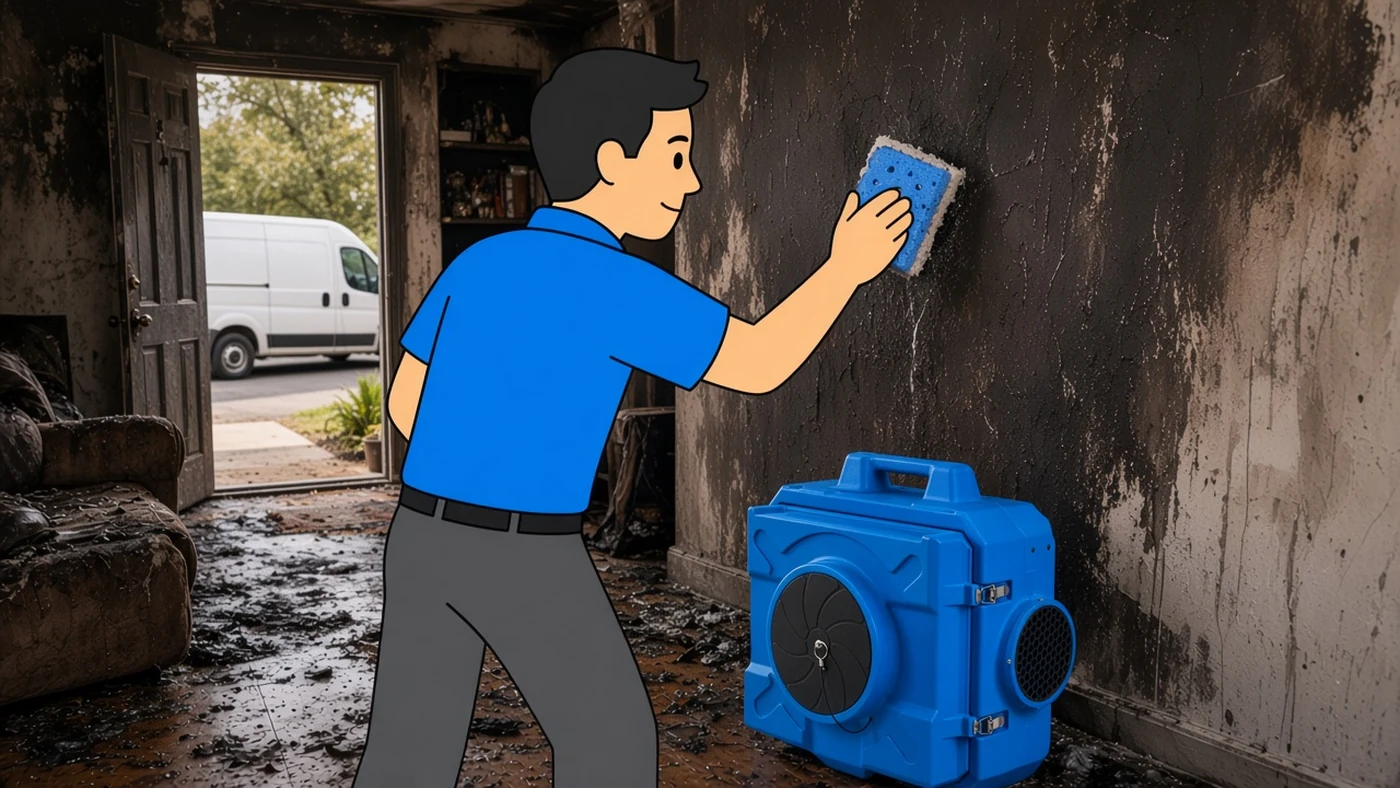
Soot buildup on walls and surfaces
Smoke odors throughout the property
RESPONSE AND RECOVERY
Starting With the Immediate PrioritiesAfter access is permitted, the first work may include protecting damaged openings, addressing water and identifying the areas that need cleanup. We discuss the immediate priorities with you so the next step is based on the condition of the property.
DAMAGE ASSESSMENT
Looking Beyond the Burned AreaSmoke and soot may affect rooms or belongings away from the fire. We inspect accessible areas, document what we find and explain the proposed cleaning or replacement needs. The visible flame damage is only one part of that assessment.
RESTORATION AND REPAIRS
Planning the Work That Follows CleanupOnce cleanup and any necessary drying are complete, damaged finishes and materials can be addressed through the repair scope. We discuss restoration needs and the expected stages so you understand how the property moves from cleanup toward usable space.
Serving Caldwell and Nearby CommunitiesFire and Smoke Damage Restoration in Caldwell
Disaster Cleanup lists Caldwell residential, rental and commercial fire-restoration coverage, with Nampa, Middleton, Parma and Star among nearby communities. Provide the actual property address, released areas and authorized entry contact. If a house and shop are both involved, identify their uses and decision-makers separately. That information helps define the assessment and work sequence around the actual incident and safe access rather than a general assumption about local buildings.
Discuss Your Caldwell PropertyHave Fire or Smoke Damage? Request a Free Inspection
Ask about a free initial inspection after a Caldwell fire or smoke event and explain the responders' access instructions, affected structures and any active exposure to weather. Discuss protection, cleaning, drying and repair stages before authorizing work. Keep existing records available without reentering a restricted area or sorting damaged contents to prepare.
Call (208) 999-2353Client ReviewsWhat People Say About Us
Disaster Cleanup is 5-Star Rated on Google


Frequently Asked Questions
What should I do first after a fire at my Caldwell property?
Follow the responders' instructions and stay out until entry is allowed. For an active fire or immediate threat, leave and call 911. Once appropriate access is established, discuss inspection, temporary protection and cleanup planning from safety. Do not wipe soot, test equipment or move damaged belongings to prepare for the visit.
Can one inspection discussion include a house and a shop?
Explain each structure, its use and whether it has been released for entry. Access and contents decisions may differ, and an unknown shop residue can require separate assessment. The proposed work should identify the buildings and limits clearly rather than assume permission for one area covers every structure and stored item.
What affects the cost of Caldwell fire restoration?
Affected surfaces, residue type, contents, safe access, firefighting water, protection and rebuilding needs influence the scope. Source-system or specialist work may be separate. Ask what the estimate includes after assessment instead of assuming the burned area's size or a room count establishes every cleanup and repair cost.
Should I start cleaning soot while waiting for an inspection?
Avoid wiping, scrubbing or applying household chemicals before the residue and finish are assessed. A poorly matched method can spread material or make a finish harder to restore. Share any cleaning already attempted and take photographs only from areas you are permitted to access safely.
How is firefighting water handled with smoke cleanup?
Water may affect layers beneath flooring or inside wall and ceiling assemblies. Where present, extraction, drying and material checks need to fit alongside residue cleanup. Ask which areas were examined and what remains for the next stage rather than assume a soot-cleaned or dry-looking surface describes the entire assembly.
Can temporary board-up be part of the plan?
Discuss damaged openings and current exposure after the property has been cleared for appropriate access. Temporary protection may be useful where the condition supports it. Ask which measures are proposed and what permanent repairs remain; securing an opening does not itself complete the fire, smoke or water restoration.
How long can a Caldwell fire-restoration project take?
Damage extent, contents, access, drying, material decisions and construction needs influence the sequence. A limited residue cleanup differs from work involving damaged building components and several structures. Discuss expected stages after assessment rather than treat a drive-time estimate or initial visit as a guaranteed completion date.
What information should I keep for the insurance claim?
Keep existing loss records, responder access instructions and the proposed restoration scope, with photos only where safe. Ask the insurer about authorization, policy limits and contents decisions. Disaster Cleanup can discuss documented damage and proposed work, but the insurer determines coverage; an estimate does not guarantee payment for every item or repair.