
Sewage Cleanup in Boise, ID
A sewage backup in a Boise home, from a basement floor drain in the North End to a toilet overflow in a newer West Boise house, is a health risk, and contaminated water soaks into flooring and walls fast. Disaster Cleanup is veteran-owned, answers live 24/7 and is usually on site within 1–2 hours anywhere in Boise to remove the sewage, clean and disinfect, dry the structure and make the repairs.
Schedule a Free Inspection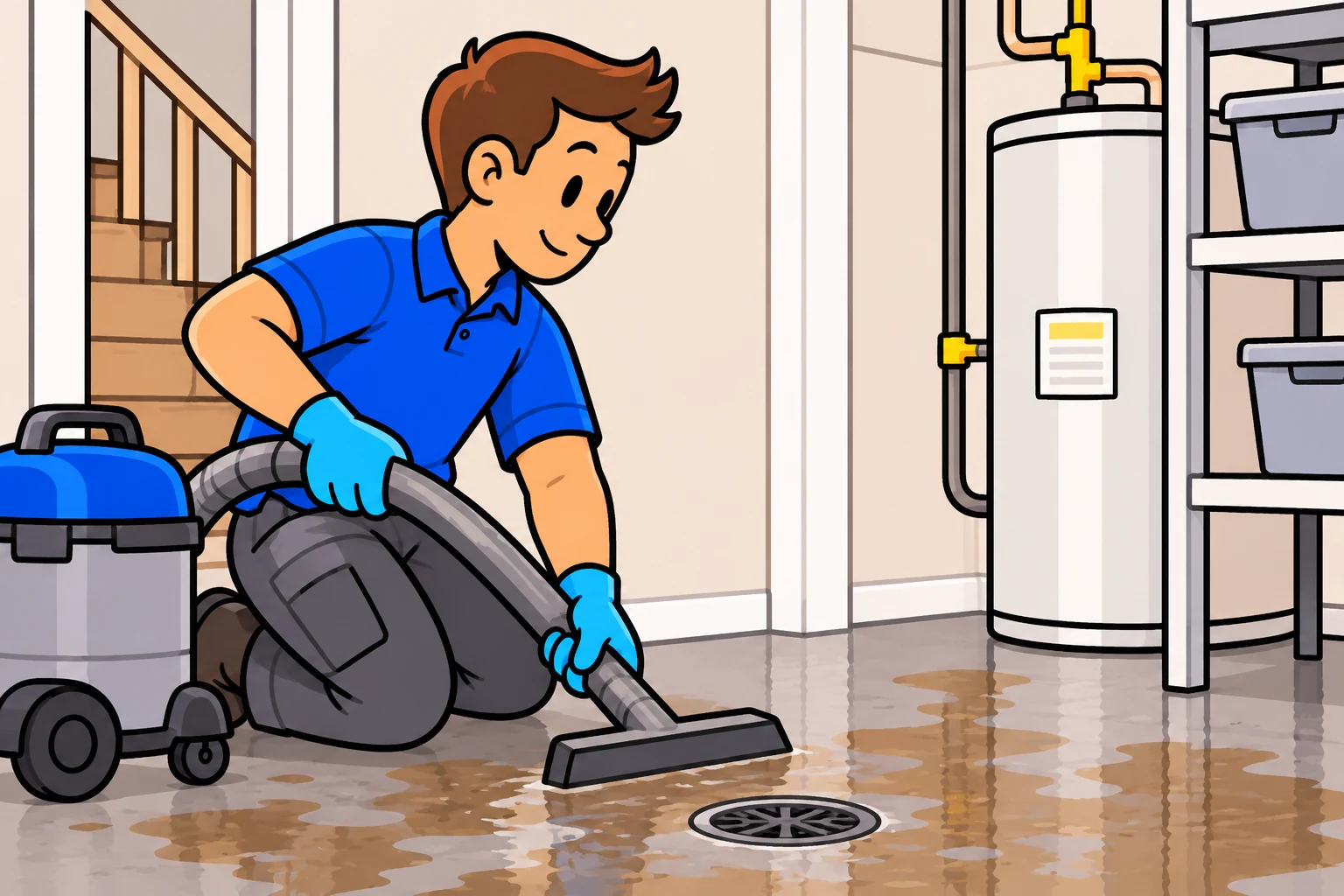
Find out how fast you can get service from your location
CONTAMINATED WATER AND MATERIAL RESTORATION Sewage Backup Cleanup for Boise Properties
A Boise basement drain backup and an upstairs toilet overflow can reach very different materials. Water may pass beneath carpet, around a cabinet base or through a ceiling before it is discovered. Explain where it first appeared and which fixtures were used afterward. The cleanup boundary should follow the contamination history and affected interfaces, not stop where the visible pool happened to end.
Older North End, East End and Collister property examples on the site make drain history a useful discussion topic, but a neighborhood does not diagnose a blocked line. Tell us about completed plumbing work and known earlier incidents. We discuss extraction, material removal or retention, suitable cleaning and drying alongside the remaining source question. A cleared drain is an important milestone, not proof that the surrounding building assembly has already been restored.
Questions to Discuss at Your Boise Property
For a Boise backup, describe the first affected fixture, any later rooms and whether wastewater continues to arrive. Do not trace the route by walking through the area or testing more drains. Apparent depth and color alone do not establish the contamination boundary or which porous materials can remain.
- Wastewater backing up through a low drain
- A toilet overflow involving contaminated water
- Sewage reaching carpet or other absorbent finishes
- Water spreading beneath cabinets or wall bases
- A basement backup near mechanical equipment
- Recurring wastewater after an earlier drain problem
What Happens After You Call
The call establishes the backup history, safe-access concerns and source-control arrangements. We then discuss affected materials and the sequence from removal through cleaning, drying and restoration, rather than treat water extraction as the whole project.
- Explain the likely source, affected rooms and whether wastewater is still arriving.
- The drain, sewer or septic cause may require a plumber, utility or other appropriate professional.
- The work boundary considers water movement and the construction of floors, walls and belongings.
- We discuss retention, controlled handling and the sequence needed for affected materials.
- Understand what has been addressed, which source repairs remain and how removed finishes can be restored.
Backup and Material Questions in Boise
A backup at a lower drain
A basement drain can be the first visible location even when the underlying restriction is elsewhere. State what appeared and whether other fixtures changed. Clearing the line and assessing the affected room are separate tasks, and an owner should not run more water to reproduce the event.
Older service-line history
Previous root removal, pipe repairs or recurring slow flow can help the appropriate plumbing professional investigate. Share records rather than diagnose a cause from the age of a Boise street. The cleanup proposal still needs to address actual contaminated materials, regardless of which source repair is selected.
A toilet overflow above another room
Wastewater can reach floor edges and a ceiling below before discovery. Explain which level was affected and whether supply or fixture use has stopped. A clean-looking lower surface does not establish every layer's condition; access and material decisions need a clear purpose and boundary.
Carpet and adjoining finishes
Carpet, pad and absorbent wall bases present different questions from a sealed hard surface. Tell us whether water reached a transition or moved into another room. Retention should not be promised from a photograph, and removing the visible liquid does not complete cleaning beneath an affected finish.
Tracking beyond the first room
Footwear, wet furnishings or household cleanup can transfer contamination into dry areas. Explain any routes already used and keep routine access away from known affected spaces. The plan should consider movement and contents without asking the owner to carry contaminated belongings through the house.
Repeat symptoms after a cleared line
If water returns or an odor persists, explain the sequence and earlier work. A source may need further assessment, while residual material can create a separate restoration question. Do not assume another disinfectant or a newly flowing drain establishes that every affected layer is ready for rebuilding.
What to Do First: Safety and Preparation
Stay out of affected water and do not use a household vacuum, mop or fan to spread it through the space. Avoid using fixtures that could add water to a backed-up system. Do not enter to unplug equipment or reach a breaker. For immediate electrical, structural or medical danger, obtain the appropriate emergency assistance before arranging property cleanup.
If the water has receded, do not assume the floor or nearby belongings are ready for ordinary use. Residue and moisture can remain in affected layers. Keep routine traffic out and describe any items already moved so the assessment can consider that history rather than focus only on the original visible pool.
- Keep children, pets and unnecessary traffic out.
- Do not use domestic vacuums or household fans.
- Avoid adding water to a suspected backed-up system.
- Report electrical concerns without entering the water.
The Sewage Cleanup Sequence for Your Boise Property
1. Review hazards and the ongoing source
Establish the Boise backup history, active-flow status and safe-access restrictions before discussing extraction. Identify source-control work already arranged and the contact authorized to approve building and contents decisions without asking an owner to enter the affected area.
2. Define affected materials and movement
Assessment considers visible water routes, accessible layers and any belongings already moved. The work boundary should reflect actual contamination questions rather than stop automatically at the room where the backup began. Known traffic or moved contents can create additional questions beyond the first visible affected room.
3. Remove contaminated water and necessary materials
Extraction and material decisions follow the source and site condition. Porous finishes may require removal, while other components need a suitable evaluation. The proposal should explain what is being discarded and why rather than promise universal retention. The owner should understand retention and removal decisions before repair or contents expectations are set.
4. Clean appropriate remaining surfaces
Cleaning and treatment need to fit the material and agreed scope, with controlled movement of debris. A visible stain change or added fragrance is not a substitute for addressing contamination in accessible affected surfaces and interfaces. Movement through shared areas needs consideration as well as the contaminated surfaces in the source room.
5. Dry the affected assembly
Moisture remaining after cleanup still needs consideration. Drying access and progress should inform the next decision; a fixed equipment period does not by itself establish that every layer is ready for rebuilding. Moisture evaluation should relate to the retained assembly and accessible layers, not just the exposed face.
6. Review source repairs and restoration
Review the Boise materials addressed, remaining source repairs and readiness questions for the rebuilding trade. The completed cleanup scope should distinguish retained layers, excluded spaces and later repairs rather than treat drain flow or equipment removal as completion of every stage.
A Clear Plan for Your Property
Boise homeowners call us for sewage backups because one team handles the whole job: safe removal, cleaning and disinfection, drying and the flooring and wall repairs afterward. We work alongside your plumber, who clears and repairs the line.
Disaster Cleanup is a veteran-owned company founded in 2015 by Shane Cherry and based at 5332 N Sawyer Ave, STE 120 in Garden City. Our phones are answered live 24/7, inspections are free, and we aim to be on site within 1-2 hours. All of our work is backed by a 1-year warranty.
What Affects the Project Schedule?
The amount and movement of water, contamination, material construction, safe access and separate source repairs influence the sequence. Some projects need removal and rebuilding as well as cleaning and drying. Confirm current arrangements directly instead of relying on a universal arrival promise or assuming that extraction completes the whole job.
Insurance and Project Documentation
Sewer backup, septic-related events, outside flooding and a sudden interior leak can have different coverage treatment. Ask the insurer about the actual source and any applicable endorsement, authorization or exclusion. Keep the cleanup and source-repair records; an estimate or inspection does not establish that every material replacement or system repair is covered.
Safe Next Steps for Sewage Cleanup in Boise
Keep occupants and pets away from the Boise backup and stop adding water to the suspected affected system where appropriate. Do not enter wastewater near electrical equipment or use a household vacuum. Call the appropriate plumber, utility or emergency assistance for the source and immediate danger, then explain known conditions to the cleanup team. Avoid mixing chemicals or moving wet belongings through clean rooms to make the space ready.
Information That Helps Define the Next Step
- Wastewater backing up through a low drain
- A toilet overflow involving contaminated water
- Sewage reaching carpet or other absorbent finishes
- Water spreading beneath cabinets or wall bases
Sewage Cleanup Assessment, Work Planning and Restoration
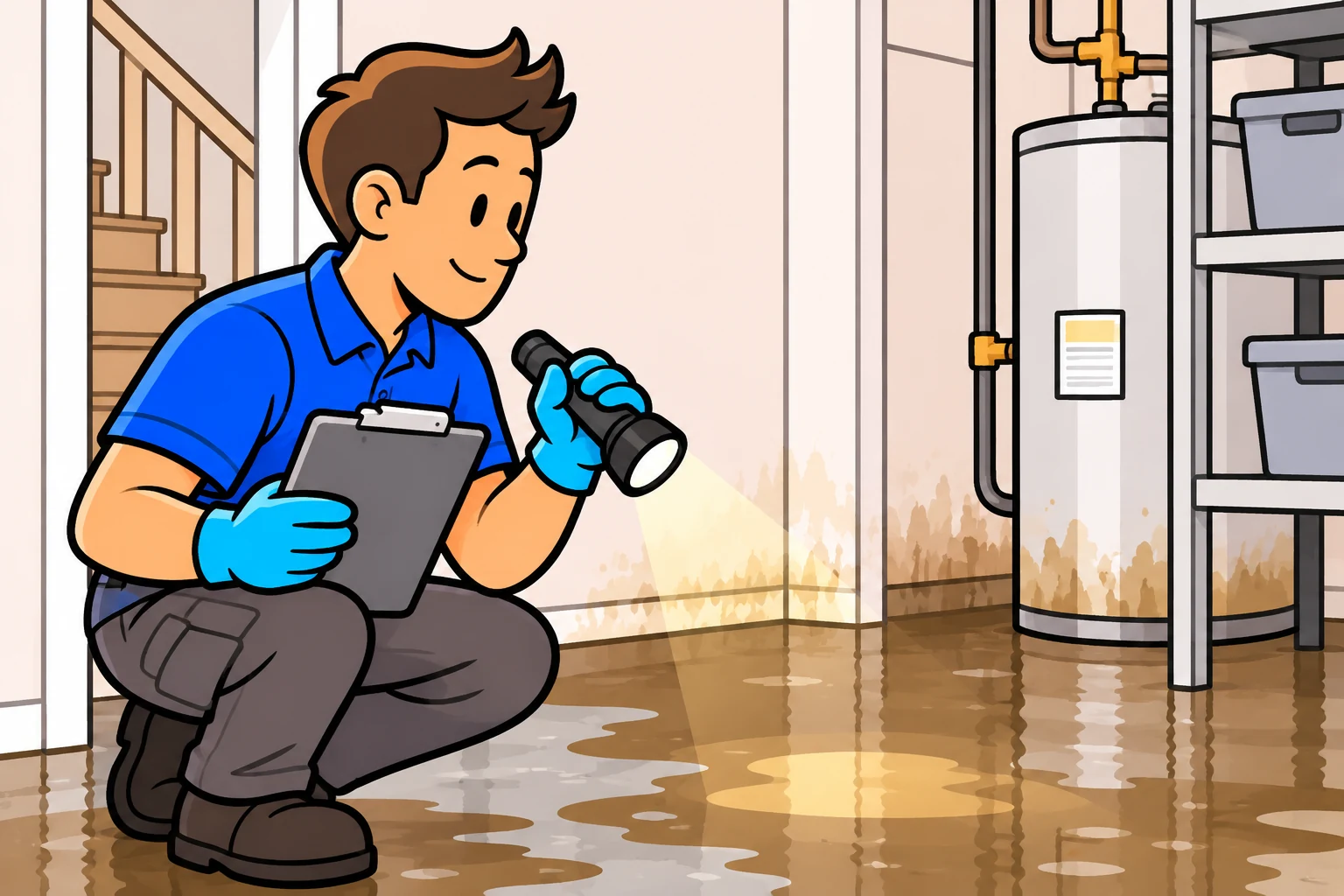
These illustrations show contaminated-water and restoration topics, not a fixed method for every Boise drain event. A plan should address the known source history, affected materials and handling route before cleaning and drying are considered complete. A disinfectant must be used appropriately on suitable surfaces; applying a product to visible residue does not establish that absorbent layers or concealed interfaces were reached or that new finishes can be installed immediately.
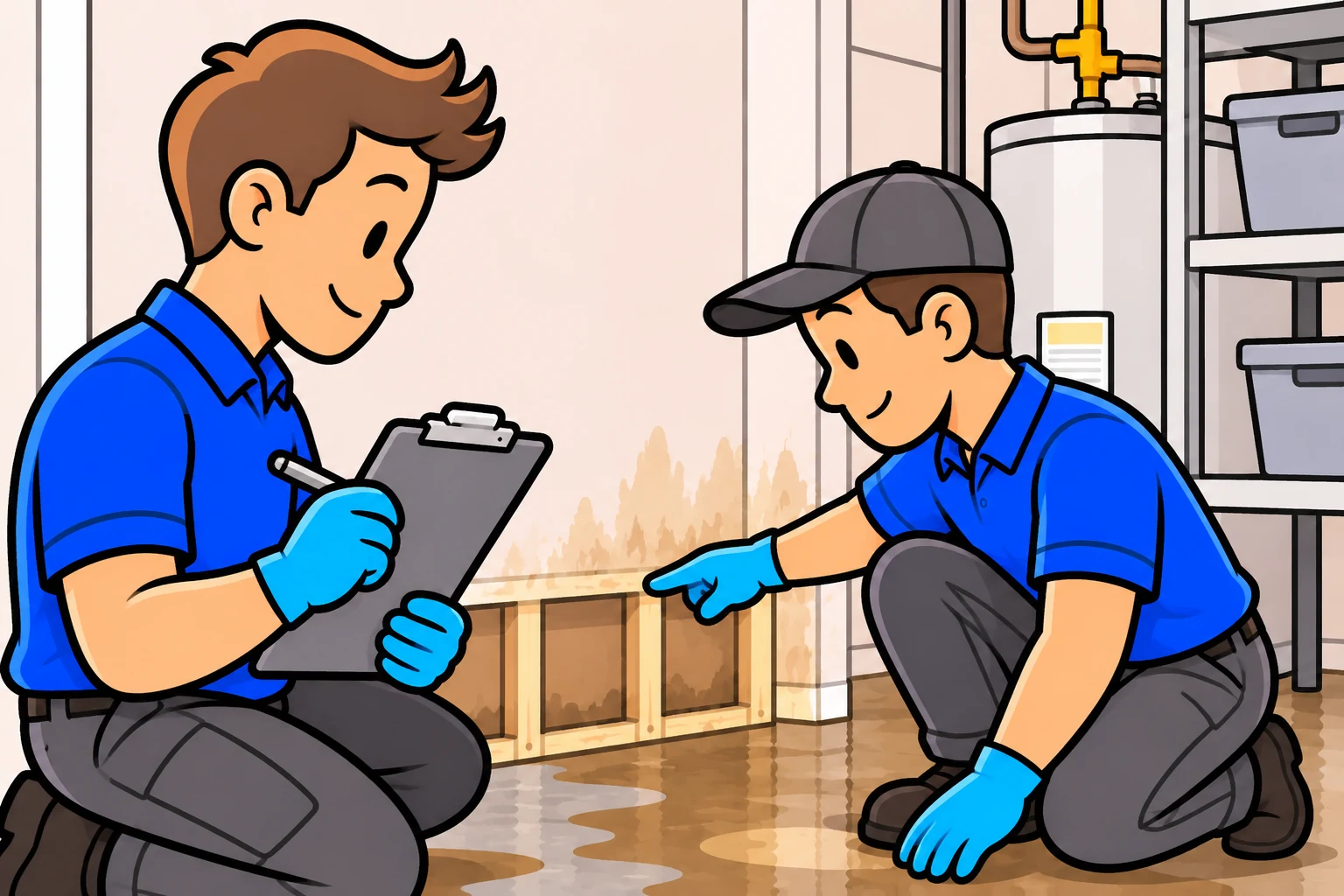
Assessing a contaminated-water event

Planning extraction and material removal
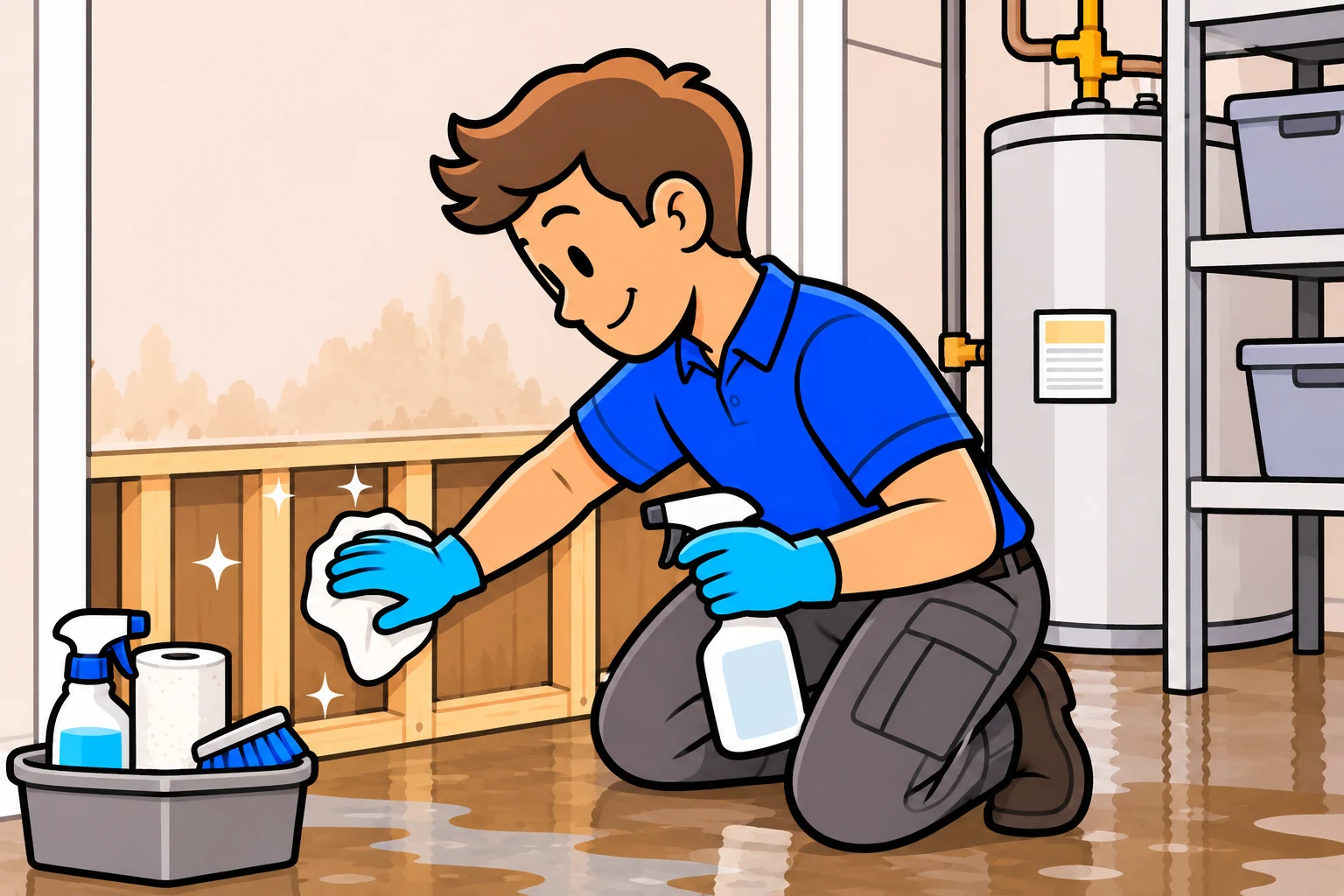
Cleaning retained building surfaces
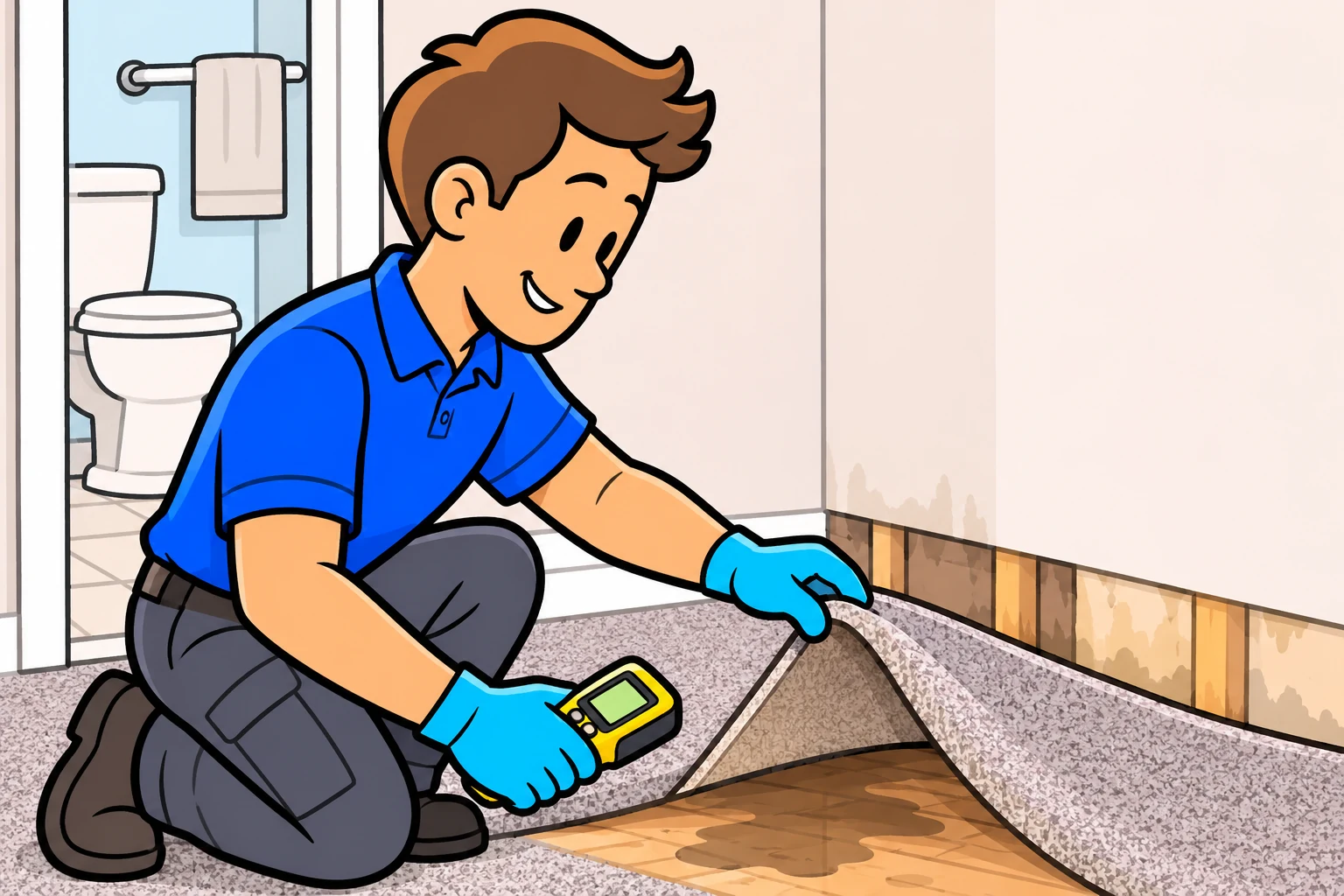
Coordinating drying and restoration
Source history guides handling
Define the workA sewage or drain event should not be treated as an ordinary clear-water spill based only on appearance.
Contamination and drying are separate needs
Match the site conditionsRemoving wastewater does not establish that retained materials are clean or that underlying layers are dry.
Cleanup connected to the repair
Plan the next stageThe handoff should distinguish building restoration from the plumbing or septic correction still needed to address the cause.
Serving Boise and Nearby Communities Sewage Cleanup in Boise
Where we work in Boise: We clean up sewage backups across Boise, including the North End, East End, the Bench, West Boise, Southeast Boise and Harris Ranch. That covers basement floor drains in older homes and toilet or main-line overflows in newer ones. Disaster Cleanup is veteran-owned and based in neighboring Garden City. Phones are answered live 24/7 and a crew is usually on site in 1–2 hours. Call (208) 999-2353.

Discuss Your Boise Property Request a Free Inspection
Ask about a free initial inspection after a Boise sewage backup and explain whether the flow has stopped and what plumbing work is known. Discuss extraction, contaminated-material decisions, cleaning, drying and later repairs as separate parts of the scope. Keep any existing records available without entering wastewater or collecting debris for the visit.
Call (208) 999-2353Client Reviews What People Say About Us
Rated 4.8 stars from 159 Google reviews. Read our Google reviews


Frequently Asked Questions
How fast can you get to a sewage backup in Boise?
Phones are answered live 24/7, and a crew is usually on site within 1–2 hours anywhere in Boise. Stop using sinks, toilets and appliances that drain into the backed-up line, and keep people and pets away.
Is it safe to clean up sewage myself?
Sewage carries bacteria and contaminates porous materials like carpet, pad and drywall. We remove contaminated materials, clean and disinfect, and dry the structure before repairs.
Will you work with my insurance company?
Yes. We document the backup and the damage and can work directly with your adjuster. Coverage depends on your policy, so ask your insurer about sewer backup coverage too.
What should I do first after a sewage backup in Boise?
Keep people and pets out, avoid adding water to the suspected blocked system and do not enter the area near electricity. Arrange appropriate help for the source and immediate safety issues, then call (208) 999-2353 to discuss sewage backup cleanup. Describe the event and affected rooms from a safe location rather than run more fixtures or begin household extraction.
Do I need a plumber as well as a cleanup team?
The drain, sewer or septic cause and the affected building materials are different work decisions. Explain source work already arranged so the stages can be coordinated. A cleared line does not itself clean a contaminated floor assembly, while extraction does not necessarily repair the pipe or prevent another backup.
Can sewage-soaked carpet be dried and kept?
Absorbent carpet and pad require contamination and material assessment, not a universal salvage promise. Explain the known source and where water traveled. The proposal should say which layers are included and why removal or another approach is appropriate rather than assume ordinary drying equipment makes every porous component suitable to retain.
How fast can you get to a Boise sewage backup?
Our phones are answered live 24/7, and we aim to be on site within 1-2 hours anywhere in Boise. Keep people and pets out of the affected area until we arrive.
How long does cleanup and drying take?
The sequence depends on affected material, access, continuing source issues and the response of retained components. Cleaning, drying and repairs are not the same stage. Ask about current findings and the conditions needed for the next step instead of treating a travel estimate as a completion date.
What should a Boise rental owner have ready?
Identify the authorized entry contact, affected unit and any shared corridors, and provide known event or plumbing records. Explain contents authority and occupant access needs. Do not ask a tenant to move contaminated belongings or expose flooring simply to make the initial visit easier.
Will insurance pay for a sewer backup?
Coverage depends on the actual policy, event and insurer's review, including any applicable backup provisions or exclusions. Keep source records and the proposed restoration scope. An estimate does not establish claim approval, and building material, contents and later repairs may be considered separately.
When can flooring and wall repairs begin?
Review the agreed material condition, cleaning and moisture handoff before concealing an assembly. Confirm remaining source work and what the repair trade requires. A room looking dry or a line flowing again should not replace the discussion of affected layers, limitations and readiness for new finishes.