Biohazard Cleanup in Caldwell, ID
Biohazard cleanup in Caldwell begins with safe access, the contamination history and a clear decision-maker. Disaster Cleanup discusses affected building materials, belongings and controlled cleanup for homes, rentals and businesses. Keep people and pets away rather than try to make the room presentable. Medical emergencies and any official restrictions come first; arranging restoration does not release a scene or authorize entry to someone else's property.
Schedule a Free Inspection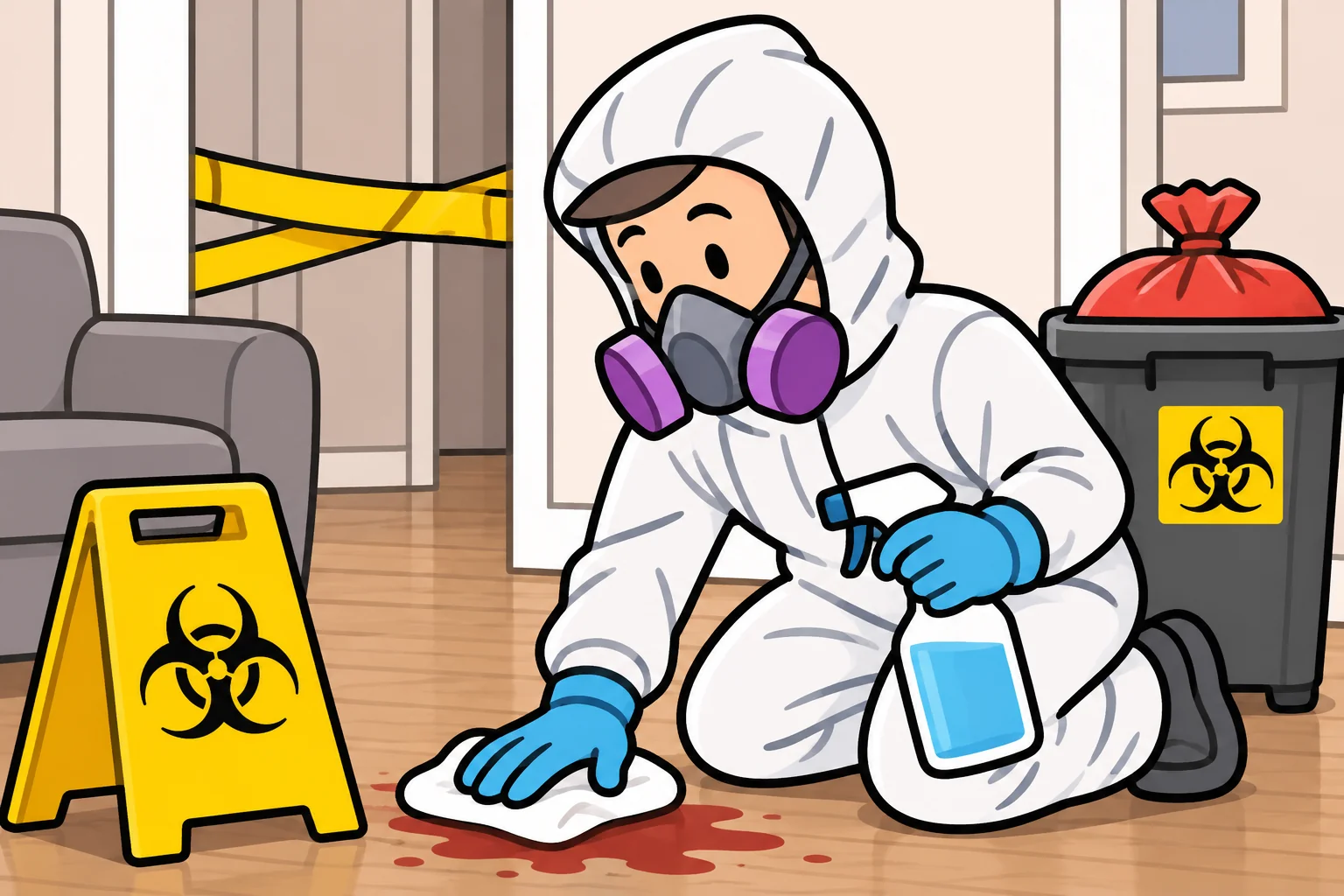
Find out how fast you can get service from your location
CONTROLLED CONTAMINATION CLEANUP Biohazard Cleanup for Caldwell Properties
A Caldwell rental, family home or business can present very different access and contents decisions after biological contamination. An absorbent carpet edge, an upholstered item and a sealed floor should not all receive the same cleaning assumption. Explain what is known from outside the affected area, including whether material was moved or someone already attempted cleanup. That history can help identify a practical boundary without asking an owner to inspect a hazardous room personally.
Sensitive work also involves permission. A relative may be arranging the call while a landlord controls building repairs or another person owns the belongings. Identify these roles early, and say whether responders still control entry. We discuss proposed cleaning, removal and follow-on restoration in terms the authorized person can understand, rather than treat a free initial inspection as permission to discard contents or begin an unlimited project.
Questions to Discuss at Your Caldwell Property
For a Caldwell property, the important observations are the type of incident, affected surfaces and any movement beyond the original area. Do not identify a substance by touching or smelling it. A difficult odor or untidy room alone does not establish the contamination or the appropriate work.
- Body fluids on floors or furnishings
- Waste reaching porous building materials
- Contamination tracked into adjacent rooms
- Strong odors associated with a known incident
- Affected belongings that cannot be routinely cleaned
- An officially released scene needing professional cleanup
What Happens After You Call
A sensitive cleanup begins with a practical, respectful conversation about access and affected materials. Share only the details needed to plan the work and identify the authorized contact.
- Share only the details needed to identify the affected location, access and type of contamination.
- Tell us whether emergency responders or authorities still control the property.
- Identify known affected surfaces and any possibility of tracking into other areas.
- We explain why cleanable hard surfaces and absorbent items may need different handling.
- Discuss the completed work, any remaining repair needs and the conditions for reopening the area.
Contamination and Access Questions in Caldwell
Blood or body-fluid incidents
A localized visible mark can reach joints, absorbent flooring or nearby belongings. State what is known about the event and whether the area was walked through. Avoid wiping a small spot as preparation, because its appearance does not reveal the condition of underlying layers.
Unattended discovery in a home
Time before discovery can affect materials and odor questions, but a telephone description cannot establish a complete removal boundary. Tell us which room is involved and who controls access. Do not move furnishings to investigate or assume every adjacent room requires identical work.
Rental entry and belongings
In a Caldwell rental, the person permitting a visit may not own every item inside. Clarify property and contents authorization before decisions about removal. Existing tenancy or ownership questions are not resolved simply because a contractor has been asked to inspect the affected area.
Waste among stored contents
Waste can be mixed with otherwise ordinary belongings. Separate the known contamination question from a general cleanout request, and do not sort containers or gather sharp debris yourself. The proposed handling route matters when materials would otherwise pass through clean occupied rooms.
Shared routes in a business
Customers, employees and deliveries can create movement paths beyond the first visible area. Explain which doors and corridors are shared. A defined cleanup boundary and practical access arrangement are more useful than assuming the entire Caldwell business can remain open throughout any incident.
Previous cleaning or moved material
A product application, household vacuum or bag of moved waste can change the assessment. Explain what happened without repeating it. The plan should consider the remaining material and possible transfer rather than rely on the room looking cleaner than it did at discovery.
What to Do First: Safety and Preparation
Keep people and pets away from the affected area and avoid touching or moving contaminated objects. Do not use a household vacuum or spray cleaning chemicals into unknown residues. Leave sharps in place and identify their location from a safe position. A cleaning contractor is not a substitute for emergency medical care or official scene release.
If you have already used a cleaning product, share its name if known and explain where it was applied. Do not add another product in an attempt to neutralize the first. The crew needs an accurate description of the conditions, including any tracking or moved waste, rather than a room that has been cosmetically prepared.
- Keep pets away from affected belongings.
- Leave needles and sharp debris undisturbed.
- Do not mix cleaning products on unknown residues.
- Identify the person authorized to make property decisions.
The Biohazard Cleanup Sequence for Your Caldwell Property
1. Assess the incident and property
Discuss the Caldwell incident, known affected area and who can authorize entry. Confirm any official release and immediate safety restrictions before treating a cleanup appointment as permission to enter or begin removing material.
2. Separate the work area
The plan considers occupant access, routes for moving material and protection of unaffected spaces. Keeping the work boundary understandable helps avoid transferring contamination while belongings or waste are being handled. Identify shared corridors or occupied spaces that need to remain outside the movement route.
3. Evaluate affected materials
Hard surfaces, absorbent finishes and personal items may require different approaches. We explain the proposed cleaning or removal decisions and identify areas where concealed penetration may require closer assessment. Owner decisions about sentimental or important belongings should be discussed before material is discarded.
4. Remove contamination in a controlled way
Affected material and unsuitable porous items are handled according to the agreed scope. Removing visible residue is only one part of the work; surfaces and interfaces beneath it may also need attention. Waste movement should not create a second contamination path through otherwise unaffected rooms.
5. Clean and address residual conditions
Cleaning methods and appropriate products are selected for the surfaces and contamination. Odor concerns are considered alongside physical source removal, rather than treated as proof that fragrance alone has resolved the incident. Product choice alone is not evidence that an inaccessible or absorbent material has been adequately addressed.
6. Review the completed scope
Review the actual Caldwell work boundary, material decisions and remaining repairs with the authorized contact. Keep limitations and unexamined areas explicit; completed cleanup is not a universal medical assurance or a decision about ownership of remaining belongings.
A Clear Plan for Your Property
Respectful Caldwell biohazard service needs both considerate communication and an understandable material scope. Ask which rooms are included, what supports cleaning or removal and how access to unaffected areas will be handled. Share sensitive details only with the people needed to plan the work; do not assume a particular vehicle, staffing arrangement or privacy guarantee that has not been discussed.
Belongings decisions should remain explicit, especially when family members, an estate representative or a rental owner have different roles. Important documents and sentimental items can be identified without moving them through the property. We discuss practical handling limits and later repair needs, while medical, legal and ownership decisions stay with the appropriate professionals and authorized people.
What Affects the Project Schedule?
The type of contamination, time before discovery, affected layers and disposal arrangements influence the work. Access restrictions and any required repairs add separate steps. A phone or arrival estimate should not be interpreted as a guaranteed cleanup completion time.
Insurance and Project Documentation
Some incidents may involve a property claim, but the event, policy wording and exclusions matter. Ask the insurer what documentation and authorization it needs. We can explain the cleanup scope; we cannot promise that every contaminated item or restoration cost will be covered.
Safe Next Steps for Biohazard Cleanup in Caldwell
Keep the affected Caldwell space closed to routine use and leave sharp objects, residues and belongings in place. Do not vacuum unknown material, mix disinfectants or carry contaminated items outdoors to prepare for a visit. Explain access restrictions and any immediate hazard from a safe location. Emergency responders and medical care take priority when needed; cleanup planning should begin only with appropriate permission to enter and a clear account of the conditions.
Information That Helps Define the Next Step
- Body fluids on floors or furnishings
- Waste reaching porous building materials
- Contamination tracked into adjacent rooms
- Strong odors associated with a known incident
Biohazard Cleanup Assessment, Work Planning and Restoration
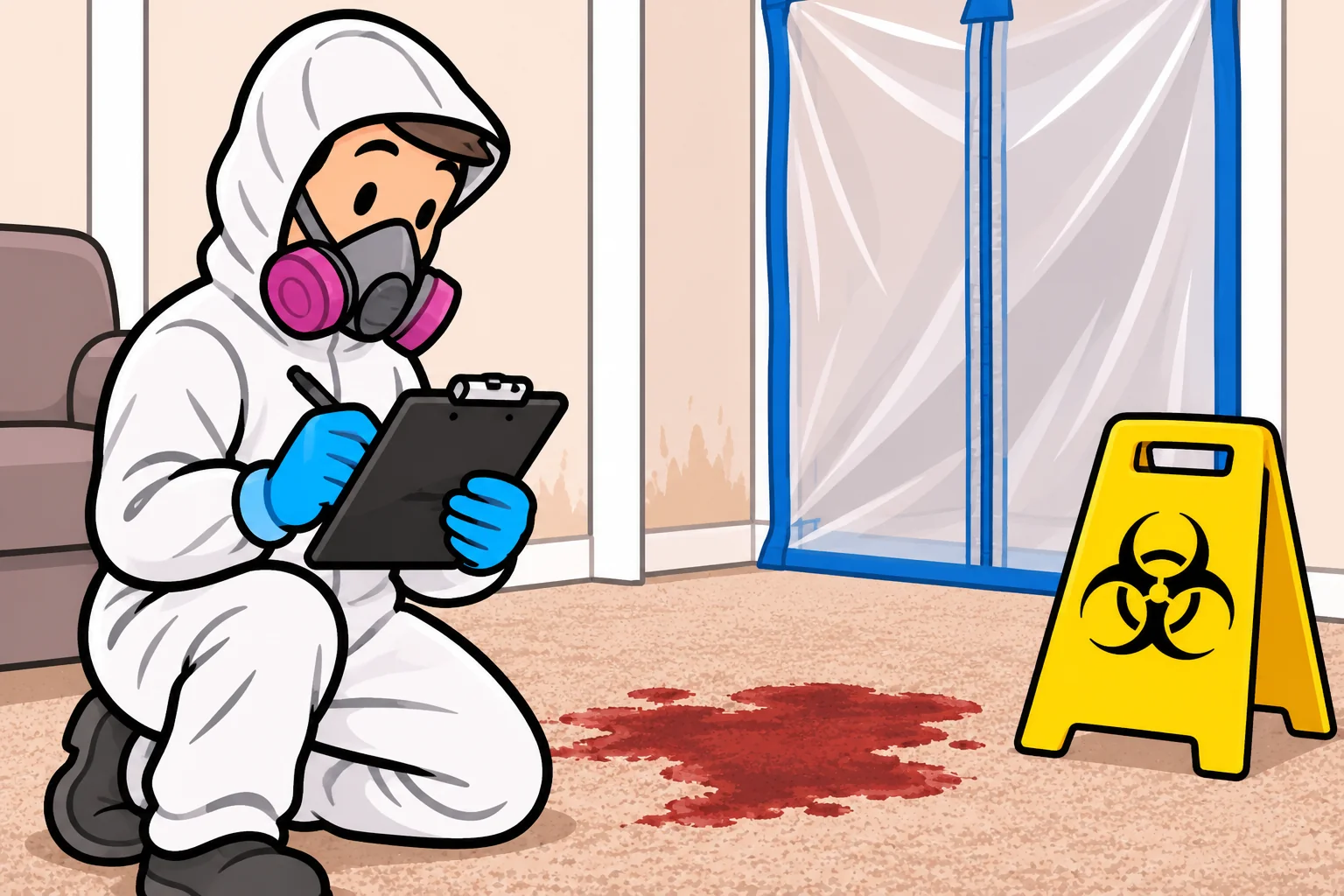
The illustrations represent assessment, controlled handling and restoration topics, not a promise that every personal item can be saved or every surface needs removal. A Caldwell proposal should distinguish affected porous material from potentially cleanable hard surfaces and explain the movement route for waste. Source removal, suitable cleaning and later repairs are connected decisions; fragrance or a changed stain should not be treated as the sole evidence that the project is complete.
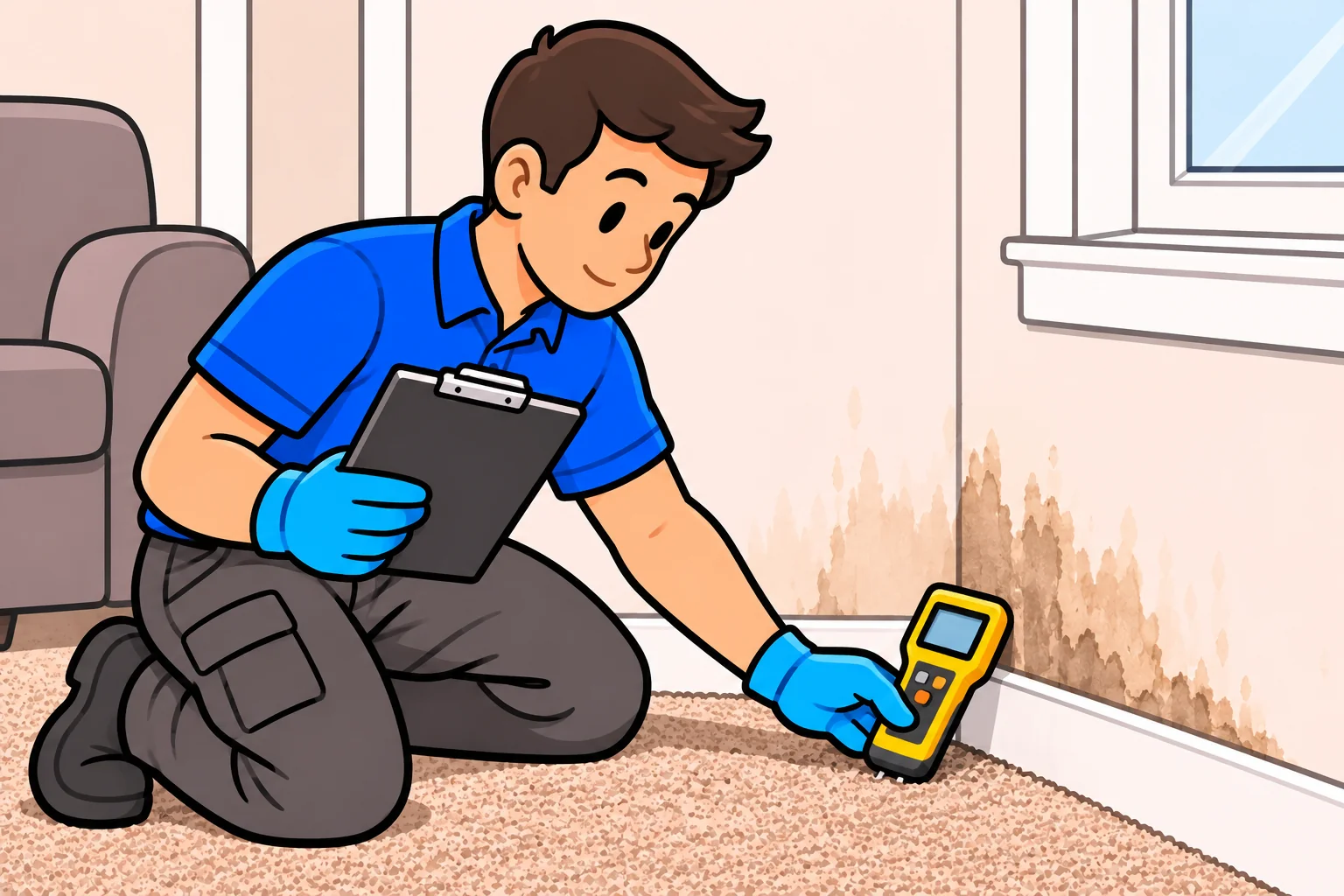
Biological contamination assessment
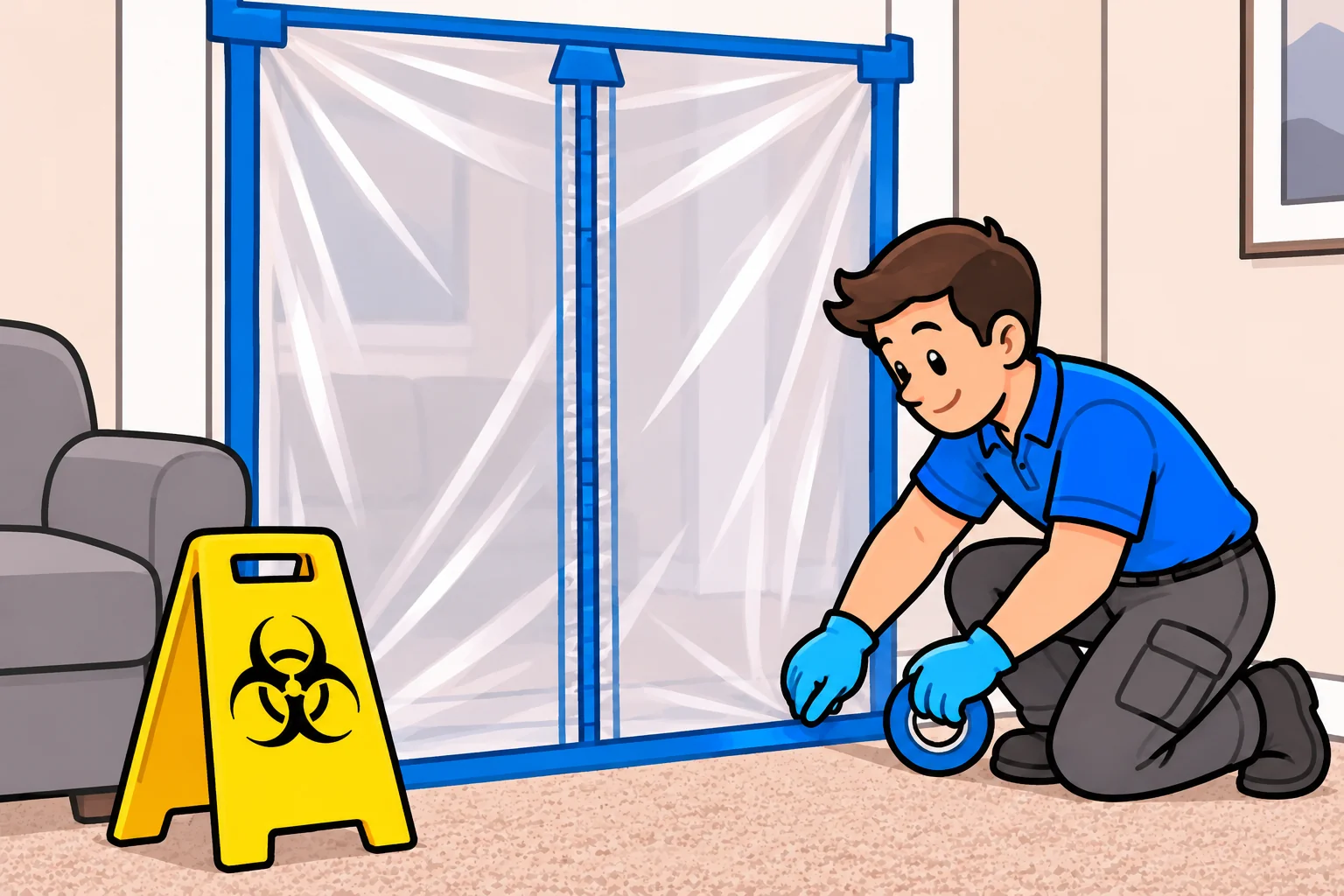
Protecting the cleanup work area
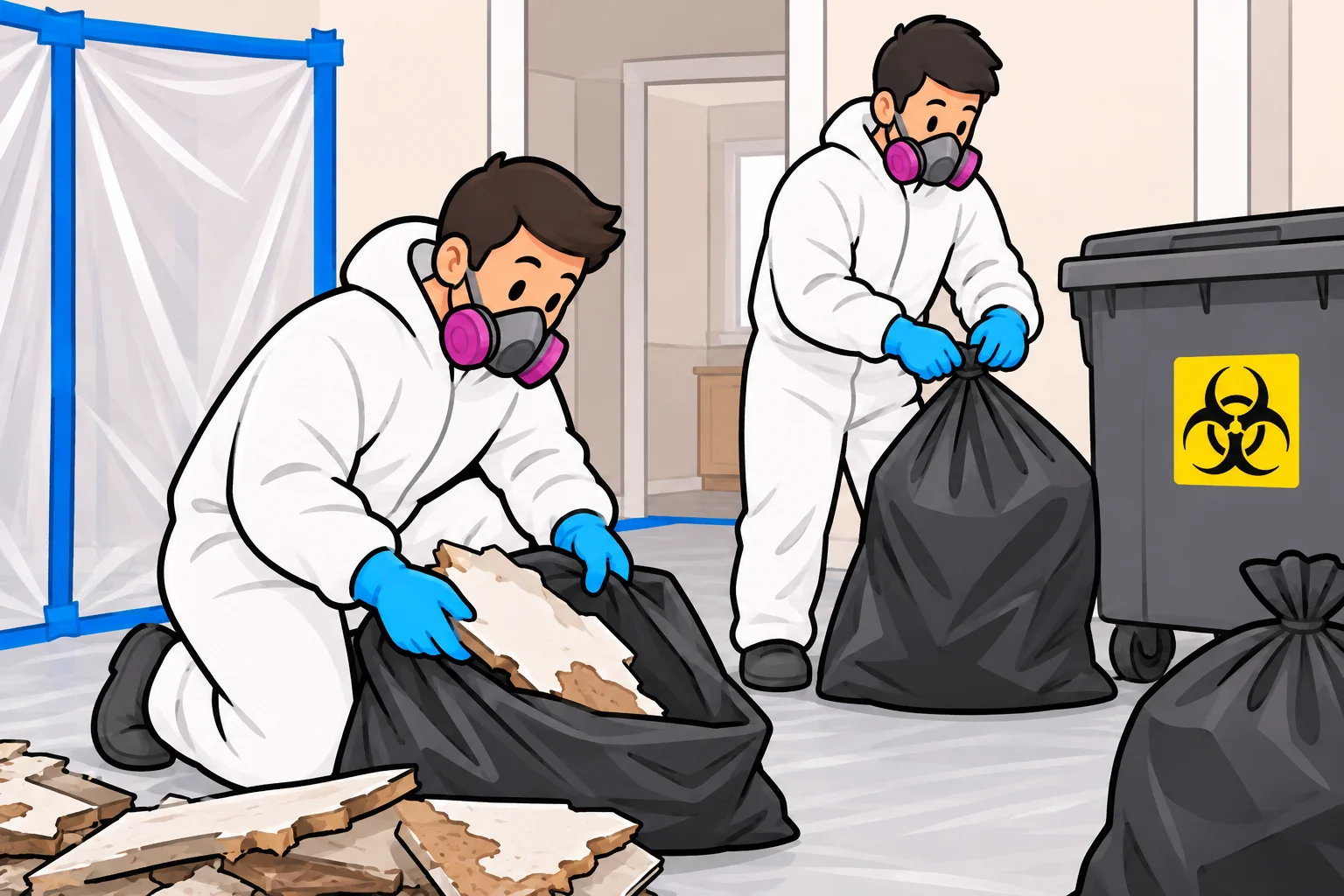
Handling affected material and waste
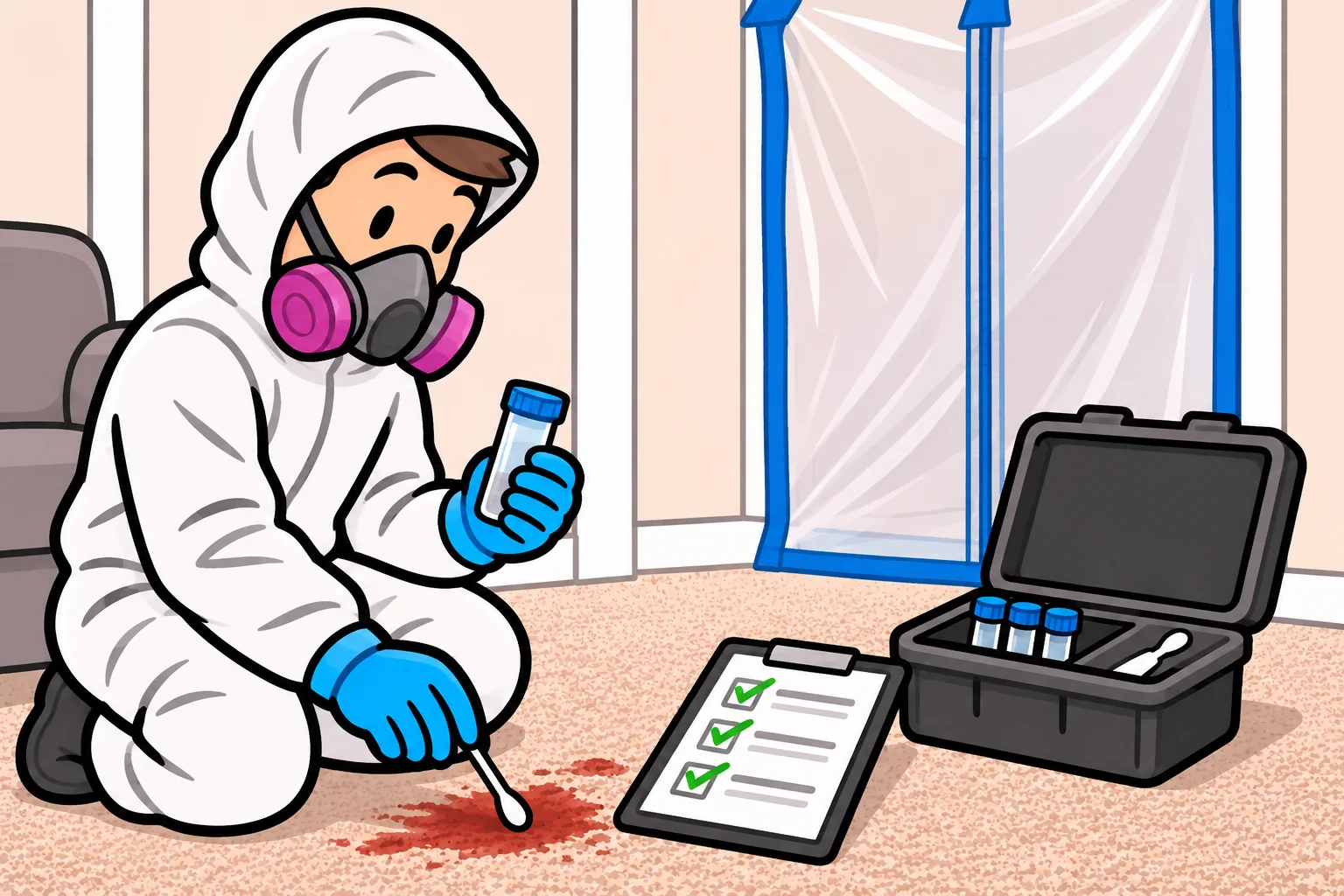
Evaluating contaminated absorbent surfaces
Surface and material decisions
Define the workA smooth floor and contaminated carpet backing are not the same cleaning problem.
Controlled movement through the home
Match the site conditionsAccess routes help keep unaffected rooms and belongings outside the work boundary.
Respectful project communication
Plan the next stageSensitive cleanup needs clear decisions about scope, belongings and repair handoff without sensational descriptions.
Serving Caldwell and Nearby Communities Biohazard Cleanup in Caldwell
Disaster Cleanup lists Caldwell homes, rentals and commercial properties within its service coverage, with Nampa, Middleton, Parma and Star among nearby communities. Give the actual property address, authorized contact and entry restrictions when calling. Coverage does not imply a separate Caldwell office or a guaranteed arrival. The work plan follows the incident and materials at the property, including shared access and the people authorized to decide about belongings.

Discuss Your Caldwell Property Request a Free Inspection
Ask about a free initial inspection for a Caldwell biohazard concern and identify the person authorized to arrange access. Explain official restrictions, visible material involvement and any previous cleanup without entering the affected room. Review the proposed cleaning, contents and restoration scope before assuming the visit authorizes disposal or every later repair.
Call (208) 999-2353Client Reviews What People Say About Us
Rated 4.8 stars from 159 Google reviews. Read our Google reviews


Frequently Asked Questions
Can a relative arrange biohazard cleanup for a Caldwell home?
A relative can explain the concern, but entry, belongings and repair decisions need appropriate authorization. Identify who controls the property and which decisions each person can make. Do not assume being the caller grants permission to dispose of contents or overrides official scene restrictions.
Must the Caldwell scene be released before work starts?
Access must not interfere with responders, an investigation or another official restriction. Tell us who controls entry and what release information is available. A proposed appointment does not provide legal permission to cross a restricted boundary, and the owner should not enter simply to prepare for the crew.
Should I clear personal belongings before the inspection?
Leave potentially affected items in place rather than carry them through clean rooms. You can identify important documents or sentimental items verbally from a safe location. The material condition, handling options and authority to make a decision should be discussed before removal or disposal begins.
Does a small visible stain mean only one surface needs cleaning?
Not necessarily. Material can enter joints or an absorbent layer without making the same visible mark above it. Explain the incident and any movement through the room. The assessed boundary should follow supported findings, not assume either universal demolition or a simple surface wipe from a photograph.
Can a Caldwell business reopen immediately after extraction?
Removing visible liquid is not the same as completing the agreed contamination work. Ask about the actual cleaning boundary, remaining material decisions and conditions for routine access. Operational arrangements need to fit the incident and property; neither an arrival estimate nor a product application establishes a universal reopening time.
What should I say about cleaners already used?
Give the product name if known, the area treated and whether waste or furnishings were moved. Do not add another chemical or repeat the cleanup to demonstrate the result. Accurate history is more useful than a cosmetically prepared space and helps avoid overlooking a second transfer route.
Is a free inspection the same as approving a complete cleanout?
No. An initial inspection can help explain observations and proposed next steps. Cleaning, contents handling, disposal and rebuilding require understood scopes and authorization. Ask what is included, what remains uncertain and which later tasks carry separate charges before treating the first visit as an unlimited agreement.
Who decides whether a Caldwell contamination loss is covered?
Your insurer determines coverage under the actual policy and incident. Keep the proposed scope and any safely available records, and ask about authorization and contents decisions. A biological-contamination label or cleanup estimate does not automatically establish payment for every item, room or follow-on repair.