Nampa, IdahoMold Testing in Nampa
Mold testing in Nampa should help answer a practical building question, whether it follows a slow rental leak, a crawl-space odor or a property transaction. Disaster Cleanup discusses accessible conditions, water history and relevant air or surface sampling. The result represents the agreed collection, not every hidden surface or an individual's health. Ask separately about inspection, laboratory work, charges and the next decision before authorizing testing.
Schedule a Free Inspection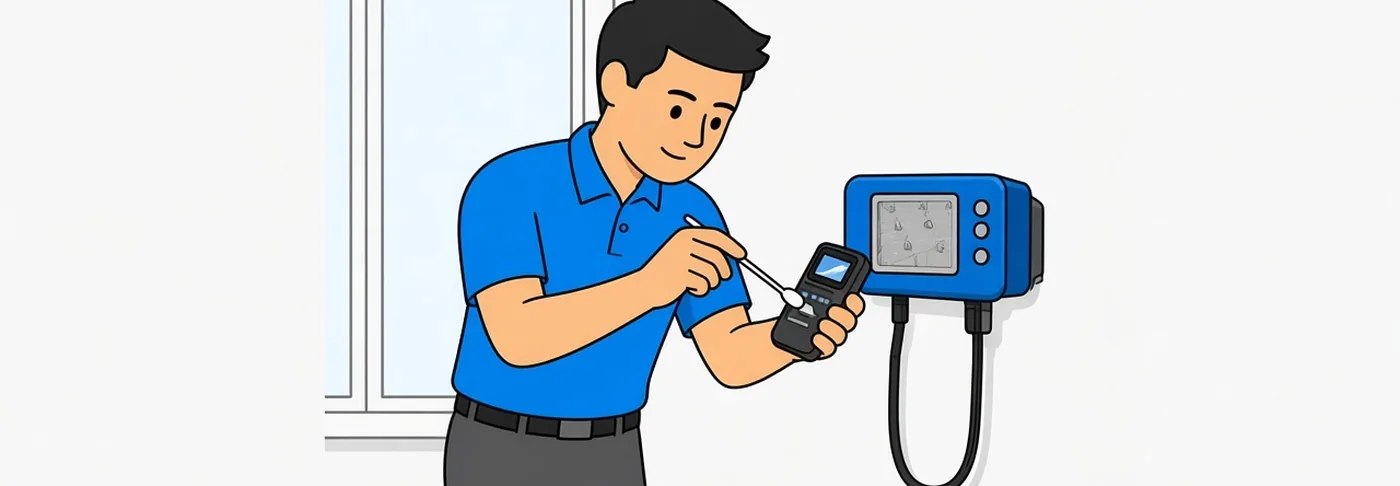
Find out how fast you can get service from your location
MOISTURE QUESTIONS AND INFORMED SAMPLINGMold Testing for Nampa Properties
Nampa includes older homes near downtown and the university as well as newer subdivisions toward Lake Lowell. Different floor, foundation and plumbing arrangements can limit what is visible after a moisture event. These local settings provide useful questions, not a diagnosis based on the address. Explain the actual water route, event timing and completed repairs so a sample is selected for a reason rather than simply because a room smells musty.
For a rental or home sale, clarify the decision and who needs the information. A property manager may have repair records that add context, while a buyer may be asking about a particular area. We discuss sampling locations and limitations alongside accessible observations. A result should support an understandable recommendation without becoming an unlimited statement about every concealed space, future occupant or condition that existed before earlier work.
Questions to Discuss at Your Nampa Property
Describe a Nampa symptom with its timing, room use and repair history. An older floor assembly, lower-space odor or recurring sink-cabinet mark can suggest different questions. Do not disturb growth or insulation to improve the description; a useful investigation does not depend on an owner collecting suspect material first.
- A musty odor without an explained source
- Unresolved questions after a water event
- Staining that needs evaluation before repair
- A buyer or seller with a defined testing question
- Recurring dampness in an attic or crawl space
- A landlord needing context for a property concern
What Happens After You Call
We discuss the concern and evidence needed before selecting samples. The next steps separate an initial inspection, any agreed laboratory work and the property decisions that the findings can reasonably support.
- Describe odors, staining, earlier leaks and the decision you need help making.
- Previous repairs or sampling reports can help define what remains uncertain.
- Clarify how air or surface samples would relate to the concern and what they cannot establish.
- Review the materials, locations, laboratory work and separate charges before authorization.
- Discuss results in context, including moisture correction, further investigation or a separate remediation scope where appropriate.
Property and Sampling Questions in Nampa
Older floor and lower-space assemblies
A floor over a crawl space and a slab-floor room present different access questions. Tell us what is known about earlier dampness and repairs without entering an uncertain void. An accessible sample should be described by its location rather than extended to every concealed joist or layer.
Seasonal exterior-water questions
An irrigation or weather association can help frame the history but does not confirm the route. Record when symptoms change and which exterior work was completed. Testing should not convert a city-wide seasonal example into proof of groundwater or an unexamined defect at a Nampa address.
Rental leaks discovered later
A slow sink or appliance leak may have a poorly documented start date. Explain when it was found, what was repaired and whether a surface was treated. Sampling represents the later collection conditions, not an exact reconstruction of every month before the owner learned of the event.
Older finishes before renovation
A moisture concern in an older Nampa house may be adjacent to materials requiring a separate identification question. Do not open finishes just to find mold. A mold sample is not a substitute for assessing other suspect products before demolition or choosing the correct scope for that material.
Cooling and indoor-moisture history
If equipment use or ventilation changes coincide with a symptom, describe that pattern without deliberately changing the building for a test. The history helps choose useful questions. One reading or sample should not be presented as proof that a particular appliance caused every observed condition.
Mixed old and new repairs
A remodeled room can contain original layers behind newer surfaces. Share what was retained, removed or painted if records exist. The investigation should distinguish accessible findings from unknown layers rather than assume a modern finish describes the whole assembly or requires universal removal.
What to Do First: Safety and Preparation
Do not scrape growth, cut into walls or disturb insulation to obtain a sample yourself. Explain the moisture history and leave suspect areas undisturbed while access is arranged. If there is immediate electrical or structural danger, address that first. For symptoms or health concerns, consult a qualified medical professional rather than asking a property sample to diagnose an illness.
If another contractor has already cleaned or removed material, describe what was done and when. That history matters to what a later sample can represent. Do not deliberately leave a leak active to improve sampling, and do not change normal building conditions just to obtain a preferred result without discussing the investigation plan.
- Leave suspected growth and insulation undisturbed.
- Share earlier water and remediation records.
- Discuss testing charges before sampling proceeds.
- Use medical professionals for individual health concerns.
The Mold Testing Sequence for Your Nampa Property
1. Define the question and history
Clarify the Nampa decision, event chronology and existing reports, including uncertainty about older work or a late-discovered rental leak. Choose evidence in relation to that question and safe access, not a neighborhood assumption or a standard count of samples.
2. Review accessible conditions
The inspection considers visible material conditions and moisture information relevant to the concern. Access limitations should be explicit; an accessible-area visit does not rule out every concealed source or characterize every room in the building. Record the distinction between an inaccessible area and an area examined without a relevant visible finding.
3. Explain a sampling plan
Air and surface samples can answer different questions. The proposed locations, comparison information where relevant and analysis should fit the investigation rather than imply one sample can describe an entire property under all future conditions. Discuss any comparison or collection conditions used and why they are relevant to the proposed question.
4. Collect within the agreed scope
Sampling should be described in relation to the location and conditions represented. Owners should not prepare by scrubbing, disturbing suspected growth or deliberately changing ventilation to obtain a preferred result. The collection history should remain traceable to the material or location described in the result.
5. Review results with context
Laboratory findings need to be considered alongside site observations and the reported history. Identification or counts should not be translated into an individual medical diagnosis, a universal safe threshold or certainty about every unexamined surface. A reported finding should not be stretched to support an unrelated diagnosis or whole-building guarantee.
6. Discuss the appropriate next step
Review Nampa findings with their collection locations, timing and limits. Explain what supports source correction, additional access or a separately authorized remediation scope, without treating a result as a medical diagnosis, transaction guarantee or unlimited clearance.
A Clear Plan for Your Property
A useful Nampa testing discussion connects the owner's question with evidence that could change the next action. Ask which location matters, what the sample represents and how the moisture history will be used. Repeating collection without understanding an earlier report can add numbers without answering whether source correction or further access would be helpful.
Disaster Cleanup discusses related remediation where findings support it, but testing is not automatic approval for removal. Laboratory identification, an accessible surface and a concealed floor assembly provide different information. The report should state what was assessed and what remains uncertain, while personal health, transaction and policy decisions remain with the appropriate professionals and responsible parties.
What Affects the Project Schedule?
Access, the investigation question, sampling arrangements and laboratory processing influence the sequence. Discuss current arrangements directly rather than assuming immediate results or a fixed turnaround from an automated drive-time estimate. Additional access or follow-up questions can require another scope even after an initial report is available.
Insurance and Project Documentation
Coverage depends on the policy, cause and insurer review. Testing related to a reported water event and investigation of a long-standing concern can be treated differently. Keep the agreed scope and findings, and ask the insurer about documentation or authorization. A sample result does not itself establish claim approval.
Safe Next Steps for Mold Testing in Nampa
Keep suspected Nampa growth and older finishes undisturbed while assessment is arranged. Do not enter a wet crawl space, scrape a surface or alter equipment settings to seek a preferred sample. Control active damage through appropriate help and explain any changes already made. Share earlier reports if safely available; use a medical professional for personal symptoms instead of asking building data to establish an individual's diagnosis or exposure.
Information That Helps Define the Next Step
- A musty odor without an explained source
- Unresolved questions after a water event
- Staining that needs evaluation before repair
- A buyer or seller with a defined testing question
Mold TestingAssessment, Work Planning and Restoration
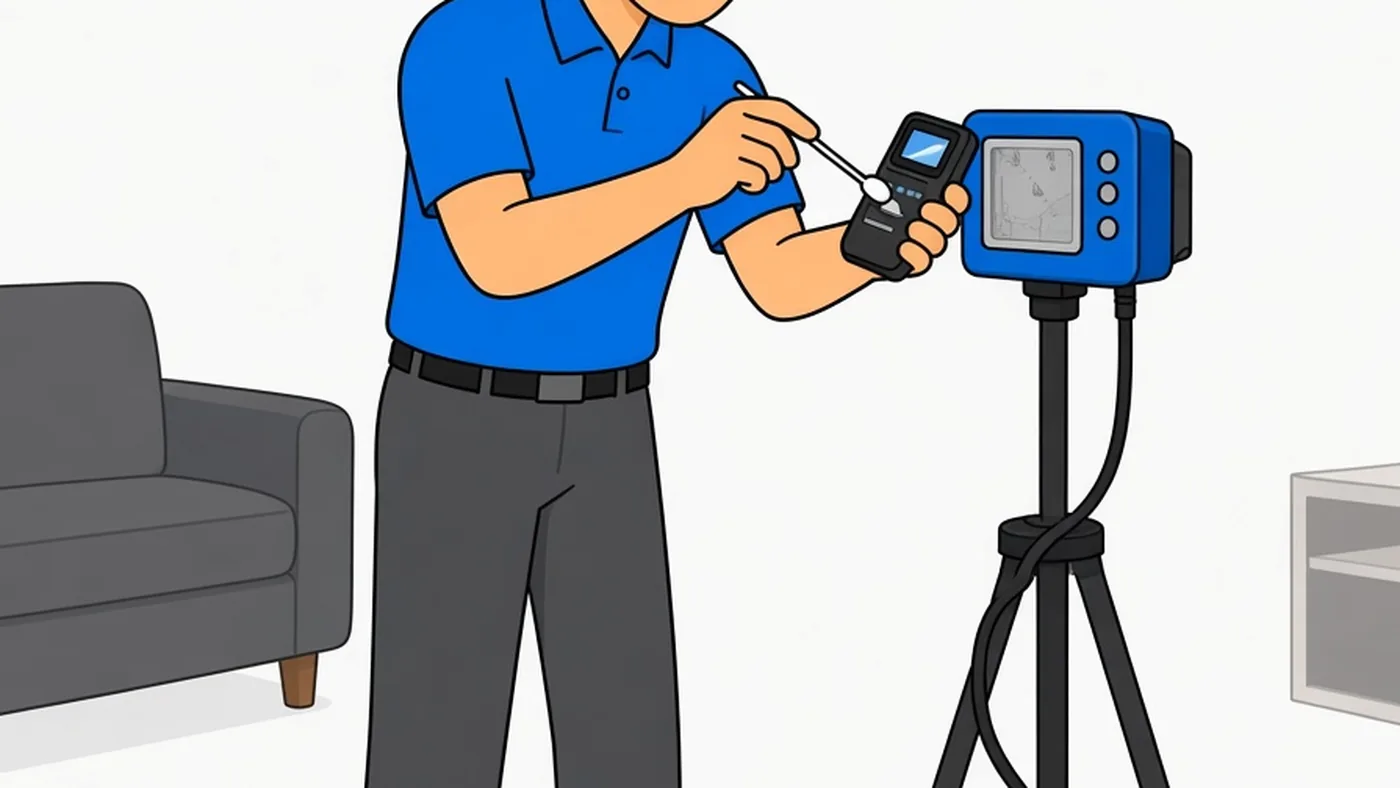
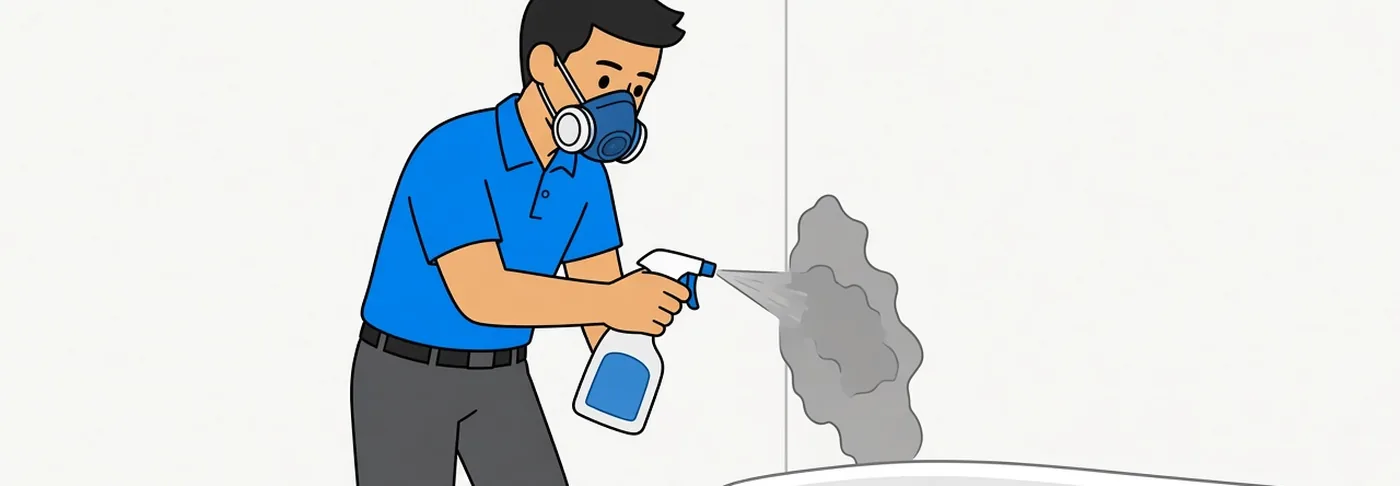
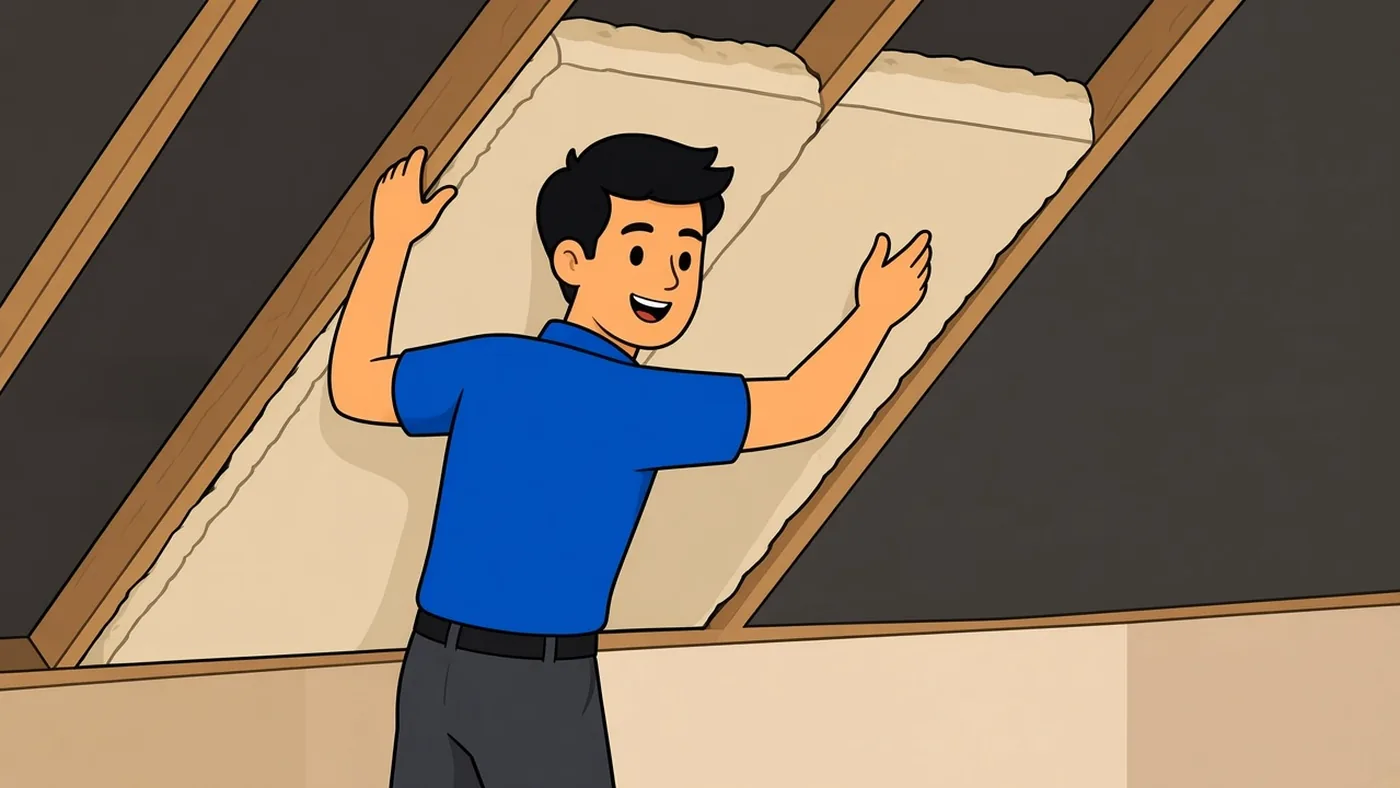
The illustrations represent investigation and sampling topics, not evidence of conditions at a particular Nampa address. A defined plan should explain collection locations, purpose and limitations, then connect laboratory findings with accessible observations and the water history. It can inform further investigation or a separate remediation scope, but a sample does not repair a source or establish every layer's readiness for new flooring and finishes.
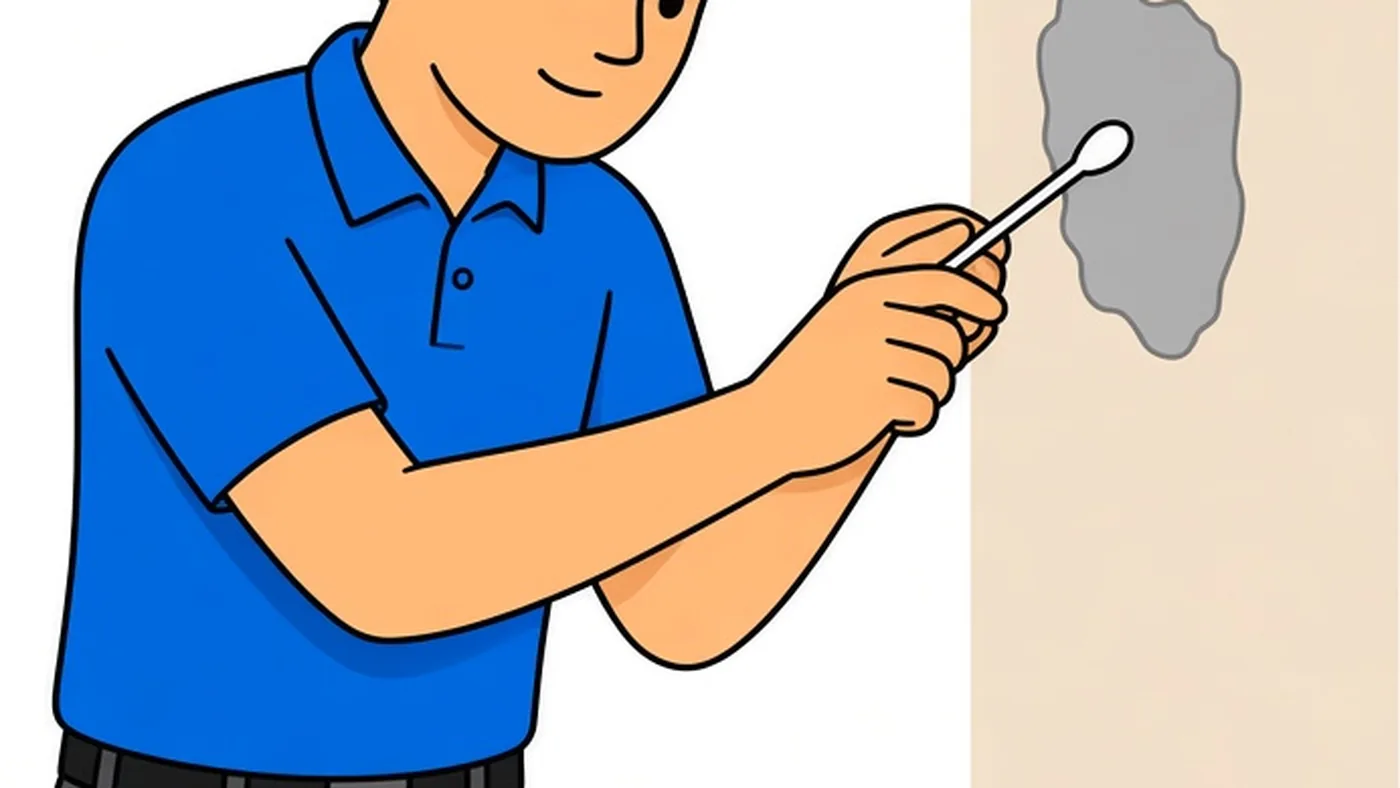
Reviewing visible and moisture conditions
Discussing air-sampling questions
Assessing a surface-sampling location
Explaining findings and their limits
Inspection and testing are distinct
Define the workAccessible observations, moisture information and samples provide different evidence and should not be treated as interchangeable.
Results need site context
Match the site conditionsA sample represents a location and collection conditions, not every concealed surface or future state of the building.
Moisture correction still matters
Plan the next stageTesting cannot repair the source; any remediation discussion should remain connected to the actual water or humidity problem.
Serving Nampa and Nearby CommunitiesMold Testing in Nampa
Disaster Cleanup lists Nampa testing coverage and nearby Meridian and Caldwell-side inquiries. Downtown, university-area and Lake Lowell-side property examples are useful context, not a promise that homes in those settings share the same defect. Give the actual address, authorized entry contact and any sale or rental documentation request. Coverage does not establish a separate Nampa office, a guaranteed report date or a universal testing package.
Discuss Your Nampa PropertyRequest a Free Inspection
Request a free initial inspection discussion for a Nampa moisture concern and identify the question you need evidence for. Ask what sampling would add and clarify collection and laboratory charges before approval. Keep repair and earlier testing records available, but do not disturb suspect material or open a finish to make the visit possible.
Call (208) 999-2353Client ReviewsWhat People Say About Us
Disaster Cleanup is 5-Star Rated on Google


Frequently Asked Questions
When is sampling useful for a Nampa crawl-space concern?
Explain the odor, visible observations and water history from a safe location, then identify the decision you need help making. Sampling is useful when its proposed location and result can inform that question. Discuss what accessible inspection can establish and what collection would add without entering an uncertain lower space yourself.
Can testing identify every material before renovation?
Mold testing is not a substitute for separate identification of other suspect building products. Explain the intended demolition and share existing reports before disturbing older finishes. The correct question and method depend on the material involved; one air or surface sample does not characterize every product in a wall or floor.
How do I describe a leak discovered after a tenant moved out?
State the discovery date, known repairs and any uncertainty about when wetting began. Do not invent a start date or treat a later result as a reconstruction of the entire tenancy. The inspection and collection should use the actual available history and make its limits explicit.
How should I document a recurring odor before testing?
Record where and when it appears, any related water event, normal equipment use and repairs already completed. Share safe photographs or earlier reports if available, but do not disturb material or deliberately recreate damp conditions. That chronology helps relate a sampling plan to the actual Nampa property question.
Should I change cooling or ventilation before sampling?
Do not deliberately change normal conditions to seek a preferred result. Discuss the investigation plan and describe settings or work already changed. Collection conditions matter, so a clear history is more useful than creating an artificial environment or leaving active water damage unaddressed for the visit.
Can a buyer rely on one result for the entire Nampa property?
A report should be read within its agreed question, locations and access limits. One collection does not guarantee every concealed area or future condition. Bring the actual transaction request and confirm permission for entry so the proposed work supplies relevant information without overstating what the evidence can support.
Is a laboratory result included in the free inspection?
Do not assume collection and analysis are included without agreement. Ask what is proposed, why the locations matter and which charges are separate. An initial assessment, outside laboratory work and any later remediation are different decisions; approving one should not silently authorize all the others.
Can testing determine whether my family is ill from mold?
No. Property and sample findings do not diagnose an individual or determine exposure. Discuss symptoms with an appropriate medical professional. The report should focus on supported building information and its limitations, then explain any reasonable property next step without personalized health or whole-house safety guarantees.