Fire and Smoke Damage Restoration in Eagle, ID
Fire and smoke damage restoration in Eagle requires material-specific decisions after the property is released for appropriate access. Disaster Cleanup discusses residue, contents, firefighting water and the sequence toward repairs for homes and managed properties. Custom cabinets, rugs, stone and electronics can present different questions. Follow emergency instructions first rather than reenter, test equipment or apply household cleaners to see what can be saved.
Schedule a Free Inspection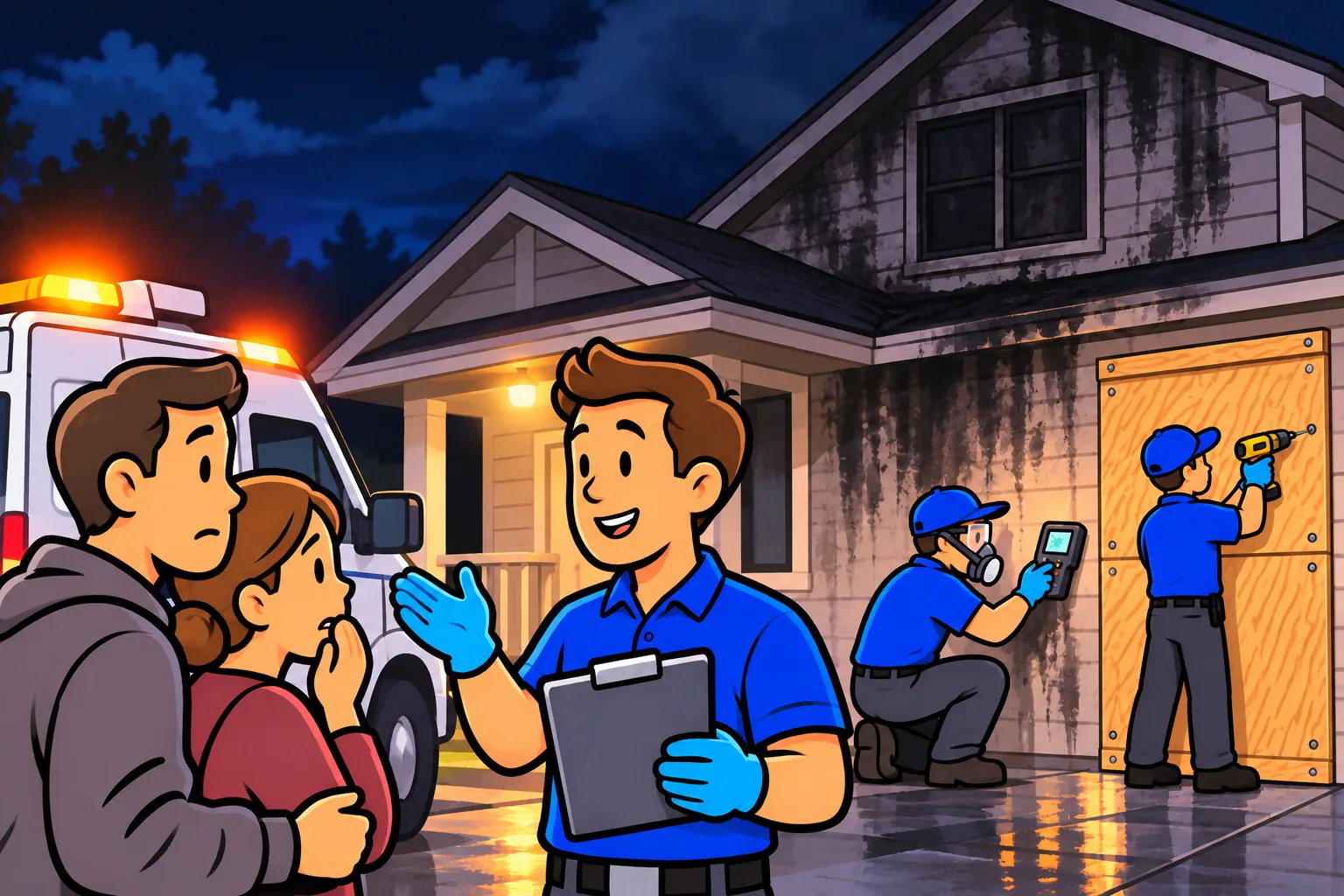
Find out how fast you can get service from your location
24 HOUR EMERGENCY Fire and Smoke Damage Restoration for Eagle Properties
An Eagle property can combine built-in cabinetry, mixed floor finishes and several connected rooms. After a fire, the visible mark on one surface may not explain residue in adjoining spaces or water below a finish. Describe the actual incident and areas released for entry. The assessment should connect materials and access with the proposed work, not use a finish's value as proof that it can be cleaned or must be replaced.
Contents and equipment deserve their own decisions. A rug, cabinet coating and electrical item are not interchangeable cleanup situations, and smoke movement does not make every room identical. Share known equipment operation, source work and prior cleaning without testing damaged items. We discuss protection, residue work, moisture and repairs with their limits, so the owner understands the next step before treatments, removal or replacement selections are authorized.
Questions to Discuss at Your Eagle Property
From permitted Eagle areas, describe residue locations, odor, damaged openings and wet materials. Identify important contents verbally rather than moving them through the house. Avoid rubbing a small test area or powering an electronic item to assess damage yourself; the material, finish and unresolved safety conditions need to be considered together.
- Black, gray or greasy soot on walls, ceilings, cabinets or belongings.
- A persistent smoke smell that remains after the building has aired out.
- Discoloration, blistered finishes or heat damage around affected rooms.
- Wet flooring, damp drywall or other moisture left after firefighting.
- Charred materials, damaged openings or areas that cannot be safely used.
- Smoke residue around vents or in rooms away from the original fire.
What Happens After You Call
When you call (208) 999-2353 about fire or smoke damage, here is what happens next.
- A live team member listens to what happened, confirms the location and asks about immediate access or safety concerns.
- We coordinate a visit and safe access with you after the property has been cleared for entry.
- We explain a practical plan for the fire, smoke and water damage present.
- Identify affected areas
- Review cleanup priorities
- Discuss repairs and documentation
We explain the proposed work in plain language and help document the damage for your insurance claim.
- The crew starts the agreed work to secure affected areas, address moisture and remove fire or smoke residues.
- Cleaning and repairs move forward according to the damage and agreed scope, with updates about the next steps.
Fire and Material Questions in Eagle
Cabinet coatings and adjoining joints
A finished cabinet face and the surfaces around it may need different assessment and cleaning decisions. Explain where residue or water was noticed and any treatment already attempted. A successful-looking wipe on one area should not be expanded into a promise about every coating or concealed interface.
Stone, textiles and mixed flooring
Different materials can have different compatibility and retention questions after the same incident. Ask how the proposed method fits each affected surface. The plan should not assume either a universal household product or automatic replacement solely because the finishes are custom or expensive.
Electrical items and contents
A smoke-affected device or powered item should not be tested to decide whether it still works. Explain the known exposure and any restrictions from responders or appropriate professionals. Building cleanup and an item's electrical or functional evaluation are distinct tasks with potentially different decisions.
Several connected rooms
Room use, door positions and equipment history can help explain where symptoms were observed. Share the actual sequence instead of restarting HVAC or moving furnishings to trace a route. The work boundary should follow supported findings without declaring all rooms identical from floor area alone.
Water behind a valued finish
Firefighting water can reach below flooring or behind trim even where the surface attracts attention for soot. Discuss wetting and earlier drying work. Cleaning residue and reviewing retained moisture need a coordinated sequence before another finish conceals the material condition.
Outside smoke or damaged openings
Describe the event, exposure and access conditions while following current official guidance. Assessment should consider actual interior findings rather than an address-wide assumption. Temporary protection and interior cleaning do not control an ongoing outside source or replace the permanent repair decisions the building may need.
What to Do First: Safety Steps
If there is an active fire, heavy smoke or an immediate threat, leave the building and call 911. Restoration comes after emergency response and clearance for access. Do not reenter simply because the flames are gone.
- Wait for the fire department or appropriate authority to confirm that entry is allowed.
- Keep children, pets and other occupants out of affected areas.
- Do not turn on damaged electrical equipment or run the HVAC system until it has been checked as appropriate.
- Avoid wiping soot, disturbing damaged materials or attempting strong chemical or ozone treatments yourself.
- Photograph damage only from areas you can safely access, and contact your insurer about the claim process.
- Call Disaster Cleanup to discuss inspection, temporary protection and cleanup planning.
The Fire and Smoke Damage Restoration Sequence for Your Eagle Property
1. Inspection and Damage Documentation
Review the Eagle incident, access clearance and known surfaces, contents and water concerns before inspection. Record limitations and actual findings so the proposed boundary reflects the materials involved rather than the size or perceived value of the property.
2. Securing and Protecting the Property
When needed, temporary board-up or other agreed protection can help secure damaged openings and limit further exposure. We explain which immediate measures fit the condition of the property. This stage is about stabilizing the situation, not treating a temporary repair as the finished restoration.
3. Addressing Firefighting Water
Water used to extinguish a fire can affect flooring, walls and concealed spaces. Where that damage is present, extraction and drying may be needed alongside fire cleanup. Checking affected materials helps guide the drying work rather than relying only on whether a surface looks dry.
4. Soot and Smoke Residue Cleanup
We assess the residue and the surfaces involved before selecting the cleaning approach. Walls, ceilings, fixtures and contents may not respond to the same method. Materials that cannot reasonably be cleaned or have been damaged beyond repair may need removal and replacement as part of the agreed scope.
5. Odor and Contents Evaluation
Smoke odor treatment starts with identifying affected materials and removing the residue or source where possible. We discuss cleaning and replacement decisions for impacted belongings and finishes. Masking an odor is not a substitute for addressing the underlying smoke damage.
6. Repairs and Restoration Planning
Explain the Eagle material decisions and cleanup or drying handoff before replacement finishes are selected. Keep equipment, contents and outstanding source questions distinct, with remaining approvals and excluded layers clear instead of treating a cleaned surface as completion of every task.
A Clear Plan for Your Property
An Eagle fire-restoration proposal should make the evidence for each material decision understandable. Ask which surfaces and layers were assessed, why a cleaning or removal approach is proposed and what remains inaccessible. Clear boundaries are particularly useful where a built-in finish meets another material or contents decisions involve several responsible people.
Disaster Cleanup discusses related temporary protection, moisture work and reconstruction so the stages can be coordinated. That does not make every source-system check, contents evaluation or replacement selection part of one undefined scope. Ask what the next trade needs to know and which approvals remain, while the insurer determines coverage under the policy rather than a contractor promising payment or universal salvage.
How Long Does Fire Damage Restoration Take?
The timeline varies with the amount of damage, the materials affected and whether rebuilding is required. A limited smoke cleanup is different from a property with structural damage and substantial firefighting water. Access, drying needs, material availability and insurance decisions can also influence the schedule. We discuss the expected stages after inspecting the property instead of promising the same completion date for every fire.
Insurance: Documentation and Next Steps
Fire and smoke losses may be covered when the cause and damage fall within your policy, but coverage, limits and deductibles vary. Contact your insurer early and keep records of the loss. We can provide damage documentation and discuss the proposed restoration work with your adjuster. Your insurer determines coverage; an inspection or estimate is not a guarantee that every item will be paid.
Safe Next Steps for Fire and Smoke Damage Restoration in Eagle
Leave and call 911 for active fire or immediate danger. After response, follow the authority's instructions about Eagle entry and keep occupants and pets away from affected spaces. Do not wipe soot from stone or cabinetry, use strong chemicals or test damaged electrical items. Explain urgent protection and known water concerns from safety, with photographs only where permitted; an improved smell is not permission for routine occupancy.
Common Fire and Smoke Cleanup Situations
- Kitchen fires with smoke and soot in nearby rooms.
- Fire-damaged living spaces, fixtures and household contents.
- Smoke odor that persists after the source fire is out.
- Wet flooring or walls after firefighting.
- Damaged openings that need temporary board-up before repairs.
Fire and Smoke Damage Restoration Cleanup and Restoration Services
These illustrations show fire, smoke and restoration topics, not an actual Eagle loss or evidence that every custom finish can be retained. A plan should relate residue and material compatibility to contents, moisture and the repair handoff. Source removal and suitable cleaning come before treating odor as the only objective; a changed surface appearance should not replace a clear account of affected layers, access limits and remaining decisions.
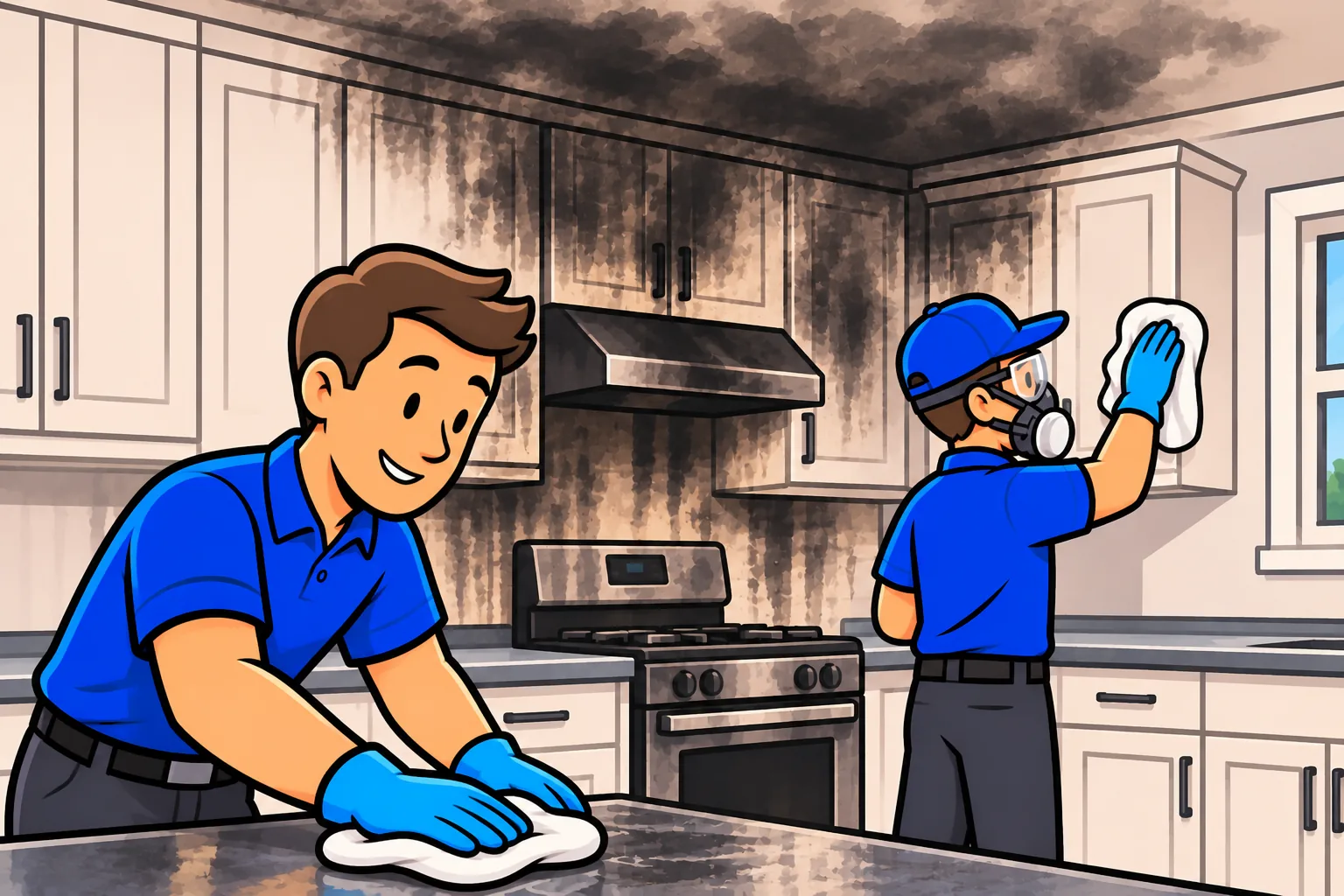
Kitchen fires and smoke residue
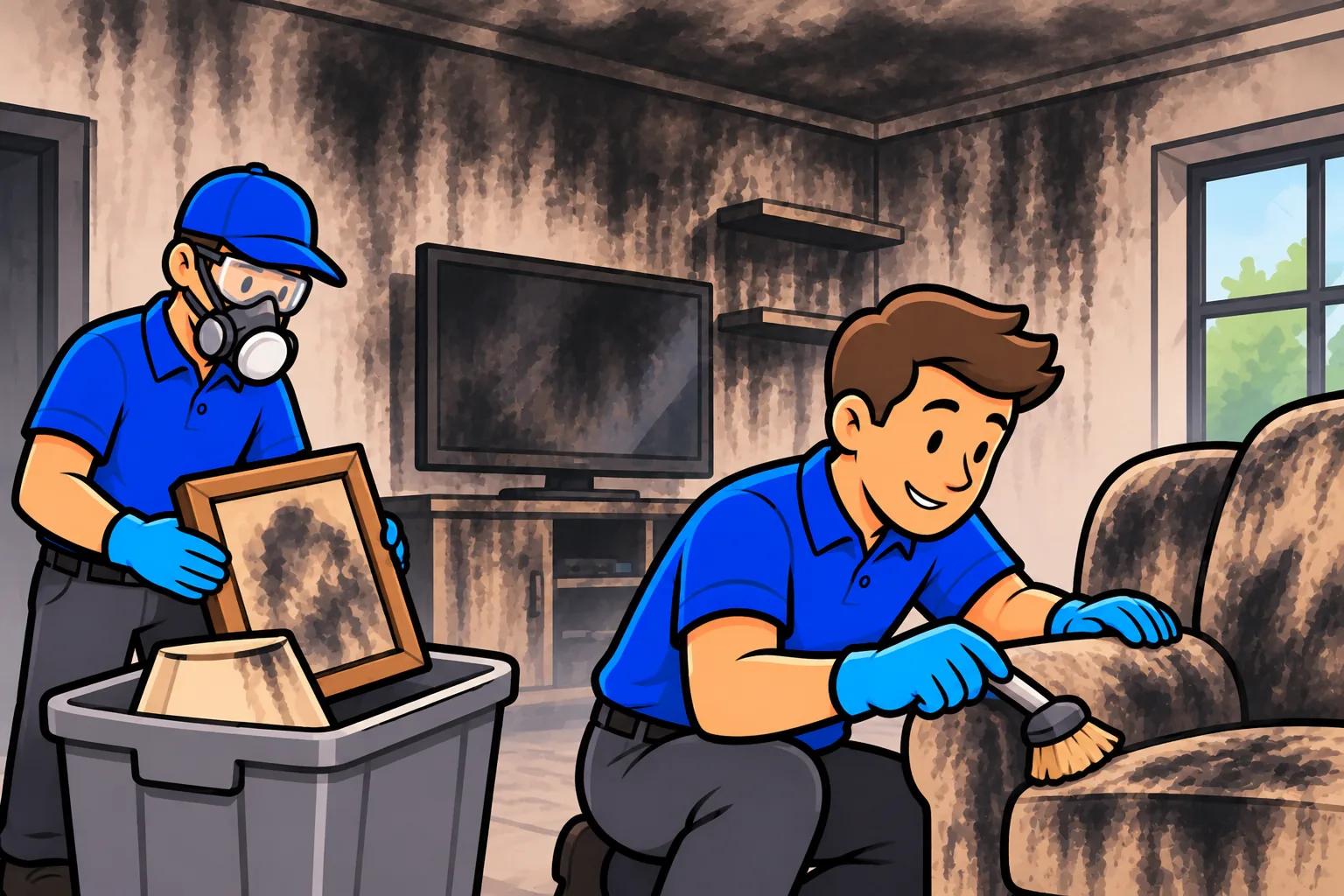
Fire-damaged rooms and belongings
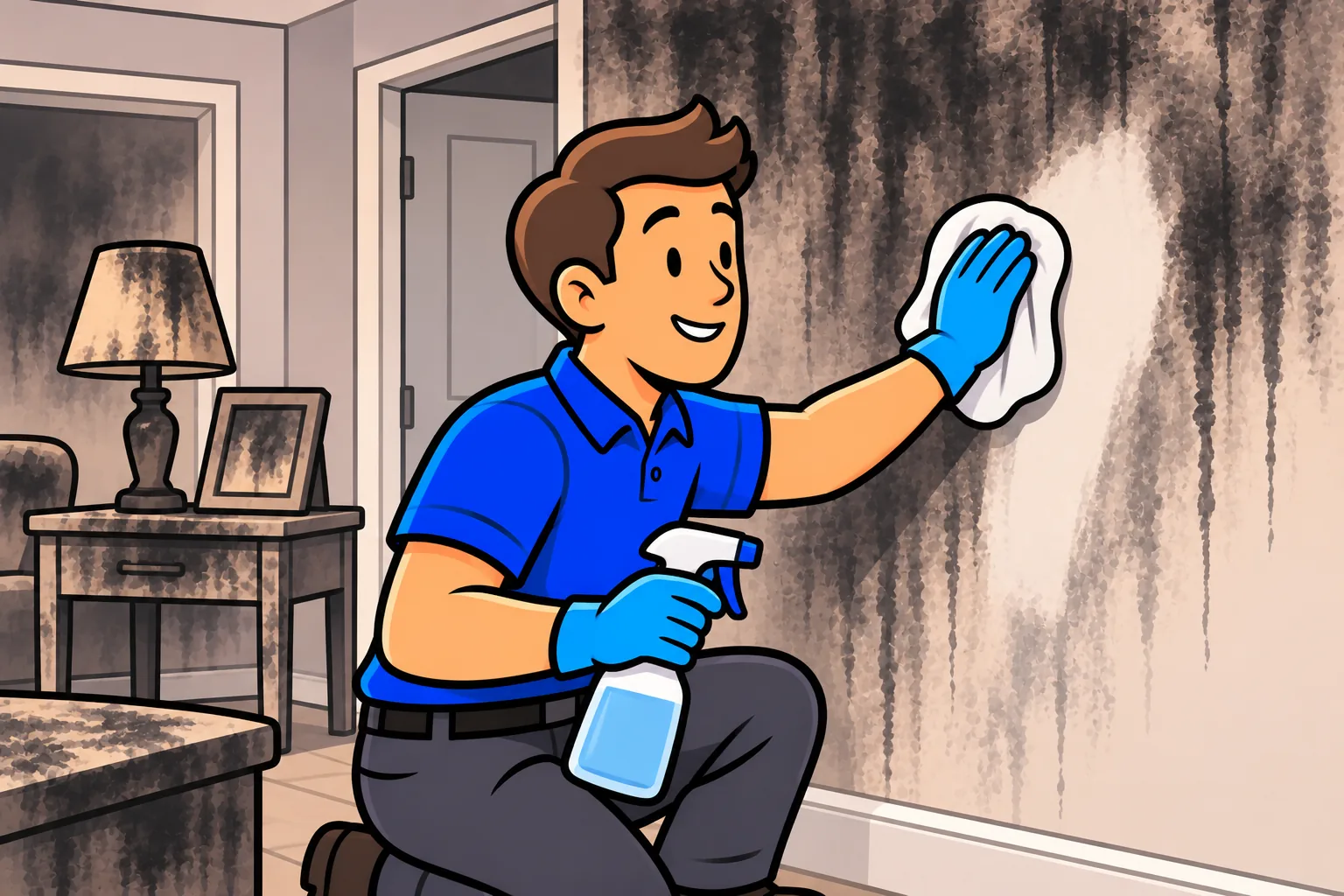
Soot buildup on walls and surfaces
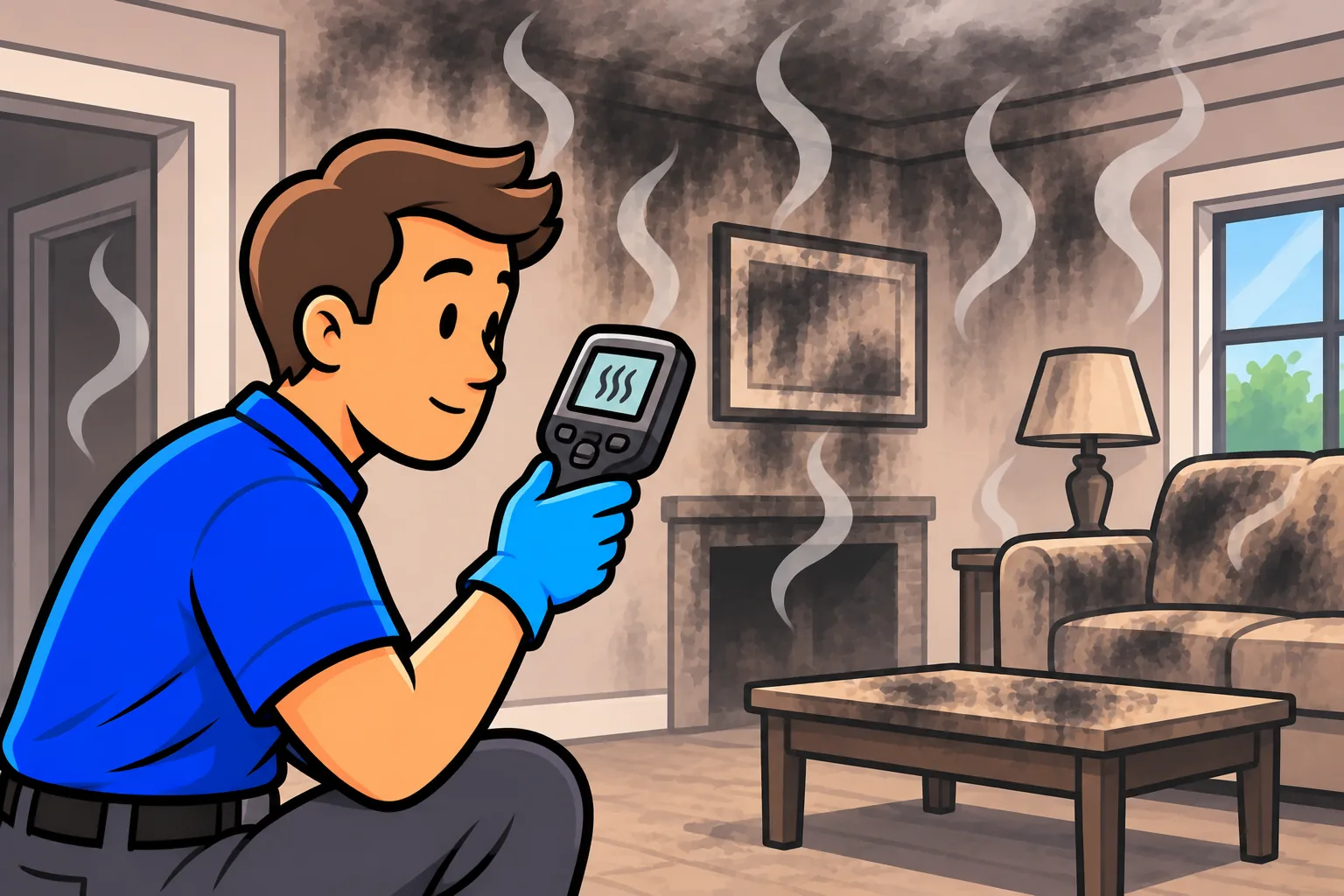
Smoke odors throughout the property
RESPONSE AND RECOVERY
Starting With the Immediate PrioritiesAfter access is permitted, the first work may include protecting damaged openings, addressing water and identifying the areas that need cleanup. We discuss the immediate priorities with you so the next step is based on the condition of the property.
DAMAGE ASSESSMENT
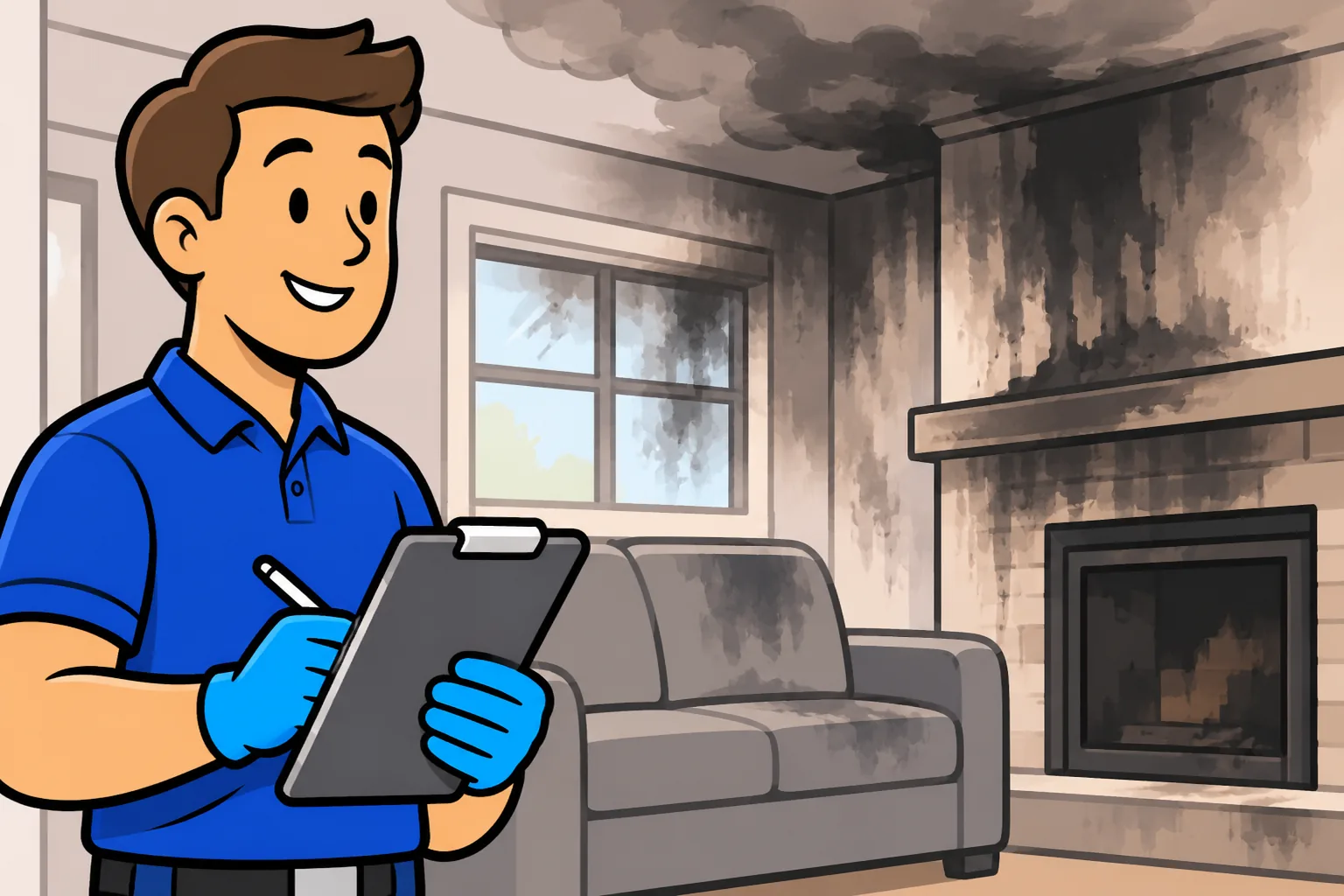
Looking Beyond the Burned AreaSmoke and soot may affect rooms or belongings away from the fire. We inspect accessible areas, document what we find and explain the proposed cleaning or replacement needs. The visible flame damage is only one part of that assessment.
RESTORATION AND REPAIRS
Planning the Work That Follows CleanupOnce cleanup and any necessary drying are complete, damaged finishes and materials can be addressed through the repair scope. We discuss restoration needs and the expected stages so you understand how the property moves from cleanup toward usable space.
Serving Eagle and Nearby Communities Fire and Smoke Damage Restoration in Eagle
Disaster Cleanup lists Eagle fire-restoration coverage and nearby Boise, Star, Meridian, Garden City and Middleton service areas. Local custom-finish and connected-room examples help frame questions while the actual incident determines the scope. Provide the address, released areas and authorized contact, and identify any managed-property or shared-entry arrangements so inspection and work can be coordinated with the people responsible for building and belongings decisions.
Discuss Your Eagle Property Have Fire or Smoke Damage? Request a Free Inspection
Ask about a free initial inspection after an Eagle fire or smoke event and explain access instructions, affected surfaces and known water or protection needs. Share important contents and previous work verbally from safety. Review the proposed material, cleaning, drying and repair stages before authorizing treatments or assuming every finish can be saved.
Call (208) 999-2353Client Reviews What People Say About Us
Rated 4.8 stars from 159 Google reviews. Read our Google reviews


Frequently Asked Questions
What should I do first after a fire at an Eagle home?
Follow the responders' access instructions and stay out until appropriate entry is allowed. For an active fire or immediate danger, leave and call 911. Discuss inspection and urgent protection from safety rather than wipe soot, move belongings or test equipment to prepare for restoration.
How are smoke-affected custom cabinets assessed?
The coating, construction, residue, water history and access guide the proposed approach. Ask which components were examined and what supports cleaning, retention or removal. Neither the finish's value nor a test wipe should be treated as a guarantee that every adjoining surface or concealed joint can remain.
Can stone, rugs and wood receive the same cleaning?
Do not assume one method suits every material. Surface compatibility and actual damage matter, including any earlier product use. Describe affected items and leave them in place until handling is discussed; a material-specific assessment is more useful than stronger household cleaning or a blanket salvage promise.
What affects the cost of Eagle fire restoration?
The affected surfaces and layers, residue, contents, safe access, protection, firefighting water and repair needs shape the estimate. Equipment or specialist evaluations may be separate. Ask what the proposed scope includes after assessment instead of assuming house size or the value of custom finishes establishes the full project price.
Should I switch on electronics to see if they survived?
Do not energize damaged or potentially affected equipment as preparation. Follow appropriate safety instructions and explain known exposure. Cleaning the surrounding building does not establish an item's electrical or functional condition, so ask which evaluation or contents decision is needed before using it again.
How is smoke odor handled alongside water damage?
The plan considers affected material and residues together with any firefighting moisture. Cleaning, suitable odor-related work, drying and repair decisions have different purposes. Ask what was assessed and what remains; fragrance, a dry-looking floor or a changed surface color alone does not describe every affected layer.
When can repairs and finish selections move forward?
Discuss the actual cleanup, material condition and drying handoff, including source or equipment questions still unresolved. Access, approvals and availability can influence later work. An initial visit or improved odor should not be interpreted as a guarantee that every component is ready to conceal or the entire project has a fixed completion date.
How should I prepare for insurance and contents decisions?
Keep safely available event records and the proposed scope, and identify who can approve belongings and repairs. Ask the insurer about coverage, limits and documentation. A contractor can describe observed damage and work needs, but an estimate does not guarantee payment for every custom replacement, personal item or owner-selected change.