Fire and Smoke Damage Restoration in Nampa, ID
Fire and smoke damage restoration in Nampa starts with the released property's actual conditions: residues, affected belongings, damaged openings and firefighting water. Disaster Cleanup discusses inspection, protection, cleanup and the stages toward repairs for homes, rentals and businesses. Follow emergency access instructions first. Do not reenter an uncertain space, test damaged equipment or start sweeping soot to prepare; a clear history and safe entry are the useful starting points.
Schedule a Free Inspection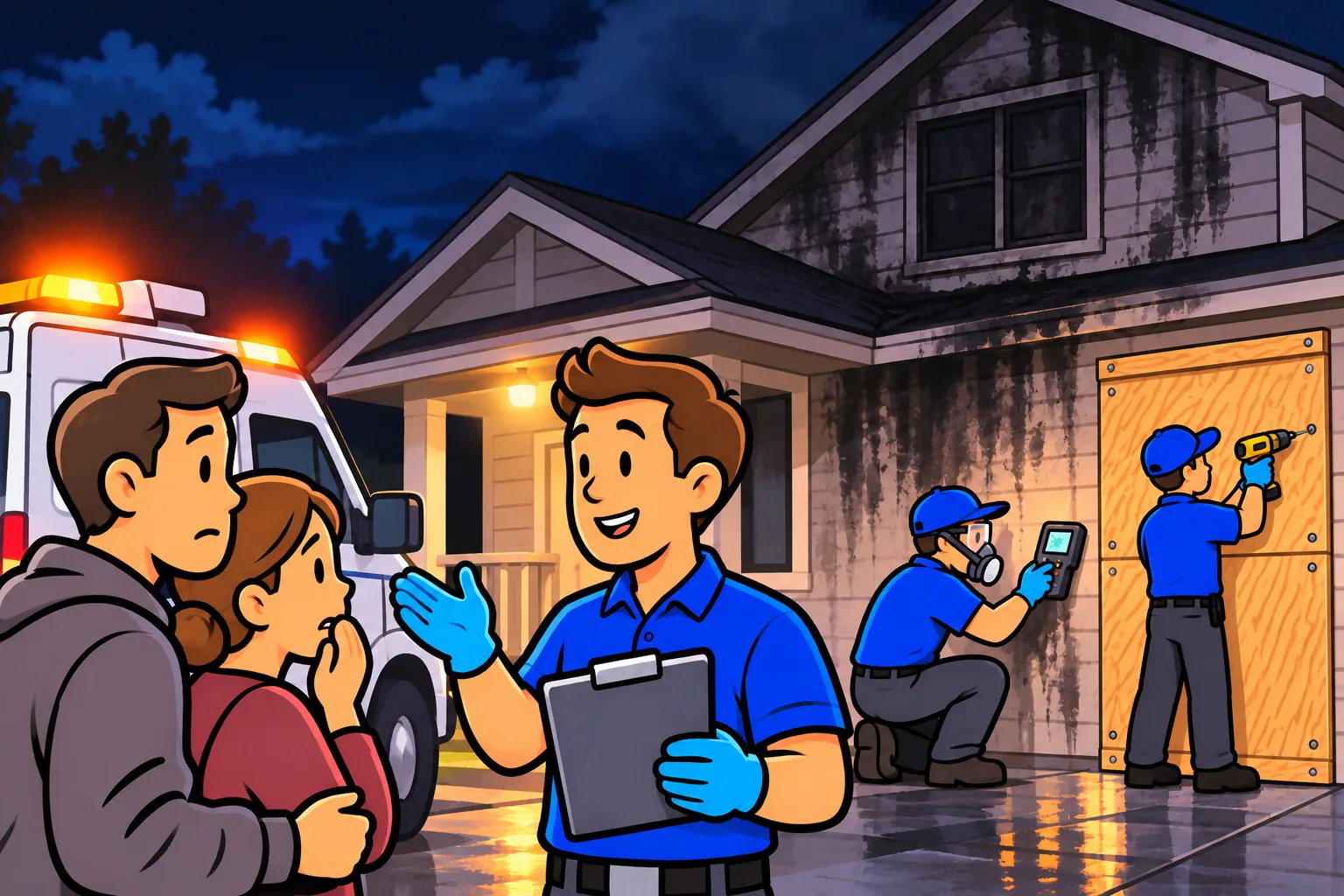
Find out how fast you can get service from your location
24 HOUR EMERGENCY Fire and Smoke Damage Restoration for Nampa Properties
A Nampa rental house, commercial workspace and older residence can have different contents and material decisions after a fire. An absorbent furnishing, a painted wall and a stored product do not all respond to the same cleanup method. Explain the incident, released rooms and any actions already taken. The assessment should identify a practical boundary without asking occupants to move affected belongings through clean routes.
Existing local examples include older homes near downtown and the university, as well as commercial or storage buildings. These settings help frame access and inventory questions, not diagnose the cause or type of residue. We discuss what can be assessed, which materials may need another decision and how water work connects with repairs. Unknown industrial or stored-material hazards need appropriate assessment rather than an assumption that every residue belongs in a routine soot-cleaning scope.
Questions to Discuss at Your Nampa Property
Describe Nampa soot, odor, openings and wet materials only from areas you may safely access. Tell us about shared corridors, moved stock or prior cleaning. Do not approach unknown debris or test a damaged appliance to provide more detail; the initial discussion should make access and material limitations explicit.
- Black, gray or greasy soot on walls, ceilings, cabinets or belongings.
- A persistent smoke smell that remains after the building has aired out.
- Discoloration, blistered finishes or heat damage around affected rooms.
- Wet flooring, damp drywall or other moisture left after firefighting.
- Charred materials, damaged openings or areas that cannot be safely used.
- Smoke residue around vents or in rooms away from the original fire.
What Happens After You Call
When you call (208) 999-2353 about fire or smoke damage, here is what happens next.
- A live team member listens to what happened, confirms the location and asks about immediate access or safety concerns.
- We coordinate a visit and safe access with you after the property has been cleared for entry.
- We explain a practical plan for the fire, smoke and water damage present.
- Identify affected areas
- Review cleanup priorities
- Discuss repairs and documentation
We explain the proposed work in plain language and help document the damage for your insurance claim.
- The crew starts the agreed work to secure affected areas, address moisture and remove fire or smoke residues.
- Cleaning and repairs move forward according to the damage and agreed scope, with updates about the next steps.
Fire and Material Questions in Nampa
An older home's layered finishes
Original materials and later repairs can meet within one wall or floor. Explain known work without opening the assembly yourself. Cleaning and removal decisions need to account for actual material condition, while unidentified products or new findings may require separate assessment before disturbance expands.
A rental with shared movement routes
An affected room may open onto a corridor or another occupied area. Identify the authorized property contact and any moved belongings. Planning the handling route and contents decisions helps avoid treating the first visible room as the only practical access question.
Commercial stock and stored materials
Inventory and building surfaces can need different decisions after smoke exposure. Explain area uses and who controls the goods, using records only if safely available. Cleaning a wall or floor does not automatically determine product retention or resolve an unknown material hazard.
Residue on different surface types
A ceiling, cabinet finish and textile can respond differently to the same incident. Share any products or methods already tried. The cleaning approach should follow residue and surface compatibility rather than rely on stronger household treatment or promise every item can be retained from a photograph.
Firefighting water in lower layers
Water can affect framing, flooring and insulation behind the most visible smoke damage. Explain where wetting was noticed and what mitigation occurred. Residue cleanup and drying need an agreed sequence; a cleaner surface does not establish that every retained layer is ready to cover.
Damaged openings and later exposure
A released Nampa building may have an opening needing temporary protection. Explain weather exposure and access from safety. The proposed measure should be clearly distinguished from permanent repairs, source-equipment checks and any remaining smoke, contents or moisture work.
What to Do First: Safety Steps
If there is an active fire, heavy smoke or an immediate threat, leave the building and call 911. Restoration comes after emergency response and clearance for access. Do not reenter simply because the flames are gone.
- Wait for the fire department or appropriate authority to confirm that entry is allowed.
- Keep children, pets and other occupants out of affected areas.
- Do not turn on damaged electrical equipment or run the HVAC system until it has been checked as appropriate.
- Avoid wiping soot, disturbing damaged materials or attempting strong chemical or ozone treatments yourself.
- Photograph damage only from areas you can safely access, and contact your insurer about the claim process.
- Call Disaster Cleanup to discuss inspection, temporary protection and cleanup planning.
The Fire and Smoke Damage Restoration Sequence for Your Nampa Property
1. Inspection and Damage Documentation
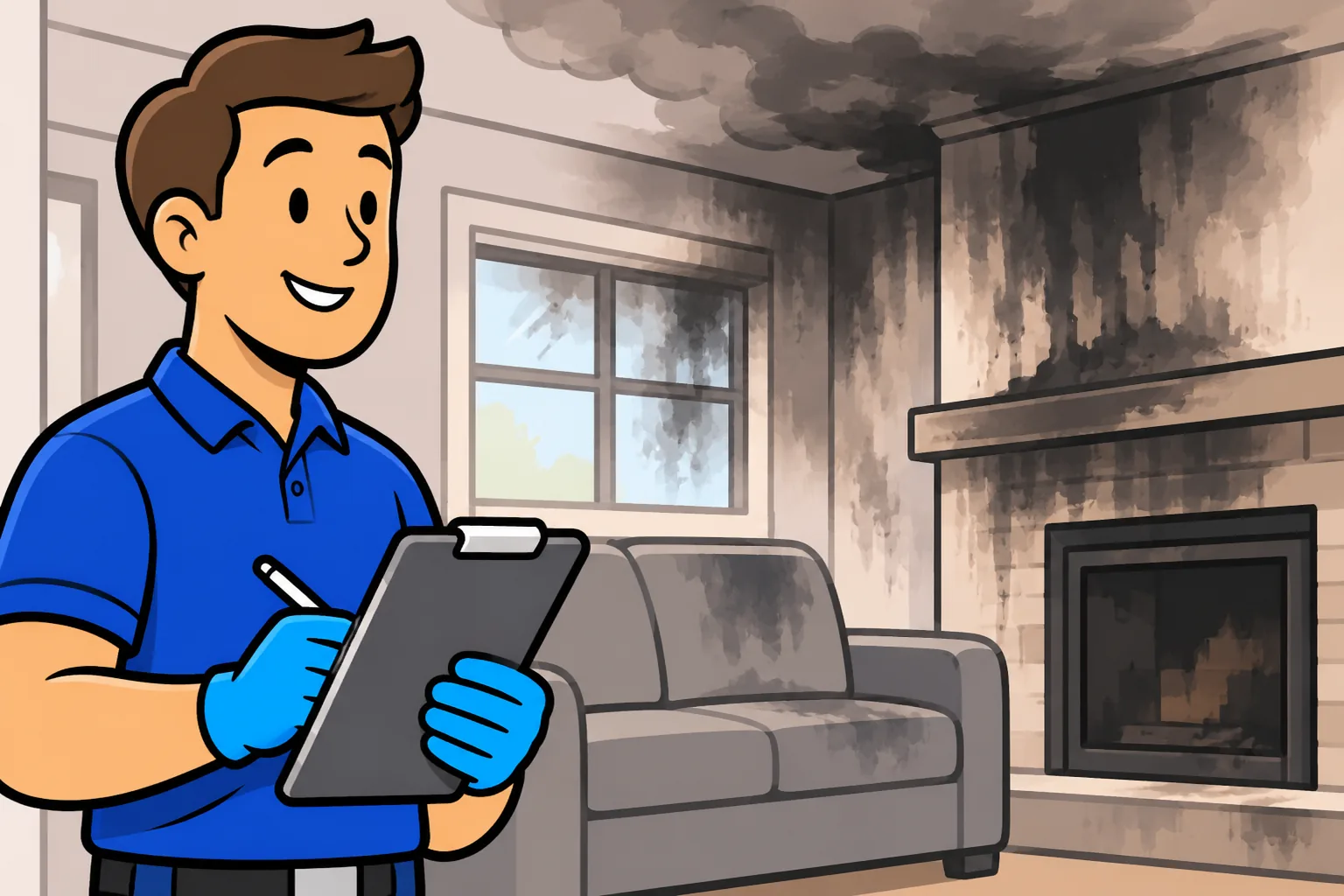
Establish the Nampa incident, released areas and building or inventory uses before assessing accessible damage. Identify unknown-material restrictions and the authorized contact so documentation reflects actual findings rather than an assumed routine-cleaning scope for every space.
2. Securing and Protecting the Property
When needed, temporary board-up or other agreed protection can help secure damaged openings and limit further exposure. We explain which immediate measures fit the condition of the property. This stage is about stabilizing the situation, not treating a temporary repair as the finished restoration.
3. Addressing Firefighting Water
Water used to extinguish a fire can affect flooring, walls and concealed spaces. Where that damage is present, extraction and drying may be needed alongside fire cleanup. Checking affected materials helps guide the drying work rather than relying only on whether a surface looks dry.
4. Soot and Smoke Residue Cleanup
We assess the residue and the surfaces involved before selecting the cleaning approach. Walls, ceilings, fixtures and contents may not respond to the same method. Materials that cannot reasonably be cleaned or have been damaged beyond repair may need removal and replacement as part of the agreed scope.
5. Odor and Contents Evaluation
Smoke odor treatment starts with identifying affected materials and removing the residue or source where possible. We discuss cleaning and replacement decisions for impacted belongings and finishes. Masking an odor is not a substitute for addressing the underlying smoke damage.
6. Repairs and Restoration Planning
Review Nampa material and contents decisions alongside the cleanup and drying handoff. Clarify remaining source, specialist and construction tasks before finishes are replaced, with excluded areas and separate approvals stated rather than implied complete by a cleaner appearance.
A Clear Plan for Your Property
A useful Nampa fire-restoration plan connects the incident with actual materials, contents and access, not a standard package based on building age or use. Ask which observations support the work boundary and what remains unexamined. This is important for a rental or business where different people may authorize entry, building work and belongings decisions.
Disaster Cleanup discusses related temporary protection, water response and construction needs while keeping separate responsibilities clear. An insurer decides coverage, and unknown source or stored-material questions can require other appropriate professionals. Ask how the cleanup and drying handoff will be documented before selecting repairs rather than assume an improved odor or initial equipment visit means the whole loss is resolved.
How Long Does Fire Damage Restoration Take?
The timeline varies with the amount of damage, the materials affected and whether rebuilding is required. A limited smoke cleanup is different from a property with structural damage and substantial firefighting water. Access, drying needs, material availability and insurance decisions can also influence the schedule. We discuss the expected stages after inspecting the property instead of promising the same completion date for every fire.
Insurance: Documentation and Next Steps
Fire and smoke losses may be covered when the cause and damage fall within your policy, but coverage, limits and deductibles vary. Contact your insurer early and keep records of the loss. We can provide damage documentation and discuss the proposed restoration work with your adjuster. Your insurer determines coverage; an inspection or estimate is not a guarantee that every item will be paid.
Safe Next Steps for Fire and Smoke Damage Restoration in Nampa
For active fire, heavy smoke or immediate danger, leave and call 911. Follow responders' access instructions before entering a Nampa property and keep people and pets away from affected spaces. Do not operate damaged equipment or disturb unknown debris. Describe urgent protection, water and shared-route concerns from safety, and contact the insurer about documentation without collecting damaged stock or sweeping residues as preparation.
Common Fire and Smoke Cleanup Situations
- Kitchen fires with smoke and soot in nearby rooms.
- Fire-damaged living spaces, fixtures and household contents.
- Smoke odor that persists after the source fire is out.
- Wet flooring or walls after firefighting.
- Damaged openings that need temporary board-up before repairs.
Fire and Smoke Damage Restoration Cleanup and Restoration Services
The illustrations show assessment, cleanup and rebuilding topics rather than a specific Nampa incident or a universal inventory-salvage promise. A proposal should distinguish residue and surface decisions, affected contents and firefighting moisture, then explain the next repair stage. Odor-related work follows the material source question; spraying fragrance or replacing a visible finish cannot alone describe the condition of every affected layer or item included in the scope.
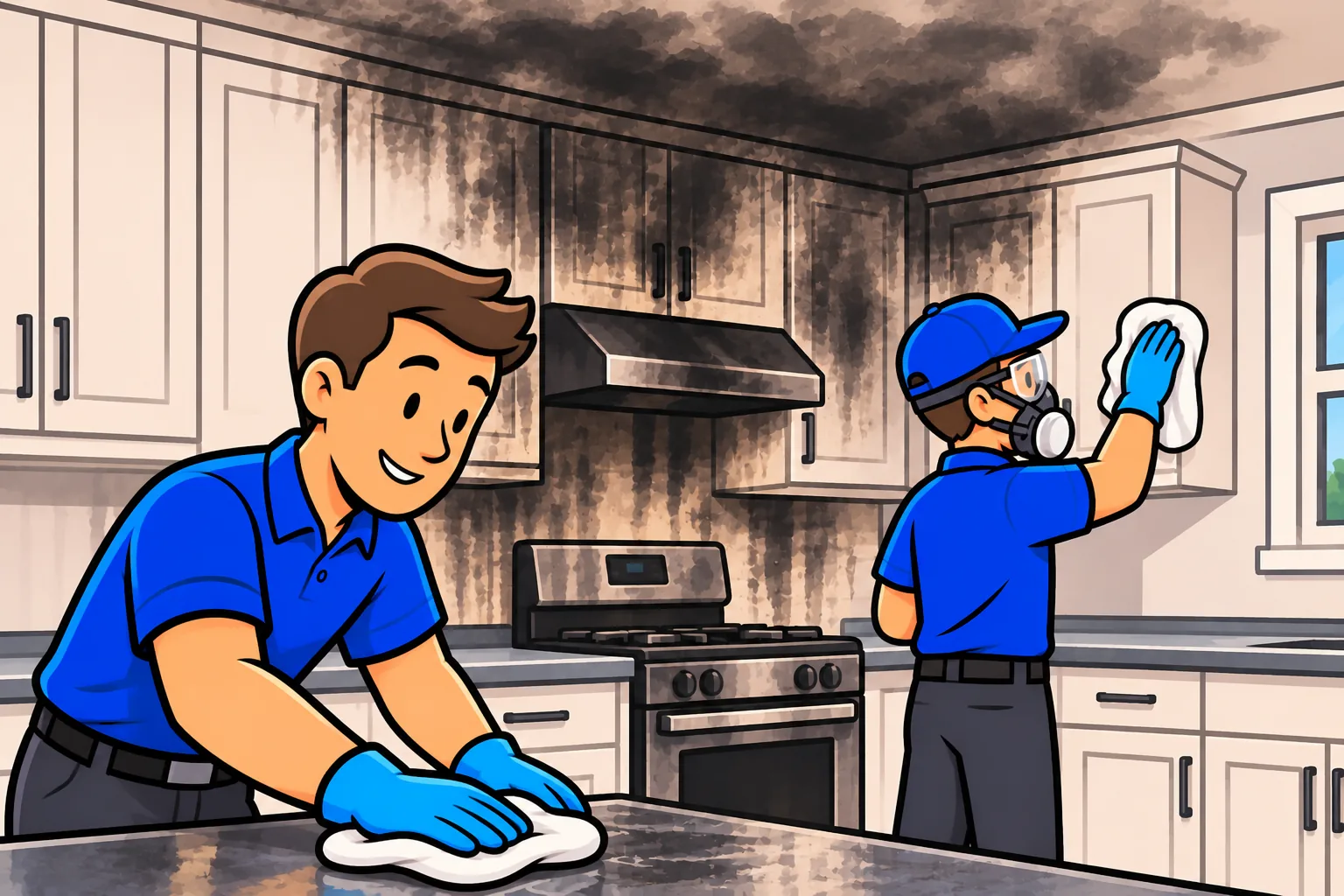
Kitchen fires and smoke residue
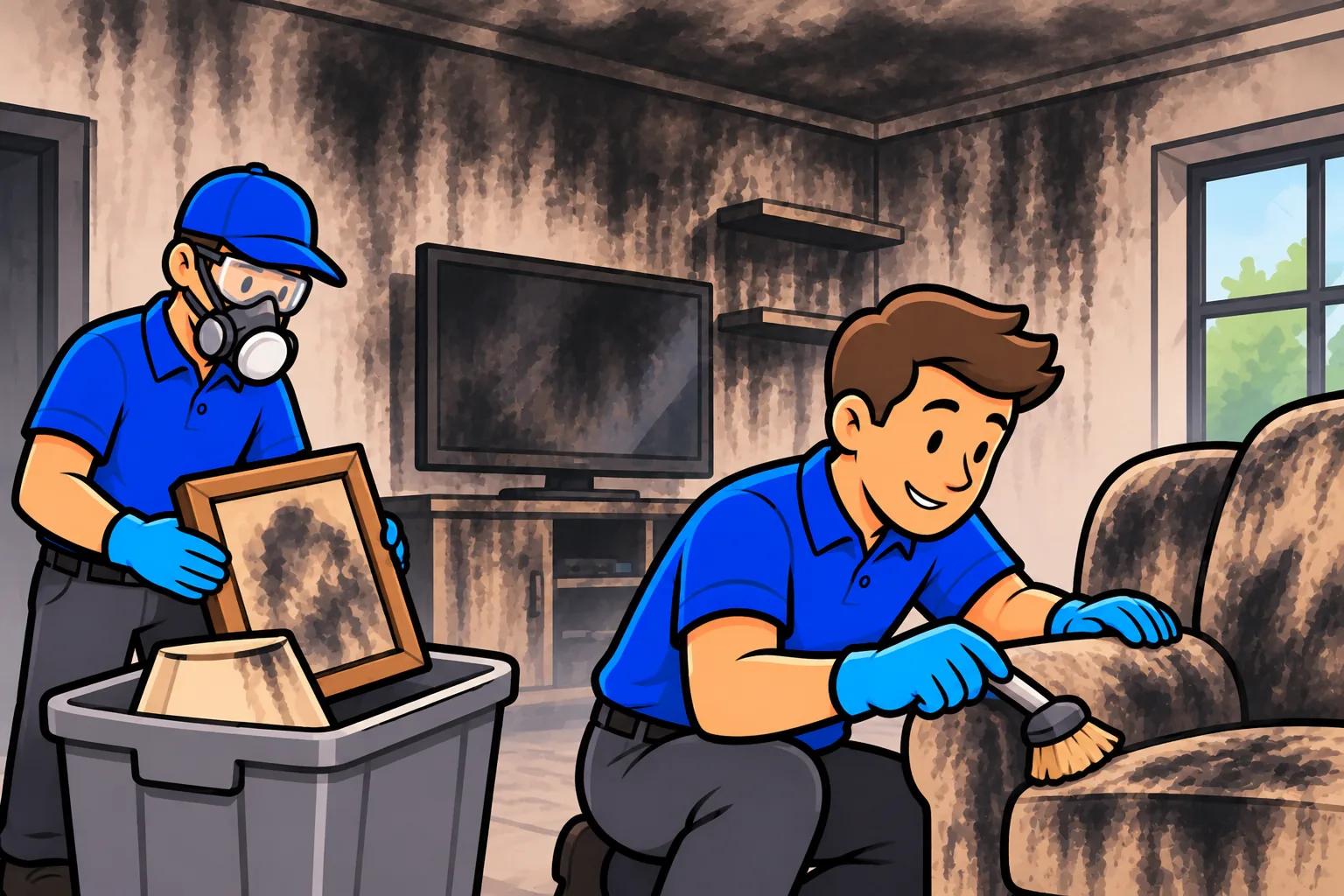
Fire-damaged rooms and belongings
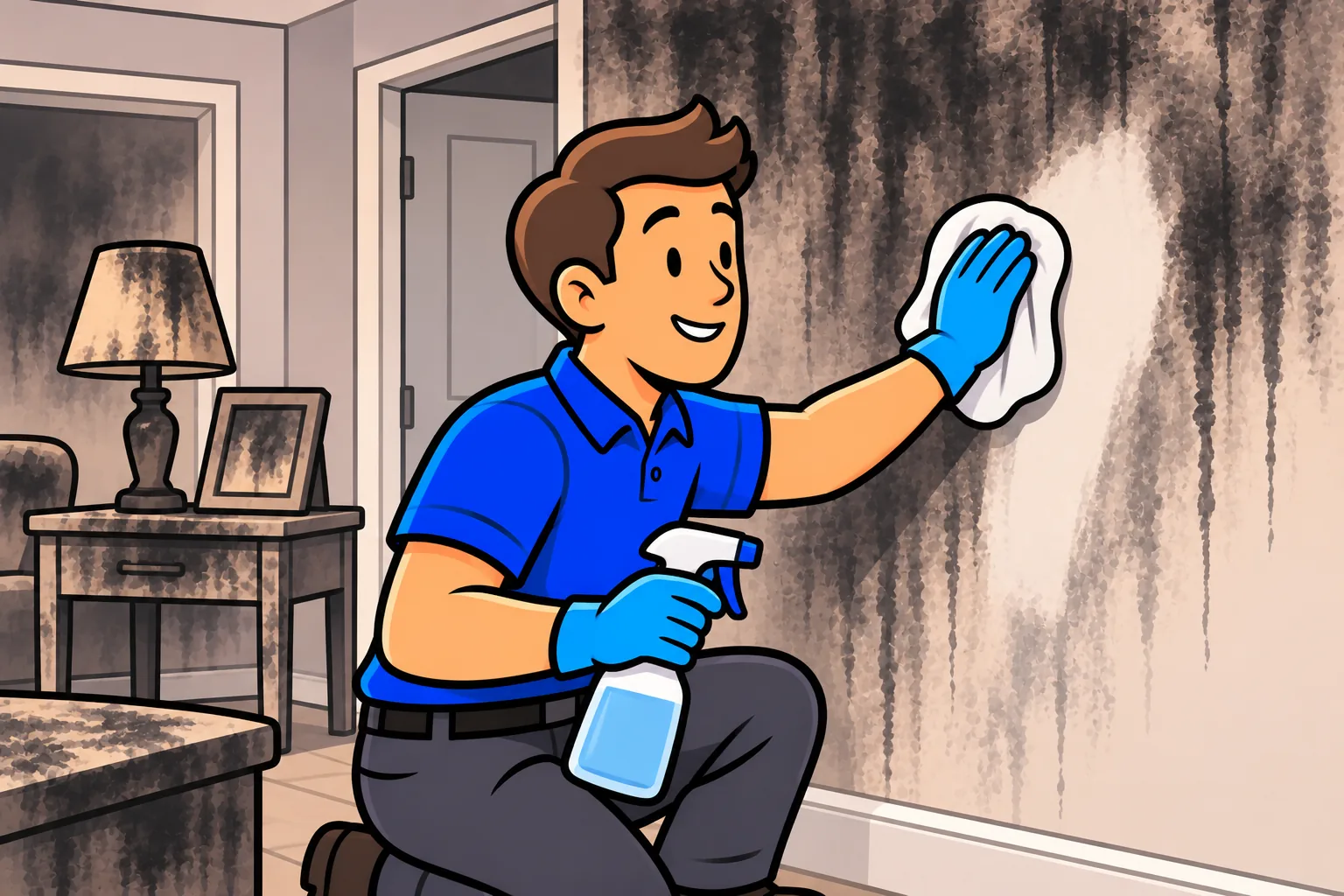
Soot buildup on walls and surfaces
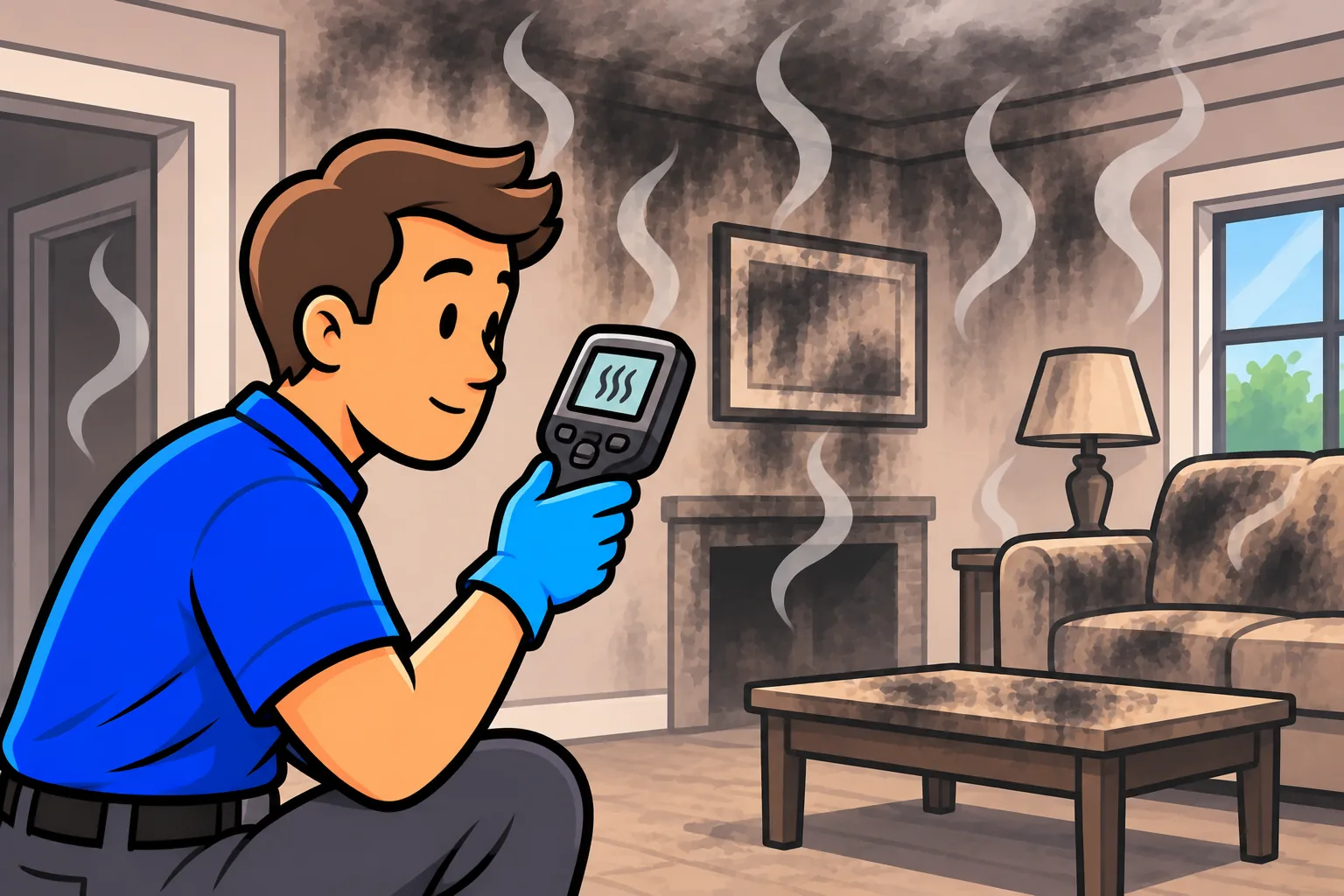
Smoke odors throughout the property
RESPONSE AND RECOVERY
Starting With the Immediate PrioritiesAfter access is permitted, the first work may include protecting damaged openings, addressing water and identifying the areas that need cleanup. We discuss the immediate priorities with you so the next step is based on the condition of the property.
DAMAGE ASSESSMENT
Looking Beyond the Burned AreaSmoke and soot may affect rooms or belongings away from the fire. We inspect accessible areas, document what we find and explain the proposed cleaning or replacement needs. The visible flame damage is only one part of that assessment.
RESTORATION AND REPAIRS
Planning the Work That Follows CleanupOnce cleanup and any necessary drying are complete, damaged finishes and materials can be addressed through the repair scope. We discuss restoration needs and the expected stages so you understand how the property moves from cleanup toward usable space.
Serving Nampa and Nearby Communities Fire and Smoke Damage Restoration in Nampa
Where we work in Nampa: We restore fire- and smoke-damaged homes and businesses across Nampa, from older homes near downtown Nampa to the newer subdivisions toward Kuna and Lake Lowell. That includes kitchen fires at home and smoke that has spread through a rental, shop or warehouse. Disaster Cleanup is veteran-owned and based in Garden City. Phones are answered live 24/7 and a crew is usually on site in 1–2 hours once the fire department releases the property. Call (208) 999-2353.
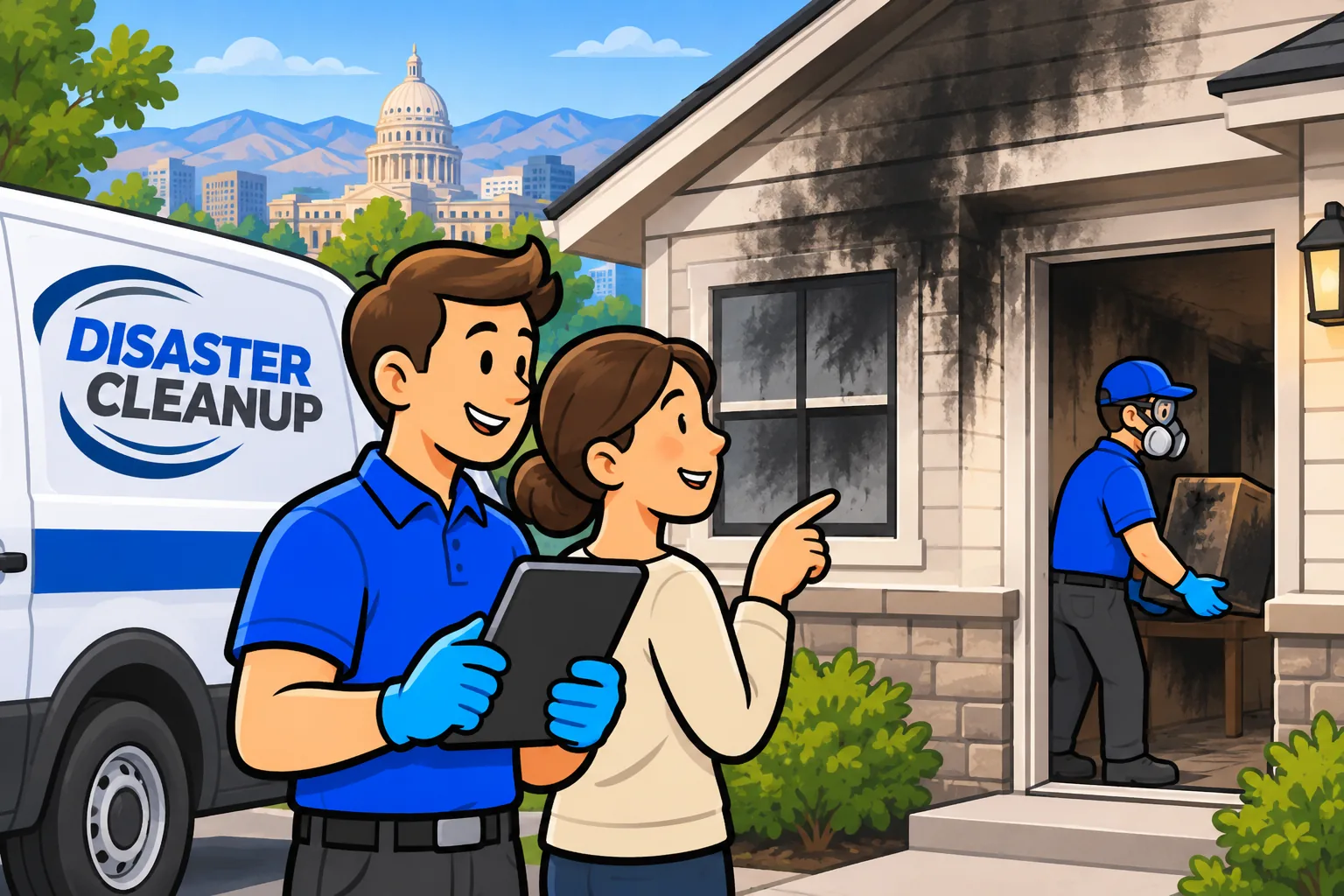
Discuss Your Nampa Property Have Fire or Smoke Damage? Request a Free Inspection
Discuss a free initial inspection after a Nampa fire or smoke event and explain the known access restrictions, affected rooms and urgent opening or water concerns. Keep existing records available from safety. Ask how contents, cleaning, drying and later repairs will be scoped before assuming an inspection authorizes disposal or every part of a rebuilding project.
Call (208) 999-2353Client Reviews What People Say About Us
Rated 4.8 stars from 159 Google reviews. Read our Google reviews


Frequently Asked Questions
How soon can you start after a fire in Nampa?
Phones are answered live 24/7, and a crew is usually on site within 1–2 hours once the property is released, to board up openings and protect what’s left.
Do you board up and secure the property?
Yes. Once the fire department releases the property, we can board up broken windows and doors and cover openings to protect the home from weather and entry while cleanup is planned.
Is Disaster Cleanup a local company?
Yes. We’re a veteran-owned company based in Garden City, serving Nampa and the rest of the Treasure Valley.
What should I do after a fire at a Nampa rental or business?
Follow emergency access instructions, keep occupants away from affected areas and identify the authorized property contact. For an active fire or immediate danger, leave and call 911. Once appropriate entry is allowed, discuss inspection and urgent protection without moving stock, testing equipment or starting household soot cleaning.
What information helps arrange the free inspection?
Provide the address, incident history, released rooms and known water or damaged-opening concerns. Explain building use, shared entry and who can approve contents and repairs. Existing records can help if safely available; do not enter a restricted space or collect debris to make the initial conversation more detailed.
How are business contents assessed after smoke damage?
Explain what the items are used for and who can authorize decisions about them. Material condition and exposure can require different approaches from building-surface cleaning. The scope should describe practical limits rather than promise every product can be retained or assume a cleaned room determines all inventory and operating decisions.
What affects the cost of Nampa fire cleanup?
Residue and affected surfaces, contents, safe access, temporary protection, firefighting water and construction needs influence the proposal. Unknown-material or source-system work may be separate. Ask what the estimate includes after assessment instead of assuming the first visible burned area defines the entire cleanup and repair price.
Can older wall and floor finishes be kept?
Retention depends on actual damage, construction, residue and suitable cleaning or drying access. Share known renovation history without opening the assembly yourself. Ask what supports each material decision; neither universal salvage nor replacement of every nearby finish should be assumed from age, appearance or a photograph alone.
How are lingering smoke odors addressed?
The plan begins with affected materials and residue rather than simply covering the smell. Cleaning, suitable treatment or replacement decisions depend on the actual condition and scope. Explain earlier products or work, and ask what remains uncertain rather than treat fragrance or a fresh coat of paint as proof the source is resolved.
What determines the schedule for cleanup and repairs?
Access, damage extent, contents, drying, material decisions and construction needs shape the sequence. A limited residue project differs from damaged assemblies and substantial water work. Discuss expected stages after inspection instead of interpreting a travel estimate or initial visit as a guaranteed date for completing the whole loss.
Will insurance pay for the proposed restoration?
The insurer applies the actual policy, incident, limits and deductibles. Keep available event records and the proposed scope, and ask about authorization and contents requirements. Disaster Cleanup can document observed damage and discuss work, but an estimate is not claim approval or a promise that every inventory item, building component or repair is covered.