
Boise and the Treasure ValleyFrozen Pipe Damage Cleanup
Treasure Valley cold snaps freeze pipes in exterior walls, garages and crawl spaces, and the water usually starts flowing when the ice thaws. Disaster Cleanup answers live 24/7, aims to be on site within 1-2 hours and handles the water removal, drying and repairs. Inspections are free, and you can pay after your insurance claim closes.
Schedule a Free Inspection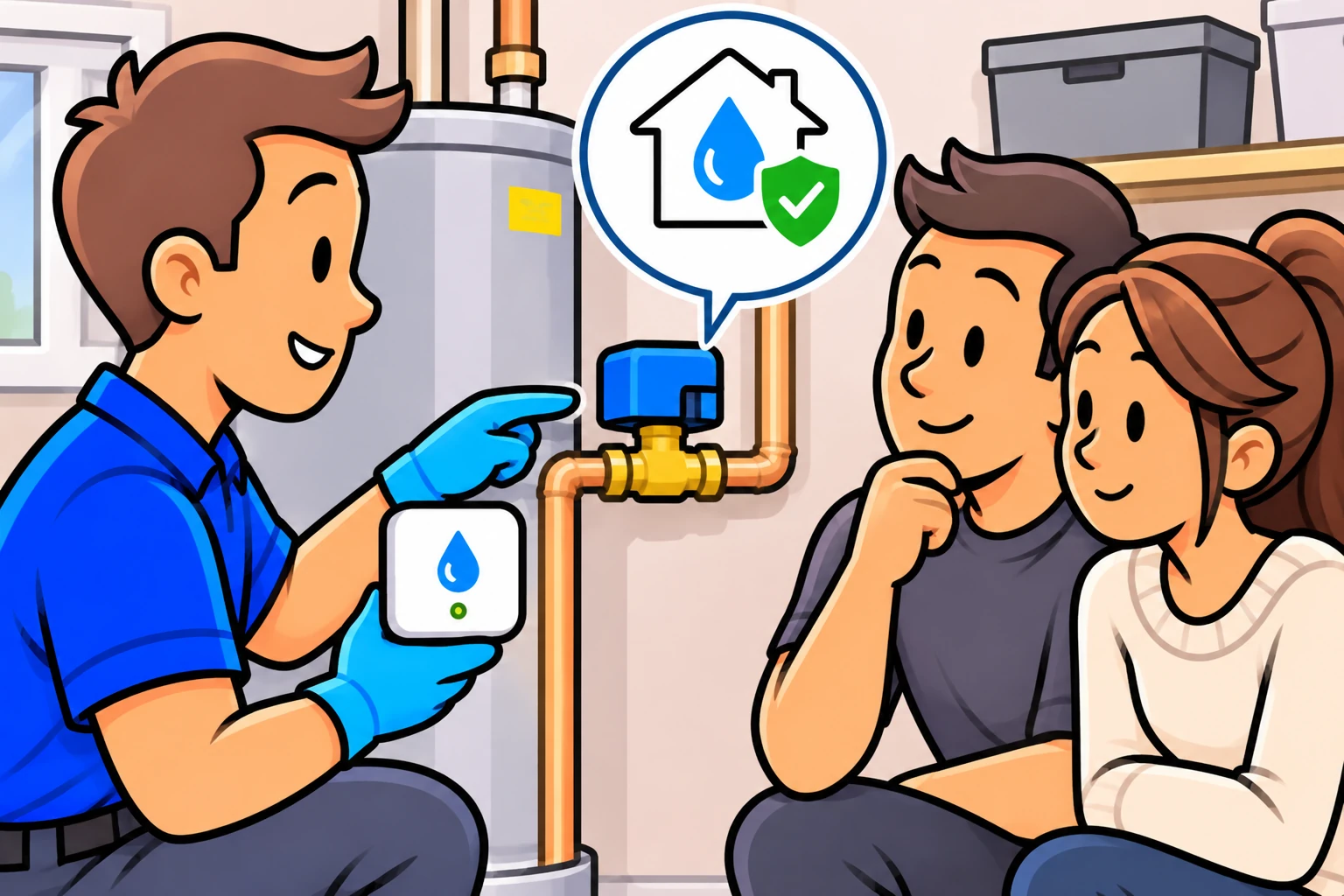
Find out how fast you can get service from your location
FROZEN PIPE WATER DAMAGEWhat Happens When a Pipe Freezes
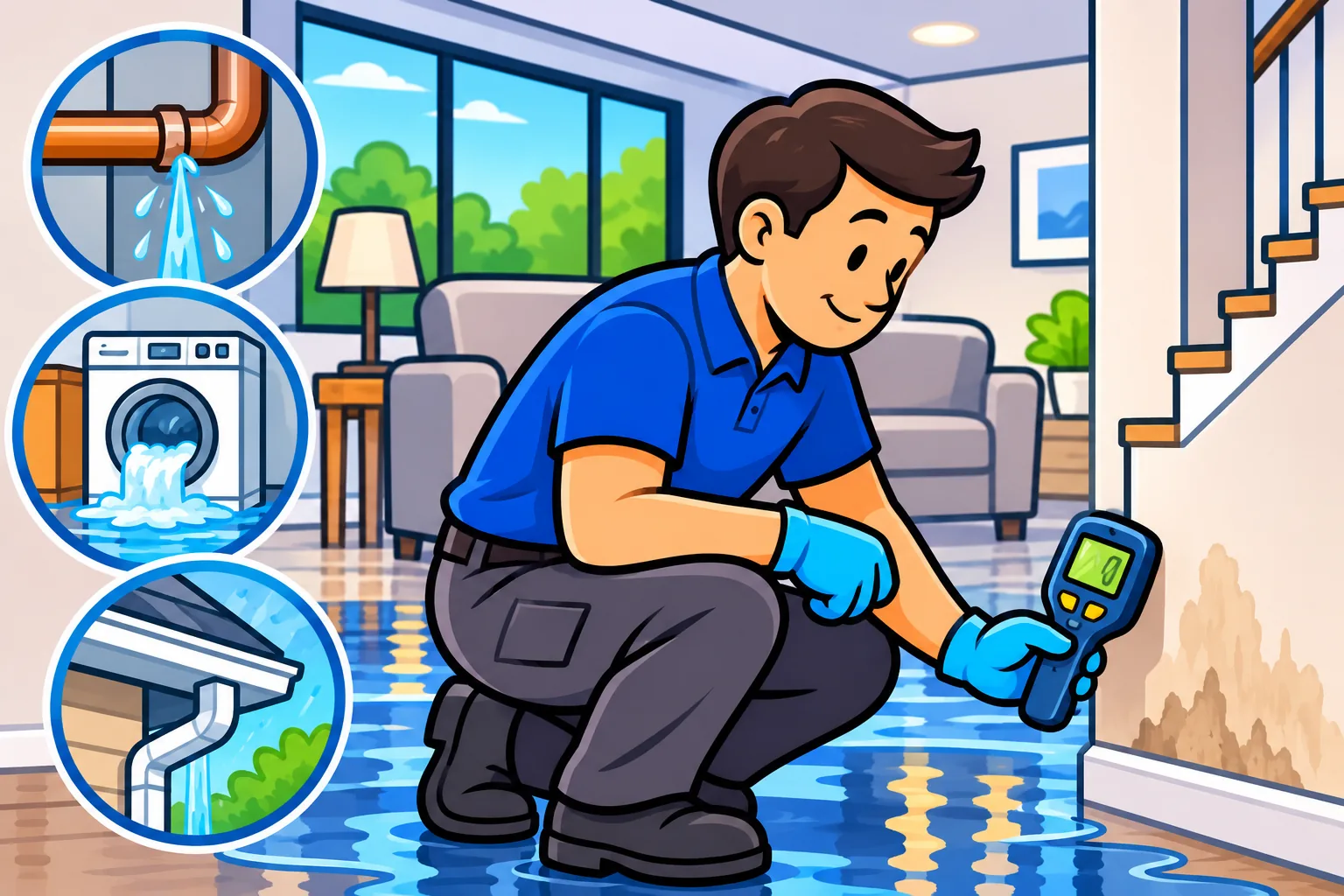
Water expands as it freezes. Inside a pipe, that pushes pressure toward the closed faucet or fitting until something gives. Often the split happens at a spot you never see, inside a wall or under the house, and nothing leaks until the weather warms and the ice melts. Then water runs at full household pressure until someone shuts it off.
That is why frozen pipe damage so often surprises people a day or two after the coldest night. We find where the water went with moisture meters, remove it, dry the walls, floors and framing and rebuild what was damaged. We work with your insurance company, you can pay after the claim closes, and our work has a 1-year warranty.
Signs of a Frozen or Split Pipe
A frozen pipe gives a few warnings before it leaks, and a split pipe leaves clues after it thaws. Watch for these during and after a hard freeze.
- A faucet that trickles or stops running during a cold snap
- Frost on an exposed pipe or a bulge in the line
- Water stains on a ceiling or an outside wall after a freeze
- Dripping or hissing sounds inside a wall as temperatures rise
- Wet insulation or standing water in a crawl space
- A cold, damp spot on the floor near an exterior wall
What Happens After You Call
When you call about a frozen pipe, a live dispatcher answers and helps you decide what to do first, whether the pipe has already burst or not.
- A faucet with no water, frost on a line, a bulge in a pipe or an active leak. Let us know whether the water is off.
- If a pipe is frozen or leaking, turning off the main valve limits the damage when the ice thaws. We can talk you through it.
- We aim to be on site within 1-2 hours to remove water and check walls, ceilings and crawl spaces for hidden moisture.
- We dry floors, walls and crawl spaces and take moisture readings until the materials are dry.
- We handle the rebuild, document the damage for your insurance company and let you pay after the claim closes.
Where Pipes Freeze in Treasure Valley Homes
Crawl spaces
Cold air under a house can freeze supply lines in a crawl space, especially where insulation has fallen down or foundation vents are left open. The water from a split line collects on the vapor barrier and soaks the insulation and framing.
Exterior walls
Pipes that run through outside walls, especially on the north side of a house, can freeze on the coldest nights. Kitchen and bathroom sinks on outside walls are common trouble spots.
Garages
Water heaters, laundry lines and supply pipes along garage walls are exposed when the garage door is left open or the space is not heated.
Outdoor faucets and hoses
A hose left attached to an outside faucet traps water in the line. When it freezes, the pipe can crack inside the wall, and the leak shows up indoors.
Attics and ceilings
Lines that run through an attic or a cold ceiling space can freeze and leak down into the rooms below, soaking insulation and drywall.
Vacant homes and low thermostats
Homes left empty during travel, rentals between tenants and buildings with the heat turned down are more likely to freeze, and a leak can run for days before anyone finds it.
Frozen Pipe Safety: What to Do and What to Avoid
If a faucet stops running during a cold snap, or you see frost or a bulge on a pipe, assume it is frozen and may already be cracked. Shut off the main water valve before the pipe thaws so a small split does not turn into a flood.
Never use an open flame, torch or propane heater to thaw a pipe, because that can start a fire. Keep space heaters away from anything that can burn. A plumber can thaw and repair the line safely, and we take care of the water damage.
- Shut off the main water valve if a pipe may be frozen.
- Never thaw a pipe with an open flame or torch.
- Open cabinet doors under sinks on outside walls during cold snaps.
- Check crawl spaces, garages and outside walls after a hard freeze.
Our Frozen Pipe Water Damage Process
1. Find every wet area
Frozen pipes often split inside exterior walls, ceilings and crawl spaces where you cannot see them. We use moisture meters to trace where the water went.
2. Remove the water
We extract standing water from floors, basements and crawl spaces right away to limit damage to flooring, drywall and framing.
3. Open wet walls and ceilings when needed
If water ran inside a wall or ceiling, some drywall and insulation may need to be removed so the cavity can dry. We explain what and why before anything comes out.
4. Dry the structure
Dehumidifiers and air movers dry the framing, subfloor and walls. Drying equipment works best in a heated space, so we will talk with you about keeping the home warm while it runs.
5. Help prevent mold
We clean and treat affected areas as needed to help prevent mold and odors, especially in crawl spaces and exterior walls that stay cold.
6. Repair and restore
Once the pipe is repaired and everything is dry, we rebuild drywall, insulation, flooring and finishes. All of our work is backed by a 1-year warranty.
Why Homeowners Call Disaster Cleanup After a Freeze
Disaster Cleanup is a veteran-owned company founded in 2015 by Shane Cherry and based at 5332 N Sawyer Ave Ste 120 in Garden City. Our phones are answered live 24/7, and we aim to be on site within 1-2 hours of your call, including nights, weekends and holidays.
We handle everything after the water: extraction, drying, mold prevention and reconstruction, as one team. The inspection is free, our work has a 1-year warranty, and se habla español.
How Long Does Drying Take After a Frozen Pipe?
It depends on how long the water ran and what it reached. A split line under a sink caught quickly is a short job. A crawl space or ceiling that soaked overnight takes longer, and cold weather slows drying. We take moisture readings throughout and tell you where things stand.
Frozen Pipes and Your Insurance Claim
Many homeowner policies cover sudden water damage from a frozen pipe, but some policies expect the home to have been heated, so check with your insurer. We document the damage with photos and moisture readings, work with your adjuster and let you pay after the claim closes.
Frozen or Burst Pipe Right Now?
If a pipe is frozen, shut off the main water valve before it thaws. If it has already burst, shut off the water, stay out of water near outlets and call (208) 999-2353. A live dispatcher answers 24/7, and we aim to have a crew on site within 1-2 hours.
Have This Ready When You Call
- Your address and the best phone number to reach you
- Whether the pipe has burst or is still frozen
- Whether the main water valve is off
- Your insurance company, if you plan to file a claim
Frozen Pipe DamageFrozen Pipe Damage Services
Frozen pipe cleanup can include emergency extraction, crawl space drying, removal of wet insulation, drywall, carpet and pad, structural drying, cleaning and mold prevention, and the repairs that put your home back together.
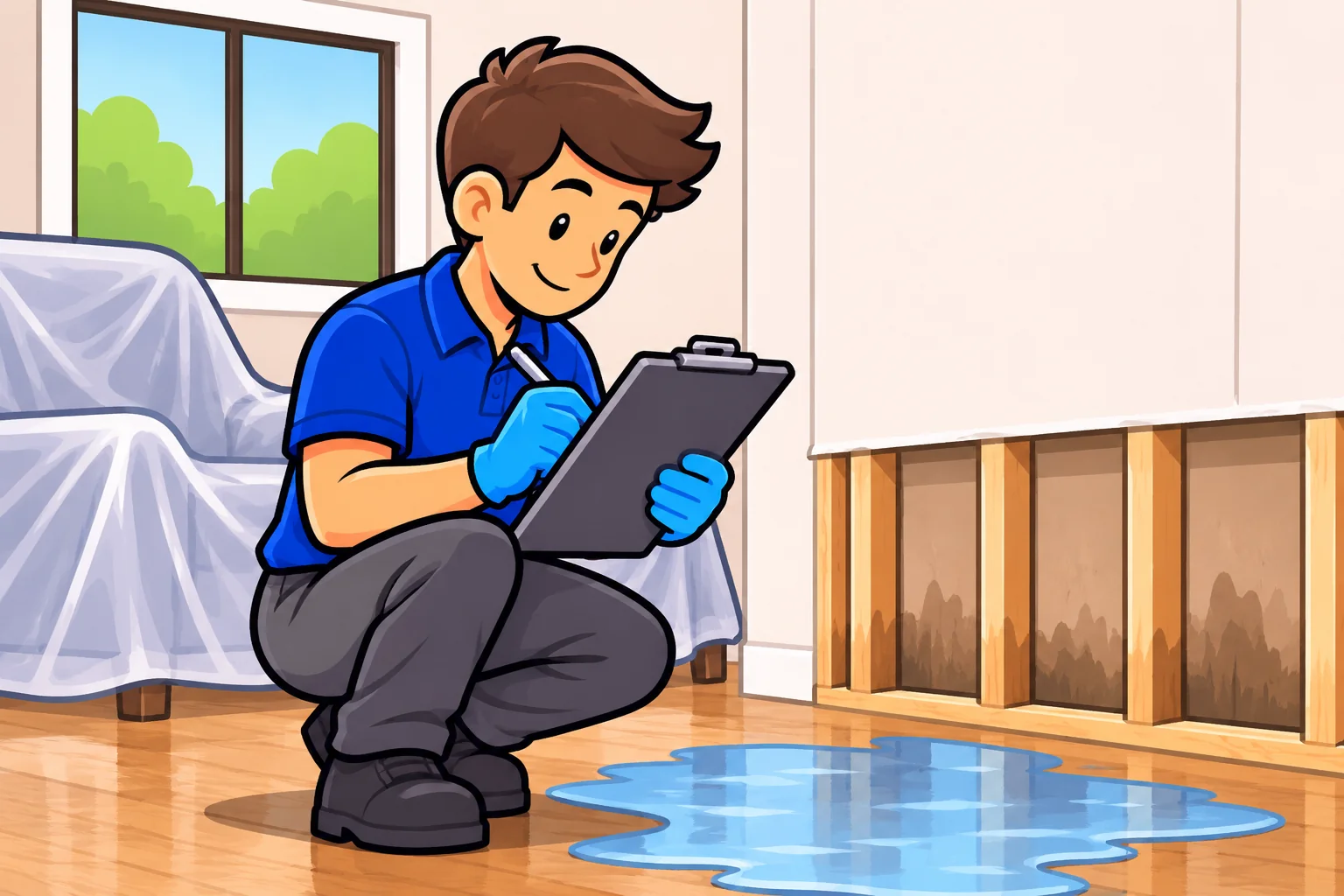
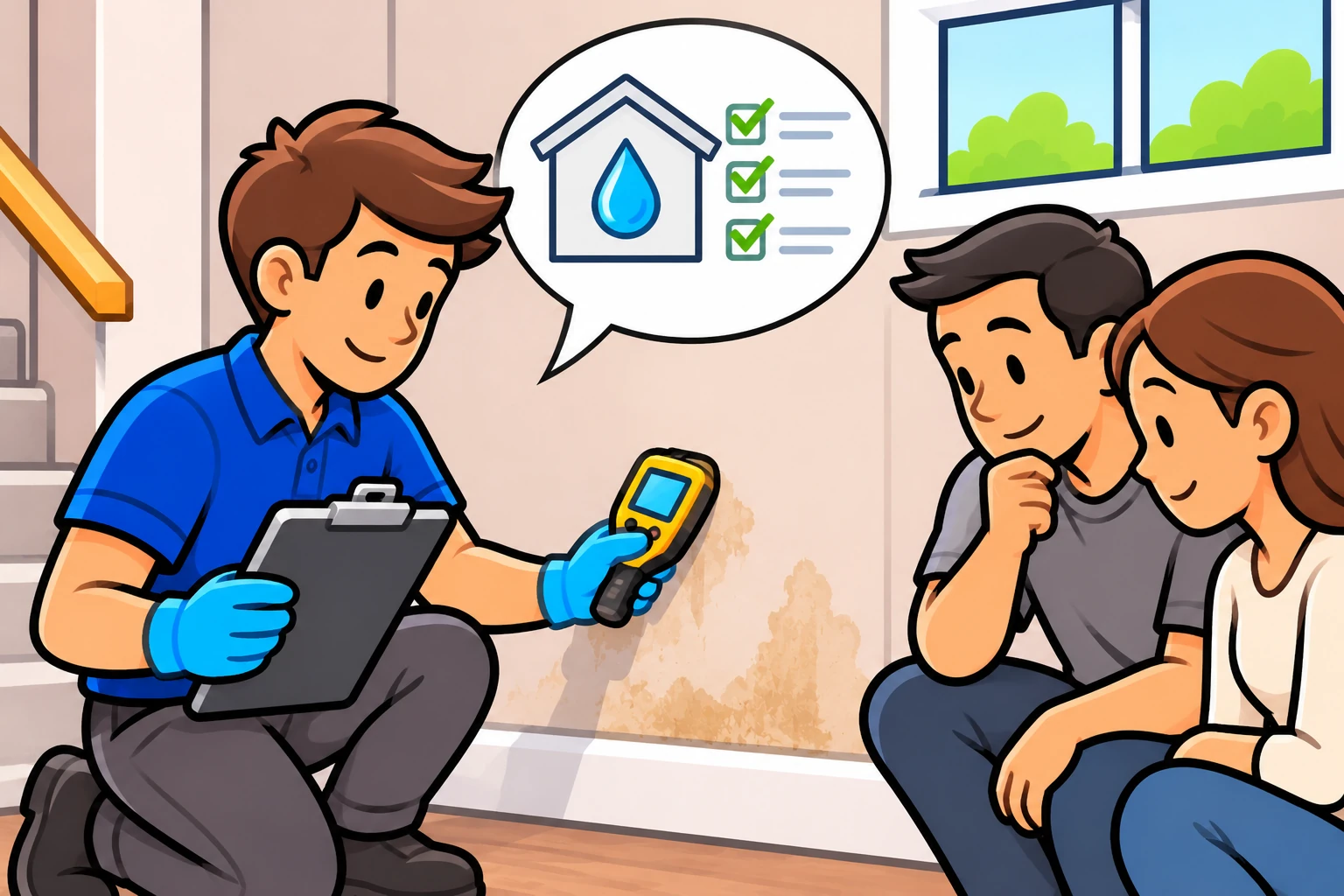
Finding water inside an exterior wall
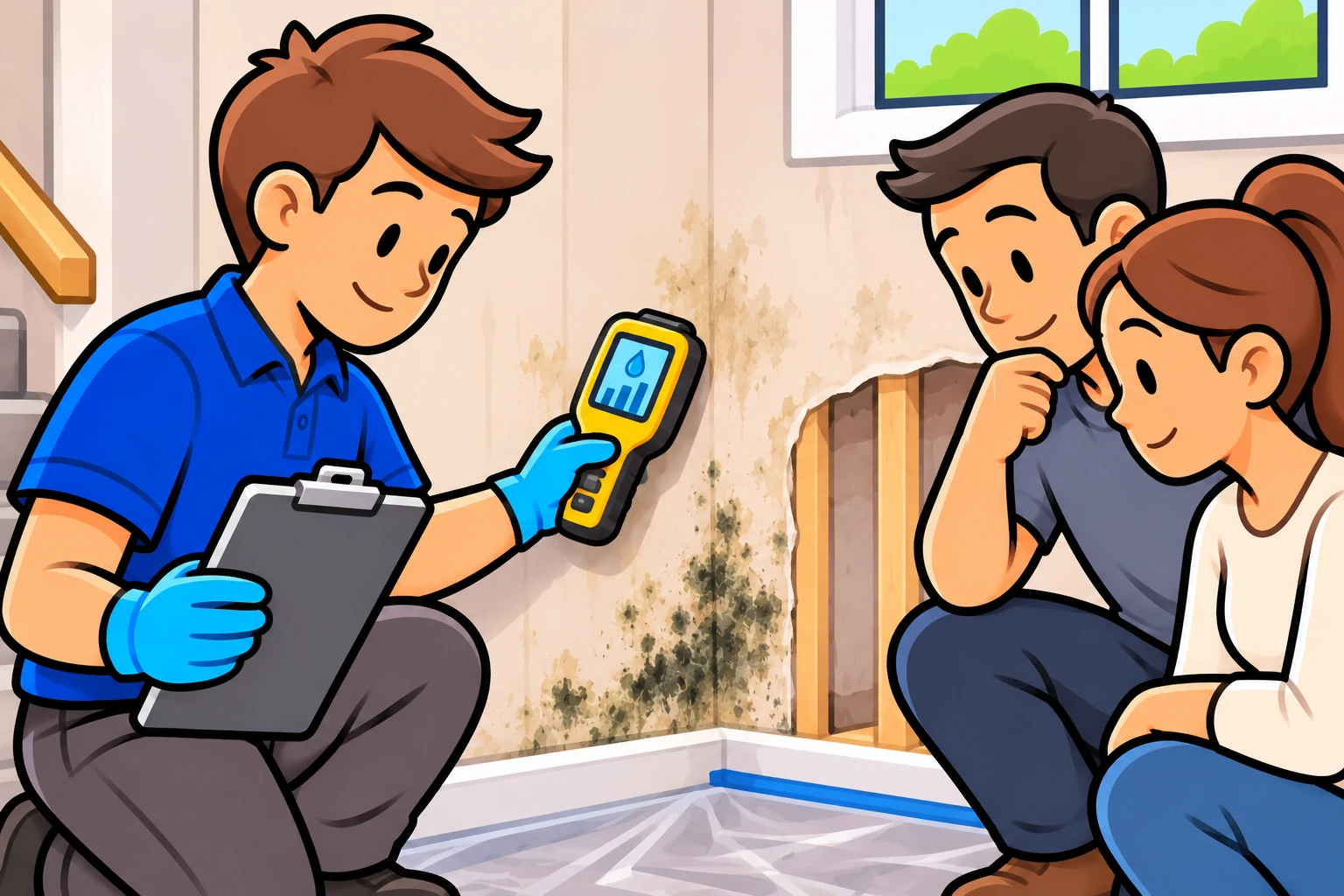
Showing you the moisture readings
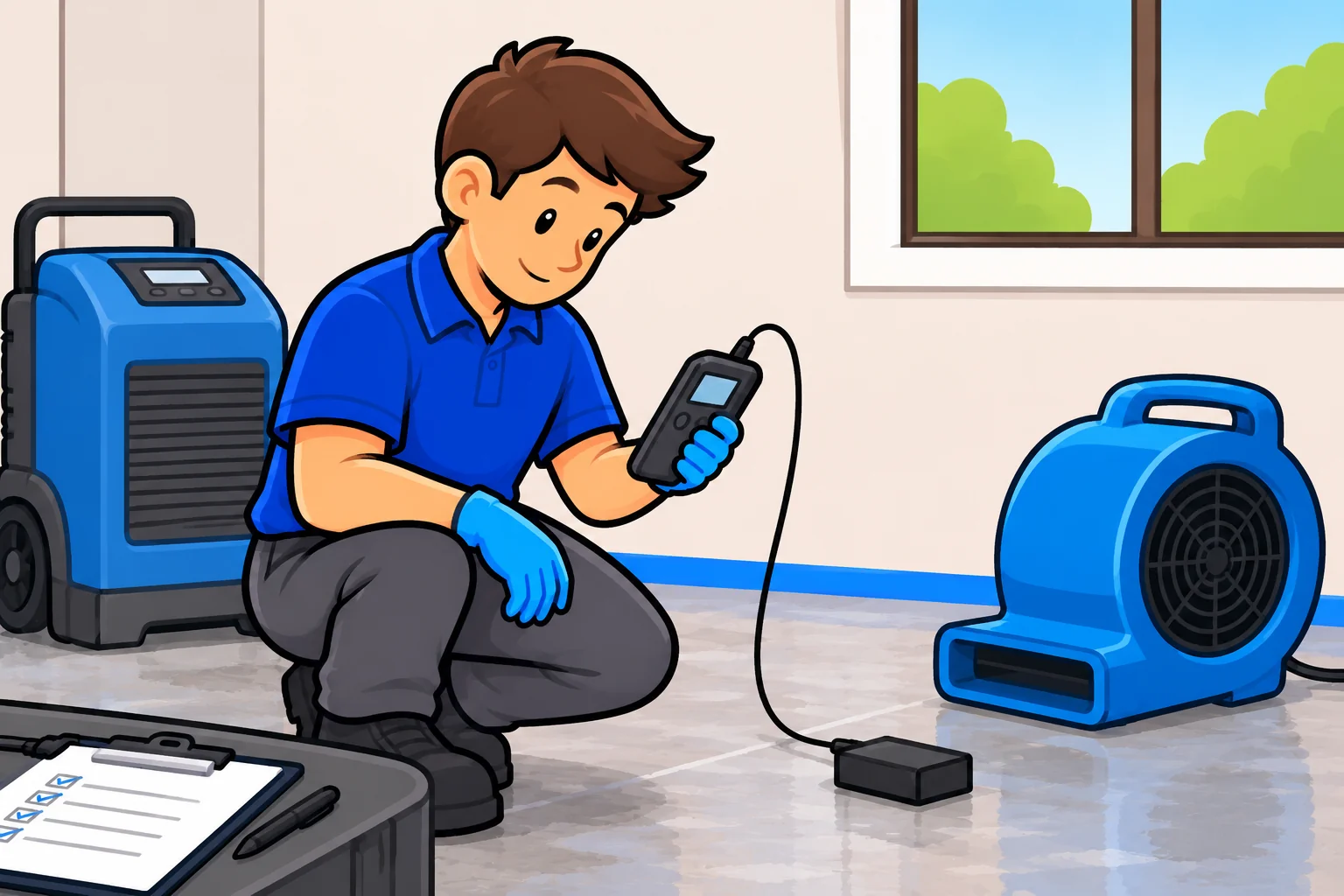
Drying equipment and moisture checks
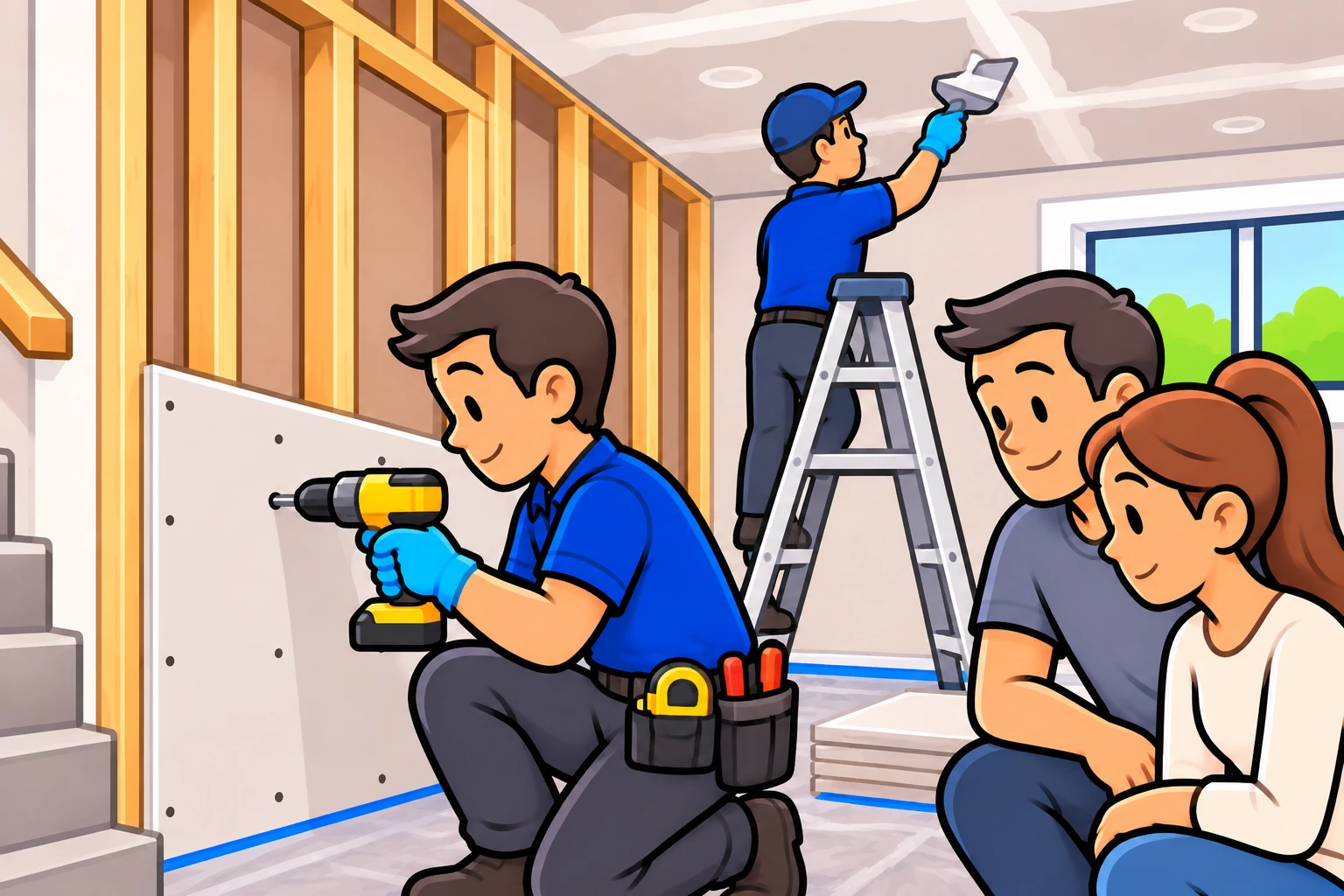
Repairing drywall and ceilings
Answered Live 24/7
On site in 1-2 hoursCold snaps hit at night, on weekends and on holidays. A real person answers every call.
Free Inspections
Find hidden waterWe check exterior walls, ceilings and crawl spaces with moisture meters before any work starts.
Insurance Help
Pay after the claim closesWe document the damage, work with your adjuster and back our work with a 1-year warranty.
Serving the Treasure ValleyFrozen Pipe Damage Cleanup Near You
Our crews come from our Garden City office and handle frozen pipe damage across Boise, Meridian, Nampa, Kuna, Eagle, Caldwell, Garden City, Star and the rest of Ada and Canyon County. See the city pages linked above for local details in Kuna, Boise, Meridian and Nampa.
Frozen Pipe HelpRequest a Free Inspection
Call (208) 999-2353 any time or request a free inspection. We will find where the water went, explain the plan and work with your insurance company.
Call (208) 999-2353Client ReviewsWhat People Say About Us
Disaster Cleanup is 5-Star Rated on Google


Frequently Asked Questions
What should I do if I think a pipe is frozen?
Shut off the main water valve before the pipe thaws, open the faucet on that line and call a plumber to thaw it safely. Never use an open flame. If water is already leaking, call us at (208) 999-2353.
Why did my pipe start leaking after it warmed up?
The ice inside the pipe can hold a split closed. When it melts, water flows through the crack at full pressure. That is why frozen pipe leaks often show up after the cold snap ends.
How fast can you get here?
Our phones are answered live 24/7, and we aim to be on site within 1-2 hours anywhere in our Treasure Valley service area.
Do you thaw or repair frozen pipes?
A plumber thaws and repairs the pipe. We handle the water damage: extraction, drying, mold prevention and repairs to floors, walls and ceilings.
Does insurance cover frozen pipe damage?
Many policies cover sudden water damage from a frozen pipe, but coverage depends on your policy. We document the damage, work with your adjuster and let you pay after the claim closes.
How can I keep pipes from freezing?
Disconnect garden hoses, keep the heat on when you travel, open cabinet doors under sinks on outside walls during cold snaps and insulate pipes in crawl spaces and garages. A leak detection system can also warn you early.
Is the inspection free?
Yes. We inspect the damage, take moisture readings and explain what we recommend at no cost.
Is your work under warranty?
Yes. All of our work is backed by a 1-year warranty.