Garden City, IdahoBiohazard Cleanup in Garden City
Biohazard cleanup in Garden City begins with safe access, the contamination history and a clear decision-maker. Disaster Cleanup discusses affected building materials, belongings and controlled cleanup for homes, rentals and businesses. Keep people and pets away rather than try to make the room presentable. Medical emergencies and any official restrictions come first; arranging restoration does not release a scene or authorize entry to someone else's property.
Schedule a Free Inspection
Find out how fast you can get service from your location
CONTROLLED CONTAMINATION CLEANUPBiohazard Cleanup for Garden City Properties
A Riverside Village rental, a family home near the Boise River Greenbelt or a business along Chinden Blvd can present very different access and contents decisions after biological contamination. An absorbent carpet edge, an upholstered item and a sealed floor should not all receive the same cleaning assumption. Explain what is known from outside the affected area, including whether material was moved or someone already attempted cleanup. That history can help identify a practical boundary without asking an owner to inspect a hazardous room personally.
Sensitive work also involves permission. A relative may be arranging the call while a landlord controls building repairs or another person owns the belongings. Identify these roles early, and say whether responders still control entry. We discuss proposed cleaning, removal and follow-on restoration in terms the authorized person can understand, rather than treat a free initial inspection as permission to discard contents or begin an unlimited project.
Questions to Discuss at Your Garden City Property
For a Garden City property, the important observations are the type of incident, affected surfaces and any movement beyond the original area. Do not enter the space to take a closer look or begin household cleaning. These details help plan a respectful, controlled visit; they do not by themselves define every material decision.
- Body fluids on floors or furnishings
- Waste reaching porous building materials
- Contamination tracked into adjacent rooms
- Strong odors associated with a known incident
- Affected belongings that cannot be routinely cleaned
- An officially released scene needing professional cleanup
What Happens After You Call
A sensitive cleanup begins with a practical, respectful conversation about access and affected materials. Share only the details needed to plan the work and identify the authorized contact.
- Share only the details needed to identify the affected location, access and type of contamination.
- Tell us whether emergency responders or authorities still control the property.
- Identify known affected surfaces and any possibility of tracking into other areas.
- We explain why cleanable hard surfaces and absorbent items may need different handling.
- Discuss the completed work, any remaining repair needs and the conditions for reopening the area.
Biohazard Situations We Discuss in Garden City
Unattended or delayed discovery in a home
Time before discovery can change how far contamination has moved into absorbent materials. Describe what is known from outside the room. Do not open windows for a tour or start packing items as preparation.
A Riverside Village rental or shared building
In a Riverside Village unit or similar Garden City housing, a landlord, tenant and family member may have different roles. Identify who can authorize entry, building repairs and belongings decisions. Shared corridors or neighboring units should be mentioned if they were involved.
A business along Chinden Blvd
A commercial incident along Chinden Blvd can involve staff areas, customer spaces and reopening questions. Identify the authorized manager and any access limits. Cleanup, contents and when a space can return to use are related but separate decisions.
Homes near the Boise River Greenbelt
A family home near the Greenbelt still needs the same controlled approach as any other Garden City property: a clear boundary, respectful communication and decisions based on the actual materials. The location is useful for access planning; it does not change the need for authorization and safe handling.
Biological material on building finishes
A visible stain may not describe every affected layer, especially on carpet, pad or grout. Leave the material in place and explain what was already wiped or moved. The assessment should not assume that a small mark means only one surface is involved.
Official restrictions and scene release
If responders still control the property, cleanup cannot begin until entry is allowed. Share any instructions you were given. Arranging a restoration visit does not itself release a scene or grant permission to enter another person's property.
What to Do First: Safety and Preparation
Keep people and pets away from the affected area and avoid touching or moving contaminated objects. Do not use a household vacuum or spray cleaning chemicals into unknown residues. Leave sharps in place and identify their location from a safe position. A cleaning contractor is not a substitute for emergency medical care or official scene release.
If you have already used a cleaning product, share its name if known and explain where it was applied. Do not add another product in an attempt to neutralize the first. The crew needs an accurate description of the conditions, including any tracking or moved waste, rather than a room that has been cosmetically prepared.
- Keep pets away from affected belongings.
- Leave needles and sharp debris undisturbed.
- Do not mix cleaning products on unknown residues.
- Identify the person authorized to make property decisions.
The Biohazard Cleanup Sequence for Your Garden City Property
1. Assess the incident and property
Discuss the Garden City incident, known affected area and who can authorize entry. Confirm any official release and immediate safety restrictions before treating a cleanup appointment as permission to enter or begin removing material.
2. Separate the work area
The plan considers occupant access, routes for moving material and protection of unaffected spaces. Keeping the work boundary understandable helps avoid transferring contamination while belongings or waste are being handled. Identify shared corridors or occupied spaces that need to remain outside the movement route.
3. Evaluate affected materials
Hard surfaces, absorbent finishes and personal items may require different approaches. We explain the proposed cleaning or removal decisions and identify areas where concealed penetration may require closer assessment. Owner decisions about sentimental or important belongings should be discussed before material is discarded.
4. Remove contamination in a controlled way
Affected material and unsuitable porous items are handled according to the agreed scope. Removing visible residue is only one part of the work; surfaces and interfaces beneath it may also need attention. Waste movement should not create a second contamination path through otherwise unaffected rooms.
5. Clean and address residual conditions
Cleaning methods and appropriate products are selected for the surfaces and contamination. Odor concerns are considered alongside physical source removal, rather than treated as proof that fragrance alone has resolved the incident. Product choice alone is not evidence that an inaccessible or absorbent material has been adequately addressed.
6. Review the completed scope
Review the actual Garden City work boundary, material decisions and remaining repairs with the authorized contact. Keep limitations and unexamined areas explicit; completed cleanup is not a universal medical assurance or a decision about ownership of remaining belongings.
A Clear Plan for Your Property
Respectful Garden City biohazard service needs both considerate communication and an understandable material scope. Ask which rooms are included, what supports cleaning or removal and how access to unaffected areas will be handled. Share sensitive details only with the people needed to plan the work; do not assume a particular vehicle, staffing arrangement or privacy promise that has not been discussed.
Disaster Cleanup is a veteran-owned company based at 5332 N Sawyer Ave, STE 120 in Garden City. Belongings decisions should remain explicit, especially when family members, an estate representative or a rental owner have different roles. Important documents and sentimental items can be identified without moving them through the property. We discuss practical handling limits and later repair needs, while medical, legal and ownership decisions stay with the appropriate professionals and authorized people. Repair work, when it follows cleanup, is backed by a 1-year warranty.
What Affects the Project Schedule?
The type of contamination, time before discovery, affected layers and disposal arrangements influence the work. Access restrictions and any required repairs add separate steps. A phone or arrival estimate should not be interpreted as a guaranteed cleanup completion time.
Insurance and Project Documentation
Some incidents may involve a property claim, but the event, policy wording and exclusions matter. Ask the insurer what documentation and authorization it needs. We can explain the cleanup scope; we cannot promise that every contaminated item or restoration cost will be covered.
Safe Next Steps for Biohazard Cleanup in Garden City
Keep the affected Garden City space closed to routine use and leave sharp objects, residues and belongings in place. Do not vacuum unknown material, mix disinfectants or carry contaminated items outdoors to prepare for a visit. Explain access restrictions and any immediate hazard from a safe location. Emergency responders and medical care take priority when needed; cleanup planning should begin only with appropriate permission to enter and a clear account of the conditions.
Information That Helps Define the Next Step
- Body fluids on floors or furnishings
- Waste reaching porous building materials
- Contamination tracked into adjacent rooms
- Strong odors associated with a known incident
Biohazard CleanupAssessment, Work Planning and Restoration
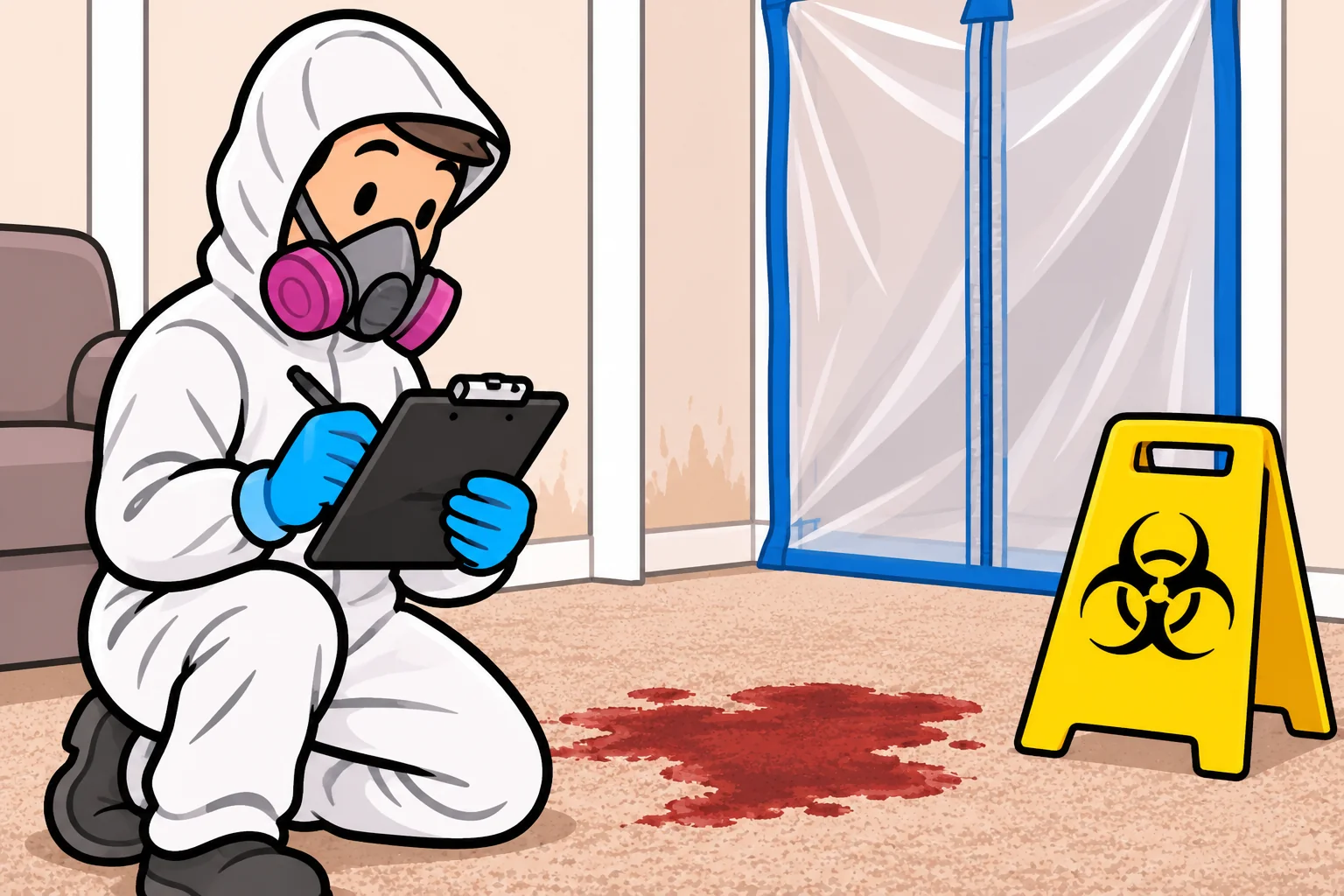
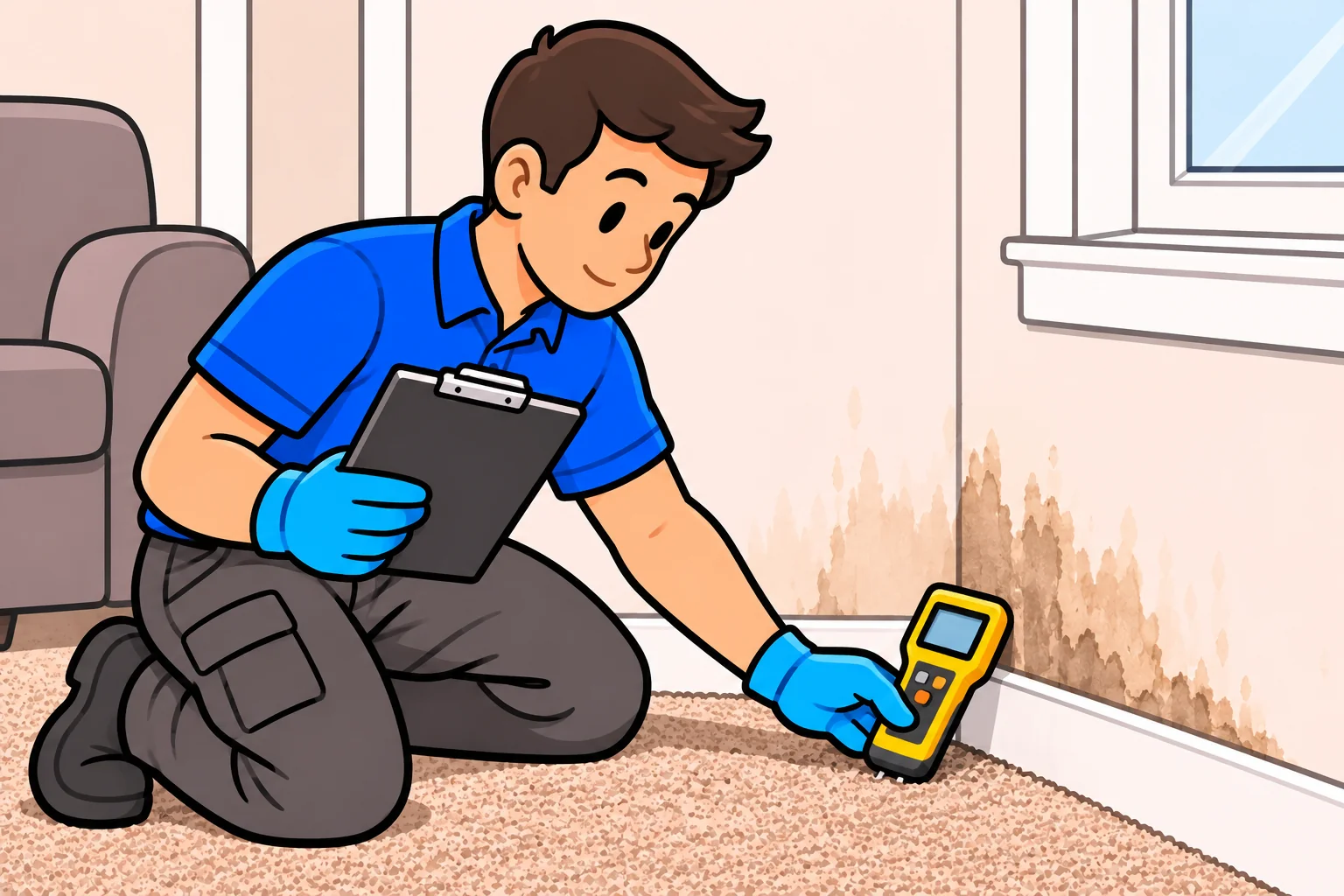
The illustrations represent assessment, controlled handling and restoration topics, not a promise that every personal item can be saved or every surface needs removal. A Garden City proposal should distinguish affected porous material from potentially cleanable hard surfaces and explain the movement route for waste. Source removal, suitable cleaning and later repairs are connected decisions; fragrance or a changed stain should not be treated as the sole evidence that the project is complete.
Biological contamination assessment
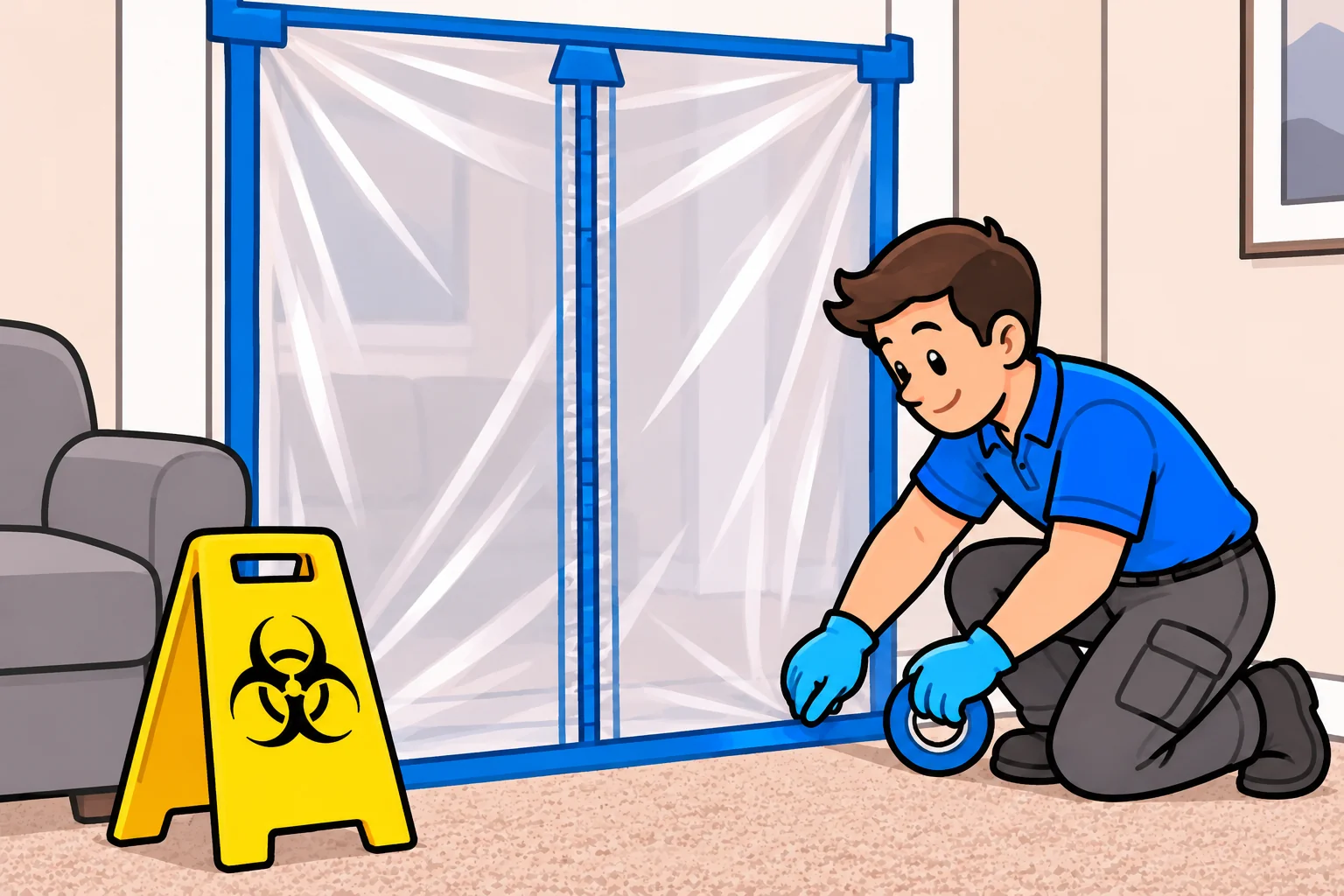
Protecting the cleanup work area
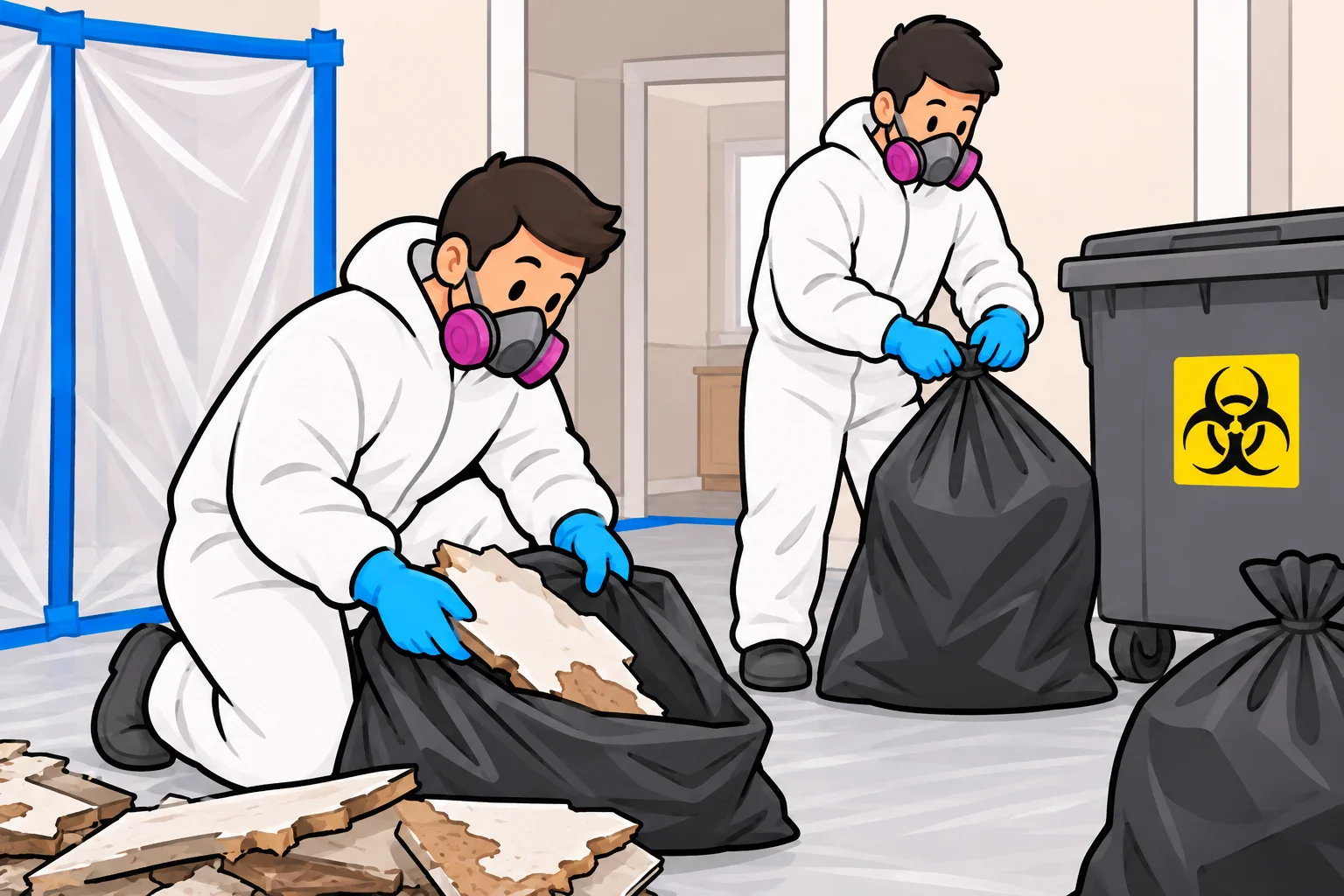
Handling affected material and waste
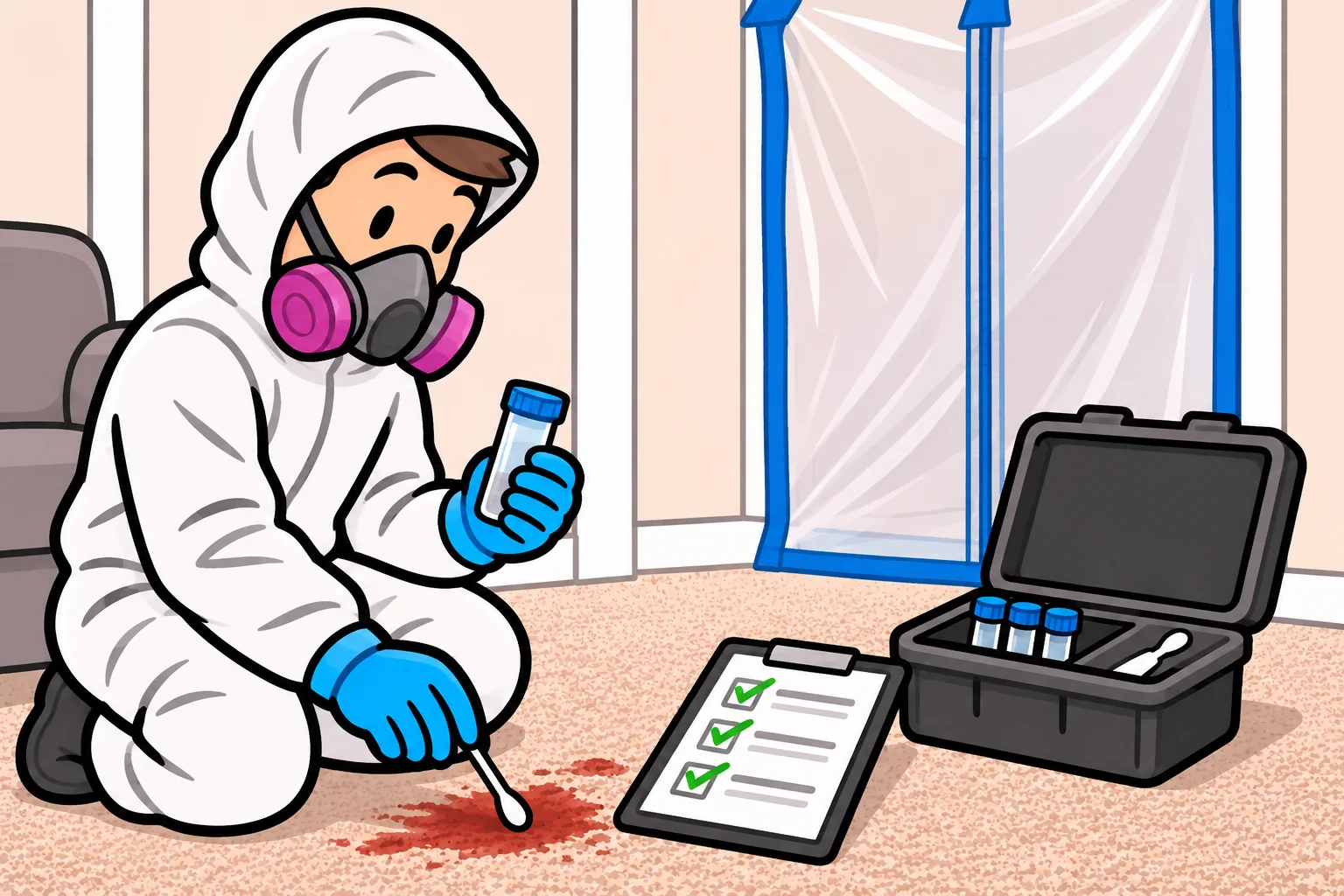
Evaluating contaminated absorbent surfaces
Surface and material decisions
Define the workA smooth floor and contaminated carpet backing are not the same cleaning problem.
Controlled movement through the home
Match the site conditionsAccess routes help keep unaffected rooms and belongings outside the work boundary.
Respectful project communication
Plan the next stageSensitive cleanup needs clear decisions about scope, belongings and repair handoff without sensational descriptions.
Serving Garden City and Nearby CommunitiesBiohazard Cleanup in Garden City
Disaster Cleanup provides biohazard cleanup throughout Garden City from our office at 5332 N Sawyer Ave, STE 120, including homes near the Boise River Greenbelt, residences in Riverside Village and businesses along Chinden Blvd, plus nearby Boise, Meridian, Eagle, Star and Kuna. Give the actual property address, authorized contact and entry restrictions when calling. Coverage does not imply a promised arrival. The work plan follows the incident and materials at the property, including shared access and the people authorized to decide about belongings.

Discuss Your Garden City PropertyRequest a Free Inspection
Ask about a free initial inspection for a Garden City biohazard concern and identify the person authorized to arrange access. Explain official restrictions, affected rooms and any belongings questions. Call (208) 999-2353 any time, or use the form. Keep the space closed to routine use until the visit can be planned safely.
Call (208) 999-2353Client ReviewsWhat People Say About Us
Disaster Cleanup is 5-Star Rated on Google


Frequently Asked Questions
Can a relative arrange biohazard cleanup for a Garden City home?
A relative can start the conversation, but the person who can authorize entry, building repairs and belongings decisions must be identified. This is especially important in a Riverside Village rental or when more than one family member is involved. We will not treat a phone call as permission to enter someone else's property.
Must the Garden City scene be released before work starts?
Yes, if responders still control the property. Share any official instructions. Arranging a free inspection does not itself release a scene. Work can be planned once lawful, safe access is available.
Should I clear personal belongings before the inspection?
No. Moving items can spread contamination and put people at risk. Identify important documents or sentimental items from outside the affected area so they can be discussed. Do not pack or wash materials as preparation.
Does a small visible stain mean only one surface needs cleaning?
Not necessarily. Absorbent materials and concealed edges can be affected beyond the mark you can see. The assessment should consider the incident history and the actual assembly rather than assume a small stain is the full boundary.
Can a Garden City business along Chinden Blvd reopen immediately after extraction?
Reopening depends on the agreed cleanup, remaining affected materials and the owner's operational decisions, not on extraction alone. Identify the authorized manager and any areas that must stay closed. Ask what conditions are required before a space returns to use.
What should I say about cleaners already used?
Explain what was already wiped, sprayed or moved, because that history can change how residues and odors are assessed. Do not apply additional household cleaners while you wait. The inspection can take that earlier attempt into account.
Is a free inspection the same as approving a complete cleanout?
No. A free initial inspection discusses access, the known affected area and proposed next steps. Discarding contents or beginning a full cleanout requires a defined, authorized scope. You decide whether to move forward after the plan is explained.
Who decides whether a Garden City contamination loss is covered?
Your insurer determines coverage from the policy and the actual event. We can document the work and work with your insurance company; you can pay after the claim closes when a claim is involved. Medical, legal and ownership questions stay with the appropriate professionals. Repair work, if it follows, is backed by a 1-year warranty.