Asbestos and Lead Testing in Marsing, Idaho: What to Check Before Water or Fire Damage Repairs
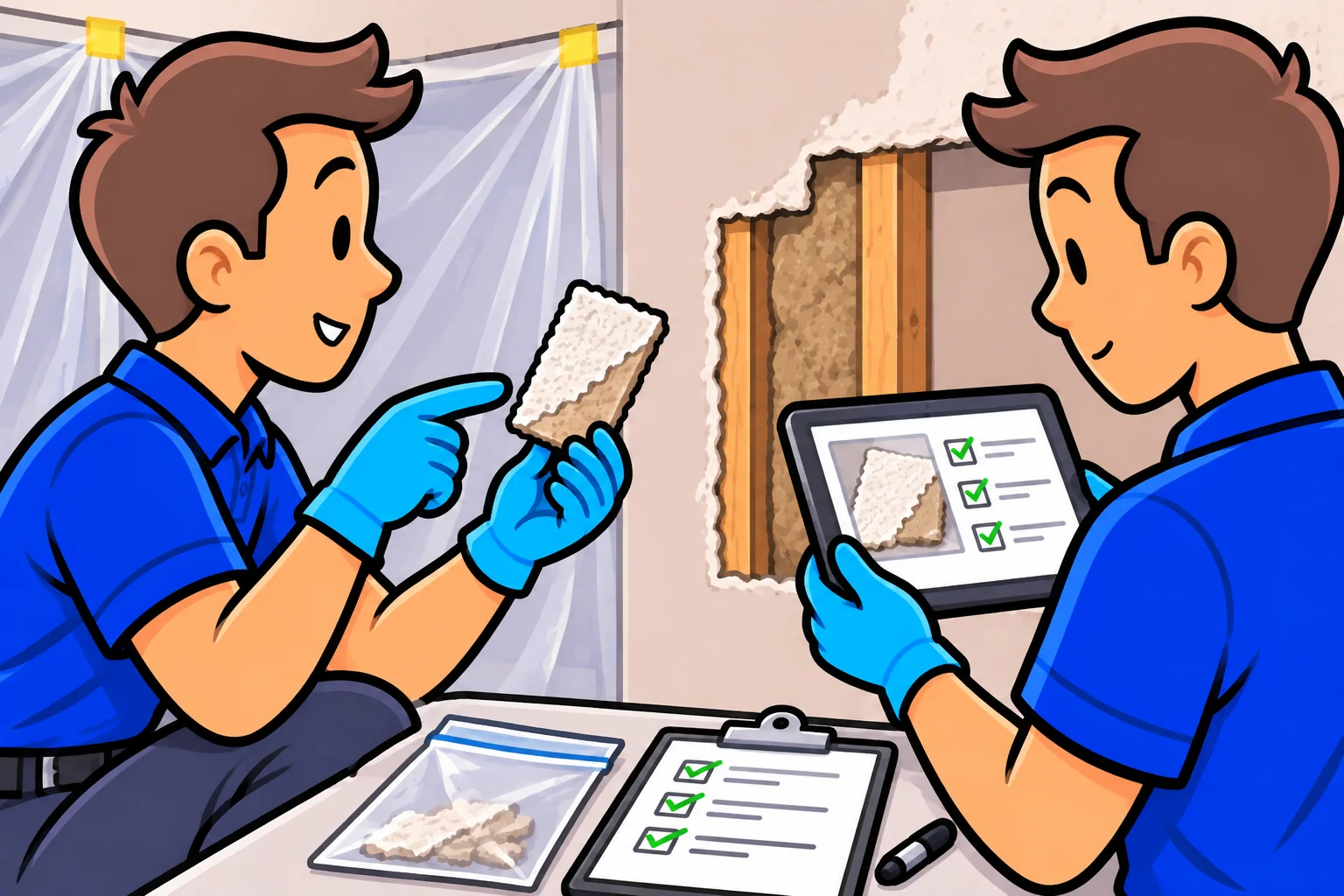
Before the pry bar comes out, find out what is in the wall.
Asbestos and lead testing in Marsing, Idaho is a step many homeowners never think about until a burst pipe, roof leak, or small fire leaves them staring at soggy drywall, buckled flooring, or a stained ceiling. Tearing out damaged materials is often part of the fix, but in an older house, some of those materials may contain asbestos or be coated in lead-based paint. Once they are cut, sanded, or broken, fibers and dust can spread. This guide covers which materials to question, how asbestos and lead concerns differ, a step-by-step path from the first leak to safe repairs, and how the rules change if you rent out the property or own a business building.
Why Testing Matters for Older Marsing Homes
Marsing is not a new town. According to the City of Marsing’s history page, the Gem Irrigation District began delivering Snake River water to the area in 1909, a town site was platted on the south side of the river in 1920, the post office opened in 1921 in a building that still stands on Main Street, and Marsing incorporated as a city in 1941. A community with roots that deep has homes, farmhouses, shops, and outbuildings from many different decades, and anything built before the late 1970s deserves a closer look before major repairs.
Lead is tied closely to age. The EPA’s Renovation, Repair and Painting Program page notes that the federal government banned lead-based paint for residential use in 1978, and that about three-quarters of U.S. homes built before 1978 still contain some lead-based paint. Asbestos is harder to date, because it was used in many building products over the years.
The key point from the EPA’s guide to protecting your family from asbestos is that you generally cannot tell whether a material contains asbestos just by looking at it. Material in good condition that will not be disturbed is usually best left alone. Water and fire damage change that, because the damage itself, and the repairs that follow, can disturb materials that sat quietly for decades.
Materials to Question Before You Cut, Sand, or Scrape
The EPA’s Learn About Asbestos page lists the places asbestos is most often found in homes. Here is how those materials, plus older painted surfaces, tend to show up after a leak or fire:
| Material | Where you might find it | Why damage raises the question |
|---|---|---|
| Textured paint and patching compounds | Popcorn or textured ceilings, wall texture, joint compound | A roof or upstairs leak can soak and loosen ceiling texture, and cutting out wet drywall disturbs the compound. |
| Vinyl floor tiles and sheet flooring backing | Kitchens, baths, laundry rooms, often under newer flooring | Water from an appliance or pipe leak gets under flooring, and pulling it up can break tiles and adhesive. |
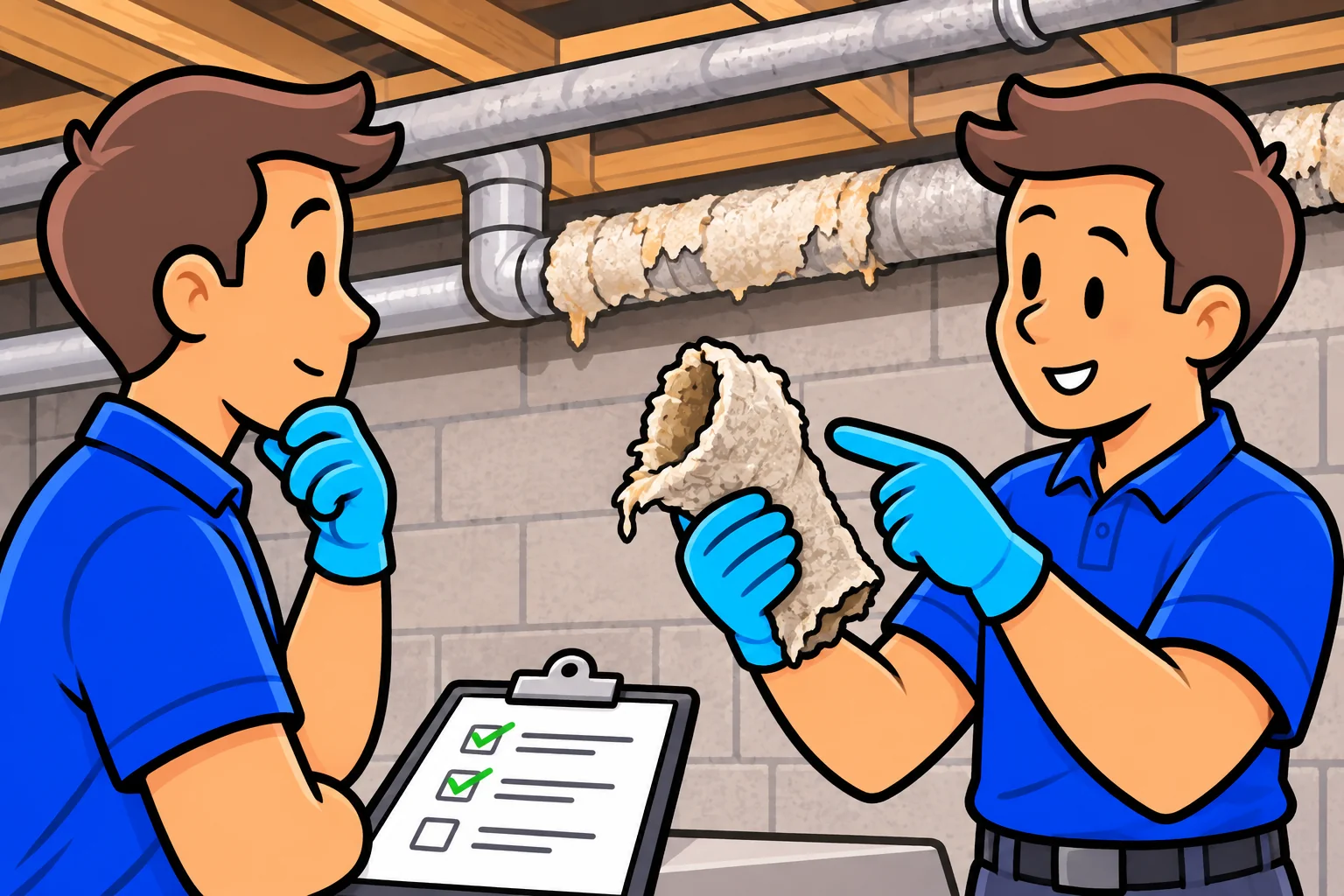
| Pipe and boiler insulation | Basements, crawl spaces, around older heating systems | A burst pipe in winter often happens right where old wrap or tape is, and soaked insulation can crumble. |
| Vermiculite attic insulation | Attic floors and some wall cavities | A roof leak or ice buildup can wet it, and ceiling tear-out below can bring it down into living space. |
| Roofing and siding shingles | Exterior of older homes, sheds, and outbuildings | Storm or fire damage may mean removing sections, which can break brittle shingles. |
| Heat shields near wood stoves | Walls and floors around wood-burning stoves | Smoke or heat damage near a stove can lead to replacing old millboard, paper, or cement sheets. |
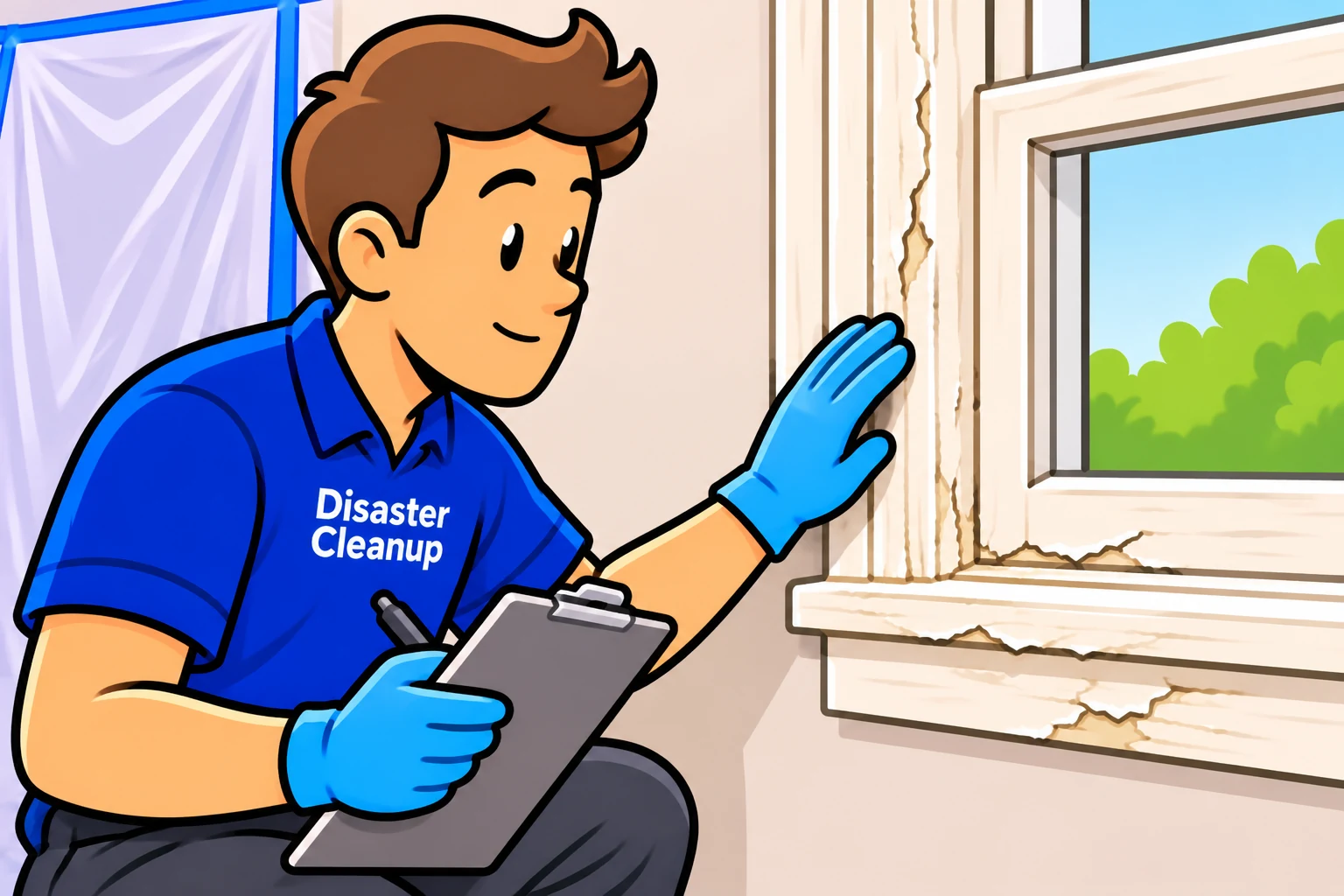
| Older painted surfaces | Window sills, trim, doors, cabinets, porches in pre-1978 homes | Water makes paint peel and blister, and scraping, sanding, or demolishing painted parts creates lead dust. |
Not every older material contains asbestos or lead. The point of testing is to stop guessing, so repairs can move forward the right way.
Asbestos vs. Lead: How the Two Concerns Differ
People often lump these together, but they behave differently and call for different precautions.
Asbestos is a fiber problem
Asbestos is a mineral fiber that was added to building products for strength and heat resistance. The EPA explains that fibers are released when asbestos-containing material is disturbed or damaged, and that exposure raises the risk of lung disease, with symptoms that may take many years to appear. Sampling itself can release fibers, which is why the EPA does not recommend that homeowners take samples on their own.
Lead is a dust and chip problem
Lead-based paint that is intact is usually not a hazard. The EPA’s page on reducing lead exposure at home explains that renovation or repair work that disturbs painted surfaces in older homes can create large amounts of lead dust, and that young children who crawl and put things in their mouths face the greatest risk. Settled dust can also get stirred back up by sweeping or vacuuming.
What they have in common
Both are invisible concerns, both get worse when materials are broken up, and both are answered by testing before the work, not after. If a home has both, a single inspection can often cover asbestos, lead, and moisture-related questions like mold at the same visit.
Step by Step: From the First Leak to Safe Repairs in Marsing
Step 1: Stop the source and make the house safe
Shut off the water at the main, or the breaker for a well pump if you are on a private well. Turn off power to wet areas if it is safe to reach the panel. After a fire, wait until fire officials say you can go back in.
Step 2: Start drying without tearing anything out
You do not have to choose between testing and stopping mold. Remove standing water, pull out wet rugs and belongings, and get air moving. The EPA’s brief guide to mold and moisture advises drying water-damaged areas and items within 24 to 48 hours to prevent mold growth. Professional water damage restoration can often dry walls and floors in place while testing is arranged.
Step 3: Keep hands off suspect materials
The EPA’s homeowner do’s and don’ts are clear: do not dust, sweep, or vacuum debris that may contain asbestos, and do not saw, sand, scrape, or drill suspect materials. Keep kids and pets out of the area, and avoid tracking debris through the house. If you must walk through, a damp mop is better than a broom.
Step 4: Have samples taken by a professional
A trained professional takes small samples of the suspect materials, seals them, and sends them for lab analysis. Our asbestos testing service covers ceiling texture, flooring, insulation, and other materials, and we can check painted surfaces for lead during the same visit.
Step 5: Let the results decide the repair path
If results come back negative, demolition and rebuilding can move ahead normally. If asbestos is present, the EPA describes two broad options: repair, which seals or covers the material in place, and removal, which is needed when damage is extensive or remodeling will disturb it. Removal should be handled through professional asbestos abatement. For lead, the choice is usually between lead-safe repair work, encapsulation, or full lead abatement.
Step 6: Rebuild and clean up properly
Once hazardous materials are handled, the damaged areas can be dried, cleaned, and rebuilt. A careful final cleaning matters, especially with lead, because fine dust left behind on floors and window sills is what children are most likely to contact.
Homeowner vs. Landlord vs. Business Owner: What Changes
If you own and live in the home
The EPA notes that, in general, its lead Renovation, Repair and Painting (RRP) Rule does not apply to homeowners doing projects in their own pre-1978 homes. That is not the same as saying the work is safe. The same dust is created either way, so testing first still protects your family.
If you rent out the property
The RRP Rule does apply if you rent all or part of the home. Anyone paid to disturb painted surfaces in a pre-1978 rental has to follow EPA lead-safe work practices. The EPA’s page on post-disaster renovations and lead-based paint explains that work immediately needed to stop an emergency, like a burst pipe, is exempt from some requirements, but not from cleaning, cleaning verification, and recordkeeping, and the rest of the repair falls back under the full rule once the emergency is handled.
If it is a shop, office, or larger building
Federal asbestos air rules, called the asbestos NESHAP, generally exclude residential buildings with four or fewer units, but they do cover commercial and public buildings. The Idaho Department of Environmental Quality’s compliance assistance page explains that a 10-day notification is required before any demolition, and before renovations that will disturb at least 160 square feet, 260 linear feet, or 35 cubic feet of regulated asbestos-containing material. If you own a business building along Main Street or Highway 55, test before you schedule the contractor.
Quick Checklist: Pause the Repair If You See These
Whether you are doing the work yourself or a handyman is on the way, stop and ask about testing if any of these apply:
- The home, shop, or outbuilding was built before 1978, or you do not know when it was built.
- Wet ceiling texture is sagging, flaking, or falling in chunks.
- Older square floor tiles or sheet vinyl sit under the damaged flooring.
- Pipes in the basement or crawl space have white or gray wrap that is soaked or crumbling.
- There is loose, pebble-like insulation in the attic above a leak.
- Paint on wet trim, sills, or doors is blistering or peeling.
- Someone in the home is pregnant, or young children live in or visit the house.
Winter is when many of these surprises happen. If you have not prepared your plumbing yet, our frozen pipe winter checklist works for Marsing homes too, and our kitchen fire cleanup guide from neighboring Homedale covers what to do if holiday cooking goes wrong.
Need Help With Testing Before Repairs in Marsing?
Disaster Cleanup is a veteran-owned restoration company serving Marsing, Owyhee County, and the rest of the Treasure Valley since 2015. Local pros answer our phones live 24/7, and we’re typically on site within 1–2 hours. Call (208) 999-2353 or schedule a free inspection. You can pay after your insurance claim closes, all work is backed by a 1-year warranty, and se habla español. Idaho contractor registration RCE-67826.
Marsing Asbestos and Lead Testing FAQs
Can I take my own asbestos sample to save time?
The EPA does not recommend it. Cutting a sample from a suspect material can release fibers, and a poorly taken sample can be more hazardous than leaving the material alone. A professional knows what to collect and how to seal the area while doing it.
Will testing hold up drying after a leak?
It does not have to. Water extraction, air movers, and dehumidifiers can usually start right away while suspect materials are left in place. Tear-out of those materials simply waits until results are back.
My house was built after 1978. Do I still need to think about this?
Lead-based paint is far less likely in a newer home. Asbestos is not tied to one cutoff year, so if you are unsure about a specific material, such as an older ceiling texture or a flooring layer from a past remodel, ask about it during the inspection.
Does homeowners insurance pay for asbestos or lead work?
It depends on your policy and on what caused the damage. Routine abatement is generally not covered, but testing and removal may be part of a claim when a covered event like a burst pipe or fire disturbs these materials. Ask your adjuster early. With Disaster Cleanup, you can pay after your insurance claim closes.
Do you serve homes outside Marsing city limits?
Yes. We serve Marsing, the farms and rural homes around it, nearby Homedale, and communities across Canyon County just across the Snake River. Our asbestos testing page explains more about how the process works.
Asbestos and Lead Terms to Know
Asbestos-containing material (ACM): Any building material that contains asbestos fibers, such as some older ceiling textures, floor tiles, and pipe wraps.
Friable: Material that can be crumbled or reduced to powder by hand pressure when dry. Water damage can make some materials friable.
Encapsulation: Sealing a hazardous material under a coating so fibers or lead dust cannot escape, instead of removing it.
Abatement: Professional work that removes, encloses, or seals asbestos or lead hazards using controlled methods.
RRP Rule: The EPA’s Renovation, Repair and Painting Rule, which sets lead-safe work requirements for paid work that disturbs paint in homes and child care facilities built before 1978.
NESHAP: National Emission Standards for Hazardous Air Pollutants. The asbestos NESHAP sets inspection, notification, and handling rules for demolition and renovation of most non-residential buildings.