
Disaster Restoration in Eagle, Idaho: What to Do After Property Damage
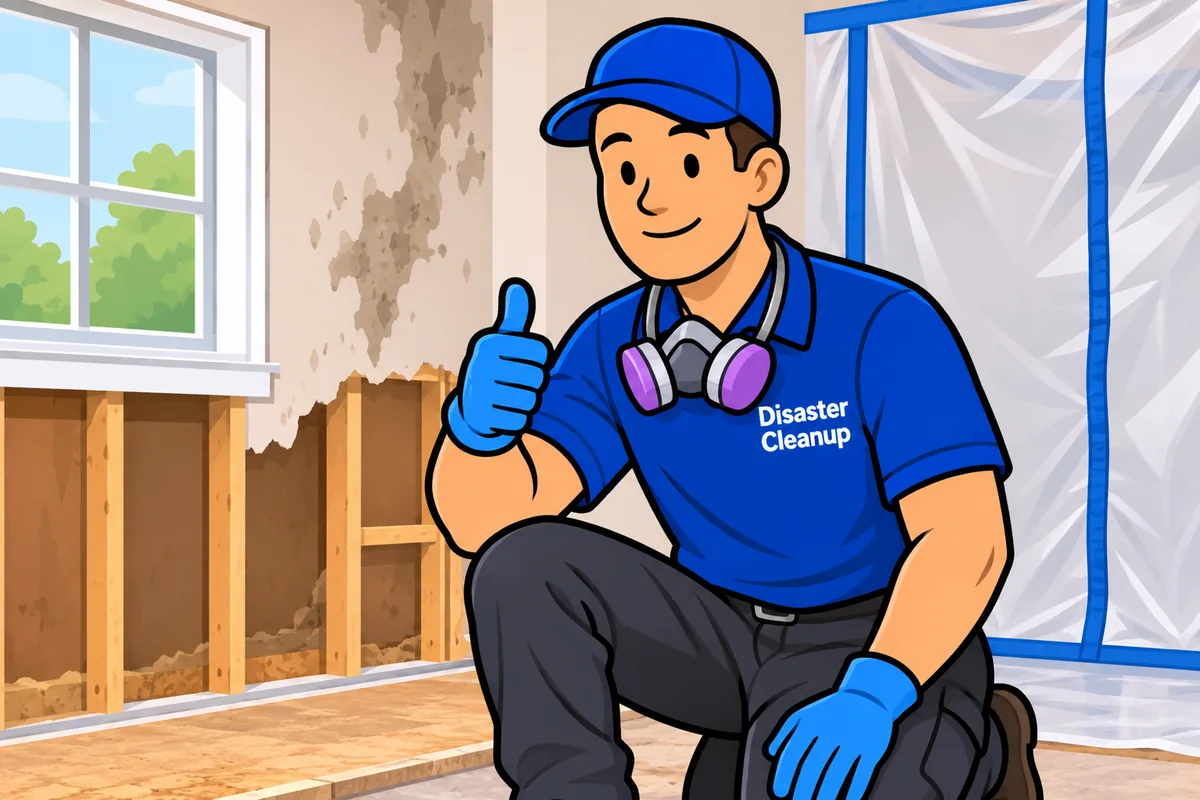
A practical guide to protecting your property and planning recovery
A burst pipe, sewage backup, fire, or unexpected flooding can disrupt your home or business in a matter of minutes. Knowing what to do first can help you avoid unnecessary risks and make the restoration process easier to manage. This guide explains the immediate safety steps, what professional cleanup may involve, and how Eagle property owners can prepare for repairs.
What Is Disaster Restoration?
Disaster restoration is the process of cleaning, drying, repairing, and rebuilding a property after a damaging event. The work depends on what happened: a water leak may require extraction and structural drying, while a fire can leave behind smoke residue, damaged building materials, and water from firefighting.
The first priority is safety. Once the property is safe to assess, a restoration team can identify affected areas, recommend a scope of work, and explain which materials may need to be cleaned, removed, or replaced.
First Steps After Damage to Your Eagle Property
1. Put people and pets first
Leave the building if there is an active fire, a suspected gas leak, serious structural damage, or another immediate danger. Call 911 when emergency assistance is needed. After a fire or flood, do not reenter until the appropriate authorities or qualified professionals say it is safe.
Keep children and pets away from damaged areas. Standing water may conceal electrical hazards or contaminants. Never operate electrical switches or appliances while standing in water. If the power cannot be shut off from a dry, safe location, call an electrician. (cdc.gov)
2. Stop the source only if it is safe
For a plumbing leak, shutting off the fixture’s water supply or the main water valve may limit additional damage. Do not enter a hazardous area to reach a valve. If you suspect a gas leak, leave immediately, avoid creating sparks, and notify emergency responders or the gas utility from a safe location.
3. Document what you can safely see
Take photos or videos of the affected rooms and belongings without entering unsafe areas. Note when you discovered the damage and what you believe caused it. Contact your insurance company promptly and ask what documentation it needs before items are discarded or permanent repairs begin.
4. Arrange an assessment
Explain the source of the damage, the areas affected, and any known hazards when you call. Disaster Cleanup provides 24-hour emergency cleanup and restoration services in Eagle and the Treasure Valley. An assessment helps determine the next steps; the full extent of damage may not be clear until affected materials are inspected.
Common Types of Damage and How Cleanup Differs
Water damage
Water can travel beneath flooring, behind baseboards, and into crawl spaces. After the source is addressed, restoration may involve extracting water, removing unsalvageable materials, and using drying equipment while monitoring moisture levels.
Prompt drying matters because mold can develop in damp materials. The CDC recommends cleaning and drying affected areas within 24 to 48 hours when possible. That window is a reason to act quickly, not a guarantee that all materials can be saved. (stacks.cdc.gov)
Fire and smoke damage
Fire damage is not always confined to visibly burned areas. Smoke residue and odors can affect rooms beyond the fire, and water used to extinguish flames can create a separate drying problem. Once the property is cleared for entry, cleanup may include securing openings, removing damaged materials, cleaning residue, and planning repairs.
Avoid disturbing ash or damaged debris before the hazards are understood. If materials that may contain asbestos or lead have been damaged, or would need to be disturbed during cleanup, seek help from qualified professionals. (epa.gov)
Sewage and contaminated water
Sewage backups and floodwater can carry harmful contaminants. Keep people and pets out of affected areas, and do not attempt to handle contaminated belongings without appropriate protection. Professional cleanup may require containment, removal of affected porous materials, cleaning, and disinfection before repairs can begin.
Mold and lingering moisture
A musty odor, staining, or visible growth can signal a moisture problem, although mold may also be hidden behind finishes. Effective remediation addresses both the growth and its moisture source. Testing is not always necessary when mold is visible; ask how an inspection or test would help guide the work before arranging one.
What to Expect During the Restoration Process
Every property is different, but a clear plan helps you understand what happens next. Depending on the loss, the work may include:
- Assessment: Inspecting affected areas, identifying apparent hazards, and discussing the proposed scope.
- Protection: Securing damaged openings or setting up containment where appropriate.
- Cleanup and drying: Removing water, residue, debris, or contaminated materials and monitoring drying where needed.
- Repairs and reconstruction: Replacing affected materials and rebuilding damaged areas after cleanup is complete.
Ask for an explanation of the proposed work, expected next steps, and how updates will be communicated. Drying and repair timelines depend on the materials involved, the extent of damage, and conditions at the property. More work may be identified as concealed areas are opened or inspected.
Insurance Documentation: Questions Worth Asking
Disaster Cleanup offers insurance claims assistance, including help with documentation. Your insurance company determines coverage under your policy, so contact your adjuster directly about deductibles, exclusions, and approvals.
- Is this cause of damage covered under my policy?
- What photos, inventory, estimates, or receipts do you need?
- How should I document belongings that must be discarded?
- Are temporary lodging or other additional expenses covered?
- Who should approve emergency work and permanent repairs?
Keep copies of correspondence, invoices, and a list of damaged items. Do not delay necessary safety measures while waiting for a claim decision, but communicate with your insurer as soon as practical.
Disaster Restoration Considerations in Eagle, Idaho
Eagle property owners face a range of potential water problems, from household plumbing failures to flooding. The City of Eagle identifies the Boise River and Dry Creek as local sources of flooding and provides floodplain information for property owners. Check the flood risk for your specific address rather than assuming every property has the same exposure. (cityofeagle.org)
Review your insurance before a loss occurs. The City of Eagle notes that standard homeowners insurance does not generally cover this type of flooding; ask your insurer about your particular policy and flood coverage options. (cityofeagle.org)
For everyday preparedness, know where your main water shutoff is located, keep important records accessible, and periodically check areas where leaks may go unnoticed, such as crawl spaces, beneath sinks, and around water heaters. If flooding affects a road or walkway, do not drive or walk through the water.
Need Help After Property Damage in Eagle?
Disaster Cleanup provides emergency cleanup and restoration services for water, fire, smoke, mold, sewage, and other property damage. Contact the team to discuss the situation and the next steps for your property.
Frequently Asked Questions
How quickly should I arrange water damage cleanup?
Arrange an assessment as soon as it is safe to do so. Water can spread into concealed materials, and prompt drying reduces the opportunity for mold growth. The right response depends on the water source and the extent of the damage.
Can I stay in my home during restoration?
It depends on the hazards, affected areas, and work required. A small, contained water loss may be different from a fire, sewage backup, or extensive mold problem. Ask the restoration team and relevant safety professionals whether the property can be occupied during each phase.
Will wet drywall or flooring always need to be replaced?
Not necessarily. The decision depends on the material, how wet it became, how long it remained wet, and whether the water was contaminated. An inspection and moisture assessment can help determine what can be dried and what should be removed.
Does homeowners insurance cover disaster restoration?
Coverage varies by policy and cause of loss. Ask your insurer about your specific situation, including any applicable deductible or exclusions. Flood coverage may require a separate policy.
Can cleanup and reconstruction be handled by the same company?
Yes. Disaster Cleanup offers cleanup, general contracting, and reconstruction services. The work needed will depend on the assessment and the agreed scope for your property.
Restoration Terms to Know
Containment: Measures used to separate a work area and help limit the spread of dust or contaminants.
Moisture assessment: An evaluation of affected materials and areas to help identify and monitor dampness.
Remediation: Work performed to address a problem such as mold or contamination, including its source when applicable.