Disaster Restoration in Meridian, Idaho: What to Do After Water, Fire, or Mold Damage
A practical guide to protecting your property and planning the recovery
A burst pipe, kitchen fire, or sewage backup can turn an ordinary day into an emergency. Knowing what to do first can help you protect your household, limit additional damage, and make informed decisions about cleanup. This guide explains what Meridian property owners can expect from the disaster restoration process, from the first safety checks through repairs and reconstruction.
What Is Disaster Restoration?
Disaster restoration is the process of assessing damage, making a property safer, cleaning affected areas, and repairing materials after an incident. The work depends on what happened. A water leak may require extraction and drying, while a fire may also call for soot removal, odor treatment, and structural repairs.
Restoration is more than making a room look clean. Water can travel under flooring and behind walls, while smoke residue may settle beyond the area directly damaged by flames. A careful assessment helps identify what needs attention before repairs begin.
Disaster Cleanup is based in Boise and serves Meridian and the Treasure Valley with emergency cleanup and restoration services. Its team can help with water, fire, smoke, mold, sewage, and other property damage, as well as repairs after cleanup.
First Steps After Property Damage
Your first priority is safety—not saving belongings or starting cleanup. The right response depends on the type and extent of the damage.
1. Leave dangerous areas and call for help
If there is an active fire, a suspected gas leak, structural damage, or another immediate danger, leave the property and call 911 from a safe location. Do not reenter a fire-damaged building until the fire department says it is safe. (usfa.fema.gov)
2. Avoid electrical hazards
Never enter standing water to reach an electrical panel or operate wet electrical equipment. If you cannot shut off power from a dry, safe location, contact an electrician. Wet electrical systems should be checked before power is restored. (cdc.gov)
3. Stop the source only if it is safe
For a plumbing leak, shut off the water supply if you can reach the valve without entering a hazardous area. Keep people and pets away from sewage, floodwater, damaged ceilings, and suspected mold. If you are unsure what is safe, wait for a qualified professional.
4. Document the damage
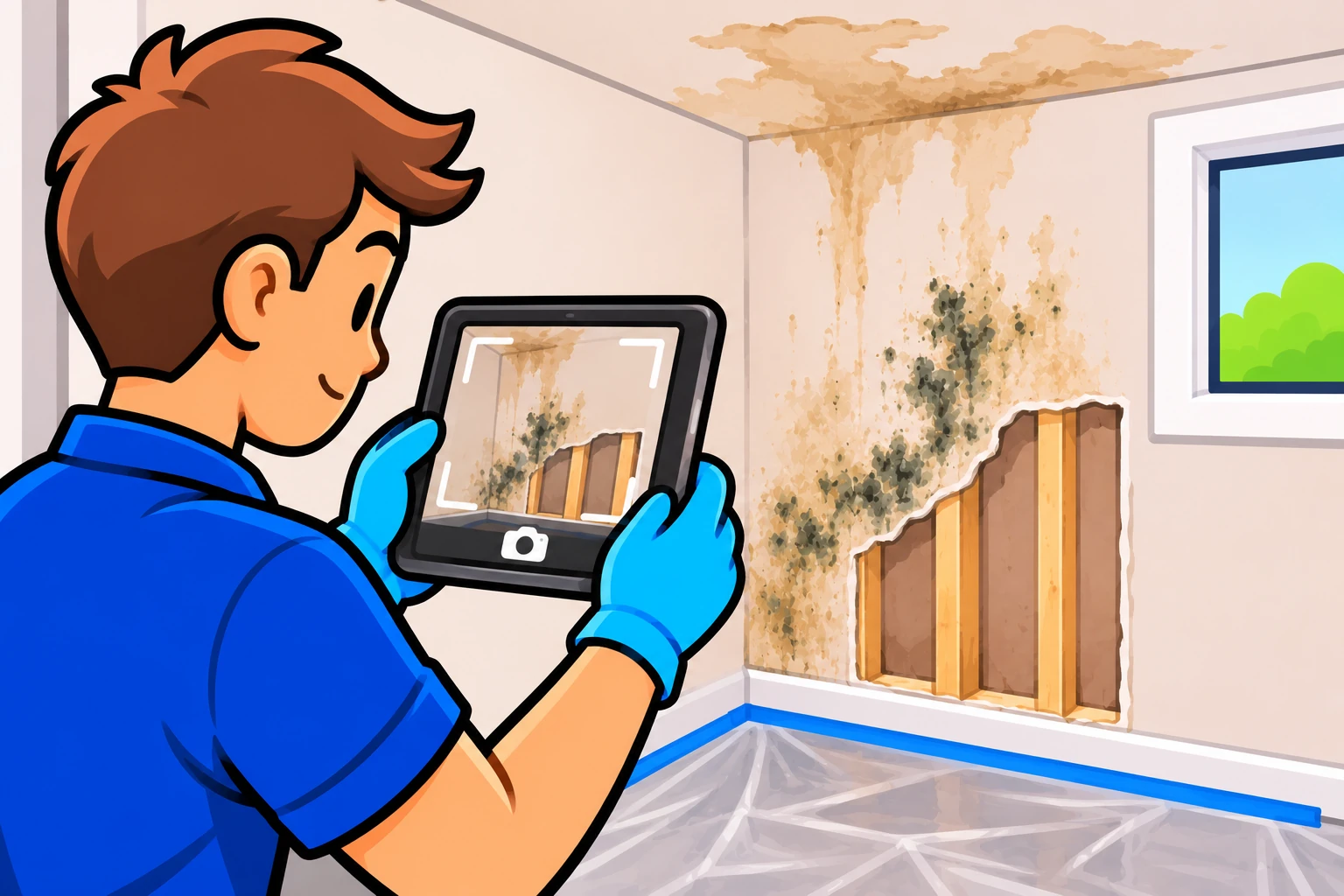
Once it is safe, take photos or video of affected rooms and belongings. Contact your insurance provider promptly, keep receipts for emergency expenses, and ask what documentation is needed. Do not delay necessary emergency work while waiting for a claim decision; discuss urgent mitigation with your insurer and restoration provider.
How Restoration Differs by Type of Damage
Water damage
Water can come from a failed appliance, a leaking supply line, a roof opening, or another source. After the source is addressed, restoration may include removing standing water, evaluating wet materials, and using drying equipment. Moisture readings help the team check areas that may still be damp even when the surface looks dry.
Prompt drying matters because lingering moisture can encourage mold growth. The Centers for Disease Control and Prevention recommends cleaning and drying or removing wet items within 24 to 48 hours when possible. (cdc.gov)
Fire and smoke damage
Fire restoration starts after emergency officials allow access. Depending on the damage, a team may secure openings, remove damaged materials, clean soot from suitable surfaces, and address smoke odors. Water used to extinguish the fire may also require extraction and drying.
A room does not have to burn to be affected. Smoke and residue can move into nearby spaces, so the assessment should consider the full area exposed—not just the visible burn site.
Mold damage
Mold remediation involves addressing the moisture source as well as the growth itself. Depending on the affected materials and extent of the problem, the work may include containment, removal of unsalvageable materials, cleaning, and drying. Painting over mold or ignoring a leak does not resolve the underlying problem.
Testing may be useful in some situations, but visible mold and its moisture source still need to be addressed. A professional assessment can help determine the appropriate scope of cleanup.
Sewage and contaminated water
A sewer backup should be treated differently from a clean supply-line leak. Contaminated water can affect flooring, drywall, and personal belongings, and some porous materials may need to be removed. Keep out of the affected area and arrange professional cleanup rather than attempting to handle sewage yourself.
What to Expect During the Restoration Process
Assessment and a plan
The restoration team reviews the affected areas, identifies immediate hazards, and discusses the likely scope of work. Ask which rooms will be affected, whether you can remain on the property, and what could change the estimate as hidden damage is discovered.
Cleanup and mitigation
Mitigation means taking steps to reduce further damage. That might involve boarding up an opening, extracting water, setting up drying equipment, or containing a contaminated work area. Damaged materials are evaluated for cleaning, drying, or removal.
Monitoring and repairs
For water damage, drying progress may be checked with moisture measurements before rebuilding begins. Once cleanup and any necessary remediation are complete, repairs can range from replacing drywall and flooring to more extensive reconstruction.
Before demolition, tell the team about any known or suspected hazardous materials. Asbestos cannot reliably be identified by sight alone; suspected material should be left undisturbed and evaluated by a trained, accredited professional when appropriate. (epa.gov)
A Quick Comparison of Restoration Needs
| Damage | Immediate concern | Possible restoration work |
|---|---|---|
| Water | Electrical hazards and spreading moisture | Extraction, drying, moisture checks, and repairs |
| Fire and smoke | Unsafe structure, soot, and exposed openings | Board-up, cleaning, odor treatment, and rebuilding |
| Mold | Moisture source and exposure during disturbance | Containment, removal, cleaning, and drying |
| Sewage | Contamination of the area and belongings | Removal, sanitation, drying, and repairs |
Disaster Restoration Considerations for Meridian Properties
Meridian homes and businesses can experience damage from everyday failures as well as severe weather. A frozen pipe, appliance leak, roof leak, or drainage issue can send water into living spaces, attics, or crawl spaces. These less-visible areas deserve attention when there is staining, a persistent musty smell, or evidence of a leak.
Before an emergency, locate your main water shutoff, keep gutters and drainage paths clear, and check exposed plumbing during cold weather. If you manage a commercial property, make sure staff know whom to call and how to report water or fire damage outside regular business hours.
For help in Meridian, Disaster Cleanup provides 24-hour emergency response across the Treasure Valley. The team also offers crawl space and attic restoration, board-up services, and reconstruction when those services are needed.
Understanding Insurance and Restoration Costs
The cost of disaster restoration depends on the source of damage, the size of the affected area, the materials involved, and the repairs required. Ask for a written scope and estimate, and discuss how changes will be communicated if additional damage is found.
Insurance coverage depends on your policy and the cause of the loss. Flood damage and sewer backups may require separate coverage or an endorsement, so ask your insurer what applies to your situation. Disaster Cleanup can assist with claim documentation, but your insurer determines coverage. (content.naic.org)
Need Restoration Help in Meridian?
If water, fire, smoke, mold, or sewage has affected your property, Disaster Cleanup can help you understand the next steps. Contact the team to discuss your situation and arrange an assessment.
Learn more about disaster cleanup services in Meridian. Contact Disaster Cleanup Call (208) 999-2353.
Frequently Asked Questions
How quickly should I call after water damage?
Call as soon as it is safe to do so. Early assessment and drying can help limit the spread of moisture and identify affected materials. If water is near electrical equipment or you suspect contamination, stay out of the area while you wait for help.
Can I stay in my home during restoration?
It depends on the damage and the work required. A contained leak in one room may allow you to remain at home, while structural concerns, sewage contamination, extensive mold, or fire damage may make the property unsuitable to occupy. Ask the restoration team and relevant authorities about your specific situation.
How long does disaster restoration take?
There is no single timeline. The amount of moisture, contamination, material removal, and reconstruction all affect the schedule. After assessing the property, ask for an estimated timeline and updates as the work progresses.
Should I wait for my insurance adjuster before starting cleanup?
Contact your insurer promptly and ask how to document the loss. Necessary emergency steps to prevent further damage may need to begin before an adjuster visits. Photograph the damage when safe, keep records, and discuss the timing with your insurer and restoration provider.
Does Disaster Cleanup provide emergency service in Meridian?
Yes. Disaster Cleanup provides 24-hour emergency cleanup and restoration services in Meridian and throughout the Treasure Valley.
Restoration Terms to Know
Mitigation: Immediate work intended to limit further damage, such as extracting water or securing an opening.
Remediation: Work to address a contamination problem, such as removing mold-affected materials and correcting the moisture source.
Containment: Barriers and work practices used to help keep dust or contaminants from spreading to other areas.
Reconstruction: Repair or rebuilding work completed after cleanup and any necessary remediation.