
Disaster Restoration in Nampa, Idaho: What to Do After Property Damage
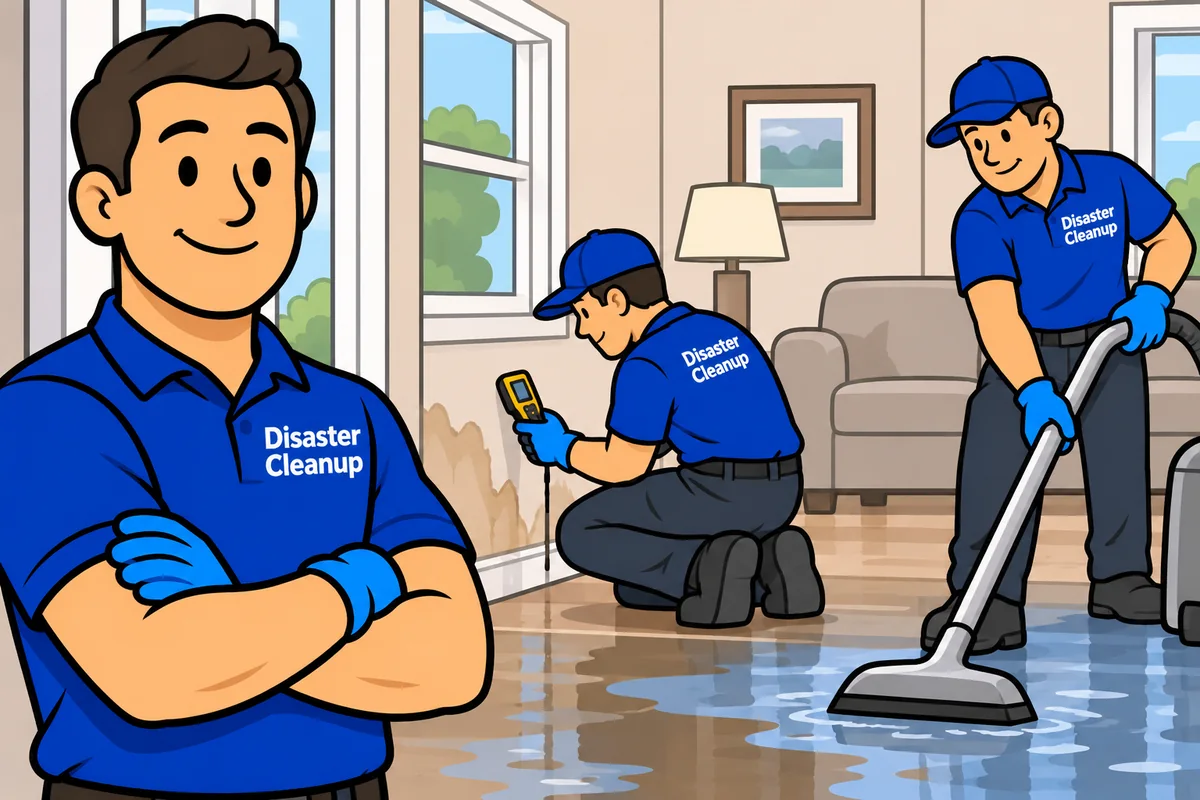
A practical guide to cleanup, repairs, and the first steps toward recovery
A burst pipe, kitchen fire, sewage backup, or unexpected mold discovery can leave you with questions about safety, cleanup, and insurance. Knowing what to do first can help you protect your household and make informed decisions about your property. This guide explains how disaster restoration works in Nampa, Idaho, and what to expect from the first assessment through repairs.
What Is Disaster Restoration?
Disaster restoration is the process of addressing damage after an event such as a water leak, fire, sewage backup, or other property emergency. Depending on the situation, it can include securing the building, removing damaged materials, cleaning affected areas, drying the structure, and rebuilding.
The right approach depends on the source and extent of the damage. Water from a broken supply line, for example, calls for different precautions than water from a sewage backup. A restoration professional should assess the conditions before recommending a cleanup plan.
Disaster Cleanup provides emergency cleanup and restoration services in Nampa and across the Treasure Valley. Its work can include cleanup, remediation, and reconstruction, helping property owners coordinate the stages of recovery.
Common Types of Property Damage
Some damage is easy to see; other problems can extend behind walls, under flooring, or into a crawl space. The table below offers a starting point for recognizing what each situation may require.
| Damage type | Common signs | Potential restoration work |
|---|---|---|
| Water | Standing water, damp flooring, stains, or swollen materials | Water removal, drying, moisture checks, and repairs |
| Fire and smoke | Charred materials, soot, smoke odor, or water from firefighting | Securing openings, cleaning residue, removing damaged materials, and rebuilding |
| Sewage | Backup through a drain, toilet, or other plumbing fixture | Containment, contaminated material removal, cleaning, and sanitation |
| Mold | Visible growth, musty odors, or persistent moisture | Moisture assessment, containment, removal, and cleaning |
Water damage can extend beyond the visible area
A wet patch on a ceiling or floor may be only one part of the problem. Water can reach adjacent rooms, wall cavities, insulation, and subflooring. Prompt drying matters: the Environmental Protection Agency recommends cleaning and drying a home and its contents within 24 to 48 hours when possible after flooding. The actual drying time depends on the materials and conditions. (epa.gov)
Sewage and floodwater require extra precautions
Sewage and floodwater may contain harmful contaminants. Keep people and pets away from the affected area, avoid contact with the water, and arrange for qualified cleanup. Contaminated porous materials may need to be removed rather than dried and kept. (epa.gov)
Mold cleanup starts with the moisture source
Cleaning visible mold without correcting a leak, damp crawl space, or other moisture problem can leave conditions that allow it to return. A remediation plan should address both the affected materials and the source of moisture. If you see mold, avoid pointing fans at it, since air movement can spread mold through the area. (epa.gov)
What to Do First After Property Damage
1. Put safety before cleanup
Leave the building and call emergency services if there is an active fire, suspected gas leak, or another immediate danger. Do not enter a structurally damaged building until the appropriate authorities say it is safe. Keep children and pets away from damaged areas.
Never touch electrical equipment while it is wet or while you are standing in water. If electricity needs to be shut off and you cannot reach the shutoff safely, stay out and ask the utility company or a qualified electrician for help. If you suspect a gas leak, leave without operating switches or creating sparks, then contact emergency authorities from a safe location. (cdc.gov)
2. Stop the source only if it is safe
For a supply-line leak, shutting off the water may limit additional damage. Do not attempt to handle sewage, damaged wiring, suspected hazardous materials, or an unstable ceiling yourself. A plumber, electrician, or restoration professional can help address the appropriate part of the emergency.
3. Document what you can see
When it is safe, take photos or videos of affected rooms and belongings before cleanup changes the scene. Note when you discovered the damage and any steps you took to limit it. Keep receipts for temporary repairs and other related expenses.
Contact your insurance company promptly to discuss your policy and claim. Ask how the insurer wants damaged belongings documented before disposal. If materials present an immediate health or safety concern, tell both the adjuster and restoration team so they can discuss how to document and handle them safely. (doi.idaho.gov)
4. Arrange an assessment and ask for a plan
A restoration assessment can help identify affected areas and immediate priorities. Ask what work is needed to stabilize the property, what may be salvageable, and whether repairs will require additional trades. Request an explanation of the proposed scope and any authorization forms before work begins.
5. Avoid disturbing suspect building materials
Damaged flooring, insulation, and other building materials may contain asbestos, which cannot reliably be identified by sight alone. If you suspect asbestos, leave the material undisturbed and have a trained, accredited professional assess it. Homes built before 1978 may also contain lead-based paint that requires precautions during repair work. (epa.gov)
What Happens During Restoration?
Every property is different, but a restoration project often moves through several related stages:
- Inspection and stabilization: The team identifies affected areas and immediate hazards. Board-up services may be needed if windows, doors, or other openings leave the property exposed.
- Cleanup and removal: Crews address standing water, residue, debris, or contaminated materials as appropriate for the damage.
- Drying and monitoring: For water damage, equipment and moisture readings help the team track drying in affected materials and areas.
- Cleaning and remediation: The work may include soot removal, sanitation, or mold remediation, depending on the incident.
- Repairs and reconstruction: Once the property is ready, damaged materials can be repaired or replaced. The scope may range from a small section of drywall to more extensive rebuilding.
Ask your restoration provider how progress will be communicated and what conditions need to be met before reconstruction starts. If additional damage is discovered during the work, request an updated explanation and estimate.
Disaster Restoration Considerations for Nampa Properties
Nampa homeowners and businesses may face damage from everyday plumbing failures as well as weather-related events. A frozen or leaking pipe can affect occupied rooms, while a less noticeable leak may leave moisture in a crawl space or attic.
After an incident, tell the restoration team about areas that are difficult to access, previous leaks, recent repairs, and any unusual odors you noticed before the damage. That information can help guide the inspection, although the team will still need to assess the property firsthand.
Disaster Cleanup is based in Boise and serves Nampa and the surrounding Treasure Valley. The company offers 24-hour emergency cleanup and can assist with documentation during the insurance claims process.
Questions to Ask Your Restoration Provider
Clear answers can help you understand the work and avoid surprises. Before authorizing a project, consider asking:
- What damage have you identified, and are there areas you still need to inspect?
- Which materials may be cleaned and kept, and which may need removal?
- How will you monitor drying or contain the affected area?
- What is included in the estimate, and how are changes approved?
- What documentation can you provide for my insurance claim?
- Will reconstruction be part of the project, and who will coordinate it?
Insurance coverage depends on the cause of damage, your policy, and the insurer’s determination. Restoration documentation can support a claim, but it does not guarantee coverage or payment.
Need Help With Property Damage in Nampa?
Whether you are dealing with water, fire, mold, or sewage damage, Disaster Cleanup can help you understand the next steps. Contact the team to discuss your situation and arrange an assessment.
Learn more about disaster cleanup services in Nampa. Contact Disaster Cleanup Call (208) 999-2353.
Frequently Asked Questions
How quickly should I address water damage?
As soon as it is safe to do so. Promptly stopping the source and arranging water removal and drying can help limit further damage. The timeline for drying depends on the amount of water, affected materials, and conditions in the property.
Can I stay in my home during disaster restoration?
It depends on the damage and the work required. A contained leak in one room may be handled differently from a fire, widespread sewage backup, or structural damage. Ask the restoration team and any relevant authorities whether the property is safe to occupy.
Will my insurance cover disaster restoration?
Coverage varies by policy and by the cause of loss. Contact your insurer or agent to review your deductible, applicable limits, exclusions, and claims requirements. Keep photographs, estimates, and receipts together for reference.
Does all wet drywall or flooring need to be replaced?
Not necessarily. The water source, how long materials were wet, contamination, and the condition of the materials all matter. A professional assessment can help determine whether a material can be dried and retained or should be removed.
Is testing always needed when mold is visible?
Not always. The EPA notes that sampling is usually unnecessary when visible mold is present. The priority is to address the mold and its moisture source; a professional can discuss whether testing would be useful for your circumstances. (epa.gov)
Does Disaster Cleanup provide reconstruction after cleanup?
Yes. Disaster Cleanup offers general contracting and reconstruction services as well as cleanup and remediation. The specific repair plan depends on the condition of the property and the agreed scope of work.
Glossary
Containment: Measures used to separate an affected area from other parts of a property during cleanup.
Mitigation: Steps taken to limit additional damage, such as stopping a leak or arranging temporary board-up.
Remediation: Work to address a contamination or mold problem, including cleaning or removing affected materials and addressing the source where applicable.
Reconstruction: Repairing or rebuilding damaged portions of a property after cleanup and other necessary preparation.