Boise, IdahoFire and Smoke Damage Restoration
Disaster Cleanup provides fire damage restoration, smoke cleanup and soot removal in Boise and across the Treasure Valley. After the fire is out and the property is cleared for entry, we help assess the damage, protect affected areas and plan cleanup and repairs. Call our live team any time to discuss the next safe step and arrange a free inspection.
Schedule a Free Inspection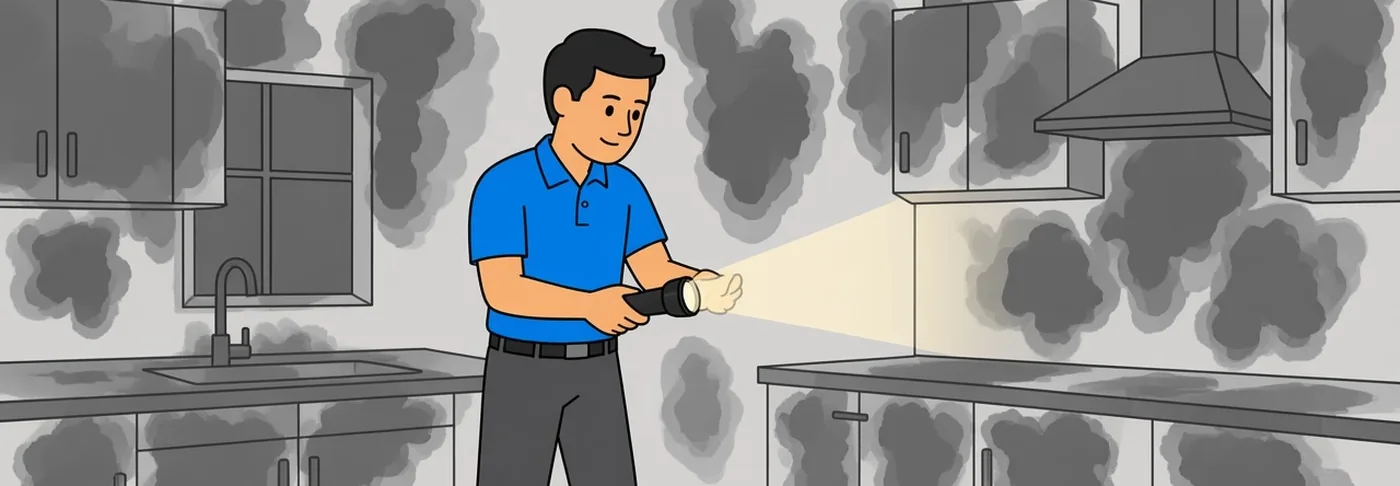
Find out how fast you can get service from your location
24 HOUR EMERGENCYFire Damage Cleanup in Boise
A fire can leave more than the damage you first notice. Smoke may travel beyond the room where it started, soot can settle on walls and belongings, and water used to extinguish the fire may soak flooring or wall cavities. Disaster Cleanup helps Boise and Treasure Valley property owners understand those different problems and organize the work that follows. Our phones are answered live 24/7, so you can speak with a person when you need help.
Once authorities permit access, we inspect affected areas and explain the cleanup priorities. Depending on the property, the work may include securing openings, addressing firefighting water, removing soot and smoke residue, treating affected materials and coordinating repairs. We document visible damage and discuss what can be cleaned, what needs closer evaluation and what may require replacement before restoration moves forward.
Signs You Need Fire and Smoke Damage Restoration
Damage is not always limited to visibly burned materials. A room that was never directly exposed to flames may still need inspection because smoke, residue or firefighting water reached it. Contact us if you notice:
- Black, gray or greasy soot on walls, ceilings, cabinets or belongings.
- A persistent smoke smell that remains after the building has aired out.
- Discoloration, blistered finishes or heat damage around affected rooms.
- Wet flooring, damp drywall or other moisture left after firefighting.
- Charred materials, damaged openings or areas that cannot be safely used.
- Smoke residue around vents or in rooms away from the original fire.
What Happens After You Call
When you call (208) 999-2353 about fire or smoke damage, here is what happens next.
- A live team member listens to what happened, confirms the location and asks about immediate access or safety concerns.
- We coordinate a visit and safe access with you after the property has been cleared for entry.
- We explain a practical plan for the fire, smoke and water damage present.
- Identify affected areas
- Review cleanup priorities
- Discuss repairs and documentation
We explain the proposed work in plain language and help document the damage for your insurance claim.
- The crew starts the agreed work to secure affected areas, address moisture and remove fire or smoke residues.
- Cleaning and repairs move forward according to the damage and agreed scope, with updates about the next steps.
Common Sources of Fire and Smoke Damage
Kitchen and Cooking Fires
A cooking fire may affect cabinets, counters and nearby finishes while sending smoke into adjoining rooms. Greasy residue can require a different cleaning approach from loose, dry soot. An inspection helps define the areas and materials that need attention.
Electrical Equipment and Wiring
Fires involving electrical equipment can leave heat damage and smoke behind walls or near service equipment. Do not reconnect damaged appliances or restore power yourself. Electrical safety and any investigation should be addressed by the appropriate qualified professionals before cleanup proceeds.
Heating Equipment and Nearby Materials
A fire near a heater or other heat source may damage surrounding materials even when the flames stay contained. Smoke deposits and odors can extend beyond the burned area, so cleanup planning should consider adjacent surfaces and belongings too.
Fireplaces and Chimneys
Smoke entering a living space can leave visible deposits and lingering odors. The source and safe operation of the fireplace or chimney need separate attention from cleaning the affected room. We focus the restoration plan on the damage that is present.
Burned Furniture and Household Contents
Different materials produce different residues when they burn. Upholstery, plastics, finishes and fabrics may need different treatment or may be too damaged to keep. Avoid handling or moving soot-covered belongings before they have been assessed.
Smoke That Travels Between Rooms
Smoke can move through openings and parts of the ventilation system, leaving damage away from the fire itself. A faint smell in another room is worth noting during the inspection. The extent of residue, not just the flame location, guides the cleanup scope.
What to Do First: Safety Steps
If there is an active fire, heavy smoke or an immediate threat, leave the building and call 911. Restoration comes after emergency response and clearance for access. Do not reenter simply because the flames are gone.
- Wait for the fire department or appropriate authority to confirm that entry is allowed.
- Keep children, pets and other occupants out of affected areas.
- Do not turn on damaged electrical equipment or run the HVAC system until it has been checked as appropriate.
- Avoid wiping soot, disturbing damaged materials or attempting strong chemical or ozone treatments yourself.
- Photograph damage only from areas you can safely access, and contact your insurer about the claim process.
- Call Disaster Cleanup to discuss inspection, temporary protection and cleanup planning.
Our Fire and Smoke Damage Restoration Process
1. Inspection and Damage Documentation
We review accessible affected areas for fire, smoke, soot and water damage, then discuss the cleanup priorities with you. Photos and notes help describe the loss and support conversations about the proposed scope. Any access restrictions or unresolved hazards need to be addressed before work in those areas.
2. Securing and Protecting the Property
When needed, temporary board-up or other agreed protection can help secure damaged openings and limit further exposure. We explain which immediate measures fit the condition of the property. This stage is about stabilizing the situation, not treating a temporary repair as the finished restoration.
3. Addressing Firefighting Water
Water used to extinguish a fire can affect flooring, walls and concealed spaces. Where that damage is present, extraction and drying may be needed alongside fire cleanup. Checking affected materials helps guide the drying work rather than relying only on whether a surface looks dry.
4. Soot and Smoke Residue Cleanup
We assess the residue and the surfaces involved before selecting the cleaning approach. Walls, ceilings, fixtures and contents may not respond to the same method. Materials that cannot reasonably be cleaned or have been damaged beyond repair may need removal and replacement as part of the agreed scope.
5. Odor and Contents Evaluation
Smoke odor treatment starts with identifying affected materials and removing the residue or source where possible. We discuss cleaning and replacement decisions for impacted belongings and finishes. Masking an odor is not a substitute for addressing the underlying smoke damage.
6. Repairs and Restoration Planning
After cleanup and any necessary drying, repair work can address damaged finishes and building materials. Disaster Cleanup also handles construction and remodeling, allowing cleanup and repair needs to be discussed together. The work and schedule depend on the actual damage, access and agreed project scope.
Why Choose Disaster Cleanup
Fire damage is stressful partly because several kinds of work may be needed at once. Disaster Cleanup brings fire and smoke cleanup, water-damage response, temporary board-up and restoration planning into one conversation. We explain which tasks are urgent and which decisions can be made after the property has been assessed.
We are a veteran-owned business based in Garden City, serving Boise and the Treasure Valley. A live team member answers our phones 24/7. During inspection and planning, we explain the affected areas, the proposed work and the questions that need to be resolved before repairs begin.
How Long Does Fire Damage Restoration Take?
The timeline varies with the amount of damage, the materials affected and whether rebuilding is required. A limited smoke cleanup is different from a property with structural damage and substantial firefighting water. Access, drying needs, material availability and insurance decisions can also influence the schedule. We discuss the expected stages after inspecting the property instead of promising the same completion date for every fire.
Insurance: Documentation and Next Steps
Fire and smoke losses may be covered when the cause and damage fall within your policy, but coverage, limits and deductibles vary. Contact your insurer early and keep records of the loss. We can provide damage documentation and discuss the proposed restoration work with your adjuster. Your insurer determines coverage; an inspection or estimate is not a guarantee that every item will be paid.
Emergency Fire Damage Cleanup in Boise
After a fire, priorities can include damaged windows or doors, wet building materials and smoke residue that has reached occupied spaces. Once emergency responders have finished and access is permitted, contact Disaster Cleanup to discuss the condition of the property and the help you need. Tell us about any restrictions on entry and any instructions you have received from the fire department or insurer.
Not every affected room needs the same work. Some materials can be cleaned, some need drying, and others may need to be removed or repaired. We explain the proposed approach after inspection so you can understand the immediate tasks and the decisions that follow.
Common Fire and Smoke Cleanup Situations
- Kitchen fires with smoke and soot in nearby rooms.
- Fire-damaged living spaces, fixtures and household contents.
- Smoke odor that persists after the source fire is out.
- Wet flooring or walls after firefighting.
- Damaged openings that need temporary board-up before repairs.
Fire and Smoke DamageCleanup and Restoration Services
Every fire leaves a different combination of heat damage, soot, odors and moisture. We look at the affected materials and the areas smoke reached before recommending the cleanup work. These common situations illustrate why fire damage restoration may involve more than removing visibly burned items.
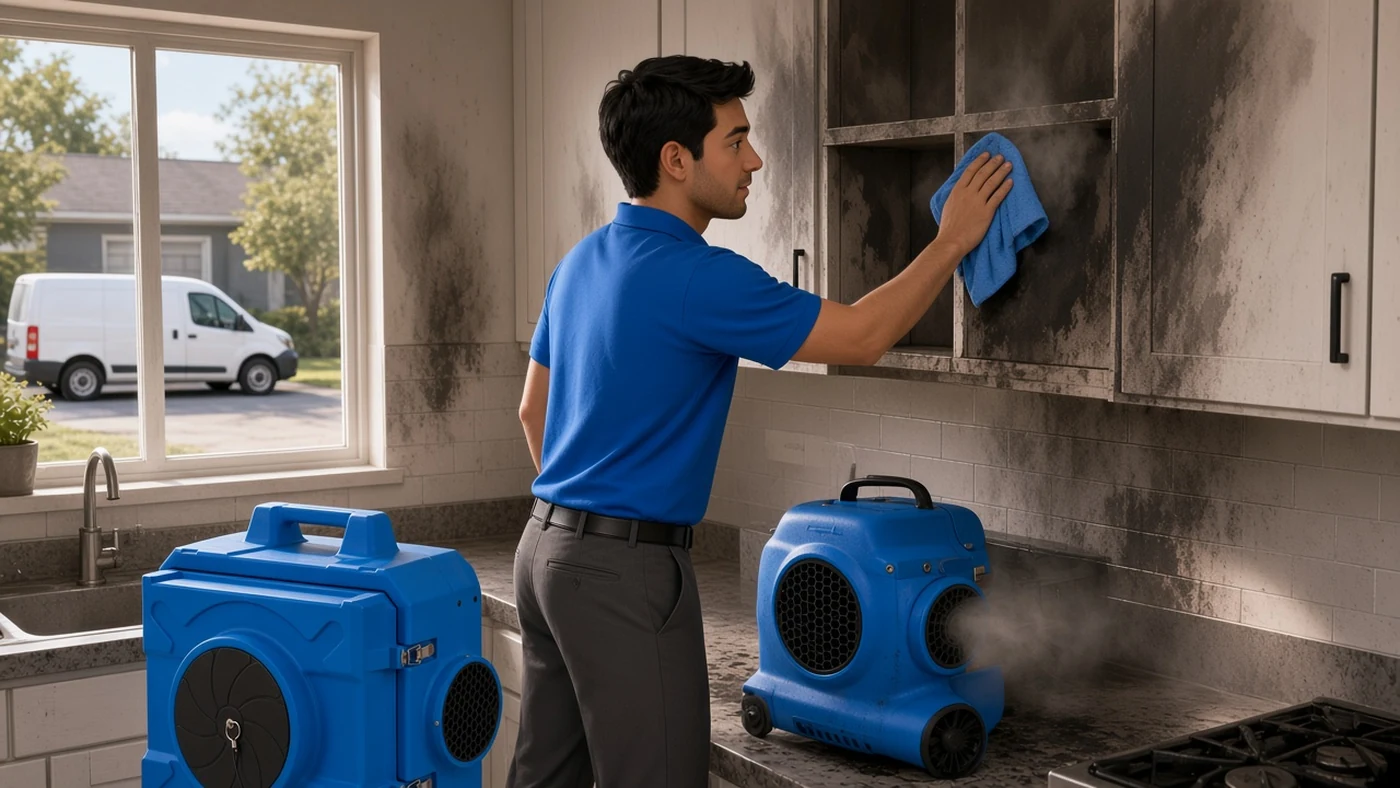
Kitchen fires and smoke residue
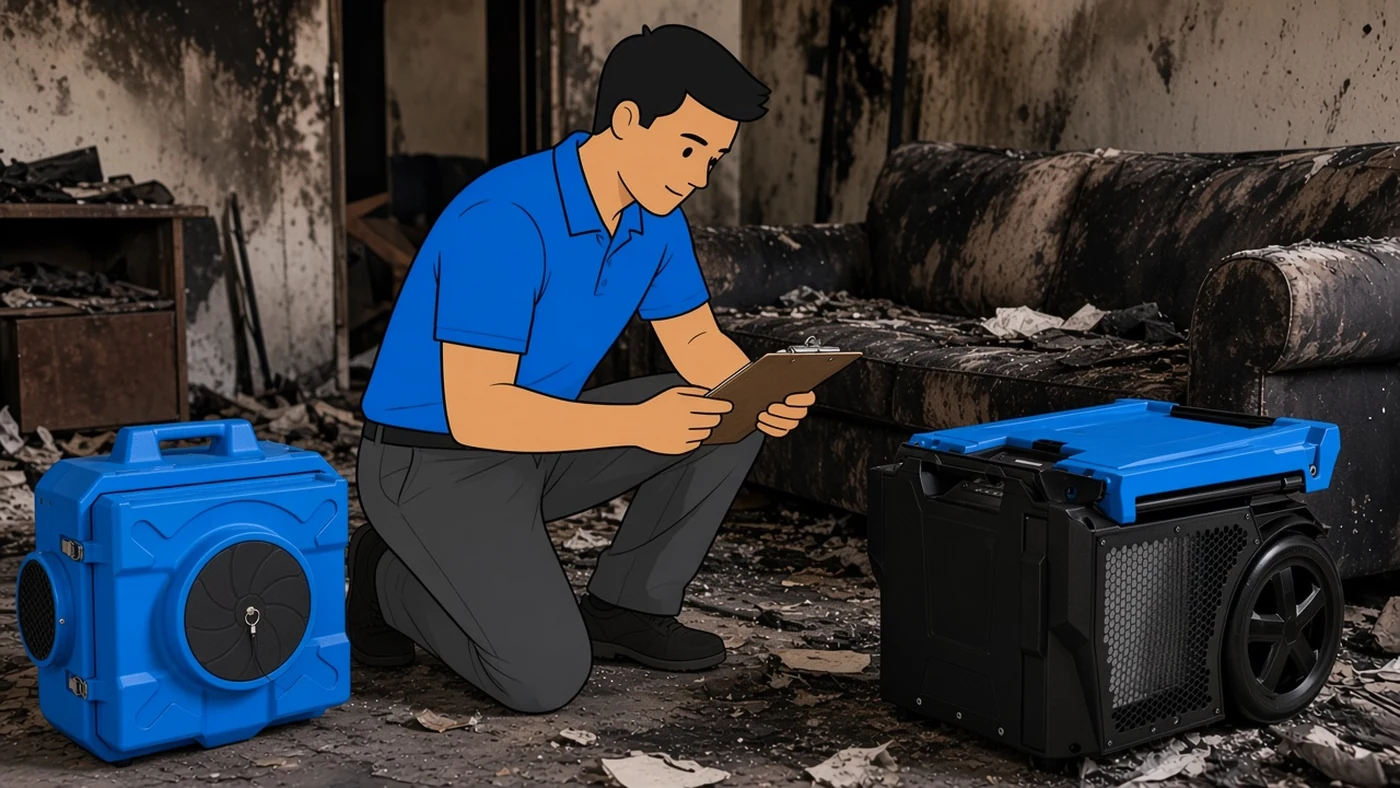
Fire-damaged rooms and belongings
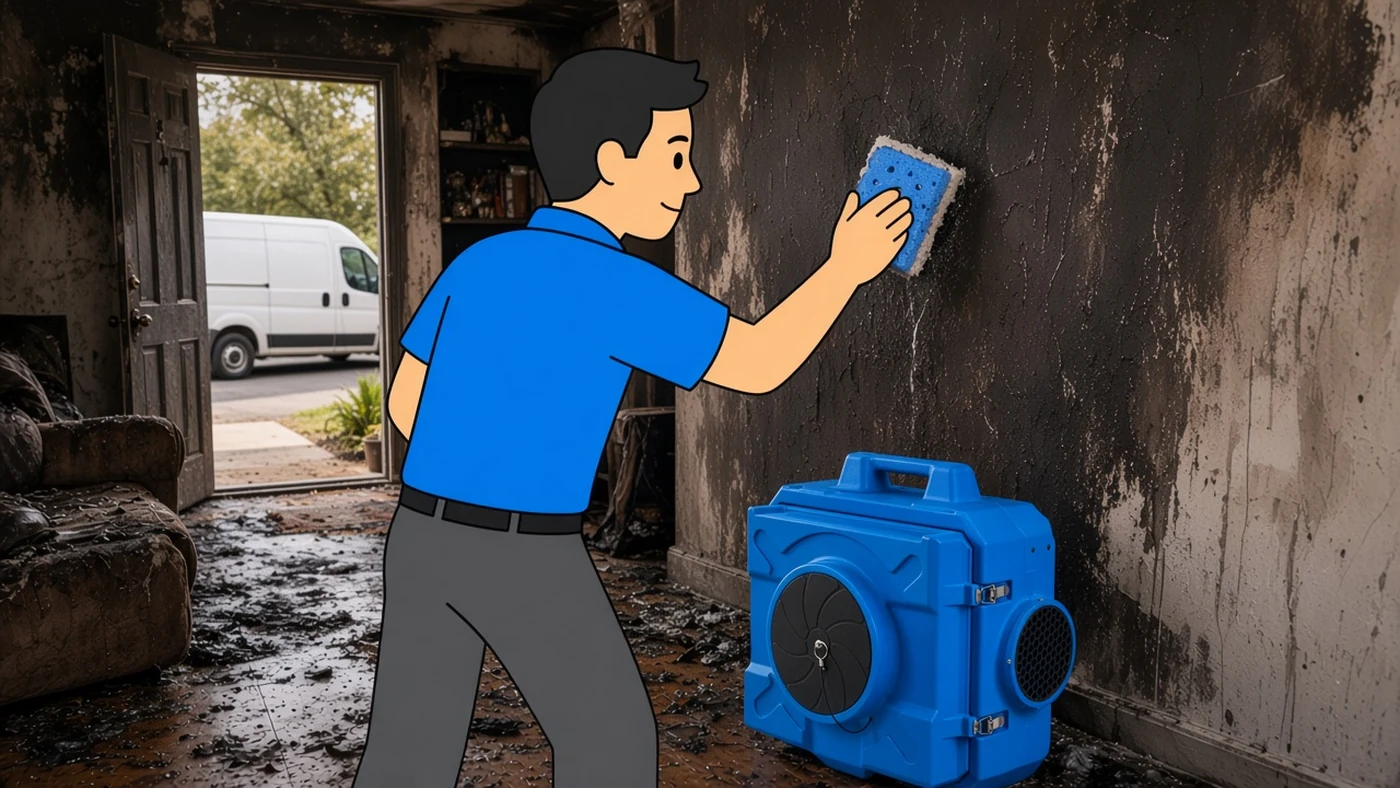
Soot buildup on walls and surfaces
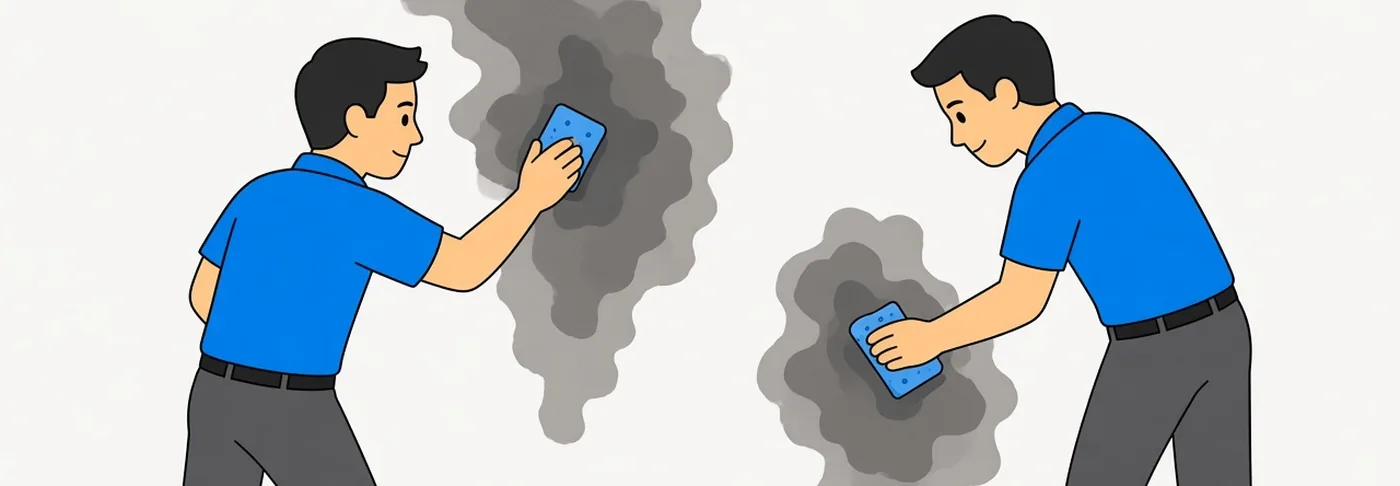
Smoke odors throughout the property
RESPONSE AND RECOVERY
Starting With the Immediate PrioritiesAfter access is permitted, the first work may include protecting damaged openings, addressing water and identifying the areas that need cleanup. We discuss the immediate priorities with you so the next step is based on the condition of the property.
DAMAGE ASSESSMENT
Looking Beyond the Burned AreaSmoke and soot may affect rooms or belongings away from the fire. We inspect accessible areas, document what we find and explain the proposed cleaning or replacement needs. The visible flame damage is only one part of that assessment.
RESTORATION AND REPAIRS
Planning the Work That Follows CleanupOnce cleanup and any necessary drying are complete, damaged finishes and materials can be addressed through the repair scope. We discuss restoration needs and the expected stages so you understand how the property moves from cleanup toward usable space.
Serving Boise and the Treasure ValleyFire and Smoke Damage Cleanup in Boise
Disaster Cleanup provides fire and smoke damage restoration in Boise and across the Treasure Valley, including communities in Ada and Canyon counties. Our Garden City team can discuss your location, the condition of the property and arrangements for an inspection. Use the address lookup above to check estimated drive time, or call to speak with a live team member.
Get Immediate HelpHave Fire or Smoke Damage? Request a Free Inspection
After the property has been cleared for entry, call Disaster Cleanup at (208) 999-2353 to discuss the damage and arrange a free inspection. We answer live 24/7 and can explain the next steps for cleanup, documentation and repair planning. If fire or another immediate hazard is still present, leave the area and call 911 first.
Call (208) 999-2353Client ReviewsWhat People Say About Us
Disaster Cleanup is 5-Star Rated on Google


Frequently Asked Questions
What should I do after a house fire once the fire department leaves?
Follow the fire department’s instructions about access and any remaining hazards. Do not run damaged equipment, disturb soot or move affected belongings before they have been assessed. Contact your insurer and call Disaster Cleanup to discuss inspection, temporary protection and cleanup planning. If you cannot safely enter the property, tell us so the next steps can be coordinated appropriately.
Can I stay in my home after smoke damage?
Do not assume a property is safe to occupy because the fire is out or the smell is fading. Follow any instructions from emergency responders or other appropriate professionals. Smoke, residue, electrical damage and building conditions all matter. We can inspect the restoration needs, but access and occupancy decisions should account for any unresolved safety concerns.
Does homeowners insurance cover fire and smoke damage restoration?
Many policies cover damage from a covered fire, but the cause of the loss, policy terms, limits and deductibles affect the claim. Contact your insurer to confirm your specific coverage. Disaster Cleanup can document affected areas and discuss the proposed restoration scope with your adjuster; we do not determine or guarantee what your policy will pay.
How long does fire damage restoration take?
The schedule depends on the extent of fire and smoke damage, any firefighting water, the materials involved and whether repairs or rebuilding are needed. A limited cleanup and a major reconstruction project have different timelines. After inspection, we explain the likely stages and discuss factors such as drying, access, approvals and material availability.
Can lingering smoke odor be removed?
Effective smoke odor work starts with identifying and addressing affected materials and residue rather than simply covering the smell. Depending on the damage, that may involve cleaning, treatment or replacing materials that cannot be restored. We assess the property and explain the proposed approach. Air fresheners or painting over residue alone may not address the underlying source.
Does fire restoration also include water used to extinguish the fire?
Firefighting water can create a separate moisture problem in floors, walls and other building materials. Where it is present, the restoration plan may include extraction, drying and moisture checks alongside soot and smoke cleanup. We inspect the affected areas and discuss which water-damage tasks are needed rather than assuming all materials are dry once the visible water is gone.
Should I try to wipe soot off walls before the crew arrives?
Avoid scrubbing soot or applying household cleaners before the residue and surface have been evaluated. The wrong approach can spread residue or make some finishes harder to restore. Keep people away from affected areas, follow access instructions and take photos only where it is safe. Ask us about any urgent concern before starting cleanup yourself.
Do you offer a free fire damage inspection in the Treasure Valley?
Yes. Call Disaster Cleanup at (208) 999-2353 to discuss the loss and arrange a free inspection. Our phones are answered live 24/7. Tell us your location and whether the property has been cleared for access so we can discuss an appropriate visit and the next steps. The restoration scope and timing depend on the condition of the property.